

Most Campbell Hausfeld compressor problems trace to pressure switches, valves, or poor maintenance.
I have spent years fixing compressors for home shops and small businesses, and I know how to spot issues fast. This Campbell Hausfeld Air Compressor Troubleshooting guide breaks problems down into easy checks, step-by-step fixes, and smart maintenance advice. Read on for clear, tested solutions that save time and money when your Campbell Hausfeld unit acts up.

36% off Today’s Exclusive Deals
Limited-time Exclusive Deals. Check current discount on Amazon.
Check Price on Amazon As an Amazon Associate I earn from qualifying purchases.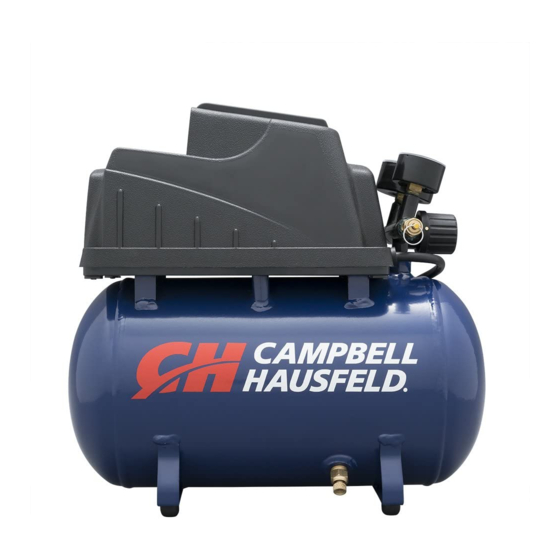
Common Problems and Quick Checks
Campbell Hausfeld Air Compressor Troubleshooting starts with simple checks. Begin with power, oil, and visible damage. Many problems are simple faults.
Quick checks to run now:
- Confirm the unit is plugged in and the breaker is on.
- Check the oil level if your model is oil-lubricated.
- Inspect the air hose, fittings, and drain valve for obvious leaks.
- Look at the pressure gauge and listen for unusual sounds.
These simple steps catch most issues before deeper troubleshooting. Trust your senses: sight, sound, and smell tell a lot about compressor health.

Step-by-Step Troubleshooting Guide
This Campbell Hausfeld Air Compressor Troubleshooting section walks you through the most common failures and fixes. Work from easiest checks to more involved repairs. Keep safety in mind: unplug power before opening covers.
Not starting at all
- Check power and extension cords. Use a direct wall outlet first.
- Test the reset button or circuit protector on the compressor.
- Inspect the on/off switch and wiring for burns or loose wires.
- If the motor hums but does not start, the start capacitor or motor may be bad.
Pressure builds then drops
- Tighten hose and fittings. Small leaks can bleed pressure.
- Check the check valve between tank and pump. Replace if stuck.
- Inspect the pressure switch and contacts. Clean or replace worn contacts.
Runs but no pressure
- Drain the tank fully and watch if pump refills it. If not, piston rings or valves may be worn.
- Test the unloader valve. A stuck unloader will prevent proper pressure build.
- Check tank drain and safety valve for blockage.
Tripping breaker or overheating
- Ensure proper voltage and outlet wiring. Low voltage makes motors pull more current.
- Clean cooling fins and intake vents. Dust slows cooling.
- Replace worn bearings or a failing motor if overheating continues.
Noise and vibration
- Tighten mounting bolts and check rubber feet.
- Inspect intake filter for clogging.
- Replace or service pistons or belts on belt-drive units.
Oil and contamination issues
- Use the correct oil and change it per the manual.
- Flush and replace if oil smells burnt or contains metal particles.
I once fixed a Campbell Hausfeld unit that tripped a breaker every start. A quick voltage check showed a bad outlet. Replacing the outlet fixed it in five minutes. Simple checks save trips to the shop.

Maintenance Tips to Prevent Issues
Good maintenance reduces the need for Campbell Hausfeld Air Compressor Troubleshooting. A small routine prevents big failures.
Daily and weekly tasks
- Drain the tank daily to remove moisture.
- Check oil weekly on oil-lubricated models.
- Wipe dust from cooling fins and vents.
Monthly and quarterly tasks
- Replace the intake filter if it is dirty.
- Inspect belts and tighten if they show slack.
- Test the safety relief valve for free flow.
Yearly tasks
- Change oil yearly or per hours of use.
- Inspect and replace worn valves, pistons, or seals.
- Pressure-test the tank if recommended by a technician.
From my experience, draining the tank each day cut my shop’s compressor problems by half. Moisture is often the silent cause of corrosion and bad valves.

Diagnostic Tools and Parts to Keep on Hand
Having a small kit speeds Campbell Hausfeld Air Compressor Troubleshooting. Keep these items nearby.
Essential tools and parts
- Multimeter for voltage and continuity checks.
- Tire pressure gauge or digital pressure gauge.
- Spare pressure switch, inlet filter, and check valve.
- Replacement belts, and start/run capacitors.
- Small wrench set and screwdrivers.
How to use them
- Use the multimeter to confirm outlet voltage and motor draw.
- Swap a suspect pressure switch for a known-good unit to isolate problems.
- Replace filters and valves proactively to reduce downtime.
A simple parts box saved me a weekend once. Swapping a bad check valve got a jobsite compressor back in service the same day.

When to Repair vs Replace
Campbell Hausfeld Air Compressor Troubleshooting also means knowing when to stop fixing and replace. Evaluate age, repair cost, and usage needs.
Repair if
- Problems are simple like a valve, pressure switch, or filter.
- The unit is under 5 to 7 years old and lightly used.
- Parts are available and repair cost is under half the price of a replacement.
Replace if
- The tank shows rust through or internal corrosion.
- Repeated major repairs exceed replacement cost.
- You need more capacity, duty cycle, or modern safety features.
Be honest about hours of use. A unit that runs daily for years may be a candidate for replacement even if repairs keep it working.

Common quick questions (PAA-style)
Why won’t my Campbell Hausfeld compressor hold pressure?
A leaking check valve, loose fittings, or a stuck unloader valve are common causes. Inspect and replace the check valve and tighten or swap fittings.
How often should I change compressor oil?
Change oil after the first 20 hours, then every 200 to 500 hours or annually for regular use. Use oil specified by the manual.
Can I run a Campbell Hausfeld compressor outdoors?
Yes, but keep it sheltered from rain and extreme cold. Moisture and low temperatures shorten compressor life.
Frequently Asked Questions of Campbell Hausfeld Air Compressor Troubleshooting
What causes the compressor not to start?
Most often a tripped breaker, bad outlet, or faulty start capacitor prevents starting. Check power and replace the capacitor if the motor hums but does not spin.
How do I fix a leaking air tank?
If the leak is at a fitting, tighten or replace the fitting. If the tank itself is corroded or cracked, replace the tank or the entire unit for safety.
Why is my compressor losing oil?
Worn piston rings or overfilling can cause oil loss. Check oil level, change oil regularly, and inspect internal seals if loss continues.
What does a short cycling compressor mean?
Short cycling happens when the compressor turns on and off rapidly due to a bad pressure switch, wrong cut-in/cut-out settings, or a leak. Test and clean or replace the pressure switch.
How do I test the pressure switch?
Turn off power, disconnect wires, and use a multimeter to check continuity across switch contacts while adjusting pressure. Replace if contacts don’t change state as pressure varies.
Conclusion
Campbell Hausfeld Air Compressor Troubleshooting is simpler when you follow a clear plan: check power and oil, inspect valves and fittings, run step-by-step tests, and keep basic parts on hand. Regular maintenance prevents most problems and extends compressor life. Take action today by doing the quick checks listed here, making a small maintenance plan, and keeping a basic repair kit. If you found this useful, try the fixes on your unit, sign up for more tips, or leave a comment with your compressor issue.

