

Most Porter Cable compressor issues come from power, tank pressure, or valve faults.
I’ve fixed many compressors and written guides for pros and DIYers. This article covers Porter Cable Air Compressor Troubleshooting with clear steps, common causes, real tips, and safety notes. Read on to diagnose problems fast and fix them with confidence.

36% off Today’s Exclusive Deals
Limited-time Exclusive Deals. Check current discount on Amazon.
Check Price on Amazon As an Amazon Associate I earn from qualifying purchases.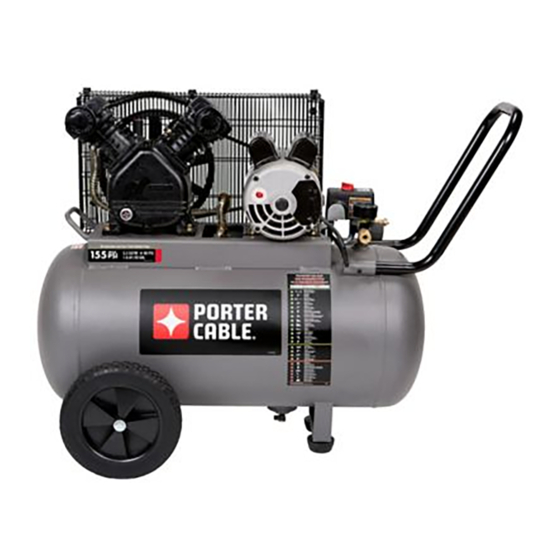
Quick overview: what the Porter Cable Air Compressor does and why troubleshooting matters
Porter Cable air compressors store and deliver pressurized air for tools. Knowing basic parts helps with Porter Cable Air Compressor Troubleshooting. Key parts are motor, tank, pressure switch, regulator, check valve, and safety valve. Simple checks save time and money.

Common problems and causes for Porter Cable Air Compressor Troubleshooting
Air compressors show a few repeat problems. I list them, explain causes, and give quick fixes.
- Compressor won’t start. Often caused by power issues, blown fuse, or a bad pressure switch. Check outlet, cord, and reset button.
- Motor runs but won’t build pressure. Likely a leaking check valve or tank leak. Tighten fittings and test valves.
- Unit cycles too often. Worn pressure switch or wrong cut-in/cut-out settings can cause short cycling. Adjust or replace the pressure switch.
- Excessive noise or vibration. Loose fittings, unbalanced motor, or worn bearings. Tighten parts and inspect motor mounts.
- Oil leaks or smoke. Oil level wrong or overfilled, or worn piston rings in oil-lubricated models. Maintain oil per manual.
These common issues show up in Porter Cable Air Compressor Troubleshooting frequently. Troubleshoot in order from simple to complex. Start with power and air leaks first.
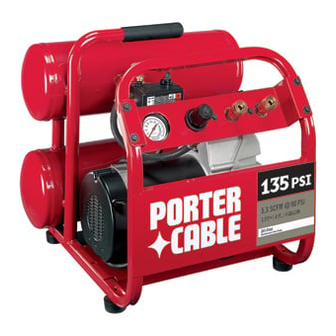
Step-by-step troubleshooting guide for Porter Cable Air Compressor Troubleshooting
Follow this ordered checklist. Work slowly and keep safety in mind.
- Safety first
- Unplug the unit and release tank pressure before you inspect.
- Wear eye protection and gloves.
- Check power and controls
- Confirm outlet has power with a tester.
- Inspect power cord and plug for damage.
- Test the on/off switch and reset button.
- Inspect pressure switch and wiring
- Look for burnt contacts or loose wires.
- Replace the pressure switch if contacts look fused or pitted.
- Test for air leaks
- Apply soapy water to fittings, valve stems, and tank seam.
- Look for bubbles to locate leaks.
- Check the check valve
- Remove and test the check valve between pump and tank.
- Replace if air leaks back into the pump.
- Examine unloader valve
- If compressor won’t start under load, the unloader valve may be stuck.
- Clean or replace it to release head pressure.
- Inspect motor and pump
- Listen for grinding or strange noises.
- Check oil level on oil-lubricated models.
- Verify regulator and gauges
- Faulty gauges give wrong readings; replace if needed.
- Adjust regulator to match tool needs.
I once fixed a Porter Cable compressor stuck at 30 PSI. The pressure switch contacts were fused. A swap fixed it in 20 minutes. That taught me to test switches early in troubleshooting.

Maintenance tips to prevent frequent Porter Cable Air Compressor Troubleshooting
Regular care reduces breakdowns. Follow simple habits.
- Drain tank daily or after each use to remove moisture. This prevents rust and leaks.
- Check oil weekly on oil-lubricated models. Use the correct oil grade.
- Replace air filters every few months or as the manual suggests. Dirty filters reduce pump life.
- Tighten fittings monthly. Heat cycles can loosen threaded connections.
- Test safety valve every few months. Pull the ring to ensure it opens and reseats.
- Store the compressor in a dry, cool place. Humidity shortens life.
My shop keeps a maintenance log. I record date, hours, and tasks. That log cut my service calls by half. Good records help with Porter Cable Air Compressor Troubleshooting later.
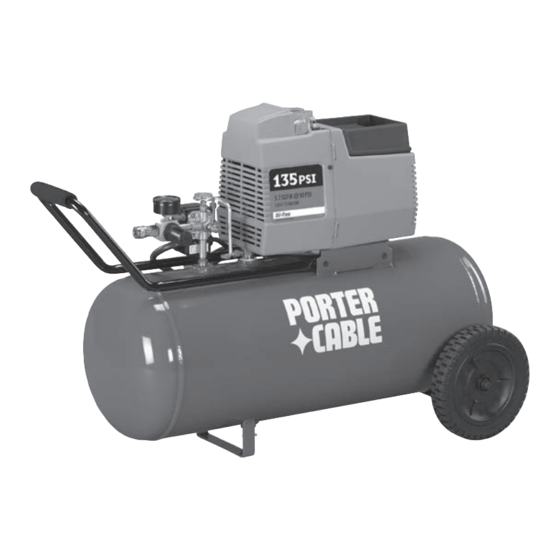
Parts replacement and when to call a pro for Porter Cable Air Compressor Troubleshooting
Some fixes are DIY friendly. Others need a technician.
- DIY parts to replace
- Check valve
- Pressure switch
- Regulator
- Unloader valve
- Gauges and fittings
- Call a pro if
- Motor hums but won’t turn. This can mean a seized pump or bad start capacitor.
- Tank shows visible rust or deep pitting. Tank failure is dangerous.
- Electrical issues persist after basic checks. A licensed electrician should inspect wiring.
- You detect unusual burning smells or smoke. Stop using the unit and get a pro.
I replaced a bad check valve once and saved hours. But I never touch tank welding. That job requires certified help.

Safety and best practices during Porter Cable Air Compressor Troubleshooting
Safety reduces risk. Follow these rules.
- Always depressurize the tank before work. Compressed air can injure or kill.
- Unplug the unit and lock out power when doing electrical checks.
- Use replacement parts rated for your model. Mismatched parts fail early.
- Avoid prolonged exposure to oil mist and noise. Use ear and respiratory protection.
- Keep children and pets away during repairs.
Treat the compressor like any electrical, pressurized device. Respect saves tools and people.
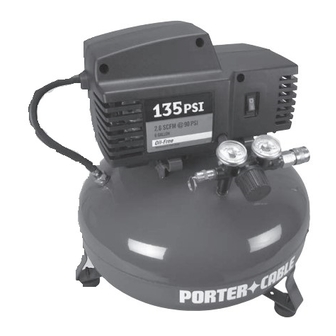
Troubleshooting examples and quick fixes
Practical scenarios I’ve seen often. Short fixes first, then deeper checks.
- Symptom: Compressor won’t start at all.
- Fix: Check outlet, reset breaker, test power cord, and press reset switch.
- Symptom: Compressor starts then stops quickly.
- Fix: Check for leaks and proper pressure switch settings. Replace switch if needed.
- Symptom: Tank loses pressure overnight.
- Fix: Spray soap solution on fittings. Replace leaking fitting or check valve.
- Symptom: Motor runs hot or trips breaker.
- Fix: Ensure adequate ventilation, check for dirty cooling fins, and test capacitor.
These examples show the order of checks for Porter Cable Air Compressor Troubleshooting. Start simple and move to complex steps.
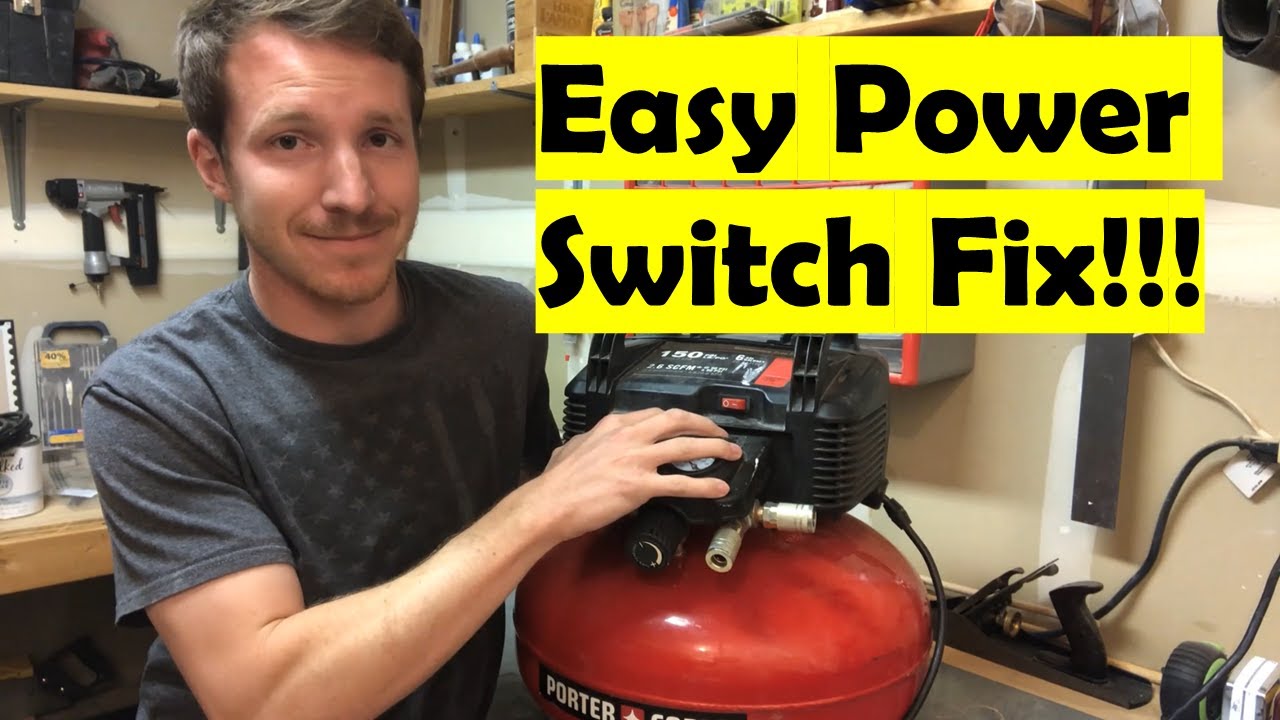
Troubleshooting checklist you can follow
Use this short list while you work. It keeps steps clear.
- Confirm power to the outlet.
- Release tank pressure and inspect visually.
- Test on/off switch and reset button.
- Spray soapy water on fittings for leaks.
- Inspect pressure switch and unloader valve.
- Check oil and filters.
- Replace suspect parts one at a time and retest.
A checklist helps prevent missed steps. I keep a printed copy near my compressor.
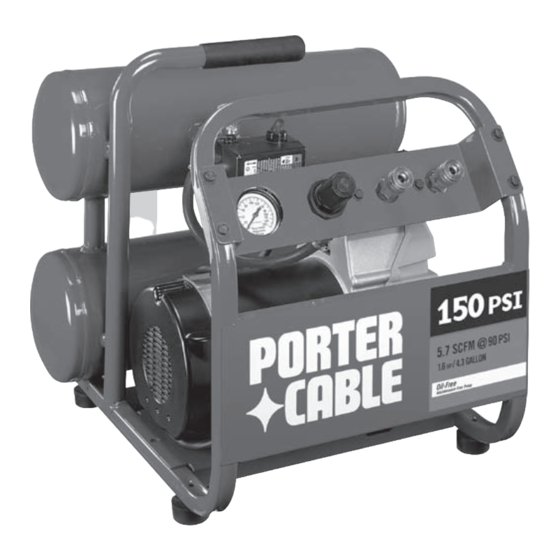
Frequently Asked Questions of Porter Cable Air Compressor Troubleshooting
Why won’t my Porter Cable air compressor start?
Check power first. Test the outlet and cord, then check the reset button and pressure switch. Replace the pressure switch if contacts are burned.
How do I find air leaks on my Porter Cable compressor?
Use a soapy water spray on fittings, valves, and the tank seam. Bubbles will form where air escapes.
How often should I change oil and filters?
Change oil per the owner’s manual, usually every 50–200 hours. Replace air filters every few months or sooner under heavy use.
What does short cycling mean and how do I fix it?
Short cycling is frequent on/off switching during use. Check for leaks, faulty pressure switch, or incorrect cut-in/cut-out settings.
Is my compressor tank safe if it has surface rust?
Light surface rust can be cleaned, but deep pitting weakens the tank. Have a pro inspect severe corrosion and consider tank replacement.
Can I replace the pressure switch myself?
Yes, many owners can swap the pressure switch. Always unplug, release tank pressure, and follow wiring diagrams when replacing it.
Conclusion
Porter Cable Air Compressor Troubleshooting gets easier with a clear plan. Start with power, check for leaks, inspect the pressure switch, and test valves. Keep routine maintenance and a log to cut future problems. If you hit electrical or tank issues, call a pro. Try the steps above, and share your experiences or questions below to help others fix their compressors too.

