

Most idle air control valve problems cause rough idle, stalling, or fluctuating RPMs.
I have spent years diagnosing and fixing idle control issues on a wide range of cars and light trucks. This guide on Idle Air Control Valve Troubleshooting explains what the valve does, how to spot a bad unit, step-by-step diagnostic checks, cleaning and replacement tips, and real-world advice from my shop experience. Read on and you’ll be able to diagnose common faults, avoid wasted parts, and get your engine idling smoothly again.

36% off Today’s Exclusive Deals
Limited-time Exclusive Deals. Check current discount on Amazon.
Check Price on Amazon As an Amazon Associate I earn from qualifying purchases.
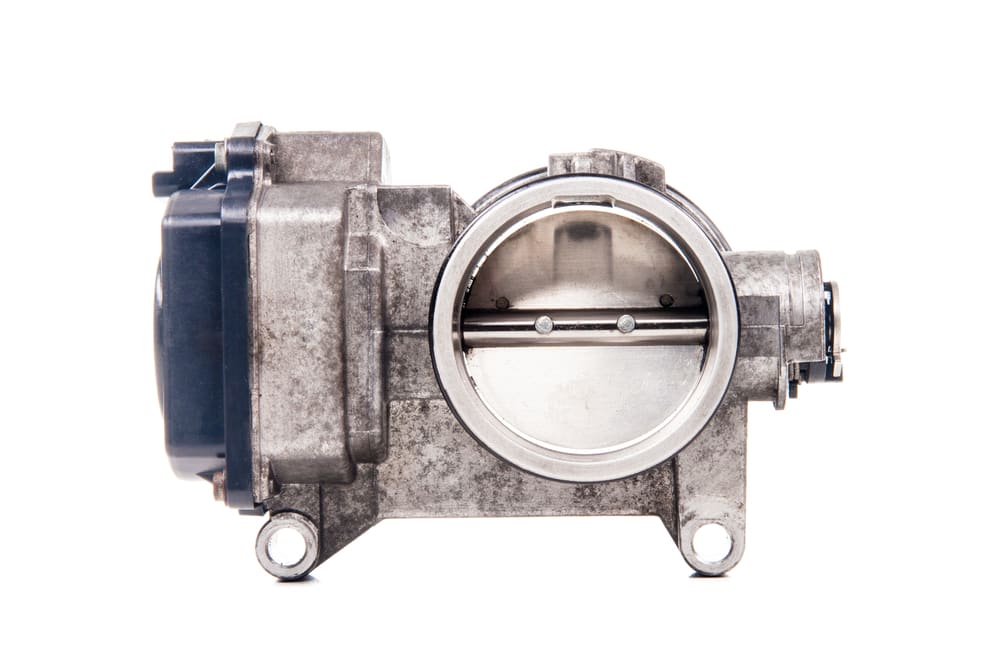
What is an Idle Air Control Valve?
The Idle Air Control Valve Troubleshooting starts with knowing what the valve does. The idle air control valve (IACV) meters air around the throttle plate at idle. Modern cars use it so the engine keeps steady RPM when the throttle is closed.
The IACV can be a pintle, stepper motor, or electronic solenoid depending on the vehicle. When it gets stuck or the circuit fails, idle problems follow quickly. Knowing the valve design helps with effective Idle Air Control Valve Troubleshooting.

Common Symptoms of a Failing Idle Air Control Valve
Recognizing symptoms helps prioritize Idle Air Control Valve Troubleshooting. Look for these common signs:
- Rough or erratic idle that fluctuates without driver input.
- Stalling immediately after you stop or when coming to a light.
- Idle surges when accessories like A/C kick on.
- Excessively high idle that won’t drop.
- Check engine light with codes related to idle or airflow.
Many of these symptoms overlap with vacuum leaks, throttle issues, or sensor faults, so systematic Idle Air Control Valve Troubleshooting is important to avoid misdiagnosis.
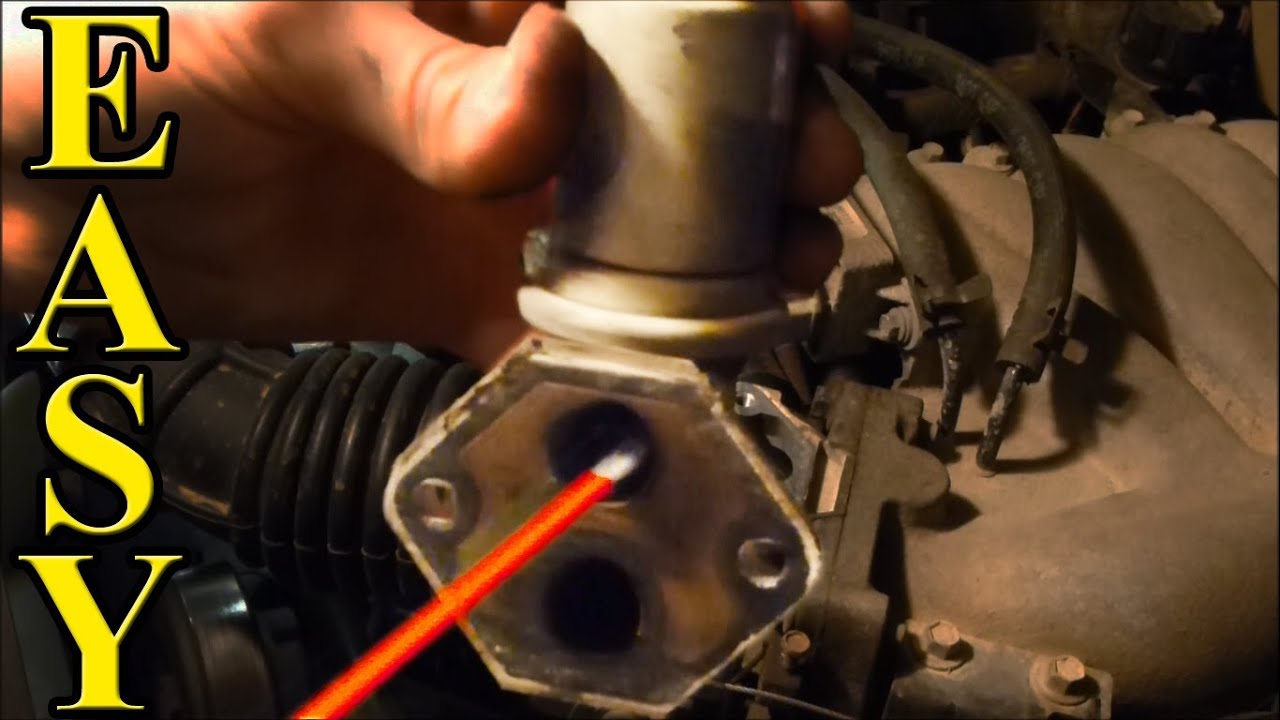
Causes Behind IACV Problems
Understanding causes makes troubleshooting faster and more accurate. Typical causes include:
- Carbon buildup from EGR and incomplete combustion that sticks the valve open or closed.
- Electrical faults such as broken wires, corroded connectors, or a failed motor.
- Mechanical wear in older units or contamination from oil and grime.
- Faulty PCM calibration or adaptive idle settings that need a relearn.
- Vacuum leaks or intake gasket issues that mimic IACV failure.
When doing Idle Air Control Valve Troubleshooting, rule out simpler issues like vacuum leaks before replacing parts. This saves time and money.
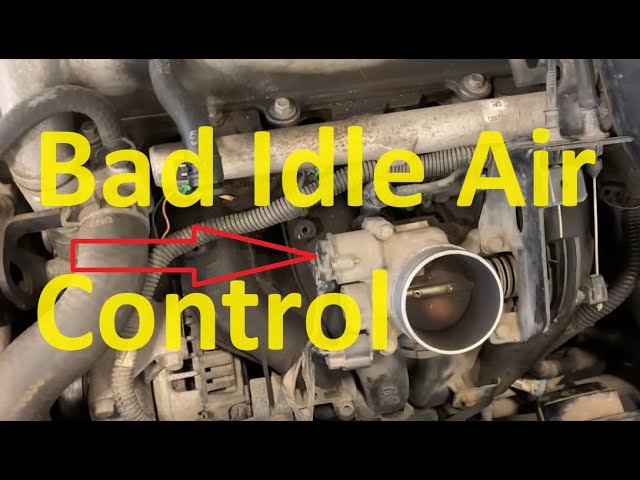
Tools and Safety for Idle Air Control Valve Troubleshooting
A small set of tools and a safe approach goes a long way. Recommended items:
- Basic hand tools: screwdrivers, ratchet set, and pliers.
- Multimeter for checking voltage and resistance.
- Clean throttle cleaner that’s safe on sensors and plastic.
- Shop rags, nitrile gloves, and safety goggles.
- OBD2 scanner to read trouble codes and live data.
Always disconnect the battery if you work on electrical connectors for extended time. Follow vehicle-specific torque specs and safety rules during Idle Air Control Valve Troubleshooting.
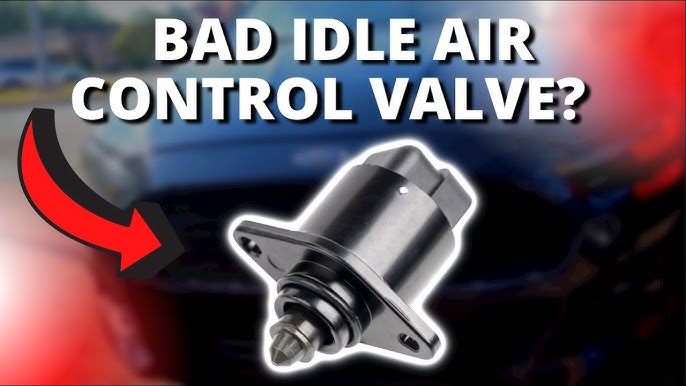
Step-by-Step Idle Air Control Valve Troubleshooting Guide
Follow a logical flow to find the real issue. Here is a tested sequence for Idle Air Control Valve Troubleshooting.
- Scan for codes
- Use an OBD2 scanner and note any codes like P0505 (idle control system) or related airflow sensors.
- Visual inspection
* Check vacuum hoses, intake boots, and the IACV harness for cracks, loose clamps, or corrosion. - Check for vacuum leaks
- Spray throttle-safe cleaner or use a smoke machine around intake and vacuum lines. Changes in idle indicate a leak.
- Inspect wiring and connectors
- Wiggle the harness while monitoring live data. Look for intermittent signals or open circuits.
- Test the IACV electrically
- Measure resistance across the valve terminals and compare to factory specs. Check for proper voltage when the ignition is on.
- Perform an idle relearn
- Some cars need a relearn procedure after battery disconnect or IACV cleaning. Follow model-specific steps.
- Clean the valve and throttle body
- Remove the IACV if accessible and clean carbon gently. Recheck idle behavior.
- Replace if necessary
- If resistance, motor operation, or internal damage is present, replace the valve and retest.
These steps reflect hands-on experience and reduce the chance of replacing parts that are not faulty. Proper Idle Air Control Valve Troubleshooting follows this order to be efficient.

Cleaning vs. Replacing: Decision Guide
Deciding whether to clean or replace the IACV is a common dilemma. Consider this checklist:
- Clean if the valve sticks, shows carbon on the pintle, and electrical tests within spec.
- Replace if resistance is out of range, there is burnt wiring, or the motor does not move.
- Replace if the valve is physically broken or internal bearings are seized.
- If the vehicle has a history of repeated failure within a short time, use an OEM-quality replacement.
A careful cleaning often restores function and is cheaper. However, saving a bad valve can cost more in shop time. Use measurable tests during Idle Air Control Valve Troubleshooting to make the call.

Preventive Maintenance and Best Practices
Simple maintenance lowers the chance of future idle issues. Key tips:
- Keep the intake and PCV system clean to reduce carbon buildup.
- Use quality fuel and follow regular tune-up intervals.
- Inspect and replace cracked vacuum hoses before they cause erratic idle.
- During throttle body service, clean surrounding intake passages too.
- After any idle air repairs, perform an idle relearn per the factory procedure.
Regular checks cut down on emergency repairs and prolong the life of the IACV. These preventive steps make future Idle Air Control Valve Troubleshooting easier.
Personal Experience and Lessons Learned
From years at the bench, a few practical lessons stand out for Idle Air Control Valve Troubleshooting:
- Lesson 1: Start simple. I once replaced an IACV on a car only to find a torn intake boot was the real culprit. Check hoses first.
- Lesson 2: Measure before replacing. A multimeter saved a customer from a wasted part by showing the valve coils were within spec.
- Lesson 3: Cleaning helps, but do it carefully. Aggressive scrubbing can damage a stepper motor or electrical contacts.
- Lesson 4: Follow relearn steps. Many modern PCMs adapt idle over time; skipping relearn can make a good valve seem bad.
These real-world experiences shaped my troubleshooting routine and reduce repeat shop visits for idle complaints.
Frequently Asked Questions of Idle Air Control Valve Troubleshooting
What does the idle air control valve do?
The idle air control valve meters air past the throttle plate when the throttle is closed. It maintains a stable idle by adjusting airflow based on load and engine needs.
How do I know if my IACV is bad?
Common signs are rough idle, stalling, surging RPMs, and check engine lights with idle-related codes. A clear diagnostic path involves visual checks, voltage/resistance tests, and cleaning attempts.
Can cleaning an IACV fix the problem?
Cleaning often helps when carbon buildup is the cause. If electrical tests show an open circuit or the motor doesn’t move, cleaning won’t fix the underlying fault.
Is Idle Air Control Valve Troubleshooting something I can do myself?
Yes, many basic checks like scanning codes, visual inspection, and cleaning can be DIY tasks. Use care with electrical testing and follow vehicle-specific procedures for safety.
How much does replacing an IACV cost?
Parts vary by make and model; labor adds to the expense. Cleaning is low cost, while replacement costs depend on whether the valve is OEM or aftermarket and local labor rates.
Will a vacuum leak show the same symptoms as a bad IACV?
Yes, vacuum leaks cause erratic idle and stalling that mimic IACV issues. Always check for leaks early in Idle Air Control Valve Troubleshooting to avoid misdiagnosis.
Conclusion
A clear, methodical approach to Idle Air Control Valve Troubleshooting saves time and money. Start with codes and visual checks, rule out vacuum leaks, test electricals, clean when appropriate, and replace when tests show failure. Apply the maintenance tips and relearn steps to avoid repeat problems. Try the steps shown here, and leave a comment with your vehicle model and symptoms if you’d like tailored help.

