

Champion generators often fail due to simple issues like fuel, spark, battery, or carburetor problems.
As a seasoned field technician and homeowner who has repaired dozens of portable units, I wrote this Champion Generator Troubleshooting Guide to help you find and fix common faults quickly. This guide walks through how Champion generators work, the most common causes of failure, clear step-by-step troubleshooting, maintenance tips, tool lists, and when to call a pro. Read on for practical, tested advice you can use today.

36% off Today’s Exclusive Deals
Limited-time Exclusive Deals. Check current discount on Amazon.
Check Price on Amazon As an Amazon Associate I earn from qualifying purchases.
Champion Generator Troubleshooting Guide: How Champion Generators Work
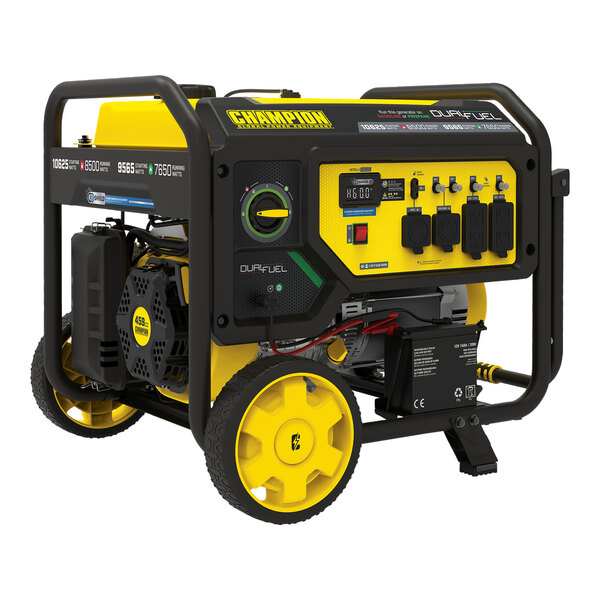
Champion portable generators use a small engine to turn an alternator. The engine needs fuel, air, spark, and compression to run. The alternator converts engine motion into electricity. A simple fault in any of these parts can stop output or cause poor performance.
Common models share similar layouts. You will find a fuel tank, carburetor, spark plug, battery (on electric-start models), recoil starter, and control panel. Knowing these parts helps you diagnose problems fast.
Champion Generator Troubleshooting Guide: Common Causes of Failure
Fuel problems are the most frequent cause. Old gas, clogged filters, or stale fuel gum up carburetors. Battery and starter faults are common on electric-start units. Weak batteries or corroded terminals lead to no-start conditions.
Ignition and spark issues cause misfires and hard starts. A fouled or damaged spark plug, bad ignition coil, or faulty wiring can stop spark. Alternator or regulator failures can allow the engine to run but give no power or unstable output.

Champion Generator Troubleshooting Guide: Step-by-Step Troubleshooting
Follow this order. It saves time and isolates simple problems first.
-
Check fuel and oil
- Confirm there is fresh gas. Drain old fuel older than 30 days.
- Check oil level and condition. Low oil often prevents starting.
-
Inspect spark and ignition
- Remove the spark plug. Look for fouling or carbon build-up.
- Test for spark by grounding the plug to the engine while cranking.
-
Test battery and starter (for electric start)
- Measure battery voltage. A fully charged 12V is about 12.6V.
- Check battery cables and terminals for corrosion.
-
Examine the carburetor and fuel delivery
- Look for clogged fuel lines or a blocked filter.
- If the engine ran poorly, consider cleaning or rebuilding the carburetor.
-
Check the air filter and intake
- A dirty air filter chokes the engine. Clean or replace it.
- Inspect the intake path for blockages.
-
Verify the alternator and output
- Use a multimeter to measure AC output at the receptacles.
- If AC is low or absent while engine runs fine, test the alternator and AVR.
-
Safety and sensors
- Some models have low-oil or overload sensors. Confirm these aren’t tripped.
- Reset or resolve any safety trips before retesting.
I often start with fuel and spark. In many cases, a quick spark plug swap and fresh gas restore function. This is part of my practical approach when using the Champion Generator Troubleshooting Guide in the field.
Champion Generator Troubleshooting Guide: Maintenance and Prevention
Routine care cuts downtime a lot. Do these checks every 3 months or after heavy use.
- Change engine oil after the first 20 hours, then every 100 hours or annually.
- Replace or clean the air filter every 100 hours or sooner in dusty conditions.
- Use fresh fuel or fuel stabilizer to avoid varnish in the carburetor.
- Run the generator monthly under load for 15-30 minutes to keep parts lubricated.
- Keep terminals clean and tighten fasteners. Vibration can loosen connections.
Proper storage is key. Drain the fuel or add stabilizer before long storage. Remove the battery and store it on a charger maintainer in cold months. These habits reduce most common failures cited in this Champion Generator Troubleshooting Guide.
Champion Generator Troubleshooting Guide: Parts, Tools, and Replacement Tips
Keep these tools on hand for quick fixes.
- Multimeter for voltage and continuity checks.
- Spark plug wrench and spare spark plugs.
- Small screwdriver set and socket set for fast access.
- Fuel line clamps and spare fuel filter.
- Carburetor cleaner and compressed air.
When to replace parts
- Replace spark plugs if worn, cracked, or fouled.
- Swap fuel lines if brittle or cracked.
- Replace the battery every 3–5 years depending on use and environment.
- Rebuild or replace the carburetor if cleaning does not resolve fuel flow issues.
Tip from my bench: mark the wires and take photos before you disconnect them. That saves time and stops accidental miswiring when reassembling.

Champion Generator Troubleshooting Guide: When to Call a Professional
Call a pro if you hit these limits.
- You see smoke, strong burning smells, or fluid leaks.
- The alternator or AVR needs testing or replacement; these require special tools.
- Engine runs but output is unstable after basic checks and resets.
- You are uncomfortable working with fuel or live electrical circuits.
A trained technician can test diode packs, stators, and the AVR safely. They also handle deep engine repairs like valve work or head gasket issues. I recommend seeking help rather than risking injury or damage when issues go beyond basic troubleshooting.
Frequently Asked Questions of Champion Generator Troubleshooting Guide
How do I know if my Champion generator needs new fuel?
If the generator sputters or won’t start and the fuel is older than 30 days, drain and replace it with fresh gasoline. Add a fuel stabilizer for longer storage.
Why does my generator start but not produce power?
If the engine runs but outlets have no voltage, check the circuit breaker, AVR, and alternator. Use a multimeter to confirm absence of output.
Can I clean the carburetor myself?
Yes, you can clean the carburetor for simple clogs, but a full rebuild is best done by someone with experience. Be careful with small jets and gaskets.
How often should I change the oil on a Champion generator?
Change oil after the first 20 hours, then every 100 hours or at least once per year for standby use. Check the manual for your model’s specific recommendation.
Is it safe to run a generator indoors during an outage?
No. Generators emit carbon monoxide. Always run outdoors and far from windows, doors, and vents.
Conclusion
This Champion Generator Troubleshooting Guide gives a clear path from diagnosis to repair. Start with fuel, spark, and battery checks. Move to carburetor, filters, and output testing if needed. Keep a small toolkit and follow simple maintenance steps to avoid most breakdowns. If a repair seems risky or the alternator is at fault, bring in a professional. Try these steps, leave a comment with your issue, or subscribe for more troubleshooting tips.

