

A practical, step-by-step Kawasaki Mule Troubleshooting Guide for common faults and fixes.
I have spent years maintaining and repairing utility side-by-sides, and this Kawasaki Mule Troubleshooting Guide pulls that hands-on experience together with service logic. If you own a Kawasaki Mule, this guide will help you identify symptoms, run quick checks, and perform straightforward fixes. Read on to learn how to diagnose starting issues, electrical faults, fuel problems, drivetrain noise, overheating, and routine maintenance so you can get back to work faster.

36% off Today’s Exclusive Deals
Limited-time Exclusive Deals. Check current discount on Amazon.
Check Price on Amazon As an Amazon Associate I earn from qualifying purchases.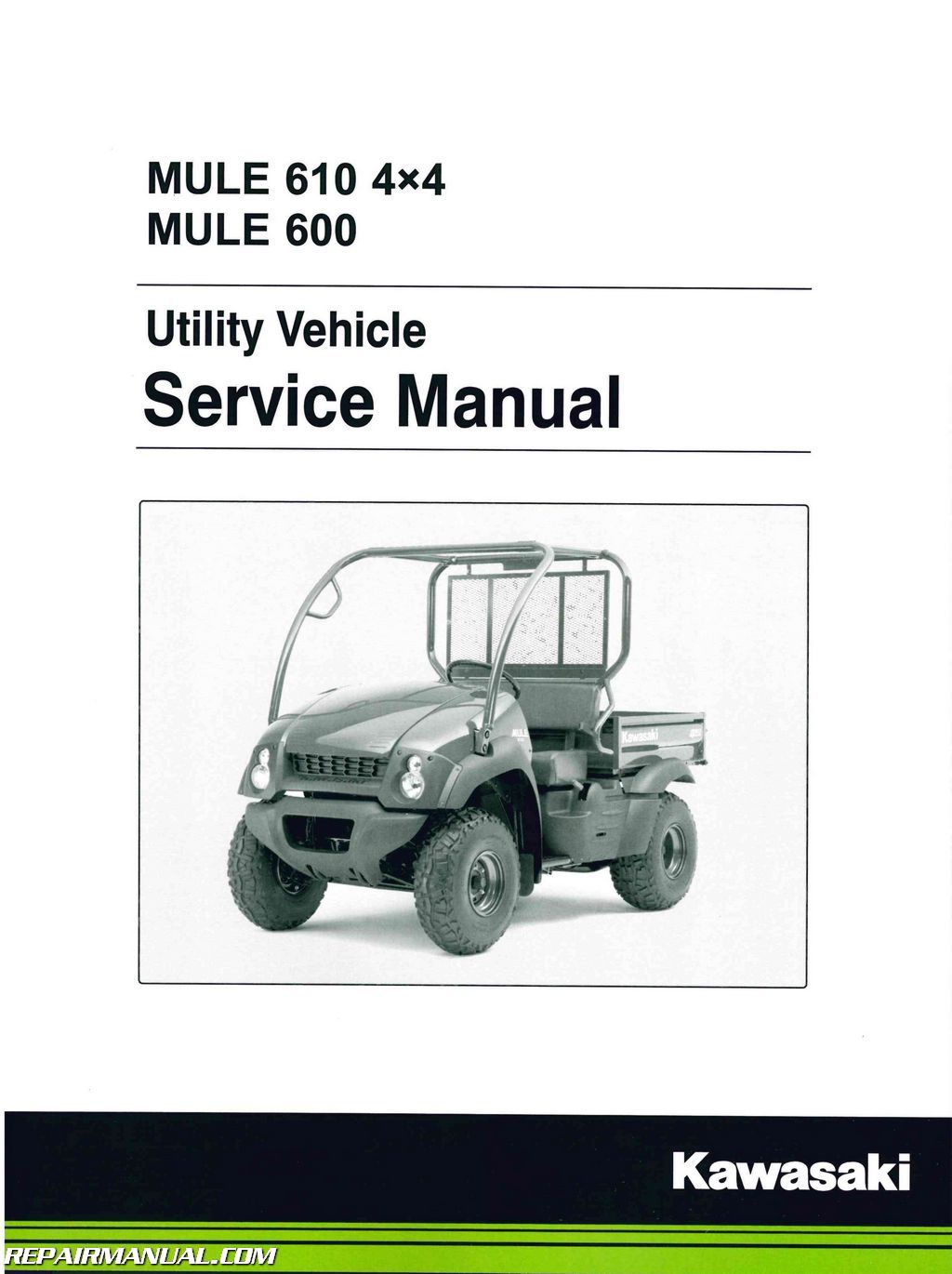
Common problems and quick checks
Owners often bring the same few issues to a shop. This Kawasaki Mule Troubleshooting Guide starts with fast checks you can do at the trailhead or barn. Begin with a visual inspection, a smell check, and a listen. These simple steps point to fuel, spark, compression, or electrical faults.
Key quick checks
- Check fuel level and smell for stale gas.
- Inspect battery voltage and cable tightness.
- Listen for unusual clicks, knocks, or grinding.
- Look for loose hoses, damaged wiring, and oil leaks.
Why quick checks matter
- They narrow down causes fast.
- They save time and prevent needless part swapping.
- They help you decide if a job is DIY or needs a shop.

Fuel and starting issues
Starting problems are the most common reason people consult a Kawasaki Mule Troubleshooting Guide. Fuel delivery and ignition are the usual suspects. Use a step-by-step approach to isolate the fault.
Step-by-step fuel and start checks
- Confirm fresh fuel and proper fuel level.
- Inspect fuel filter and lines for clogs or cracks.
- Check fuel pump operation by listening or testing pressure.
- Inspect the spark plugs for fouling or wear.
- Test ignition coil and kill switch continuity if no spark.
Common causes and fixes
- Old gas: drain and replace with clean fuel.
- Clogged fuel filter: replace filter and clean tank if needed.
- Bad spark plug: replace with correct gap and heat range plug.
- Weak battery: charge or swap battery before deeper diagnosis.
Personal tip: If a Mule cranks but won’t start, I always squirt a small amount of fresh fuel into the intake or spray starting fluid. If it fires briefly, you know the ignition is OK and the issue is fuel delivery.

Electrical problems and diagnostics
Electrical gremlins can be frustrating. This Kawasaki Mule Troubleshooting Guide covers how to test charging, starting, and accessory circuits safely and logically.
Basic electrical diagnostics
- Measure battery voltage at rest and while cranking.
- Check charging voltage while running (12.6V resting, 13.5–14.8V charging).
- Inspect grounds and terminal corrosion.
- Use a multimeter to test fuses, relays, and switches.
Common electrical failures
- Corroded battery terminals causing high resistance.
- Fuse or relay failures interrupting circuits.
- Stator or regulator/rectifier failures draining battery.
- Damaged wiring from rodents or abrasion.
Practical example: I once fixed a Mule that stalled under load. The problem was a failing regulator that undercharged the battery. Replacing the regulator solved the stalls and restored stable charging.
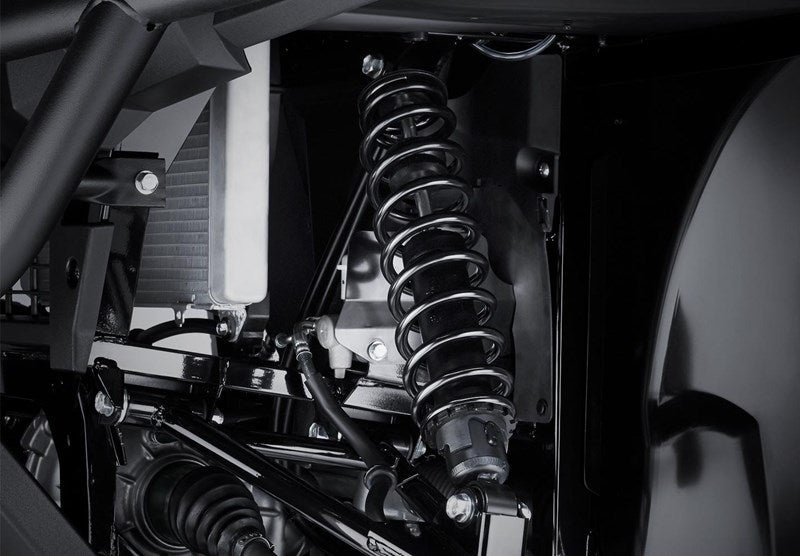
Engine performance and overheating
Poor engine performance and overheating are signs you should follow this Kawasaki Mule Troubleshooting Guide closely. Cooling, airflow, and combustion must all be healthy.
Checks for performance issues
- Check air filter and clean or replace.
- Inspect cooling fins, radiator, and coolant level.
- Test compression to rule out valve or ring wear.
- Check carburetor or fuel injection components for blockages.
Overheating causes and remedies
- Low coolant: top up and inspect for leaks.
- Blocked radiator fins: clean with compressed air or water.
- Faulty thermostat or water pump: test and replace if needed.
- Lean air-fuel mix: adjust carburetor or check injector function.
Personal insight: After a long summer of heavy towing, I learned to clean radiator fins every month. A few minutes of cleaning prevents hot spots and saves an engine.

Transmission, clutch, and drivetrain issues
Noises, slipping, and shifting concerns call for this part of the Kawasaki Mule Troubleshooting Guide. Address drivetrain issues early to avoid costly repairs.
What to inspect
- Check gear oil level and condition in the transmission and differential.
- Listen for grinding or whining under load.
- Inspect CV boots, U-joints, and belts for wear.
- Test clutch operation and cable adjustment.
- Change old gear oil and replace seals to stop leaks and reduce wear.
- Replace worn belts or clutch shoes per the service manual.
- Rebuild or service differentials with worn bearings.
- Adjust clutch cable per spec to restore engagement.
Quick tip: A whining differential often points to low oil or worn bearings. Don’t ignore it—bearing failure leads to major repairs.
Suspension, brakes, and tires
Handling and safety depend on these systems. This Kawasaki Mule Troubleshooting Guide covers simple checks and tune-ups.
Inspection checklist
- Check tire pressure and tread condition.
- Inspect brake pads, rotors, and hydraulic lines for wear or leaks.
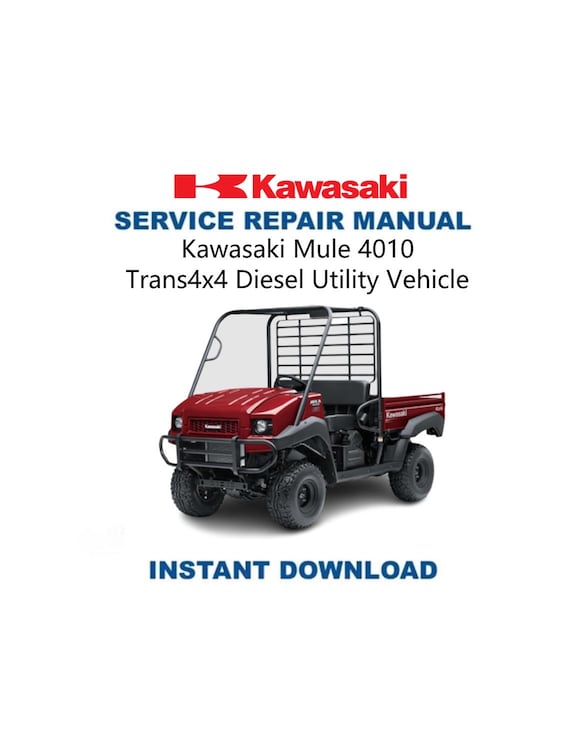
- Examine shocks and bushings for damage or play.
- Check steering tie rods and ball joints for looseness.
Maintenance and fixes
- Replace pads before they reach metal.
- Bleed brakes if spongy pedal feel persists after checking pads.
- Rebuild or replace shocks showing oil leaks or sagging.
- Rotate tires and align steering to prevent uneven wear.
Real-world note: I once tracked a vibration to a loose wheel bearing. Tightening fasteners was a temporary fix, but bearing replacement solved the issue for good.

Preventive maintenance checklist
A structured maintenance plan reduces visits to this Kawasaki Mule Troubleshooting Guide. Scheduled care keeps your Mule reliable.
Weekly checks
- Battery terminals and fuel level.
- Tire pressure and quick visual inspection for leaks.
- Clean air filter if used in dusty conditions.
Monthly checks
- Change engine oil and check oil filter.
- Inspect drive belts and clutch components.
- Clean radiator and check coolant level.
Seasonal or annual tasks
- Replace fuel filter and inspect fuel tank.
- Service carburetor or injectors if performance lags.
- Replace brake fluid and check all hoses.
Practical advice: Keep a simple maintenance log. Tracking dates and hours saves time and helps diagnose repeat issues faster.
Troubleshooting workflow and tips
A method helps you avoid guesswork. Use this workflow from the Kawasaki Mule Troubleshooting Guide to save time and money.
Step-by-step troubleshooting workflow
- Identify the symptom and recreate it reliably.
- Perform quick checks (fuel, battery, obvious damage).
- Isolate systems: fuel, ignition, electrical, mechanical.
- Test components rather than replacing randomly.
- Repair, then re-test to confirm the fix.
Tips for efficient repairs
- Keep basic tools and a multimeter in a small toolbox on the Mule.
- Document tests and results to track intermittent faults.
- Use OEM specs for torque, gaps, and fluid types.
- When in doubt, consult the service manual or a trained technician.
PAA-style questions
Why won’t my Mule start but the battery is good?
A good battery only ensures cranking power. Check spark, fuel delivery, and safety switches. Bypass a suspect kill switch briefly to test ignition.
How often should I change the oil on a Kawasaki Mule?
Change oil every 50–100 hours depending on your model and use. Heavy work requires more frequent oil changes.
What causes overheating on a Mule during low-speed work?
Low-speed overheating often comes from blocked airflow, low coolant, or a failing thermostat. Clean the radiator and verify coolant flow.

Frequently Asked Questions of Kawasaki Mule Troubleshooting Guide
What should I do if my Mule cranks but won’t start?
Check for spark and fuel. Test spark plugs and inspect the fuel pump and filter. Verify safety switches and fuel cutoff settings.
How do I test the charging system on my Mule?
Measure battery voltage at idle and at higher RPM. You should see around 13.5–14.8 volts when charging. Inspect stator and regulator if it’s low.
Why is my Mule losing power while climbing hills?
Loss of power uphill can be clogged air filter, weak fuel pump, or ignition timing issues. Check airflow and fuel pressure first.
How often should I replace the air filter?
Replace or clean the air filter every 25–50 hours in dusty use. Inspect it more often if riding in heavy dust or mud.
What steps stop an overheating engine quickly?
Pull over, let the engine idle, and shut it down when safe. Check coolant and radiator fins. Do not open a hot radiator cap; wait for it to cool.
Conclusion
This Kawasaki Mule Troubleshooting Guide gives you a clear path from simple checks to deeper diagnostics. Follow logical steps, keep a maintenance log, and use proper tools to save time and money. Start with the fast checks, isolate systems, and test components before replacing them. Take action today: perform the basic inspections listed here, subscribe for service reminders, or leave a comment with your Mule symptom and I’ll help diagnose it.

