

A practical, step-by-step John Deere Tractor Troubleshooting Guide for common faults.
I’ve spent years fixing tractors and writing repair guides, so this John Deere Tractor Troubleshooting Guide brings practical steps, clear checks, and real tips you can use today. Read on to learn how to diagnose common faults, save time on repairs, and keep your John Deere tractor running reliably.

36% off Today’s Exclusive Deals
Limited-time Exclusive Deals. Check current discount on Amazon.
Check Price on Amazon As an Amazon Associate I earn from qualifying purchases.
Common issues and symptoms
Most users face the same set of issues with John Deere tractors. These include hard starting, loss of power, overheating, hydraulic slowness, and electrical faults. Spotting symptoms early saves parts and time. Knowing the normal sounds and behaviors of your model helps you find the root cause fast.
- Hard starting or no start
- Loss of power or rough running
- Overheating or coolant loss
- Slow or weak hydraulics
- Electrical faults and blown fuses
I once responded to a neighbor’s tractor that would not idle. A simple fuel filter change and air bleed fixed it in 30 minutes. Small checks often save big headaches.

Diagnostic checklist: step-by-step
Follow a structured checklist to narrow down issues. Work from simple to complex. That avoids unnecessary part swaps.
- Visual check
- Look for leaks, loose wires, cracked hoses, and low fluids.
- Check tire pressure and obvious damage.
- Fluid and filter checks
- Confirm engine oil, coolant, hydraulic oil, and fuel levels.
- Inspect filters for contamination.
- Battery and electrical test
- Check battery voltage and terminal cleanliness.
- Test starter draw and alternator output.
- Fuel delivery test
- Confirm fuel reaches the injector pump.
- Check for clogged filters or air in the fuel line.
- Compression and engine health
- Perform a compression or leak-down test if rough running persists.
People also ask:
How do I quickly tell if a fuel problem exists?
Try priming the system and checking for fuel at the fuel pump inlet. No fuel flow often points to clogged filters or tank pickup issues.
What indicates an electrical problem?
Dimming lights, slow cranking, or erratic gauges point to battery, starter, or charging system faults.
Keep notes as you test. A simple log helps track intermittent faults and the solutions you tried.

Engine and fuel system troubleshooting
Engines fail to start or run poorly for a few common reasons. Work methodically to find the cause.
- Air in the fuel system
- Symptoms: hard start, stalling after prime.
- Fix: bleed air at banjo fittings or fuel lines per model procedure.
- Dirty or clogged fuel filters
- Symptoms: loss of power under load, stalling.
- Fix: replace primary and secondary fuel filters using correct parts.
- Bad injectors or injection pump
- Symptoms: rough idle, excessive smoke, poor fuel economy.
- Fix: test injector spray pattern and consult dealer for pump service.
- Low compression or valve issues
- Symptoms: slow crank, white smoke, loss of power.
- Fix: compression test, valve adjustment, or engine overhaul as needed.
From experience, always replace fuel filters with the engine warm and use clean tools to avoid introducing dirt. A poorly bled system is the top reason for repeated no-start calls.

Electrical, starting, and charging issues
Electrical faults are common and usually fixable with simple checks. Confirm basics before replacing major parts.
- Battery and terminals
- Check voltage: 12.6V or higher at rest for a healthy battery.
- Clean corrosion and ensure tight connections.
- Starter and solenoid
- Poor cranking can be a weak starter, bad solenoid, or poor ground.
- Tap test cautiously, then bench test starter if needed.
- Alternator and charging
- Test charging voltage while running: typically 13.8–14.5V.
- Replace regulator or alternator if charging is inconsistent.
- Wiring and fuses
- Inspect harnesses for rodent damage or chafing.
- Replace blown fuses and trace for short circuits.
A trick I use: keep a small battery charger and a multimeter in the tractor toolbox. They solve half of the roadside calls.

Hydraulics, PTO, and transmission
Hydraulic slowdown and PTO problems reduce productivity. Investigate fluid, filter, and control issues.
- Low hydraulic fluid
- Symptoms: slow implement response and heat in reservoir.
- Fix: top to the correct level with the specified oil.
- Dirty hydraulic filter or tank contamination
- Symptoms: erratic operation, squeal, or jerky motion.
- Fix: change filters and consider flushing if contaminated.
- Valve block and relief settings
- Symptoms: pressure loss and lack of lift.
- Fix: test pressure, adjust or repair spool valves and relief valves.
- PTO and clutch
- Symptoms: slipping PTO, excessive clutch wear, no engagement.
- Fix: check linkages, adjust clutch, and replace worn plates as needed.
- Transmission faults
- Symptoms: gear slipping, hard shifts, odd noises.
- Fix: check fluid levels and condition, consult manual for service intervals.
Hydraulic hoses age fast. I once found cracked return hoses causing intermittent loss of lift. Regular inspection prevents sudden failures.
Preventive maintenance and tips
A good maintenance routine reduces troubleshooting time and repair costs. Simple habits make tractors reliable.
- Daily checks
- Inspect fluid levels, lights, and tires before use.
- Listen for unusual noises while warming up.
- Scheduled service
- Follow oil, filter, and coolant change intervals from the manual.
- Replace belts, hoses, and filters proactively.
- Clean air intake and radiators
- Keep the radiator and inlet screens free of debris.
- Clean or replace air filters more often in dusty conditions.
- Store and winterize properly
- Use fuel stabilizer and full fluids for off-season storage.
- Protect batteries and electronics from freezing.
I once logged every service for a fleet. It cut downtime by half in one season. A simple checklist posted in the tractor cab helps operators follow steps.
Tools, parts, and resources
Having the right tools and parts helps you diagnose quickly. Invest in basics and a few specialty items.
- Essential tools
- Multimeter, socket set, torque wrench, compression tester, and fuel pressure gauge.
- Specialty items
- Injector tester, hydraulic pressure gauge, battery load tester, and valve adjustment tools.
- Parts to keep on hand
- Fuel and oil filters, belts, fuses, starter relay, and a spare battery post if feasible.
- Manuals and support
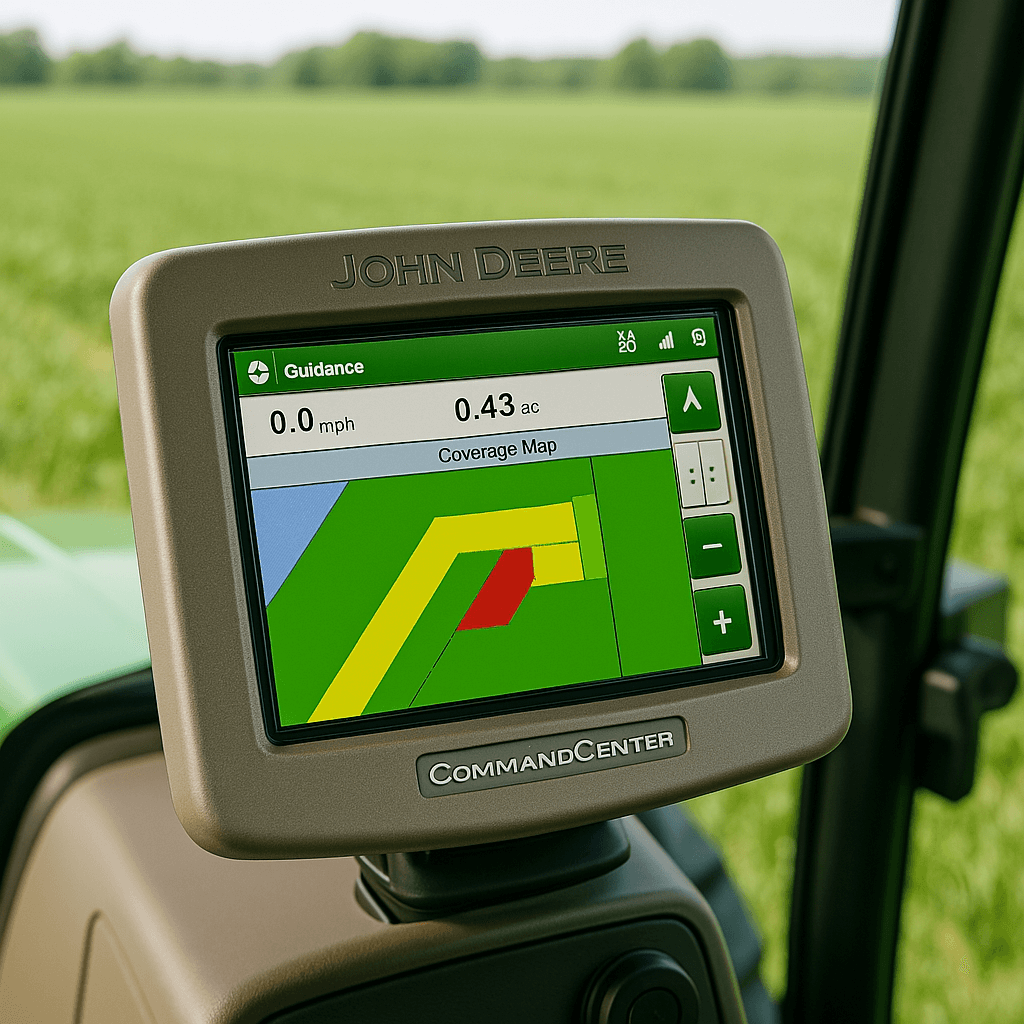
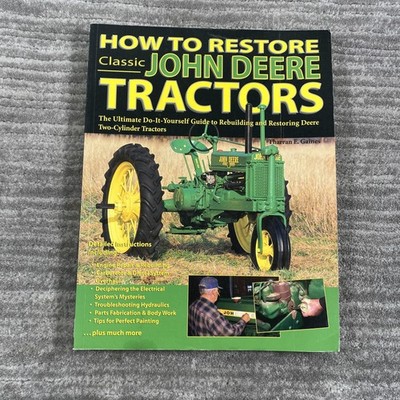
- Keep the model service manual and wiring diagrams handy.
- Use dealer scanning tools for fault codes on electronically controlled units.
I recommend a small, well-organized kit in the tractor. It speeds up roadside fixes and keeps work safer.

Frequently Asked Questions of John Deere Tractor Troubleshooting Guide
What should I check first when my John Deere tractor won't start?
Start with the battery, fuel supply, and air in the fuel lines. These are common and quick checks that solve most no-start issues.
How often should I change fuel and oil filters?
Follow the model manual, but generally change engine oil and filter every 100–250 hours and fuel filters every 200 hours or sooner in dirty conditions.
Why is my tractor overheating?
Overheating often stems from low coolant, clogged radiator, failed thermostat, or weak water pump. Check coolant level and radiator cleanliness first.
What causes slow hydraulic response?
Low fluid, contaminated oil, clogged filters, or failing hydraulic pump can cause slow response. Check fluid levels and filter condition first.
When should I consult a dealer or professional?
Consult a dealer for complex engine diagnostics, injection pump service, or transmission rebuilds. Seek help when tests show low compression or electronic faults you cannot isolate.
Conclusion
This John Deere Tractor Troubleshooting Guide gives clear steps to find and fix common faults. Use the diagnostic checklist, start with simple checks, and keep a basic tool kit on hand. Regular maintenance and careful notes will prevent repeat problems and save money.
Take action today: create a short pre-start checklist for your tractor, keep key spare parts, and practice a few basic tests. If you found this guide useful, subscribe for more tips or leave a comment with your toughest tractor problem.

