

Modine heater issues often stem from power, thermostat, fuel, or airflow problems.
I have worked with commercial and garage heaters for years. This Modine Heaters Troubleshooting Guide gathers practical checks, step-by-step fixes, and safety tips. Read on to diagnose common faults, avoid costly mistakes, and get your Modine heater back to steady, efficient heat.

36% off Today’s Exclusive Deals
Limited-time Exclusive Deals. Check current discount on Amazon.
Check Price on Amazon As an Amazon Associate I earn from qualifying purchases.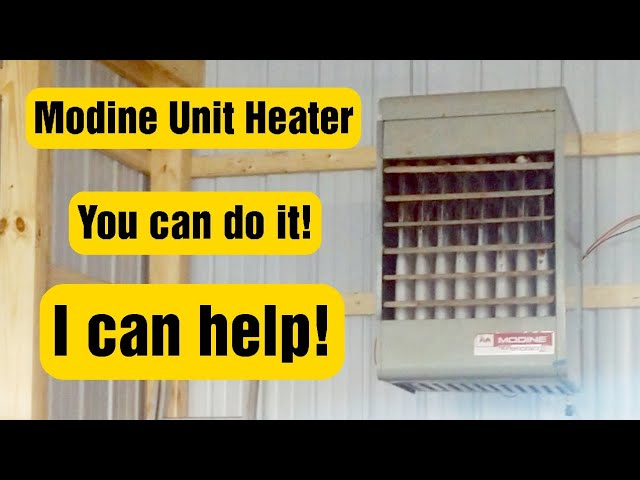
How Modine Heaters work: quick primer for troubleshooting
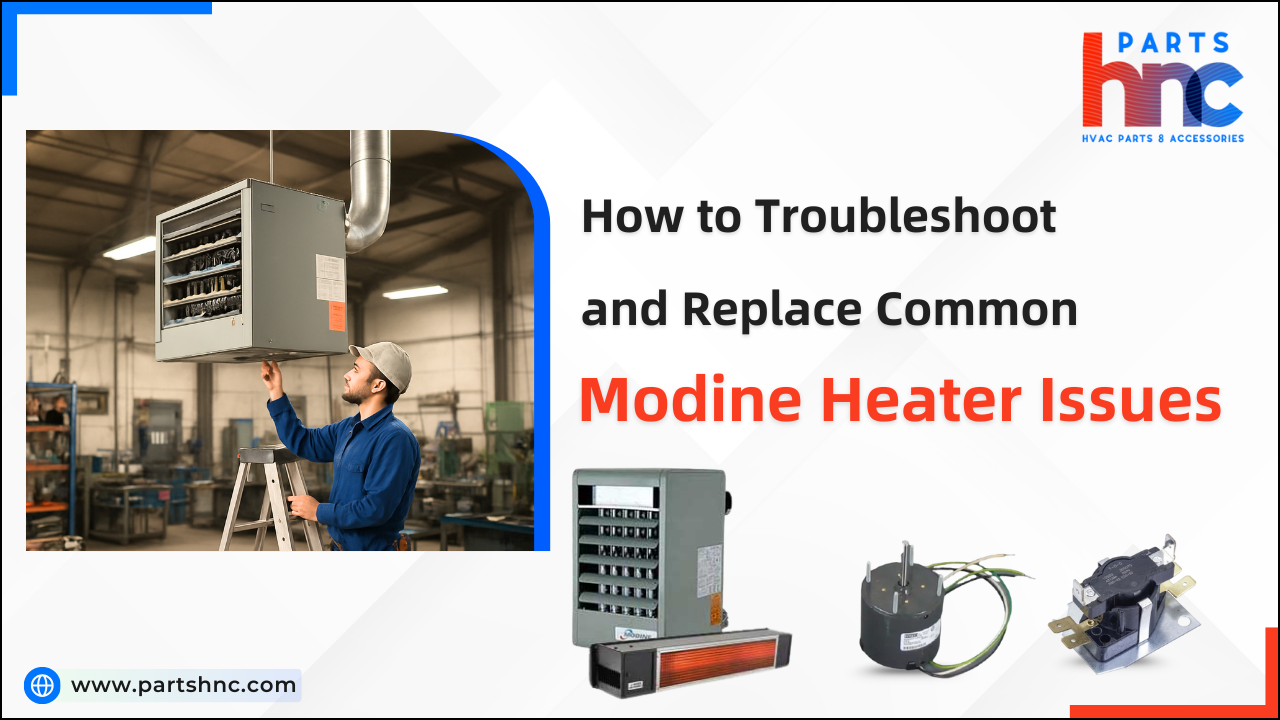
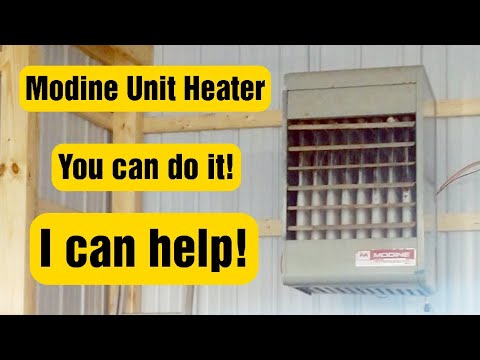
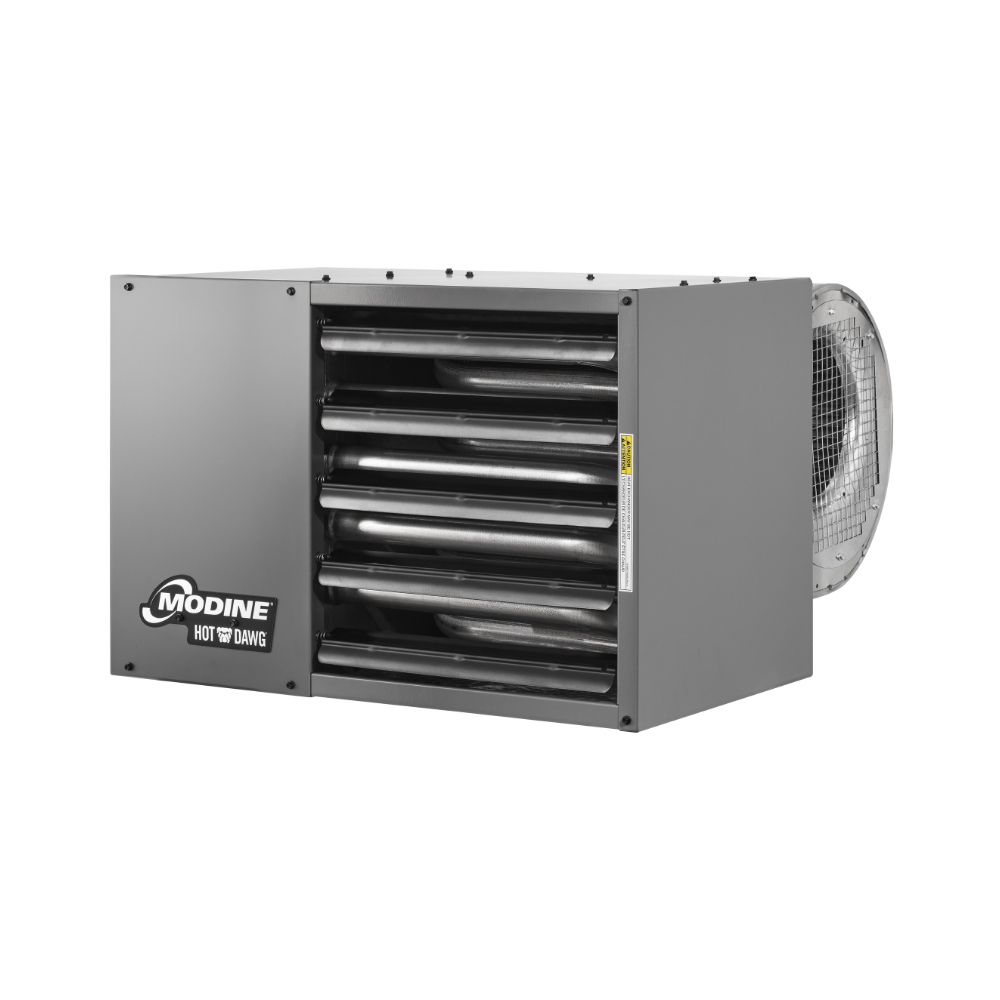
Modine heaters use gas or electric elements, a combustion or heating chamber, and a blower to move warm air. Controls include a thermostat, safety switches, and sometimes electronic ignition. Knowing each part helps you isolate faults fast.
What you will find in this Modine Heaters Troubleshooting Guide:
- Simple checks to run first
- Stepwise diagnostics for common faults
- Maintenance tips that prevent repeat problems
- Safety checks and when to call a pro
I’ll share real-world tips from hands-on service work. You’ll learn what to try and what to stop doing. Use this guide as your go-to checklist for Modine heater issues.
Common symptoms and likely causes
Identifying the symptom narrows the cause quickly. Below are frequent signs and probable reasons in plain language.
No heat at all
- Power or gas supply is off, fuse blown, or main switch tripped.
- Thermostat is bad or set incorrectly.
- Ignition or pilot assembly is failing.
Intermittent heat
- Loose wiring, failing thermostat, or clogged air filter.
- Overheating shutdowns from blocked airflow or blocked venting.
Strange noises
- Worn bearings in blower motor, loose panels, or debris in the blower wheel.
- Combustion rumble can mean delayed ignition.
Unpleasant odors
- Burnt dust on startup is normal briefly. Strong gas smell needs immediate action.
- Oil or fuel smell suggests combustion or fuel leaks.
Short cycling (turns on and off rapidly)
- Thermostat placement or settings, oversized unit, or poor airflow.
- Safety limits tripping due to dirty heat exchangers or blocked venting.
This Modine Heaters Troubleshooting Guide focuses on these symptoms and how to test for each cause.

Tools and safety checklist before troubleshooting
Always put safety first. Use these tools and checks before you start.
Essential tools
- Multimeter for voltage and continuity checks.
- Screwdrivers, nut drivers, and a flashlight.
- Soft brush and vacuum for cleaning surfaces.
Safety steps
- Turn off power at the breaker before opening panels.
- Shut gas supply off for gas-fired units when inspecting combustion parts.
- Wear gloves and eye protection.
- If you smell gas, leave the area and call the gas company or emergency services.
Keeping it safe lets you test more without risk. This part of the Modine Heaters Troubleshooting Guide is about protecting you and the heater.
Step-by-step troubleshooting: power, control, and thermostat
Start with the simplest items. These are fast to check and often fix the issue.
- Check power and switches
- Verify the heater has the correct voltage at the breaker.
- Confirm the on/off switch and any external disconnects are on.
- Inspect the thermostat
- Ensure thermostat batteries (if any) are fresh.
- Verify thermostat wiring for loose connections.
- Bypass the thermostat temporarily to see if the heater runs.
- Test control board and safety switches
- Look for tripped limit switches or fuse-type safeties.
- Check control board LEDs or indicator lights for fault signs.
If none of these fixes the issue, move on to ignition and fuel checks in this Modine Heaters Troubleshooting Guide.

Ignition, pilot, and fuel supply checks (for gas models)
Gas-fired Modine heaters have specific parts that commonly fail. Check these in order.
Pilot and ignition
- Electronic ignition: listen for the spark or click when the thermostat calls.
- Standing pilot: ensure it is lit and stable.
Gas supply and valves
- Confirm gas supply at the unit and that the valve is open.
- Inspect the gas line visually for signs of damage.
Combustion air and venting
- Make sure intake screens and vent paths are clear.
- Blocked vents cause poor combustion and safety shutoffs.
If you smell gas, stop and call a pro. Fuel and combustion checks are a core section of this Modine Heaters Troubleshooting Guide.
Airflow, filters, and blower motor troubleshooting
Proper airflow is essential for heating performance. Low airflow causes many symptoms.
Filter and duct checks
- Replace or clean filters. Dirty filters restrict airflow.
- Inspect ductwork for closed dampers or blockages.
Blower motor and wheel
- Check blower wheel for debris and clean if needed.
- Listen for motor bearings. Squeals or grinding means replacement.
Belts and pulleys (older models)
- Check belt tension and wear.
- Replace loose or glazed belts.
Good airflow fixes many short-cycling and overheating issues discussed in this Modine Heaters Troubleshooting Guide.

Noise, vibration, and mechanical faults
Noise often points to a mechanical problem you can fix without deep disassembly.
Common fixes
- Tighten loose panels and mounting bolts.
- Balance or clean the blower wheel to reduce vibration.
- Replace worn bearings or damaged fans.
When to replace parts
- Replace motors when repair cost approaches replacement cost.
- Use OEM or equivalent parts to keep safety features intact.
A calm, measured inspection solves most noise problems in this Modine Heaters Troubleshooting Guide.
Odors, combustion quality, and safety issues
Combustion problems need quick attention. Some smells are normal; others are dangerous.
Normal startup smell
- A faint dusty smell on first startup after a long idle is normal and brief.
Danger signs
- Strong gas smell requires evacuation and a gas company call.
- Continuous soot or yellow flame means bad combustion. Turn off the heater and call a technician.
Carbon monoxide risk
- Install CO detectors near occupied spaces.
- If CO is suspected, evacuate and get professional testing.
Safety is the top priority in this Modine Heaters Troubleshooting Guide.
Routine maintenance to prevent problems
Regular care keeps a Modine heater running well. Here’s a simple schedule.
Monthly
- Check filters and clean if needed.
- Inspect visible wiring and the unit area for obstructions.
Annually
- Have a qualified tech clean the burner, heat exchanger, and venting.
- Test safety controls, ignition, and gas pressure.
Record keeping
- Track dates of service, parts changed, and unusual symptoms.
- A simple log helps spot recurring issues and reduces downtime.
Routine maintenance is the best investment in the Modine Heaters Troubleshooting Guide.
When to call a professional and repair estimates
Some jobs need licensed help. Know your limits.
Call a pro when
- You smell gas or detect CO.
- You find cracks in the heat exchanger.
- Electrical or gas line work is required.
What to expect on a service call
- A technician will run safety and combustion tests.
- Expect a straightforward diagnostic fee and a clear estimate.
Being honest about your skill level keeps you safe and saves money in the long run. This section of the Modine Heaters Troubleshooting Guide shows when to step back.
Personal tips, mistakes to avoid, and lessons learned
From years in the field, here are practical tips I use and teach.
What worked for me
- Always start with power and thermostat checks. They fix many issues.
- Keep a small toolkit and a log of service history for each unit.
- Trying to work on gas valves without shutting off fuel.
- Ignoring odd noises until a small repair becomes a major job.
Final tip
- Small, regular checks prevent most emergency calls. This personal insight comes directly from hands-on experience with Modine units and improves uptime.
Frequently Asked Questions of Modine Heaters Troubleshooting Guide
What should I check first if my Modine heater won't turn on?
Check power at the breaker and the heater's on/off switch. Then verify the thermostat and any external disconnects.
How often should I change the filter on my Modine heater?
Check filters monthly and change when dirty. Most setups need a filter change every 1 to 3 months depending on use.
Why does my Modine heater short cycle?
Short cycling often comes from blocked airflow, a faulty thermostat, or overheating safety limits. Clean filters and check vents.
Is it safe to clean the burner or heat exchanger myself?
Basic surface cleaning is okay if the unit is powered and gas is off. Deep cleaning or heat exchanger work should be done by a qualified technician.
When do I need to replace the blower motor?
Replace the blower motor if it makes loud noises, fails to start, or draws excess current. A tech can verify motor health with tests.
How do I know if there's a gas leak near my Modine heater?
Strong gas odor, hissing sounds, or dead vegetation near external lines indicate a leak. Evacuate and call the gas company immediately.
Conclusion
This Modine Heaters Troubleshooting Guide gives clear steps to diagnose and fix common faults. Start with simple checks: power, thermostat, filters, and airflow. Stay safe, keep a maintenance log, and call a licensed technician for gas, combustion, or major electrical work. Try the checks here, apply the tips, and you'll reduce downtime and extend your heater’s life. If this guide helped, leave a comment, subscribe for more tips, or schedule a professional inspection for peace of mind.

