

Most Jandy AquaPure issues stem from power, flow, or sensor problems—simple checks often fix them.
I’ve worked with pool systems for years and have troubleshot dozens of Jandy AquaPure units. This guide gives clear, experience-backed steps to diagnose and fix common faults. You will learn how the AquaPure sanitizes water, common symptoms to watch for, step-by-step fixes, maintenance tips, and when to call a pro. Read on to save time and keep your pool healthy with practical advice from hands-on experience.

36% off Today’s Exclusive Deals
Limited-time Exclusive Deals. Check current discount on Amazon.
Check Price on Amazon As an Amazon Associate I earn from qualifying purchases.
How Jandy AquaPure Works and what can go wrong
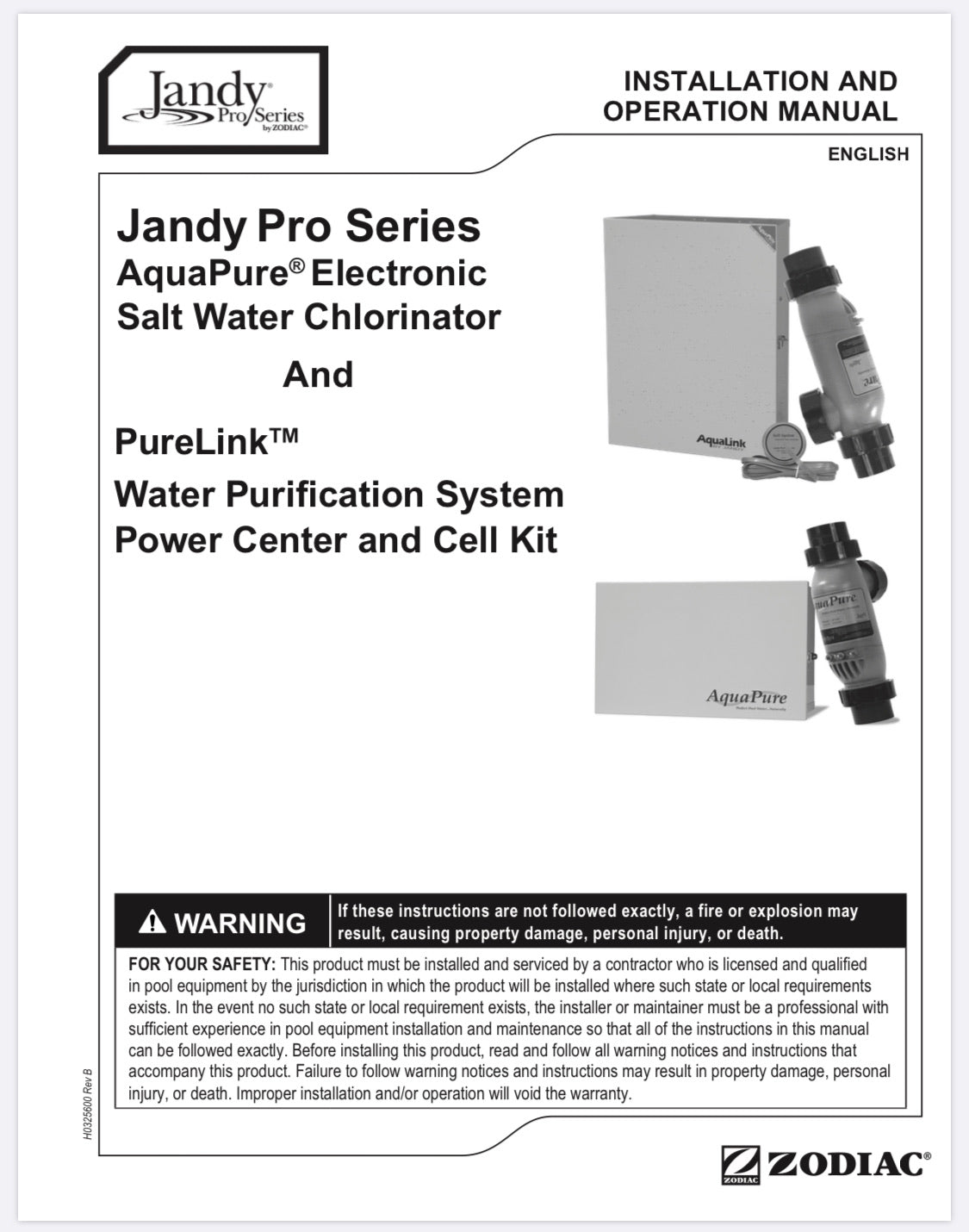
Jandy AquaPure is a salt chlorine generator and mineral sanitizer. It converts salt into chlorine using a cell. It also can use minerals or mixed sanitizing methods. That means power, salt level, flow, and the cell are key parts.
Common failure points include low salt, poor flow, dirty cell plates, electrical faults, and control board errors. Understanding these parts helps you find the cause quickly. I’ll walk you through checks that take minutes and fixes that save service calls.
Common problems and quick fixes
Here are the most common issues you’ll see with the AquaPure and fast things to check.
- No chlorine production
- Check salt level and power to the unit.
- Ensure flow switch is working and pump is on.
- Error codes on display
- Note the code and power-cycle the system.
- If it repeats, inspect the cell and wiring.
- Low output or weak chlorine smell
- Clean or replace the electrode cell.
- Confirm runtime and water chemistry are correct.
- Corroded or pitted cell plates
- Perform a visual check during routine maintenance.
- Replace cell if damage is severe.
- Intermittent operation
- Look for loose connectors and poor voltage.
- Test the transformer and control board for heat damage.
I fix many units by cleaning the cell and correcting salt. Those two steps resolve more than half of my calls.

Step-by-step troubleshooting checklist
Follow these steps in order. They are simple and logical. Work top to bottom.
- Safety first
- Turn off power at the breaker before inspecting wiring or the cell.
- Wear gloves and eye protection when handling salt or acid for cleaning.
- Confirm power and reset
- Verify the breaker and GFCI are on.
- Turn the unit off, wait 30 seconds, and power it back on.
- Check salt level
- Measure salt with a test strip or meter. Target range is usually 3000–3500 ppm but follow your unit manual.
- Add pool-grade salt if below range.
- Ensure good flow
- Make sure pump and filter are running.
- Clean the pump strainer and backwash the filter if needed.
- Inspect the cell
- Remove the cell and look for calcium build-up or pitting.
- Clean mild scale as per manual; replace if plates are damaged.
- Test control and wiring
- Look for loose connectors, burnt wires, or water intrusion.
- Replace frayed wires and reseal any entry points to prevent moisture.
- Review error codes
- Log the code and reference your manual for meaning.
- Persistent codes after checks mean the board or sensor may need service.
These steps helped me diagnose a stubborn unit that displayed intermittent errors. It turned out to be a loose ground wire at the cell connector.

Maintenance tips to prevent issues
Routine care extends cell life and stabilizes sanitizer levels. Use this maintenance list monthly or seasonally.
- Monitor salt and sanitizer levels
- Check salt monthly and chlorine daily when in use.
- Clean the cell regularly
- Remove scale as soon as you see buildup. Use the manufacturer-approved cleaning method.
- Keep water balanced
- Maintain pH, alkalinity, and calcium hardness to reduce cell scaling.
- Protect from moisture and corrosion
- Ensure electrical enclosures are sealed and elevated above splash zones.
- Replace cell before failure
- Cells usually last 3–5 years depending on use. Replace proactively if output drops.
I advise noting the installation date and runtime. Tracking hours helped me replace cells before service calls spiked.

Replacement parts and when to call a pro
Some jobs are best left to trained techs. Know when to DIY and when to hire help.
- Replaceable parts you can handle
- Electrode cell, cell gasket, and salt cell o-rings.
- Basic wiring connectors and fuses (if you’re comfortable).
- Call a pro for
- Control board replacement or complex electrical faults.
- Persistent error codes after routine checks.
- Warranty issues or sealed components.
- Cost considerations
- Cells are the most expensive part and vary by model and age.
- Labor for board replacement or hard wiring adds to the cost.
When I encounter control board faults, I recommend a certified technician. Incorrect board swaps can void warranties and create safety risks.
Advanced diagnostics and error codes
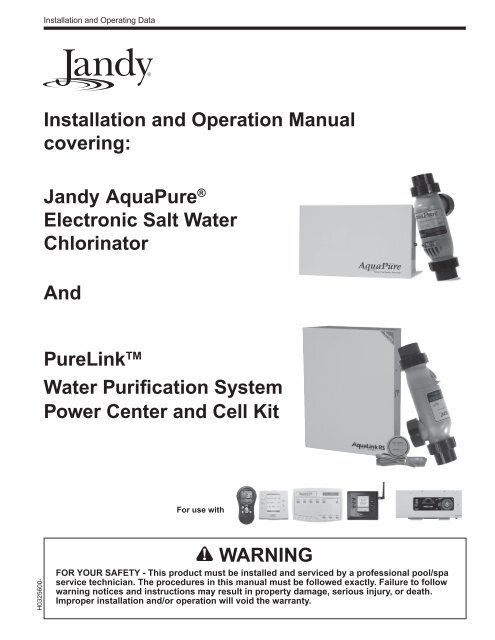
AquaPure models show codes for specific faults. Here’s how to approach them.
- E01 / Flow error
- Check pump, clean filter, and test flow switch continuity.
- E02 / Cell fault
- Inspect cell plates, check for scale or shorted plates.
- E03 / High salt or sensor error
- Test salt level with a meter and recalibrate if needed.
- E04 / Low salt
- Add salt and ensure even dissolution before retesting.
- Intermittent codes
- Look for loose connectors, corroded pins, or moisture.
Use a multimeter to test DC output at the cell if you are comfortable. If voltage is absent, the control board or transformer may be at fault. I once traced repeated E02 codes to a failing transformer that produced unstable voltage.
Real-life tips and mistakes to avoid
Here are lessons I learned from years of service work.
- Avoid adding salt while the pump is off. It can sit and damage equipment.
- Never use pool-grade acid cleaners not approved for cell cleaning.
- Do not overtighten cell unions; it causes warping and leaks.
- Track runtime and output to spot gradual declines early.
- Keep a spare cell gasket and o-ring in your pool toolbox.
One mistake I made early on was not checking the simple things first. After fixing a few wiring issues, I now always verify salt and flow first. It saves time and money.
Frequently Asked Questions of Jandy Aquapure Troubleshooting Guide
What salt level should I maintain for Jandy AquaPure?
Aim for the salt range specified in your unit manual, commonly 3000–3500 ppm. Test monthly and add pool-grade salt slowly while the pump runs.
How often should I clean the AquaPure cell?
Clean the cell when you see scale, typically every 3–6 months depending on water hardness. Heavy scale may need more frequent attention.
Why does my AquaPure show an E02 or cell error?
E02 usually means cell damage or heavy scale. Inspect the cell plates and test for shorts or low DC output.
Can I fix electrical errors myself?
Simple checks like confirming breaker, connectors, and wiring tightness are fine DIY tasks. For control board or transformer replacement, call a certified technician.
How long does a Jandy AquaPure cell last?
Cells usually last 3–5 years with proper maintenance and water balance. High use or hard water can shorten life span.
My unit produces low chlorine—what should I check first?
Check salt level, flow, and cell cleanliness in that order. Also verify runtime and water chemistry.
Is it safe to use other brands of replacement cells?
Use cells recommended for your model to ensure correct fit and output. Mismatched cells can cause errors or void warranties.
Conclusion
This Jandy Aquapure Troubleshooting Guide gives clear steps to diagnose and fix common issues. Start with simple checks: power, salt, flow, and cell condition. Regular maintenance prevents most problems and saves money over time. If an error persists after you complete the checklist, call a certified technician to avoid safety risks. Try these tips, track your system, and leave a comment sharing your results or questions—subscribe for more pool care guides and troubleshooting help.

