

Climatemaster Troubleshooting Guide: Fast help for common geothermal and heat pump issues.
I’ve worked with geothermal systems for years and wrote this Climatemaster Troubleshooting Guide to make repairs and checks simple. I explain clear steps, real fixes, and when to call a pro. Follow this guide to save time, avoid mistakes, and get your system back to reliable comfort.

36% off Today’s Exclusive Deals
Limited-time Exclusive Deals. Check current discount on Amazon.
Check Price on Amazon As an Amazon Associate I earn from qualifying purchases.
How Climatemaster systems work and why that matters
Climatemaster systems move heat between your home and the ground using a loop, pump, and heat exchanger. The unit uses refrigerant or ground loop fluid to transfer energy. Knowing these parts helps you find where a fault starts.
Key components to know
- Loop field or well loop moves heat to the ground.
- Flow center or pump circulates loop fluid.
- Indoor unit contains heat exchanger, compressor, and fans.
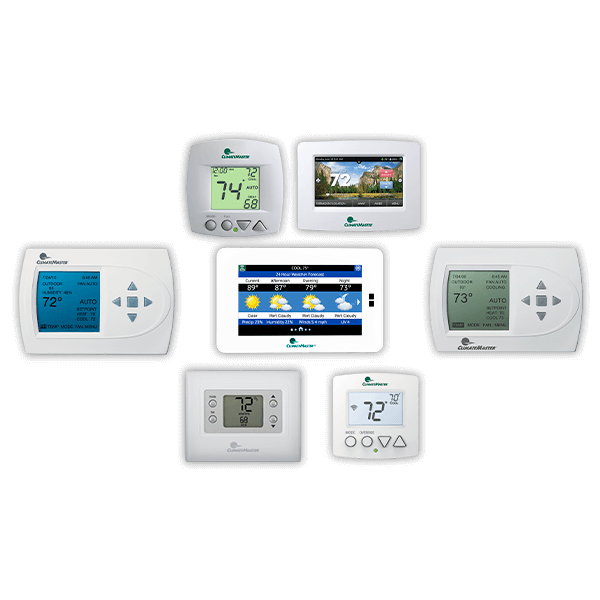
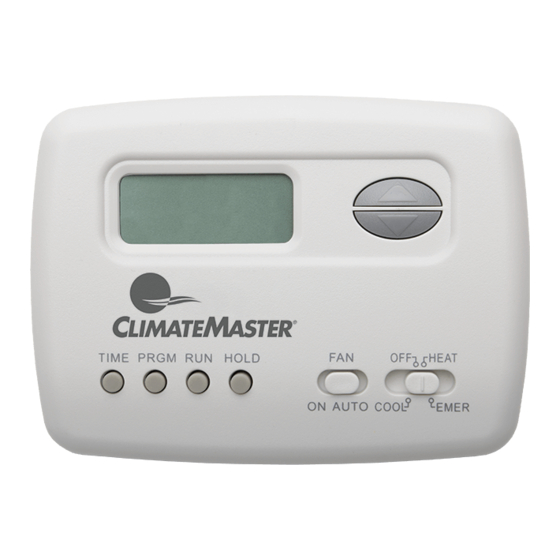
- Thermostat controls setpoints and mode.
Why the basics help troubleshooting
- Faults often show as flow, thermostat, or compressor issues.
- Simple checks cut diagnostic time and cost.
- Most fixes are safety checks, cleaning, or small part swaps.
Common problems covered in this Climatemaster Troubleshooting Guide
This section lists the issues you will likely face and what they usually mean.
No heating or cooling
- Could be power, thermostat setting, or a tripped safety switch.
- May signal a compressor or flow problem if power and settings are correct.
Short cycling or frequent on/off
- Often caused by wrong thermostat set up or low refrigerant.
- Can be a failing compressor or blocked airflow.
High energy use
- Dirty filters, poor loop flow, or failing components raise energy draw.
- Incorrect thermostat programming also causes waste.
Leaks or water around the unit
- Could be a condensate drain clog or a refrigerant/loop fluid leak.
- Any liquid near electrical parts is a safety issue.
Unusual noises or vibration
- Loose panels, pump cavitation, or worn bearings create sounds.
- Address quickly to avoid further damage.
Frozen indoor coil or loop frost
- Poor flow, low antifreeze, or stuck valves can freeze coils.
- Freeze protection and flow checks are critical.
Fault codes or display errors
- Messages often point to sensors, communication errors, or safety trips.
- This guide shows how to read and respond to common faults.
Thermostat not responding
- Check batteries, wiring, and compatibility with Climatemaster systems.
- Communication issues are common after power events.

Step-by-step Climatemaster Troubleshooting Guide checklist
Follow these steps in order. They are safe, trackable, and low-risk for most homeowners.
- Safety first
- Turn off power at the thermostat and breaker before opening panels.
- Use gloves and eye protection when needed.
- Confirm the problem
- Note symptoms: no heat, noise, leak, or error code.
- Record when it started and any recent changes (service, storms, power outage).
- Check power and breakers
- Ensure the unit has power at its service switch and breaker.
- Look for tripped breakers or blown fuses.
- Inspect thermostat and controls
- Confirm mode (heat/cool/auto) and setpoint.
- Replace batteries and check wiring connections.
- Verify airflow and filters
- Clean or replace filters if dirty.
- Make sure supply and return registers are open and unobstructed.
- Examine the flow center and pump
- Look for leaks, tight fittings, and proper pump operation.
- Feel piping for warm or cold spots that signal flow issues.
- Check loop and antifreeze
* Low loop pressure or fluid loss reduces heat transfer.
- Read the loop gauge and top up only if model allows DIY. Otherwise call a tech.
- Listen for compressor start
- Short hum then click often means overload or hard start failure.
- Long grinding or no start suggests compressor or capacitor trouble.
- Reset and observe
- Reset the unit after checking obvious issues.
- Watch for recurring trips or error codes.
- Gather error codes and documentation
- Write down codes and conditions before calling support.
- Error info speeds up professional repair.
Error codes, lights, and quick meanings
Climatemaster models show faults differently by model. Use this Climatemaster Troubleshooting Guide to match displays to actions.
General fault categories
- Sensor faults — temperature readings out of range or open/short sensors.
- Flow faults — pump failure, low loop flow, or blocked piping.
- Compressor faults — hard start, overload trips, or high current.
- Communication faults — control board or thermostat comms failing.
- Pressure and freeze protection — loop low/high pressure or coil freeze.
How to act on error types
- Sensor faulty: check wiring and sensors for corrosion. Replace if damaged.
- Flow fault: inspect pump, valves, and air in loop. Bleed air if present.
- Compressor fault: check capacitor and current draw. Contact a certified tech for compressor work.
- Communication fault: reboot controls, then inspect connectors and wiring.
- Freeze protection: restore flow and verify antifreeze mix and loop temp.
Maintenance tips that prevent calls and extend life
Good maintenance stops many breakdowns. Follow these easy tasks seasonally.
Monthly checks
- Look at filters and replace if dirty.
- Check thermostats and settings.
Quarterly checks
- Inspect condensate drains and clear clogs.
- Check visible piping for leaks or loose fittings.
Annual tasks (or hire a pro)
- Clean coils, inspect compressor and fan motors.
- Test flow rates, loop pressure and antifreeze concentration.
- Have a certified tech check refrigerant and electrical safety.
Simple habits that save money
- Keep outdoor area clear for airflow.
- Program thermostats to reduce run time when away.
- Track energy use to spot trends before failure.
When to call a pro and warranty tips
This Climatemaster Troubleshooting Guide helps you decide what to DIY and when to call a technician.
Call a pro for:
- Compressor work or refrigerant handling.
- Complex electrical faults or control board replacement.
- Persistent leaks or repeated trips and error codes.
DIY-friendly fixes
- Filter changes, thermostat batteries, and clearing drains.
- Resetting breakers and simple visual inspections.
Warranty and documentation
- Keep installation and service records. They support warranty claims.
- Check your specific Climatemaster warranty for covered parts and labor.
Real-world examples and lessons from experience
I’ve seen many Climatemaster issues in the field. Here are short stories and what they taught me.
Example 1: Short cycling after a power outage
- Symptom: Unit cycled rapidly after outage.
- Fix: A stuck relay on the control board was the cause. Replaced relay. Lesson: Always inspect control relays after power events.
Example 2: Low heat and frozen coil
- Symptom: Low heat and frost on indoor coil.
- Fix: The flow pump had lost prime and the loop had air. After bleeding the loop and restarting the pump, the system recovered. Lesson: Flow issues mimic refrigerant problems.
Mistakes to avoid
- Don’t top up refrigerant yourself; it requires proper gauges and certification.
- Don’t run the unit with visible leaks or burnt wires.
- Don’t ignore small noises; they become big failures.
Practical tip I use
- Keep a small notebook near the unit. Jot error codes and dates. It helps track repeat faults and speeds up tech visits.
People also ask (PAA) style quick answers
Q: How do I reset my Climatemaster unit?
A: Turn off power at the service switch and breaker for 30 seconds, then restore power. Check if the fault reappears and note any codes.
Q: Why is my Climatemaster making loud noises?
A: Loud sounds often point to loose panels, failing fans, or pump issues. Inspect fasteners and listen to the motor area to localize the sound.
Q: Can I run my Climatemaster without antifreeze in the loop?
A: No. Antifreeze prevents freezing and corrosion in the loop. Use the type and concentration recommended by the manufacturer.
Q: How often should I change filters?
A: Check filters monthly and replace every 1 to 3 months based on use and dust. Clean filters lower energy use and extend component life.
Q: What causes a flow fault on a Climatemaster?
A: Flow faults come from pump failure, blocked piping, air in the loop, or low loop fluid. Verify pump operation and loop pressure first.
Frequently Asked Questions of Climatemaster Troubleshooting Guide
What is the first thing to check if my Climatemaster won’t start?
Check the service switch and breaker for power, then confirm the thermostat is set correctly. Note any display codes before further steps.
How do I know if the loop field is failing?
Signs include low heat transfer, erratic temps, and abnormal pressure readings on the loop gauge. A professional loop test confirms field issues.
Is it safe to clean the evaporator coil myself?
You can clean accessible dust with a soft brush and low-pressure vacuum. For deep or chemical cleaning, hire a technician to avoid damaging fins or sensors.
What should I do if I find a refrigerant leak?
Stop the unit and call a certified HVAC technician. Refrigerant work must be handled by licensed pros for safety and environmental rules.
Can thermostat placement cause Climatemaster problems?
Yes. A thermostat in direct sun, a cold draft, or near heat sources gives false readings. Move or use an external sensor for better control.
How long should a Climatemaster system last?
With proper care, geothermal systems often run 20 to 25 years or more for major components. Routine maintenance and timely repairs extend useful life.
Conclusion
This Climatemaster Troubleshooting Guide gives clear steps to find and fix common issues. Use the checklist, watch for error codes, and do simple maintenance often. When in doubt, call a certified pro to handle refrigerant and major electrical work. Try the tips here, track your system’s behavior, and leave a comment or subscribe for more practical HVAC guides.

