

Most AC problems come from dirty filters, thermostat errors, or low refrigerant levels.
I have spent years diagnosing and fixing home air units. This guide on Household Air Conditioner Troubleshooting draws on field experience and service best practices to help you find the real cause fast. Read on to learn clear steps, safety tips, and small fixes that save time and money when your AC acts up.

36% off Today’s Exclusive Deals
Limited-time Exclusive Deals. Check current discount on Amazon.
Check Price on Amazon As an Amazon Associate I earn from qualifying purchases.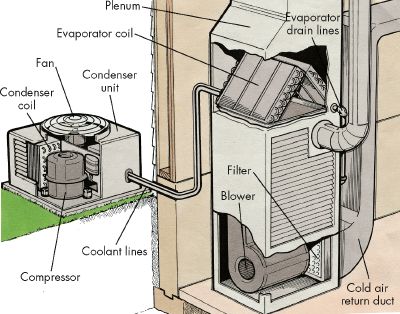
Why Household Air Conditioner Troubleshooting Matters
Household Air Conditioner Troubleshooting helps you spot small issues before they become big, costly problems. A quick check can restore comfort and lower bills. Knowing basic diagnostics gives you control and helps you talk confidently with a technician when needed.

Common Household Air Conditioner Problems and Causes
Household Air Conditioner Troubleshooting starts with knowing the usual faults. Here are the top issues and what often causes them.
-
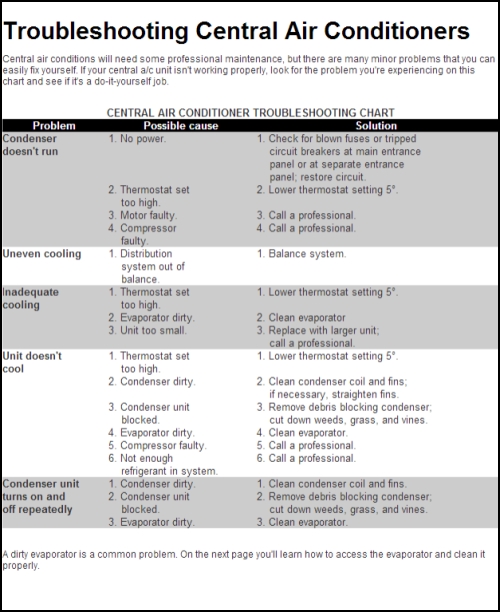
Unit won’t turn on
Often a tripped breaker, blown fuse, or a faulty thermostat. Check power first. -
Weak airflow or warm air
Clogged filters, blocked ducts, failing blower motor, or low refrigerant can all reduce cooling. -
Strange noises
Rattling may be loose parts; screeching hints at a failing belt or motor bearings. -
Water leaks or ice on coils
A blocked condensate drain or frozen evaporator coil from poor airflow causes leaks and ice. -
Short cycling (turns on and off quickly)
Could be thermostat placement, overheating, or low refrigerant. -
High energy bills
Dirty coils, poor maintenance, or aging systems lower efficiency and raise costs.

Step-by-Step Household Air Conditioner Troubleshooting Checklist
Follow this checklist for safe, logical troubleshooting. Use short tests and avoid complex repairs if you are not trained.
-
Basic safety and prep
- Turn off power at the breaker before any inspection that exposes wiring or components.
- Wear safety glasses and gloves when working near metal or refrigerant lines.
-
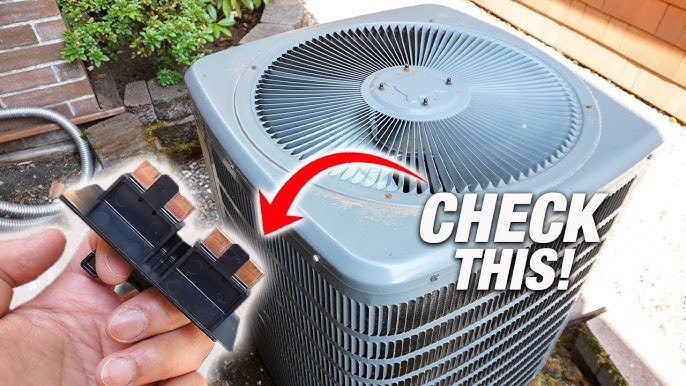
Confirm the power supply
- Check the circuit breaker and AC disconnect box.
- Test the thermostat batteries and settings. Household Air Conditioner Troubleshooting often ends with a simple reset.
-
Inspect and replace the air filter
- Remove the filter and hold it to light. If light doesn’t pass, replace it.
- Filters should be checked monthly in hot months.
-
Check thermostat operation
- Set the thermostat to a lower temperature and listen for the click that starts the system.
- Replace old thermostats or recalibrate if readings seem off.
-
Evaluate airflow and vents
- Make sure supply vents are open and not blocked by furniture.
- Inspect return grilles for dust buildup.
-
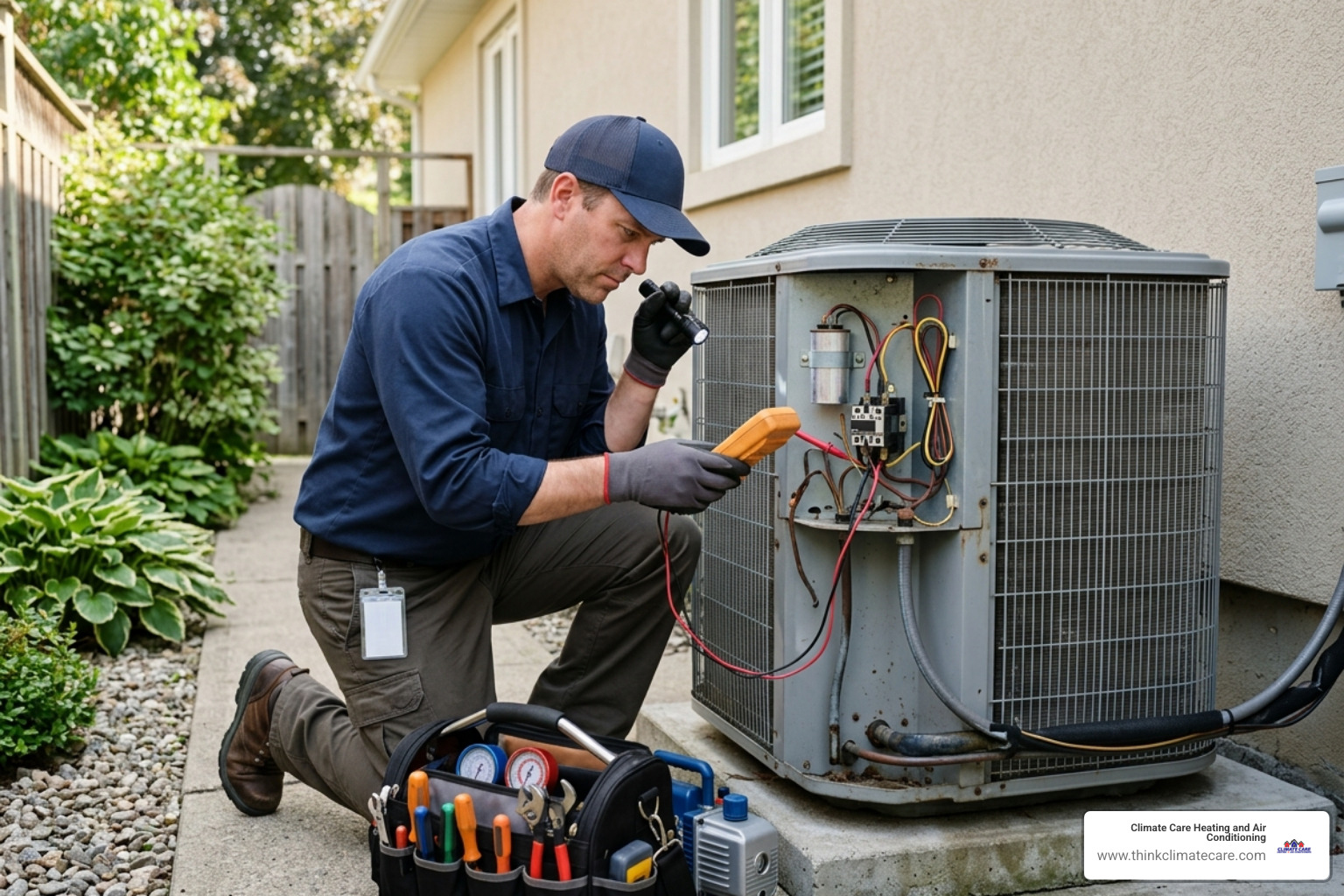
Examine the outdoor unit
- Clear debris, leaves, and grass from around the condenser.
- Look for damaged fins and straighten them carefully with a fin comb.
-
Look for leaks and ice
- If you see ice on the evaporator coil, turn the unit off and let it thaw.
- Inspect the condensate drain for clogs using a wet/dry vacuum if accessible.
-
Listen and feel for signs of mechanical failure
- Grinding or screeching often means motor or bearings need service.
- Weak fan spin points to a capacitor or motor issue.
-
Check refrigerant signs (visual only)
- Low refrigerant usually causes poor cooling and ice build-up. Finding leaks requires a licensed tech.
- Do not attempt to add refrigerant yourself if you are not certified.
-
Call a professional when needed
- If you encounter electrical faults, refrigerant works, or sealed system issues, stop and call a licensed HVAC technician.
Tools, Parts, and Safety Tips for Household Air Conditioner Troubleshooting
Having the right tools makes Household Air Conditioner Troubleshooting safer and faster.
-
Basic tools to keep on hand
- Screwdrivers, pliers, flashlight, adjustable wrench.
- Multimeter for simple electrical checks.
- Replacement air filters sized for your unit.
-
Helpful extras
- Fin comb to straighten bent condenser fins.
- Spray coil cleaner for outdoor coil maintenance.
- Wet/dry vacuum for condensate clogs.
-
Safety rules
- Never touch live wiring. Turn off power first.
- Refrigerant is hazardous. Do not open sealed lines or recharge refrigerant unless certified.
- Use ladder safety and avoid working alone if handling the outdoor unit.
When to Repair vs. When to Replace: Practical Advice
Household Air Conditioner Troubleshooting will tell you some fixes are simple and some are signs of end of life.
-
Repair if
- Problem is a filter, thermostat, capacitor, or fan motor.
- Unit is under 10 years old with no major compressor issues.
-
Consider replacement if
- System is older than 15 years.
- Compressor fails or repairs cost more than half the value of a new system.
- Energy bills remain high despite proper maintenance.
-
Efficiency and rebates
- New high-efficiency models often save enough energy to justify the cost over time.
- Check local incentives before replacing.

Maintenance to Prevent Future Household Air Conditioner Troubleshooting
Good maintenance reduces the need for troubleshooting.
-
Monthly tasks
- Check and change filters.
- Keep vents clear.
-
Seasonal tasks
- Clean outdoor unit and remove debris.
- Schedule professional tune-up each spring.
-
Yearly tasks
- Inspect ductwork for leaks and seal them.
- Test thermostat accuracy and system charge.
Small habits prevent many common failures and cut repair bills.
Real-life Examples and Lessons Learned
I once fixed a home that had weak cooling for months. The owner had replaced the thermostat and blamed the unit. A quick Household Air Conditioner Troubleshooting check found a filthy filter and a blocked return vent. Cleaning solved it the same day. Lesson: start simple and document steps so you do not miss the obvious.
Another job involved a noisy compressor. I shut off power, inspected the outdoor unit, and found the compressor failing. That required a pro replacement. Lesson: know limits and call a licensed technician for sealed-system work and refrigerant issues.

Quick PAA Questions
How do I quickly diagnose no cooling?
Check power, thermostat settings, and the air filter first. If those are fine, inspect the outdoor unit for debris and listen for the compressor.
Can I add refrigerant myself?
No. Adding refrigerant requires certification. It can be dangerous and is unlawful in many places without proper licensing.
Why does my AC freeze up?
Freeze often results from poor airflow due to dirty filters or low refrigerant. Turn the unit off, let it thaw, and check airflow.
Frequently Asked Questions of Household Air Conditioner Troubleshooting
What should I check first when my AC stops working?
Start with power: check the breaker and the AC disconnect. Then check the thermostat and replace a dirty filter.
Why is my AC running but not cooling the house?
Common causes are dirty filters, blocked ducts, or low refrigerant. A professional check is needed for refrigerant issues.
How often should I change the air filter?
Change standard filters every 1 to 3 months in peak season. Higher MERV filters may need monitoring to avoid reduced airflow.
Is it normal for the outdoor unit to make noise?
Some noise is normal, but loud banging, screeching, or grinding indicates trouble and should be inspected promptly.
How long does a typical home AC unit last?
Most units last 10 to 15 years with good maintenance. Timely Household Air Conditioner Troubleshooting extends this life.
Can I troubleshoot electrical issues myself?
Basic checks like breakers and visible wiring are ok, but do not attempt internal wiring or capacitor replacement unless trained.
Conclusion
Household Air Conditioner Troubleshooting gives you the tools to spot common faults fast and to decide when to DIY and when to call a pro. Start with safe basics: power, thermostat, and filters. Keep a short maintenance plan and track problems you find. Try these steps, learn from each repair, and share your experience below. If you found this helpful, subscribe for more practical home repair guides or leave a comment with your AC issue.

