

Most electric bike issues come from battery, loose connectors, or settings—check those first.
I built this Electric Bike Troubleshooting Guide from years of repair work and long rides. I know common faults, simple fixes, and safe tests. Read on to learn step-by-step checks, practical fixes, and tips that save time and money.

36% off Today’s Exclusive Deals
Limited-time Exclusive Deals. Check current discount on Amazon.
Check Price on Amazon As an Amazon Associate I earn from qualifying purchases.
Why follow an Electric Bike Troubleshooting Guide?
This Electric Bike Troubleshooting Guide helps you find root causes fast. A clear process stops guesswork and prevents costly mistakes. Following an organized guide saves time and keeps you safe while you diagnose the bike.
Basic diagnostic steps everyone should use
Use a calm, step-by-step routine when troubleshooting. This Electric Bike Troubleshooting Guide starts with power checks, then moves to displays, controls, and mechanical systems. Work from easy to hard fixes to avoid unnecessary disassembly.
- Verify power: Turn the key or press the main switch and watch the display.
- Check connections: Look for loose plugs, corrosion, and damaged wires.
- Reproduce the issue: Note when the problem happens, speed, incline, and weather.
- Isolate systems: Test battery, motor, display, throttle, and sensors one at a time.
Common problems and fixes
This Electric Bike Troubleshooting Guide covers the faults riders see most often. Below are clear symptoms and practical fixes for each system.
Battery problems
- Symptom: Bike won’t power on or loses range quickly.
- Fix: Fully charge the battery and test voltage with a multimeter. Replace if voltage under recommended level or cells are unbalanced.
- Symptom: Battery swelling or overheating.
- Fix: Stop using the battery. Replace immediately and recycle old unit safely.
Display and controller issues
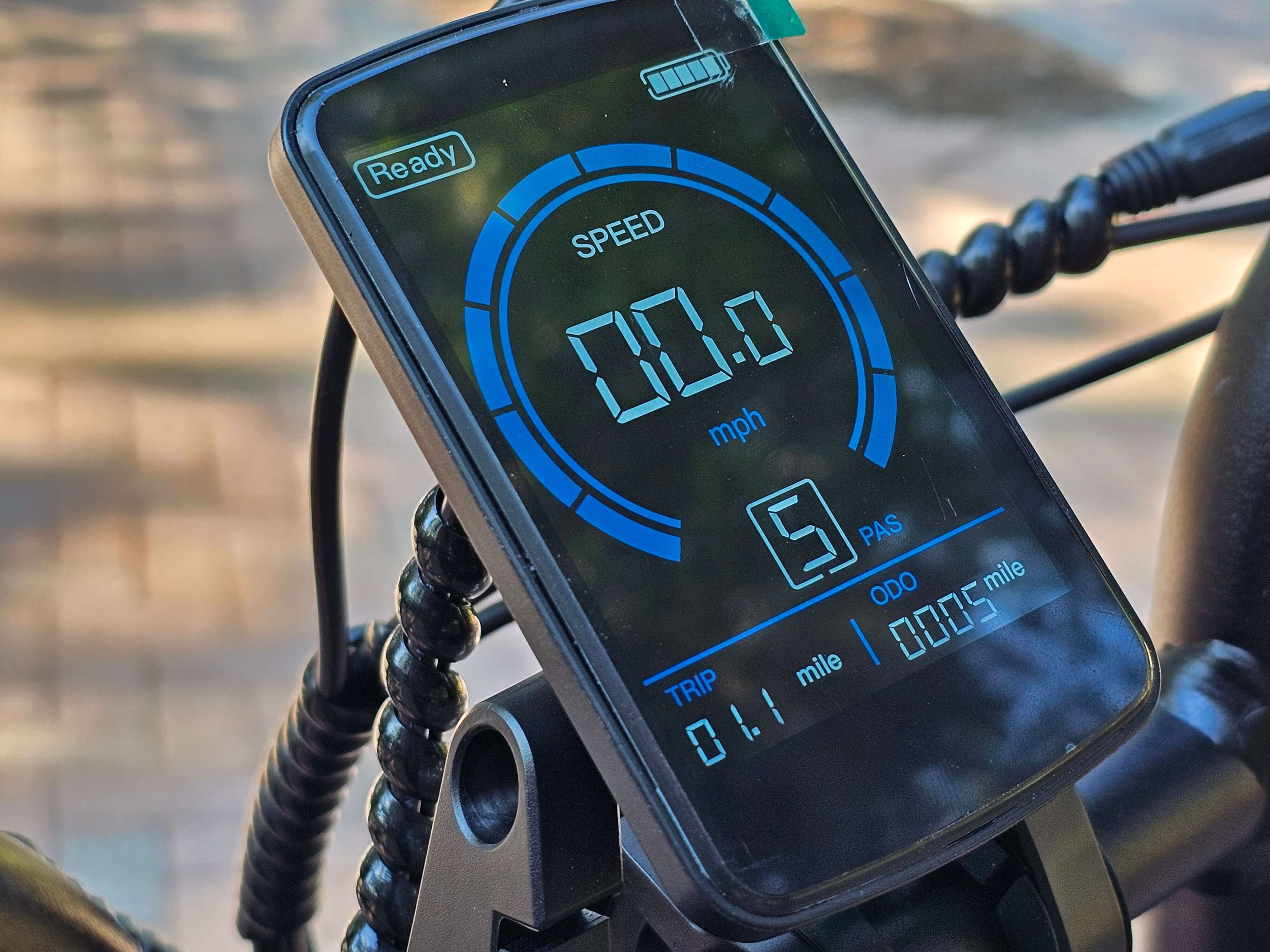
- Symptom: Blank or flickering display.
- Fix: Check display connector and fuse. Try a spare display or reset controller if available.
- Symptom: Error codes or limp mode.
- Fix: Look up the error code in your manual. Reset power, check throttle and brake cutoffs, and re-scan connectors.
Motor and drivetrain faults
- Symptom: Motor makes noise or drags.
- Fix: Inspect axle, freewheel, and bearings. Tighten mounts and replace worn bearings.
- Symptom: Loss of assist or sudden cut-out.
- Fix: Test torque sensor or cadence sensor wiring. Check controller temperature and motor phase leads.
Throttle, PAS, and sensors
- Symptom: Throttle unresponsive or uncontrolled.
- Fix: Check throttle voltage range with multimeter. Clean or replace throttle.
- Symptom: Pedal assist not engaging.
- Fix: Check magnet ring alignment and sensor gap. Tighten or realign sensor.
Brakes, tires, and mechanical faults
- Symptom: Brake drag or spongy feel.
- Fix: Inspect pads, calipers, and cable/hydraulic lines. Adjust or bleed as needed.
- Symptom: Vibrations or poor handling.
- Fix: Check tire pressure, wheel trueness, and spoke tension.
Diagnostic tools and safety checklist
This Electric Bike Troubleshooting Guide recommends a compact toolset for most fixes. Safety and the right tools speed repair and reduce risk.
- Basic tools: Hex keys, screwdrivers, adjustable wrench, pliers.
- Electrical tools: Multimeter, insulated tools, spare fuses, zip ties.
- Specialized items: Torque sensor puller, hub motor spanner, battery checker.
- Safety steps: Remove power before touching wires, wear gloves and eye protection, work on a stable stand.
Preventive maintenance to avoid troubleshooting later
Use this Electric Bike Troubleshooting Guide as a baseline for regular care. Small checks prevent many failures.
- Weekly: Clean connectors, wipe down battery contacts, check tire pressure.
- Monthly: Tighten bolts, inspect brake pads, verify cable routing.
- Seasonal: Test full battery charge capacity, inspect motor bearings, update firmware if available.
- Storage tips: Store battery at 40–60% charge in a cool, dry place.
Quick PAA-style questions from riders
How do I know if my battery is failing?
- A failing battery shows reduced range, unusual voltage under load, or physical swelling. Test voltage and capacity to confirm.
Why does my e-bike cut out when I pedal hard?
- The controller may hit current limits or a torque sensor may misread. Check motor leads, controller temp, and sensor alignment.
Can I ride safely if the display goes blank?
- You can pedal manually, but avoid riding at high speed or in traffic. Diagnose and fix the display before normal use.
Personal experience, lessons, and tips
I’ve repaired dozens of bikes and learned what saves time. This Electric Bike Troubleshooting Guide reflects those lessons.
- Start with the battery. I once spent two hours on a motor problem that turned out to be a loose battery connector.
- Keep spare fuses and a small multimeter in your saddlebag. They solved three roadside stops for me.
- Label connectors when you disassemble parts. Reassembly is faster and error-free.
- When in doubt, document symptoms with short videos. Shops and forums can diagnose from clips quickly.

Advanced checks and when to seek professional help
This Electric Bike Troubleshooting Guide covers most DIY fixes. Some issues need pros.
- Consider professional help for:
- High-voltage battery repair or cell balancing.
- Internal hub motor rewinding or complex controller faults.
- Warranty-covered electronics—don’t void warranty by opening sealed units.
- Advanced tests you can attempt:
- Load testing battery with a known resistor and monitor voltage drop.
- Measuring motor phase resistance and comparing across phases.
Frequently Asked Questions of Electric Bike Troubleshooting Guide
How often should I charge my e-bike battery?
Charge after every ride if you used a lot of capacity. For light use, charge when battery drops to 30–40% to prolong life.
Can a wet e-bike cause electrical failure?
Water can damage connectors and sensors. Dry and inspect electrical parts after wet rides and add dielectric grease to connectors.
Is it safe to replace a battery cell myself?
Replacing cells is risky and can be dangerous. Have a trained technician handle battery cell repairs or replacements.
What is the first thing to check when my e-bike won’t start?
Check the master power switch, battery charge level, and battery connection. These simple checks fix many no-start cases.
How do I record error codes?
Use your display manual to map codes. If the display lacks details, note the code, battery level, and actions that triggered it for a shop.
Conclusion
This Electric Bike Troubleshooting Guide gives a clear path from quick checks to advanced fixes. Use the step-by-step approach, keep safety first, and carry a few tools to handle common roadside faults. Try these tips on your next ride, and share your wins or questions in the comments to keep learning together.

