

Most Mantis tiller issues stem from fuel, spark, belts, or worn tines.
I’ve worked with garden machines for years and built a practical Mantis Tiller Troubleshooting Guide to help you fix common faults fast. This guide walks you step by step through checks, fixes, and maintenance. Read on to learn clear diagnosis tips, safe repair steps, and simple upkeep routines that save time and money.

36% off Today’s Exclusive Deals
Limited-time Exclusive Deals. Check current discount on Amazon.
Check Price on Amazon As an Amazon Associate I earn from qualifying purchases.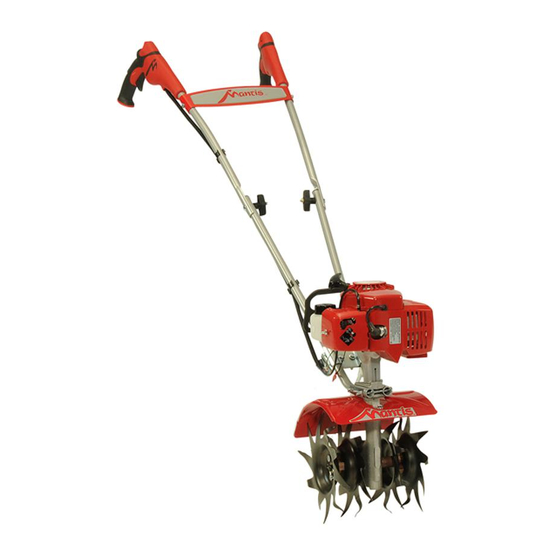
Common Mantis Tiller Problems and Quick Diagnosis
This section lists common failures you will see when using a Mantis tiller. Each point gives a short cause and a quick test to confirm it.
- Won’t start
- Cause: Bad spark, stale fuel, or a clogged carburetor.
- Quick test: Check fuel quality and spark at the plug.
- Starts then stalls
- Cause: Dirty air filter, fuel delivery, or carburetor issues.
- Quick test: Run with choke on and off to see behavior.
- Poor tilling depth or uneven tilling
- Cause: Worn tines, shallow setting, or loose tine shaft.
- Quick test: Inspect tines and check depth setting.
- Excessive vibration or loud noise
- Cause: Bent tine, loose bolts, or worn bearings.
- Quick test: Stop unit, check tines and engine mounts.
- Loss of drive or slipping
- Cause: Worn belt, clutch, or gearbox issues.
- Quick test: With engine off, rotate tines by hand to feel resistance.
This Mantis Tiller Troubleshooting Guide will help you match symptoms to likely causes quickly. Keep notes on what you test so problems don’t repeat.

Step-by-step Troubleshooting: Starting and Engine Issues
Follow these steps when a Mantis tiller will not start or runs poorly. Work in order to save time.
- Check fuel
- Drain old gas and use fresh fuel with the correct oil mix if needed.
- Inspect spark plug
- Remove the plug. Look for carbon build-up or wet fuel. Replace if fouled.
- Confirm spark
- Connect plug to wire and ground it. Pull recoil to see a blue spark.
- Clean or rebuild carburetor
- If spark and fuel are good but engine floods or idles poorly, clean jets and passages.
- Air filter and choke
- Replace a dirty air filter. Ensure choke moves fully.
- Compression check
- Low compression needs a pro rebuild. Use a gauge or judge by hard starts and weak power.
When following the Mantis Tiller Troubleshooting Guide, start with the simple checks. They fix most issues. If a step feels beyond your skill, stop and call a professional.
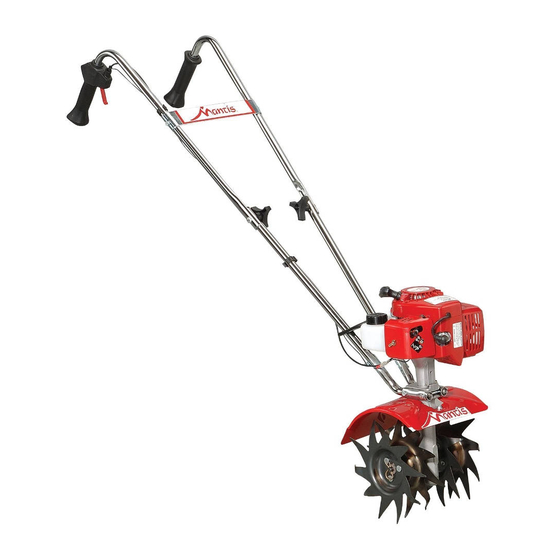
Tines, Drive, and Transmission Problems
Problems in the tilling components often look mechanical. Use these checks to isolate the issue.
- Tines not turning
- Check shear bolts or missing pins. Inspect tine shaft for damage.
- Belt slipping or broken
- Inspect belts for wear, cracks, or glazing. Replace worn belts.
- Gearbox noise or oil leak
- Check oil level and condition. Replace seals and refill with recommended gear oil.
- Clutch or engagement issues
- Inspect linkage and engagement springs. Adjust or replace worn parts.
- Worn tines or uneven wear
- Replace damaged tines. Rotate or swap sides to extend life.
My own Mantis Tiller Troubleshooting Guide experience: a slipping belt felt like engine power loss. Replacing the belt and adjusting tension solved it in under 20 minutes.
Vibration, Noise, and Performance Problems
Vibrations and strange sounds signal a mechanical imbalance or wear. Follow a safe check list.
- Loose bolts and guards
- Tighten all bolts on tine shaft and engine mounts.
- Bent or damaged tine
- Replace if bent. A small bend causes big vibration.
- Worn bearings or shafts
- Listen for grinding. Replace bearings if noisy.
- Improper RPM
- Check engine idle and throttle settings. Set to recommended RPM.
Use the Mantis Tiller Troubleshooting Guide to check balance and wear regularly. Small fixes prevent bigger damage.

Maintenance Checklist to Prevent Problems
A short maintenance routine keeps a Mantis tiller running well. Do these tasks regularly.
- Before each use
- Check fuel, oil, and loose parts.
- Every 25 hours
- Clean air filter and inspect spark plug.
- Every 50 hours
- Change engine oil and grease fittings.
- Seasonal or yearly
- Inspect tines and gearbox oil. Replace belts if 2+ seasons old.
- Storage prep
- Run fuel stabilizer or drain fuel. Store dry and covered.
Following this Mantis Tiller Troubleshooting Guide’s maintenance plan prevents common failures. I keep a small logbook. It helps me spot patterns and act early.

Parts Replacement and When to Call a Pro
Some jobs are DIY. Others need a technician. Use this quick guide to decide.
- Replace yourself
- Spark plug, air filter, belts, tines, and shear bolts are usually DIY.
- Consider a pro
- Carburetor overhaul, gearbox rebuild, or engine low-compression repair.
- Warranty and parts
- Check warranty terms before major work. Use OEM parts for best fit.
- Cost vs. replace
- If repair cost is close to a new unit, weigh time and future reliability.
From my experience, gearboxes and internal engine work often cost more than people expect. The Mantis Tiller Troubleshooting Guide recommends professional help for internal repairs.

Tools and Parts You Should Keep on Hand
Keep these items ready. They speed up troubleshooting and small fixes.
- Basic tools
- Socket set, screwdrivers, pliers, torque wrench, and adjustable wrench.
- Specialty tools
- Spark plug gap tool, compression gauge, and small carburetor kit.
- Spare parts
- Spark plug, fuel filter, belt, shear bolts, and a spare set of tines.
- Safety gear
- Gloves, eye protection, and a fire extinguisher for fuel work.
A well-stocked toolbox makes following the Mantis Tiller Troubleshooting Guide fast and less stressful.
Safety Tips While Troubleshooting
Safety first. Always follow simple rules to avoid harm.
- Disconnect spark plug before repairs
- This prevents accidental starts.
- Work on a stable surface
- Use blocks or stands to hold the tiller steady.
- Handle fuel safely
- Work in a ventilated area and avoid open flames.
- Wear protection
- Use gloves and eye protection when handling parts.
Safety keeps you working longer and smarter. Every Mantis Tiller Troubleshooting Guide step should include a safety check.
Frequently Asked Questions of Mantis Tiller Troubleshooting Guide
How often should I change the oil on my Mantis tiller?
Change engine oil every 25 to 50 hours of use or once per season. Use the oil grade recommended in your owner’s manual.
Why does my Mantis tiller stall under load?
Stalling under load often means fuel restriction, dirty carburetor, or low compression. Check fuel flow and clean the carburetor first.
Can I sharpen tines instead of replacing them?
You can sharpen tines if they are not too thin or bent. Replace tines with deep wear or bends for safety and performance.
What fuel should I use in a small Mantis engine?
Use fresh gasoline with the correct oil mix if it’s a 2-stroke model. For 4-stroke engines, use fresh unleaded gas and the correct oil grade.
My tiller vibrates badly; what should I inspect first?
Stop the engine and inspect tines, bolts, and engine mounts. Bent tines or loose bolts are the most common causes.
When is gearbox oil replacement needed?
Check gearbox oil at least once a year or when you see leaks or noise. Replace with the manufacturer’s recommended oil.
Conclusion
This Mantis Tiller Troubleshooting Guide gives clear steps to diagnose, fix, and prevent common tiller problems. Start with simple checks like fuel and spark, then move to mechanical parts as needed. Small, regular maintenance keeps the tiller reliable and extends its life. Use the tool list and safety tips here to work smart and safe. Try the steps on your tiller this weekend, leave a note about what you find, and consider subscribing or commenting with questions so we can help further.

