

Quick, clear fixes and checks to diagnose and fix common Sundance Spa problems fast and safely.
I’ve spent years servicing hot tubs and writing guides that help owners fix faults without stress. This Sundance Spa Troubleshooting Guide lays out step-by-step checks. You will get clear diagnosis tips, safe fixes, and when to call a pro. I combine hands-on experience with industry best practices so you can trust each step. Read on to solve issues faster and extend your spa’s life.

36% off Today’s Exclusive Deals
Limited-time Exclusive Deals. Check current discount on Amazon.
Check Price on Amazon As an Amazon Associate I earn from qualifying purchases.
Overview of the Sundance Spa Troubleshooting Guide
This Sundance Spa Troubleshooting Guide explains common faults. It covers electrical, plumbing, controls, and water issues. The guide is practical. You will find clear steps and safety notes. I use plain language and real-world tips from service calls I have done.

Common Issues and Quick Fixes
Here are the most common problems seen in Sundance spas along with quick fixes.
- No power or dead spa. Check GFCI, breaker, and power cord. Reset or replace faulty breakers.
- Heater not heating. Verify flow, clean filters, and check heater element or sensor.
- Poor jet performance. Clean filter and jets. Check pump and air controls.
- Cloudy or smelly water. Test and balance water chemistry. Shock and filter.
- Error codes on display. Note code and follow manual steps or reset power.
I often find a tripped breaker or dirty filter behind many calls. Use the sequence: power, water flow, filters, then controls. This order saves time and prevents needless parts replacement.

Step-by-Step Diagnostic Checklist
Use this checklist to narrow down issues fast. Follow each step in order.
- Safety first. Turn power off at the breaker before opening panels.
- Visual scan. Look for leaks, loose wires, or scorch marks.
- Power check. Confirm GFCI and breakers are on and supplying voltage.
- Flow check. Ensure pump runs and filters are seated.
- Filter check. Clean or replace a clogged filter.
- Temperature & heater. Check temp sensor, heater element, and error codes.
- Listen and feel. Unusual noises or vibration point to pump or motor issues.
- Test water. Measure pH, alkalinity, and sanitizer levels.
I recommend documenting each step. This helps if you call a technician. It also speeds up parts orders and repairs.
Electrical and Control Problems
Electrical faults are common and can be dangerous. Use caution.
- GFCI trips frequently. Causes include ground faults from pump, heater, or wiring. Start by isolating circuits and testing components.
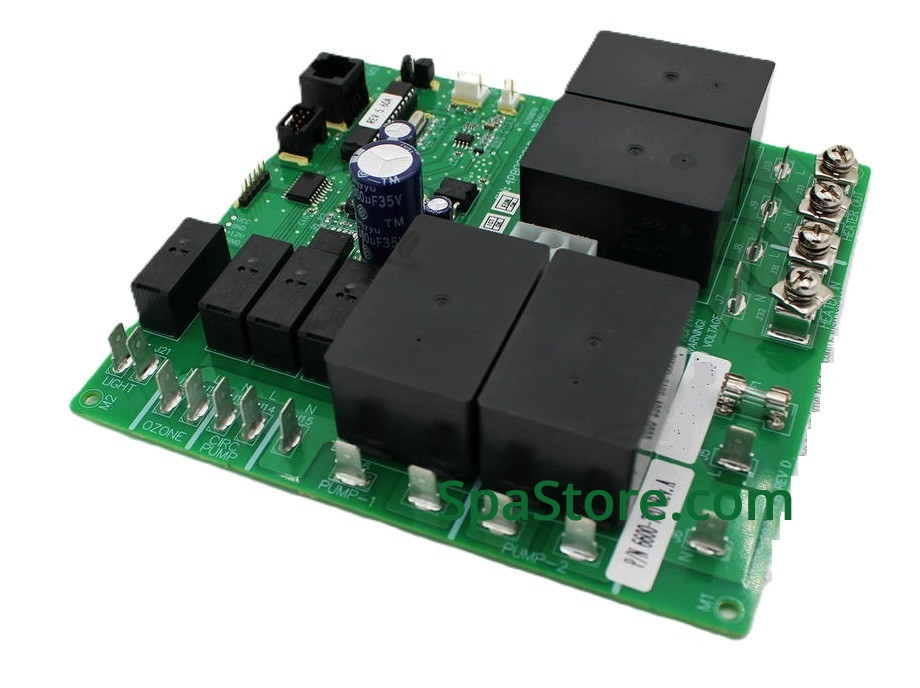
- No display or intermittent power. Check transformer, main board connectors, and wiring harnesses. Loose connectors often cause intermittent faults.
- Error codes. Write down the code and consult the manual. Resetting power can clear transient errors, but persistent codes need testing of sensors or boards.
From my experience, loose wiring and corroded connectors cause many control faults. Tighten and clean connectors before replacing boards. Always follow local electrical codes.
Water Quality and Chemistry Issues
Good water prevents most problems. Poor water harms equipment and comfort.
- Test weekly. Check pH, alkalinity, and sanitizer levels.
- pH problems. Low pH causes corrosion. High pH causes scale and cloudy water.
- Sanitizer issues. Use appropriate chlorine or bromine levels. Shock weekly or after heavy use.
- Cloudy water solutions. Clean filters, balance chemistry, and use clarifier if needed.
- Foam control. Reduce soaps and lotions. Use anti-foam briefly when needed.
I once fixed a persistent heater failure by correcting chronic low pH. The metal parts were eroded and the sensor failed. Balanced water is the easiest long-term fix.
Mechanical and Plumbing Issues
Leaks and low flow are often mechanical. Find the cause with these checks.
- Jet flow low. Inspect jet inserts, valves, and manifolds for blockages. Remove and clean jets.
- Pump noise or no prime. Check for debris in impeller and correct intake leaks. Re-prime by filling the skimmer and running the pump briefly.
- Leak detection. Dry the cabinet and observe for fresh moisture. Pressure test lines when possible.
- Valve faults. Broken diverter valves cause poor circulation. Replace seals or whole valve if cracked.
A common mistake I’ve seen is skipping the simple checks. A stuck valve or small debris in the impeller often mimics a major failure.

Preventive Maintenance for Sundance Spas
A small routine saves big repair bills. Follow this schedule.
- Weekly: Test water and adjust chemicals. Skim surface and run filters.
- Monthly: Clean or rinse filter cartridges. Inspect cover and cabinet.
- Quarterly: Deep clean filters and flush lines. Inspect heater, pump mounts, and unions.
- Yearly: Replace filters if worn. Service control pack and check electrical connections.
I keep a print checklist near the spa. It helps owners stay on track and prevents seasonal surprises.
Tools, Parts, and Supplies You’ll Need
Having the right gear makes repairs easier. Here are essentials.
- Basic tool set. Screwdrivers, pliers, socket set, and wire strippers.
- Multimeter. For voltage and continuity checks.
- Filter cleaner and replacement filters. Clean before replacing.
- pH and sanitizer test kit. Accurate strips or digital testers.
- Replacement seals and union kits. Common on older models.
Keep a small parts box with common seals and fuses. I have saved hours on service calls by carrying spares.
When to Call a Professional
Know your limits. Call a pro when safety or complex electronics are involved.
- You smell burning or see scorch marks. Power off and call an expert.
- Major leaks under the shell. Structural repairs need a pro.
- Control pack or heater board replacement. These require tested skills.
- Persistent error codes after basic checks. A trained tech can scope sensors and boards.
If you are unsure, shut down the spa and call for help. It is safer and often cheaper than a DIY mistake.
Frequently Asked Questions of Sundance Spa Troubleshooting Guide
What does error code E1 mean on a Sundance spa?
E1 usually indicates a sensor or temperature fault. Check the temperature probe connection and wiring for damage.
Why is my Sundance spa losing heat quickly?
Loss of heat can be due to poor insulation, a failing heater, or low water flow. Inspect the cover, heater, and pump flow.
How often should I change my Sundance spa filter?
Change filters every 12 to 24 months depending on use and care. Clean them monthly and deep clean quarterly.
Can I run my Sundance spa without the cover?
Running without a cover wastes energy and exposes the spa to dirt and weather damage. Use the cover to protect the heater and maintain heat.
Why are my jets making a gurgling noise?
Gurgling often means air is in the plumbing or the skimmer is low. Check water level, fill the spa, and bleed air if needed.
How do I reset my Sundance spa control pack?
Turn off power at the breaker, wait 30 seconds, then restore power. If the fault repeats, document the error code and inspect components.
Is it safe to service electrical parts on my Sundance spa?
Only if you are trained and follow local codes. Always switch off power at the breaker and verify no voltage with a meter before touching wiring.
Conclusion
This Sundance Spa Troubleshooting Guide gives clear, safe steps to find and fix common problems. Start with power and flow checks, then move to filters, water chemistry, and controls. Use the checklist to stay organized. If a repair seems risky, call a qualified technician. Take action now: test your spa, follow the maintenance schedule, and leave a note if you found this guide helpful or have questions.

