

Seadoo Troubleshooting Guide: Clear steps to diagnose and fix common Sea-Doo problems fast.
I’m an experienced Sea-Doo owner and technician who has worked on a wide range of models and issues. This Seadoo Troubleshooting Guide walks you through common faults, step-by-step diagnostics, and practical fixes. Read on to learn how to find problems quickly, avoid costly mistakes, and keep your Sea-Doo running safe and strong.

36% off Today’s Exclusive Deals
Limited-time Exclusive Deals. Check current discount on Amazon.
Check Price on Amazon As an Amazon Associate I earn from qualifying purchases.
Common Seadoo Problems and Quick Diagnostics
Sea-Doo watercraft can show a handful of repeatable issues. This section lists the most common symptoms and quick checks to narrow root causes fast. Use this as your first stop when something feels off.
- No start or intermittent start. Check the battery, safety lanyard, and kill switch.
- Engine dies at idle but runs at throttle. Inspect air intake, cooling, and fuel flow.
- Overheating. Verify water intake, impeller, and thermostat or engine alerts.
- Poor acceleration or loss of top speed. Look at fuel quality, plugs, and impeller wear.
- Electrical quirks: flickering gauges or nonworking lights. Test battery voltage and ground connections.
How to run a quick diagnosis
- Visual check first. Look for loose wires, fuel leaks, and damaged hoses.
- Battery voltage. With key off, a healthy battery reads about 12.6 V.
- Error codes. Use your Sea-Doo’s dash codes or SmartCraft messages to guide deeper checks.
This list primes you before deeper troubleshooting steps in this Seadoo Troubleshooting Guide.
Starting and Battery Issues
Many Sea-Doo “won’t start” cases are simple to fix. Follow these straightforward checks before replacing parts.
Common causes
- Dead or weak battery.
- Corroded terminals or poor ground.
- Faulty safety lanyard or start interlock.
- Bad starter relay or blown fuse.
Step-by-step checks
- Inspect battery terminals. Clean corrosion and tighten clamps.
- Measure battery voltage. 12.4–12.7 V is good at rest; below 12 V needs charging.
- Confirm safety lanyard is seated and kill switch isn’t engaged.
- Try a jump start carefully. If it fires, battery or charging system needs attention.
Personal tip: I once diagnosed a Sea-Doo that wouldn’t start after storage. The terminal looked fine but had white corrosion under the clamp. Cleaning the post and recharging the battery fixed it immediately.
When to call a pro
- Starter cranks slowly even after a known good battery.
- Repeated fuse blowouts or relays fail.
- Suspected wiring harness damage.
This section helps avoid common starting hassles described in the Seadoo Troubleshooting Guide.

Engine and Performance Problems
Engine hesitation, stalling, or rough running can come from fuel, air, or ignition faults. Work methodically.
Symptoms and likely causes
- Rough idle or stalling: dirty injectors, fouled plugs, or vacuum leaks.
- Poor throttle response: clogged intake, impeller damage, or ECU issues.
- Misfire or knock: low-octane fuel, bad spark plugs, or timing faults.
Diagnostic steps
- Check spark plugs for color and deposits. Replace if fouled.
- Inspect airbox and snorkel for water or debris.
- Run a fuel pressure test or smell for stale fuel.
- Scan for engine codes with a diagnostic tool if available.
Maintenance tips
- Use fresh fuel and a stabilizer for storage.
- Replace spark plugs annually or every 100 hours.
- Clean throttle body and intake regularly.
From experience, a Sea-Doo that lost mid-range power was fixed by replacing a worn impeller and cleaning the throttle body. Small things add up. This part of the Seadoo Troubleshooting Guide emphasizes systemic checks to find the real cause.
Fuel and Fuel System
Fuel problems show up as hard starts, surging, or poor power. Address fuel system issues carefully.
Common fuel issues
- Stale or contaminated fuel.
- Clogged fuel filter or injectors.
- Faulty fuel pump.
- Water in fuel.
How to inspect
- Smell the fuel. Rotting or varnish smell indicates old fuel.
- Replace in-line fuel filters on schedule.
- Drain and visually inspect fuel if contamination is suspected.
- Test fuel pump pressure and flow if symptoms persist.
Practical maintenance
- Run with stabilizer if storing longer than 30 days.
- Use ethanol-free fuel if possible, or follow manufacturer ethanol guidance.
- Keep the tank mostly full to limit air space and moisture buildup.
Personal note: After a long summer break, I drained old fuel from one Sea-Doo and replaced the fuel filter; it restored normal running instantly. Details like that are central to this Seadoo Troubleshooting Guide.

Electrical and Charging System
Electrical faults are often mistaken for mechanical issues. A clean approach saves time.
Symptoms and causes
- Battery drains quickly: parasitic draw, bad regulator, or charging fault.
- Erratic electronics: loose grounds or corroded connectors.
- Charging light or low-voltage warnings: malfunctioning stator or regulator.
Checks to perform
- Check battery resting voltage and voltage while running (should be ~13.5–14.5 V).
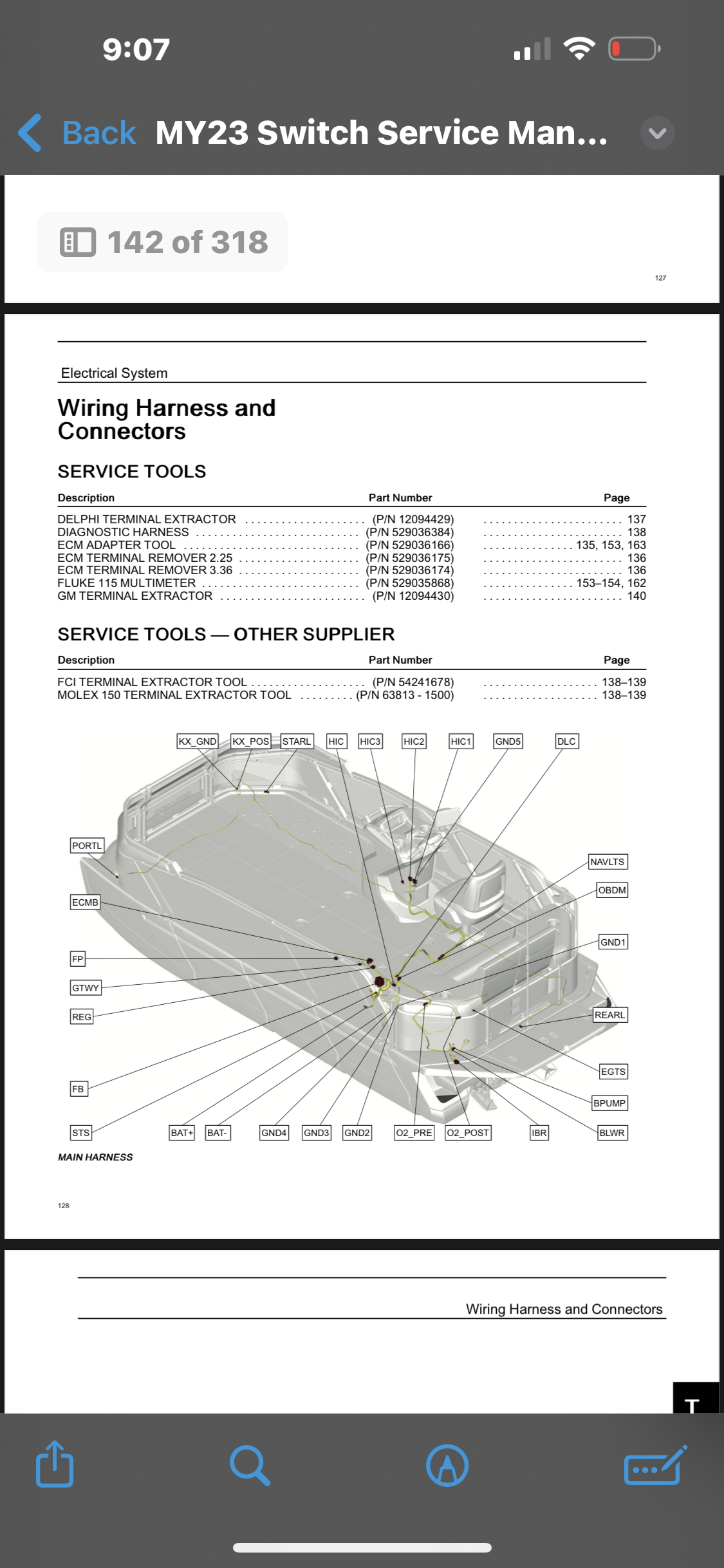
- Inspect all ground straps and key switch connections.
- Test stator and regulator if charging voltage is low.
- Use a multimeter for quick diagnostics.
- Clean and tighten all connectors.
- Replace worn battery and old fuses.
- Secure wires away from heat and moving parts.
I once traced a phantom drain to a loose heated-grip relay left on. That small detail is exactly what this Seadoo Troubleshooting Guide helps you catch.

Cooling and Overheating
Sea-Doos rely on water-cooling; blockages or intake issues quickly cause overheating.
Common signs
- Overheat alarm or temperature gauge spike.
- Loss of power or engine cutting out under load.
- White smoke or boiling coolant odors (on rare closed-loop systems).
Troubleshooting steps
- Inspect intake grate and scoop for weeds, plastic bags, or debris.
- Check water flow from the tell-tale (indicator stream from the hull).
- Replace impeller if worn; a damaged impeller reduces water flow.
- Clean the exhaust cooling passages on older models.
Prevention
- Flush the cooling system after saltwater use.
- Avoid shallow water that can suck up sand and debris.
- Inspect impeller and wear ring yearly.
I fixed an overheating Sea-Doo by removing a small fishing line wrapped tightly around the impeller. It was hidden but caused major flow loss. This Seadoo Troubleshooting Guide stresses careful visual checks.
Hull, Drive System, and Steering
Mechanical issues under the hull can cause vibration, steering problems, or poor ride.
Typical problems
- Vibration at speed: damaged impeller, bent drive shaft, or foreign debris.
- Poor steering or heavy steering: steering cable or nozzle damage.
- Transom leaks or hull cracks.
Checks and fixes
- Pull the jet pump grate and inspect for debris.
- Check wear ring and impeller clearance; replace if excessive.
- Inspect steering nozzle for freedom of movement.
- Repair minor hull cracks promptly to prevent water intrusion.
Example: A jammed rope in the jet pump caused violent vibration. Removing the rope and replacing the impeller cured the issue cleanly. Follow this Seadoo Troubleshooting Guide approach to avoid hull damage.
Routine Maintenance to Prevent Issues
Good maintenance stops problems before they start. Build a simple schedule and stick to it.
Basic maintenance checklist
- Inspect battery and charge as needed.
- Change engine oil and filter per manual or 100-hour intervals.
- Replace spark plugs yearly.
- Inspect impeller and wear ring annually.
- Flush cooling system after saltwater rides.
- Check bolts, hoses, and safety gear each outing.
Record keeping
- Keep a log of services, parts, and hours. This helps spot trends and preempts failures.
- Note symptoms and fixes; the next time the issue returns, you’ll have clues.
My routine: quick inspections before launch and a fuller check after each season. That habit reduced surprise breakdowns and is a key part of the Seadoo Troubleshooting Guide.
Troubleshooting Checklist and Step-by-Step Fixes
Use this ordered checklist to diagnose problems fast. Work top to bottom and repeat tests after each fix.
- Visual inspection
- Look for leaks, loose parts, corrosion, and debris.
- Electrical quick tests
- Measure battery voltage and check fuses.
- Mechanical quick tests
- Inspect impeller, wear ring, and intake.
- Fuel system tests
- Swap fuel filters, check fuel quality, and test pump.
- Engine diagnostics
- Replace plugs, scan codes, and check compression if needed.
- Road test
- Test in safe shallow water and confirm repair success.
This concise checklist is a core tool inside this Seadoo Troubleshooting Guide and helps reduce guesswork.
Quick Questions You May Have (PAA-style)
What should I check first if my Sea-Doo won't start?
- Check the battery, safety lanyard, and fuses first. Those are the fastest fixes.
Why does my Sea-Doo overheat at low RPM?
- Likely a blocked intake or worn impeller. Low flow at low RPM worsens the problem.
How often should I replace spark plugs?
- Replace spark plugs yearly or every 100 operating hours for reliable performance.
This content reflects practical experience and targets common search intent in the Seadoo Troubleshooting Guide.
Frequently Asked Questions of Seadoo Troubleshooting Guide
Why won’t my Sea-Doo crank even when the battery is good?
A bad safety lanyard, blown fuse, or faulty starter relay often causes no-crank. Check fuses and interlocks before replacing major parts.
How do I know if my impeller needs replacement?
Reduced top speed, vibration, and poor acceleration signal impeller wear. Remove the impeller and inspect for chips or bent fins.
Can saltwater damage my Sea-Doo engine?
Saltwater can corrode parts and clog cooling passages if not flushed. Rinse thoroughly and use corrosion inhibitors after salt use.
What do error codes on the dash mean?
Error codes point to sensors, ECU, or system faults. Consult your manual or a diagnostic tool to translate codes to fixes.
Is it safe to ride with a small hull crack?
Small cracks can grow and allow water in. Repair minor cracks promptly and avoid extended use until fixed.
How often should I service my Sea-Doo?
Perform basic checks each trip, annual service for mechanical items, and oil changes per manual. Regular service prevents most issues.
What should I do if my Sea-Doo surges at steady throttle?
Fuel delivery issues, clogged injectors, or air in the system cause surging. Check fuel filters and air seals.
Conclusion
This Seadoo Troubleshooting Guide gives you clear, practical steps to diagnose and fix common Sea-Doo problems. Start with simple checks like battery, safety cutoffs, and intake debris. Work methodically, keep records, and do routine maintenance to avoid future troubles. Apply these tips on your next outing to save time and cost. If you found this guide helpful, try these steps, subscribe for more tips, or leave a comment with your Sea-Doo question.

