

Fitech Troubleshooting Guide solves common EFI problems with clear steps, simple fixes, and practical tips.
I have worked with fuel injection systems for years and helped many builders and mechanics get FiTech systems running right. This Fitech Troubleshooting Guide walks you through common faults, easy tests, wiring checks, sensor issues, firmware steps, and pro tips you can use today. Read on for a clear path from diagnosis to repair.

36% off Today’s Exclusive Deals
Limited-time Exclusive Deals. Check current discount on Amazon.
Check Price on Amazon As an Amazon Associate I earn from qualifying purchases.
Overview: What the Fitech Troubleshooting Guide covers
This Fitech Troubleshooting Guide explains how FiTech EFI systems work. It lists common failures and gives step-by-step fixes. The guide focuses on real faults you will meet in the shop or garage.
Key parts covered in this Fitech Troubleshooting Guide include:
- Fuel supply and pump checks.
- Wiring and connector inspection.
- Sensor diagnostics and replacement.
- Tuning and firmware update steps.
- Fault code reading and interpretation.
I wrote this Fitech Troubleshooting Guide from hands-on work and factory notes. It aims to save time and reduce guesswork.

How FiTech EFI systems work (quick primer)
A FiTech system controls fuel pulse based on engine inputs. Sensors feed data to a controller. The controller adjusts injectors and timing maps to match engine demand. Understanding this flow makes the Fitech Troubleshooting Guide easier to use.
Basic signals to know:
- Crank and cam position for timing.
- Intake air and coolant temps for fuel trim.
- Throttle position for load.
- Fuel pressure for delivery.
Keep this flow in mind when you use the Fitech Troubleshooting Guide. It guides you from symptom to root cause.
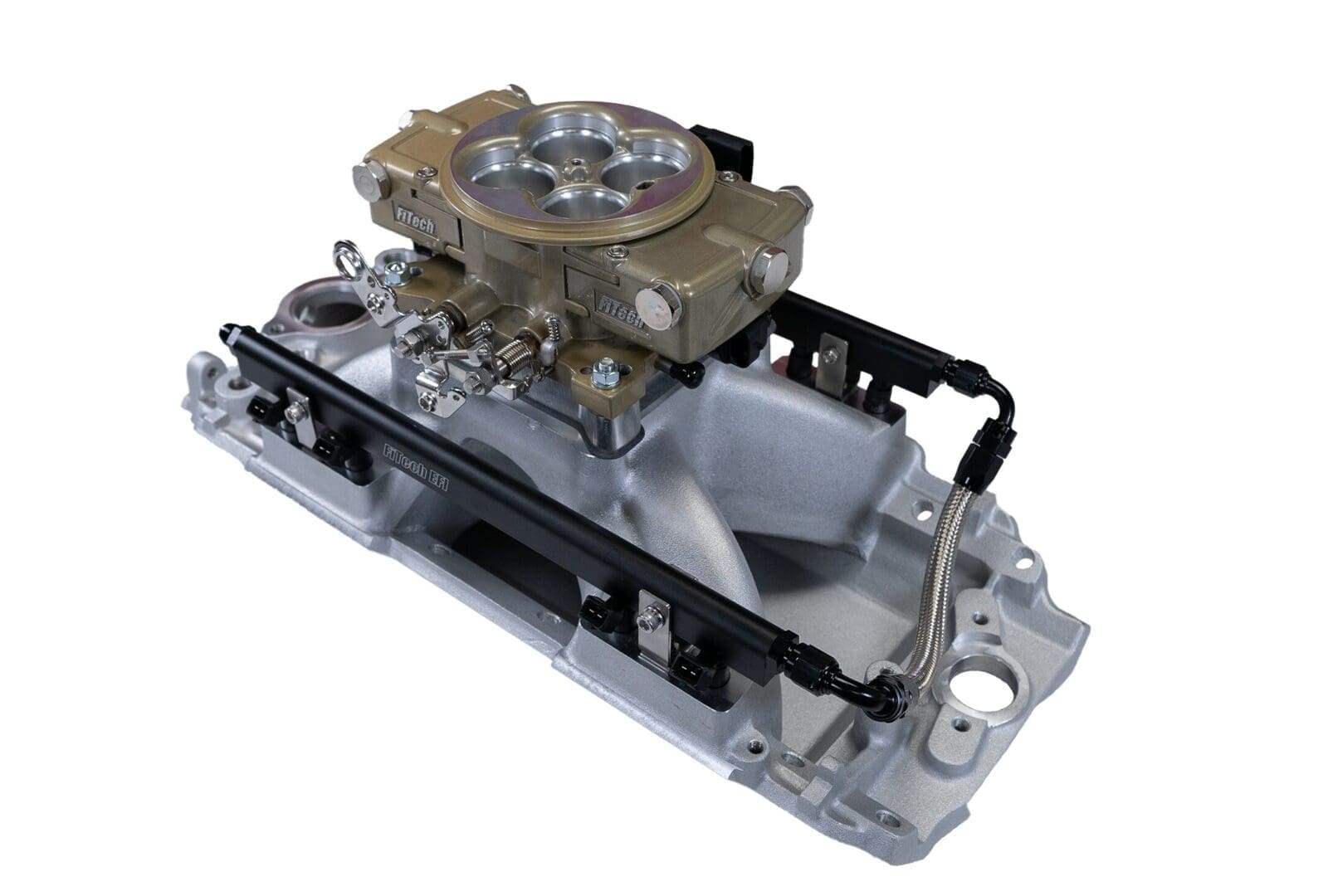
Common problems and quick fixes
This section lists frequent symptoms and simple fixes from the Fitech Troubleshooting Guide.
No start or cranks but no fire
- Check crank reference and cam sensor wiring first.
- Verify injector pulse with a noid light.
- Inspect main power and ground to the FiTech ECU.
Poor idle or stumbling
- Clean throttle body and check TPS alignment.
- Check fuel pressure at idle and under load.
- Look for vacuum leaks around the intake and fittings.
Stalling when warm
- Inspect coolant temp sensor and wiring.
- Check for clogged fuel filter or weak pump.
- Review base fuel map and VE table values.
Hard start when hot
- Check injector spray pattern and fuel pressure.
- Review cranking fuel enrichment settings in the Fitech system.
- Test crank and cam signal consistency.
Follow the steps in this Fitech Troubleshooting Guide to isolate the true cause. Start with the simplest checks and move to complex ones.

Step-by-step diagnostic checklist
Use this diagnostic flow from the Fitech Troubleshooting Guide to save time. Work top to bottom.
-
Visual and power check
- Inspect connectors, pins, and wires for corrosion or damage.
- Verify battery voltage at the FiTech ECU with key on.
- Check all engine grounds.
-
Sensor and signal check
- Test crank and cam sensors with a scope or multimeter.
- Check TPS voltage at closed and open throttle.
- Confirm coolant and air temp sensor readings.
-
Fuel delivery check
- Measure fuel pressure at rail with engine cranking and running.
- Test pump current draw to spot a failing pump.
- Swap filter and clear any restriction.
-
Injector and ignition check
- Use a noid light to confirm injector pulses.
- Check timing and verify spark at each plug.
- Inspect coil and spark plug condition.
-
Firmware and tune check
- Read any stored error codes in the FiTech ECU.
- Verify firmware version and known bugs.
- Reflash or reload factory tune if needed.
Each step in the Fitech Troubleshooting Guide narrows the problem. Take notes so you can revert any changes.
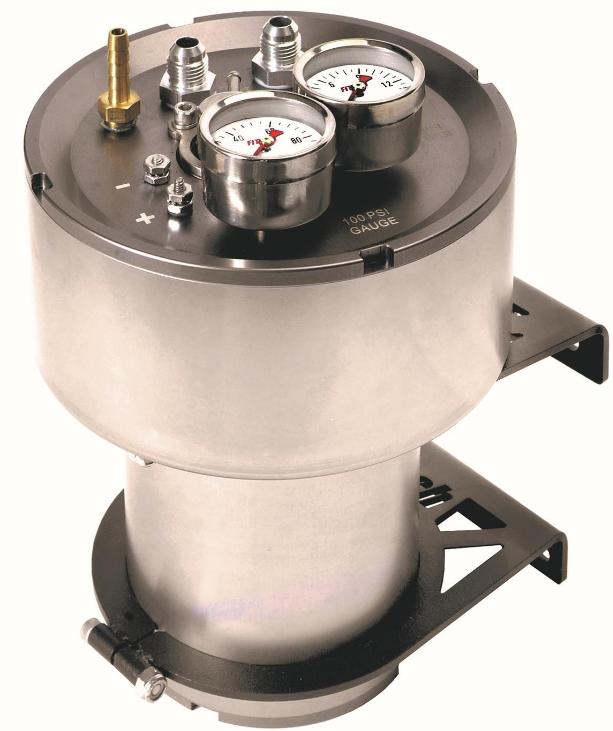
Wiring and electrical faults
Electrical issues are the top source of headaches. This Fitech Troubleshooting Guide stresses solid wiring checks.
- Loose battery or ground connections.
- Corroded pins in main connectors.
- Chafed wiring rubbing on the block or exhaust.
Testing tips:
- Wiggle suspect wiring while monitoring sensors to see if signals drop.
- Use a fused jumper to test power circuits safely.
- Clean and secure all grounds, including block-to-chassis and ECU ground.
I once traced an intermittent crank signal to a broken shield wire inside the harness. Fixing the shield stopped sporadic no-starts. That is the kind of practical note this Fitech Troubleshooting Guide shares.
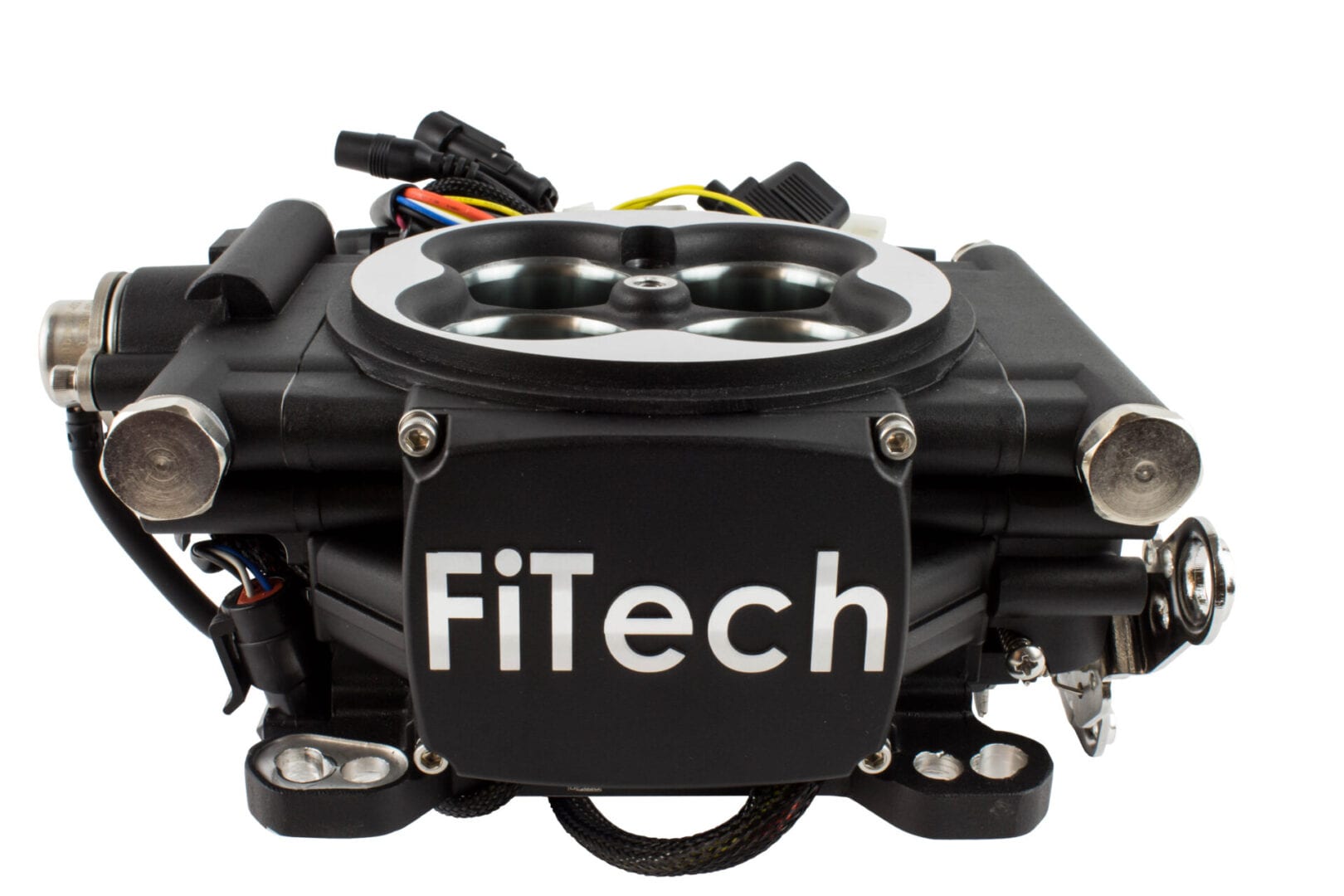
Fuel delivery and pump troubleshooting
Fuel issues mimic many other faults. This Fitech Troubleshooting Guide focuses on systematic checks.
Check fuel pressure first
- Static pressure with key on.
- Dynamic pressure under cranking and running.
- Pressure drop under load.
Pump and filter checks
- Listen for pump prime at key-on.
- Replace old filter before troubleshooting injectors.
- Measure pump current to find a weak pump motor.
Common causes covered in the Fitech Troubleshooting Guide:
- Collapsed fuel line under vacuum.
- Bad pressure regulator.
- Contaminated internal filter in the fuel pump module.

Sensor and timing faults
Bad sensors can cause rich, lean, or timing-related problems. This Fitech Troubleshooting Guide examines key sensors.
Crank and cam sensor tips
- Confirm steady waveform with scope or test light.
- Replace sensors that show missing pulses.
- Check reluctor and tone ring alignment.
Airflow and temp sensors
- Clean MAF and TPS as needed.
- Validate sensor voltages at idle and wide open throttle.
- Compare readings to expected values in the FiTech manual.
Timing issues
- Verify ignition timing is set to base spec.
- Check distributor or cam sync on engines with mechanical triggers.
- Confirm spark plug condition and gap.
I found a worn reluctor caused misfires on one build. Replacing the reluctor fixed it instantly. The Fitech Troubleshooting Guide recommends these small checks early.
Software, firmware, and tuning checks
Software can cause odd behavior. This Fitech Troubleshooting Guide includes firmware checks and tune review.
Firmware and map steps
- Check the ECU firmware version for known fixes.
- Back up your current tune before changes.
- Reinstall factory map to test if a custom tune is the issue.
Tuning-related faults
- Excessive knock can cause aggressive timing pull.
- Incorrect VE tables cause rich or lean conditions.
- Idle settings can create surge or stalling.
Use a conservative base tune when testing. This Fitech Troubleshooting Guide explains how to load factory defaults and slowly reapply custom settings.
Advanced troubleshooting and diagnostics
When basics fail, use deeper tests from the Fitech Troubleshooting Guide.
Use a scope
- View injector waveform and crank sensor signals.
- Compare waveforms to healthy reference patterns.
Log engine data
- Record fuel trims, temperatures, and sensor voltages.
- Look for patterns that relate to load, RPM, or temp.
Swap parts
- Use a known-good sensor or injector to isolate faults.
- Replace one item at a time to prevent confusion.
These advanced steps helped me diagnose a hard-to-find intermittent AFR swing on a street build. They will help you too.
Preventive maintenance and best practices
Prevention reduces the need for the Fitech Troubleshooting Guide. Do these simple things.
Maintenance list
- Keep fuel clean and change filter annually.
- Check and secure all engine and ECU grounds.
- Update firmware when stable releases appear.
Build tips
- Use quality connectors and heat-shrink on wiring.
- Protect harnesses away from heat and moving parts.
- Keep a service log of changes and firmware updates.
Small habits make troubleshooting rare. The Fitech Troubleshooting Guide encourages these checks.
Tools and resources you’ll need
A few tools make the Fitech Troubleshooting Guide easier to use.
Must-have tools
- Multimeter for voltage and resistance checks.
- Fuel pressure gauge for delivery tests.
- Noid light to test injector pulses.
Nice-to-have tools
- Oscilloscope for waveform checks.
- ECU interface cable for logs and firmware.
- Compression tester for engine health checks.
Using the right tool speeds up diagnosis. I keep this kit in my truck for quick roadside fixes.
Personal experience: lessons and tips
I have serviced FiTech EFI installs on classic cars and swaps. Here are concise lessons from real work.
Lessons learned
- Always secure grounds first. Most odd faults go away after grounding fixes.
- Keep a simple backup tune. Reverting to stock maps isolates tune issues fast.
- Replace old fuel filters early. A clogged filter makes diagnostics misleading.
Common mistakes to avoid
- Jumping to replace injectors without checking pressure and wiring.
- Ignoring firmware version when symptoms start after a software update.
- Failing to log errors before changing parts.
These real notes give the Fitech Troubleshooting Guide a practical edge.
Frequently Asked Questions of Fitech Troubleshooting Guide
What is the first check in the Fitech Troubleshooting Guide?
Start with power and grounds. Verify battery voltage, main fuses, and ECU grounds before deeper tests.
How do I read FiTech error codes?
Use the FiTech interface or handheld to read stored codes. Note the code and check the guide’s code list for meaning.
Can firmware cause driveability issues?
Yes. Outdated or buggy firmware can change behavior. Reflashing to a stable version can fix odd faults.
How often should I change the fuel filter?
Change the fuel filter yearly or every 12,000 miles for regular driving. More often for track or dusty conditions.
What tool finds intermittent crank signals best?
An oscilloscope is best for intermittent signals. It captures waveforms that a multimeter can miss.
How do I test injectors quickly?
Use a noid light to confirm pulse. For spray pattern, remove the rail and test each injector briefly at low pressure.
Conclusion
This Fitech Troubleshooting Guide gives a clear path from simple checks to advanced diagnostics. Follow the checklist, use the right tools, and start with power, grounds, and fuel pressure. My shop experience shows that patient, methodical testing fixes most FiTech issues. Try the steps here, keep good notes, and revert to a factory tune when in doubt. Share your results, subscribe for updates, or leave a comment with your specific symptom to get help.

