

Mrcool Troubleshooting Guide fixes most mini-split issues with clear steps and simple checks.
I have worked on HVAC systems for years and helped many homeowners with Mrcool mini-splits. This Mrcool Troubleshooting Guide gives clear steps, real tips, and fast fixes. Read on to learn hands‑on checks, safety steps, and when to call a pro. You will find diagnosis flows, common causes, quick fixes, and maintenance tips you can use today.

36% off Today’s Exclusive Deals
Limited-time Exclusive Deals. Check current discount on Amazon.
Check Price on Amazon As an Amazon Associate I earn from qualifying purchases.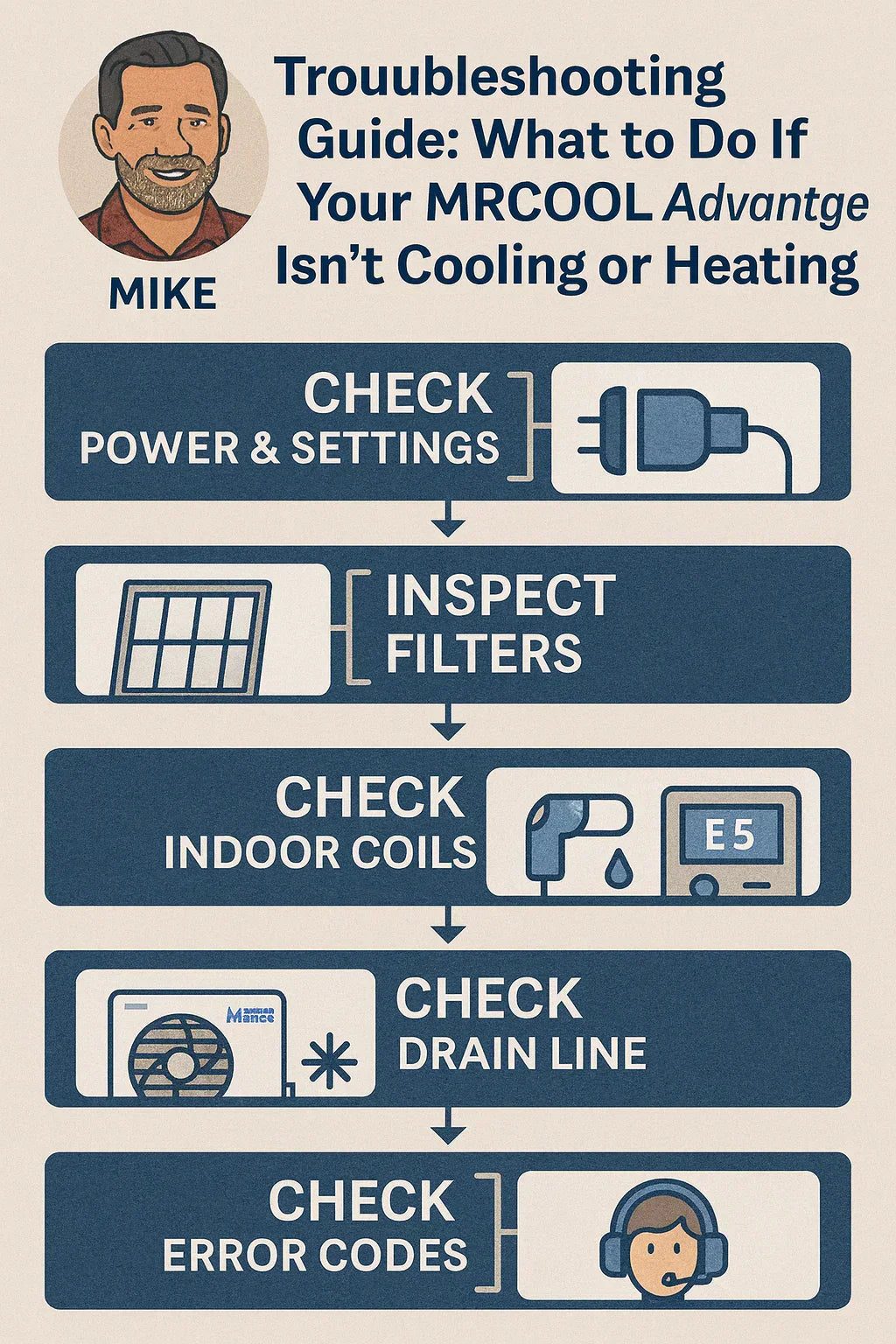
How Mrcool Systems Work
Mrcool systems are ductless mini-splits. They have an indoor air handler and an outdoor compressor. Refrigerant moves heat between those two units. A remote or Wi‑Fi controller sets the mode and temperature. Knowing how a Mrcool works helps you find problems fast.

Common Problems and Quick Fixes
This section covers the issues you will see most often in the Mrcool Troubleshooting Guide. Short fixes first. Then deeper checks.
Common issues
- The unit won’t turn on. Check breaker, remote batteries, and wall switch.
- Weak cooling or heating. Clean the filter, check airflow, and confirm mode.
- Unusual noises. Look for loose panels, fan hits, or debris in the outdoor unit.
- Water leaks or drip. Clear drain line and check pan tilt.
- Frozen indoor coil. Reduce fan speed, check airflow and defrost cycles.
- Error codes and flashing lights. Note the code and consult the manual.
Quick fixes you can try now
- Reset power by switching off the breaker for 30 seconds. Many small faults clear that way.
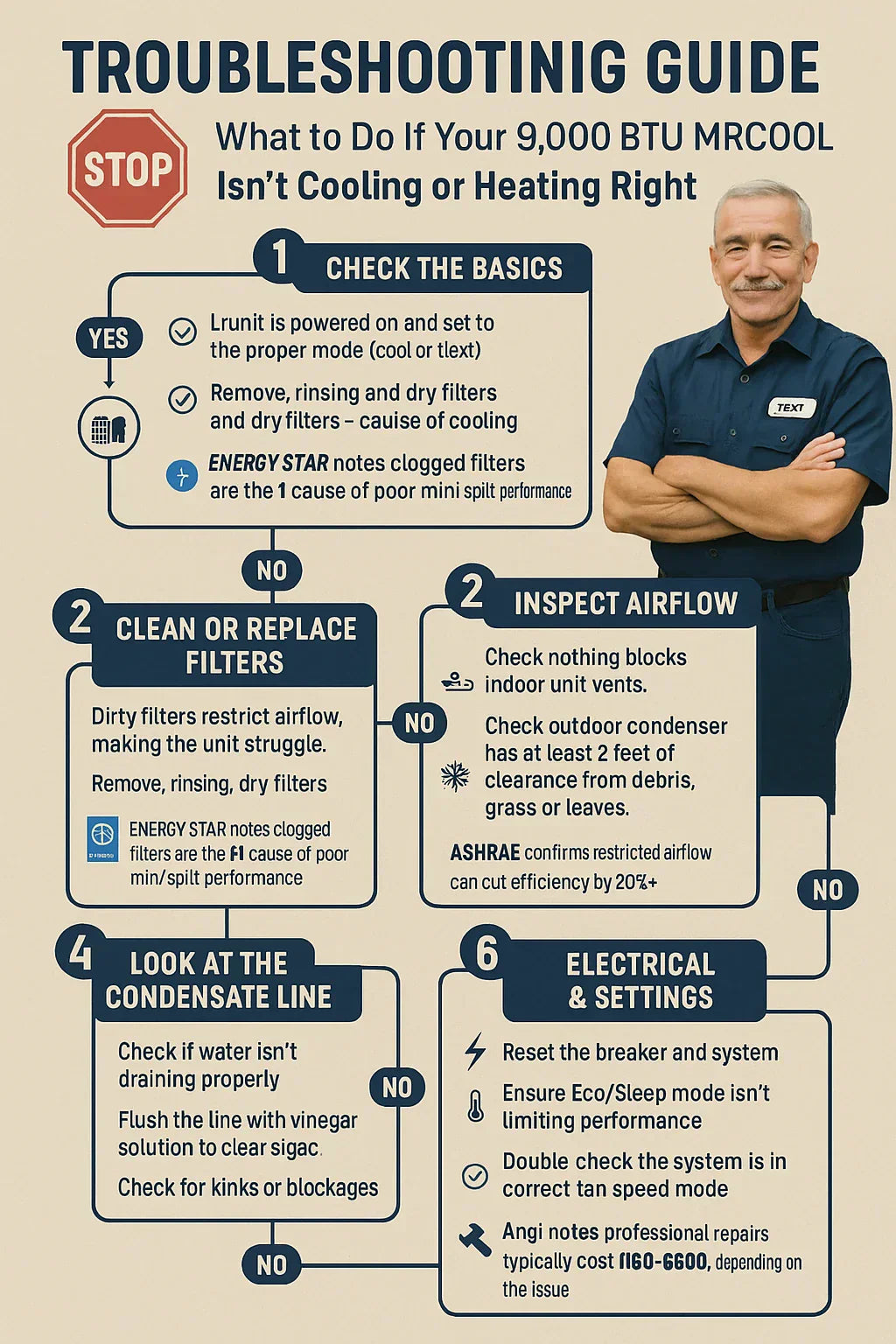
- Clean or replace the air filter. Dirty filters cut air flow fast.
- Clear 2 feet around outdoor unit. Remove leaves and debris that block airflow.
- Check remote and settings. Make sure mode is set to cool or heat and temperature is correct.
Small checks that prevent service calls
- Confirm the breaker is on. A tripped breaker is common and easy to fix.
- Replace remote batteries monthly if used often.
- Keep vents and furniture away from the indoor unit.
The Mrcool Troubleshooting Guide uses these same checks in nearly every diagnostic path. Start with power and airflow first, then move to sensors and refrigerant.
People also ask
How fast can I diagnose a no‑cool issue?
- Do the power, filter, and outdoor fan checks in 10 minutes. If those clear, call a pro if you suspect refrigerant.
Can a remote cause a Mrcool not to run?
- Yes. A dead remote or wrong mode will stop the system. Test with the wall control if available.
Step-by-Step Troubleshooting Checklist
Follow this checklist when you face a problem. Move from simple to complex. Keep notes of what you tried.
- Safety first
- Turn off power at the breaker before inspecting wiring or opening covers.
- Wear gloves and eye protection for outdoor work.
- Power and controls
- Confirm the breaker and any disconnect switch are on.
- Check remote batteries and wall control power.
- Reset the system by cutting power for 30 seconds.
- Airflow and filters
- Remove and clean filters. Replace if damaged.
- Check indoor vents and fan speeds.
- Ensure room doors are open if unit is sized for larger space.
- Outdoor unit checks
- Confirm outdoor fan runs when the system is on.
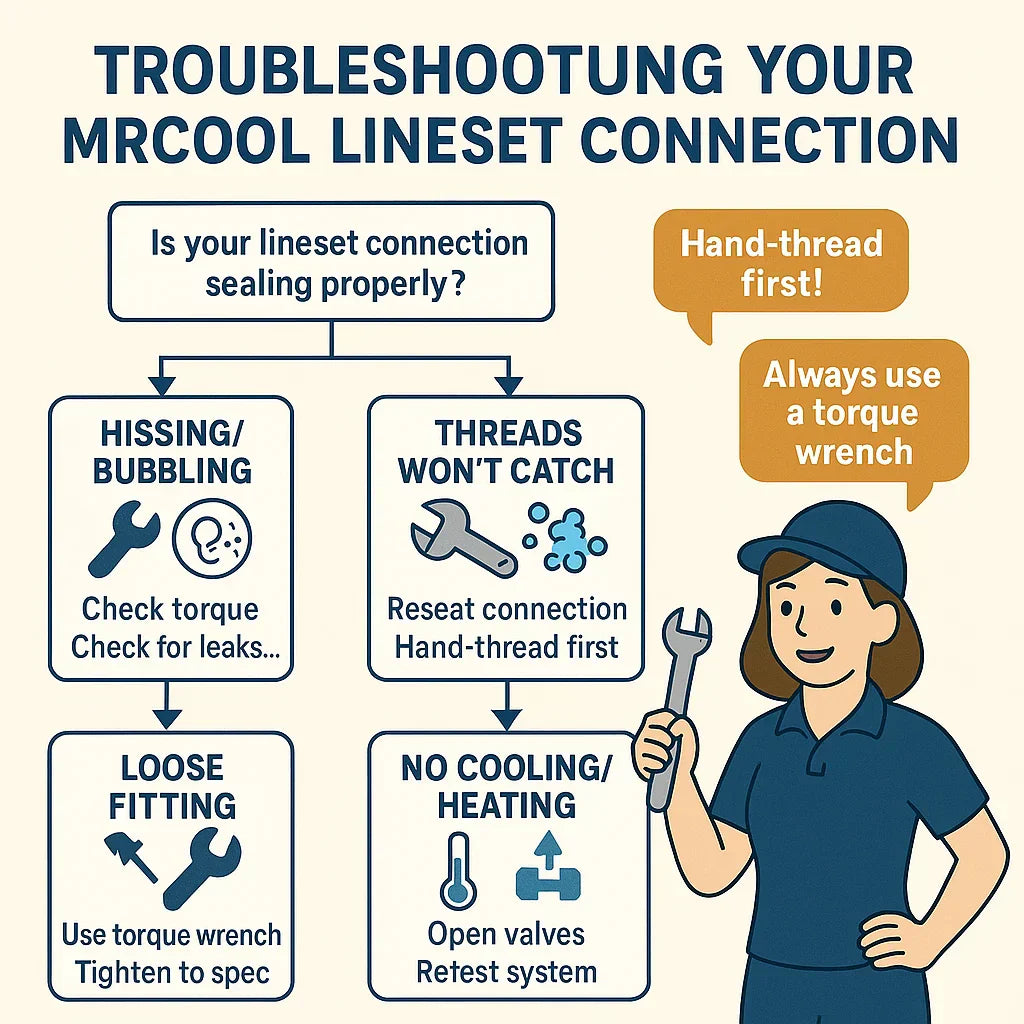
- Remove debris and ensure at least 2 feet of clearance.
- Look for oil spots that may signal a refrigerant leak.
- Drain and condensation
- Clear the condensate line with compressed air or gentle water flush.
- Verify the drain pan is not cracked and is tilted to the drain.
- Error codes and sensors
- Note any code shown on the display.
- Reset then check if code returns. Persistent codes often need a tech.
- When to stop and call a pro
- If you suspect a refrigerant leak.
- If the compressor won’t start or runs but does not cool.
- If the unit trips breakers repeatedly.
Use this Mrcool Troubleshooting Guide checklist when you need a clear path. It saves time and avoids unnecessary repairs.

Interpreting Mrcool Error Codes
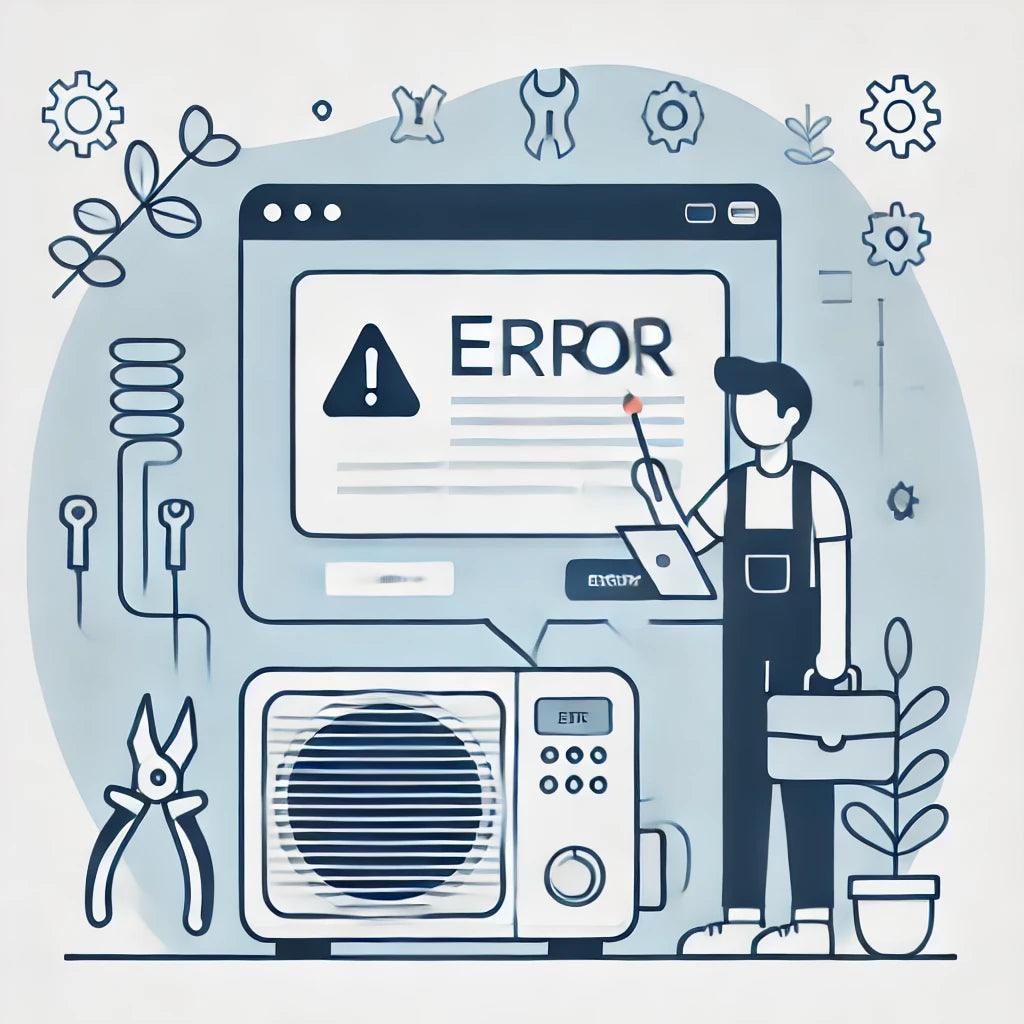
Mrcool models show codes for many faults. Codes may mean sensor faults, communication errors, or pressure problems. The exact code list is model specific, so check your manual for the definitive meaning.
Common code categories
- Sensor faults: Temperature sensors can fail or go out of range.
- Communication errors: Indoor and outdoor units may lose sync.
- Pressure or flow warnings: These hint at refrigerant or blockage issues.
How to act on a code
- Write down the code and search your model manual. That gives the correct fix.
- If the code clears after reset, monitor the unit. If it returns, call a certified tech.
- Do not attempt refrigerant repairs unless you are licensed. That is illegal and unsafe in many areas.
This Mrcool Troubleshooting Guide encourages safety. Use codes to guide a smart repair plan, not to guess at complex fixes.
Maintenance Tips to Avoid Future Problems
Routine care keeps Mrcool units reliable. Small effort now prevents larger repairs later.
Simple maintenance tasks
- Clean or replace filters every 1–3 months.
- Clear outdoor unit of leaves, grass, and snow seasonally.
- Schedule a professional inspection yearly for refrigerant levels and electrical checks.
- Keep indoor coils and drain lines clear to avoid mold and clogs.
Seasonal checks
- Before summer, test cooling mode and inspect the outdoor fan.
- Before winter, test heating and check defrost functions.
Benefits of regular maintenance
- Better efficiency and lower bills.
- Longer system life and fewer emergency calls.
- Cleaner air and fewer odors.
Follow these tips in the Mrcool Troubleshooting Guide to reduce surprises and keep performance steady.
When to Call a Professional and Warranty Info
Call a certified HVAC technician when issues go beyond basic checks. Protect yourself and the system by knowing when to stop.
Call a pro if
- You suspect a refrigerant leak or see oil stains.
- The compressor won’t start or hums but does not run.
- The unit trips breakers repeatedly or has electrical damage.
- You see persistent error codes after resets.
Check your warranty
- Find your model number and register it if needed.
- Warranty often covers parts but may exclude labor or refrigerant loss.
- Keep receipts for installation and service to support claims.
This Mrcool Troubleshooting Guide emphasizes safe choices. Let licensed techs handle refrigerant and major electrical repairs.
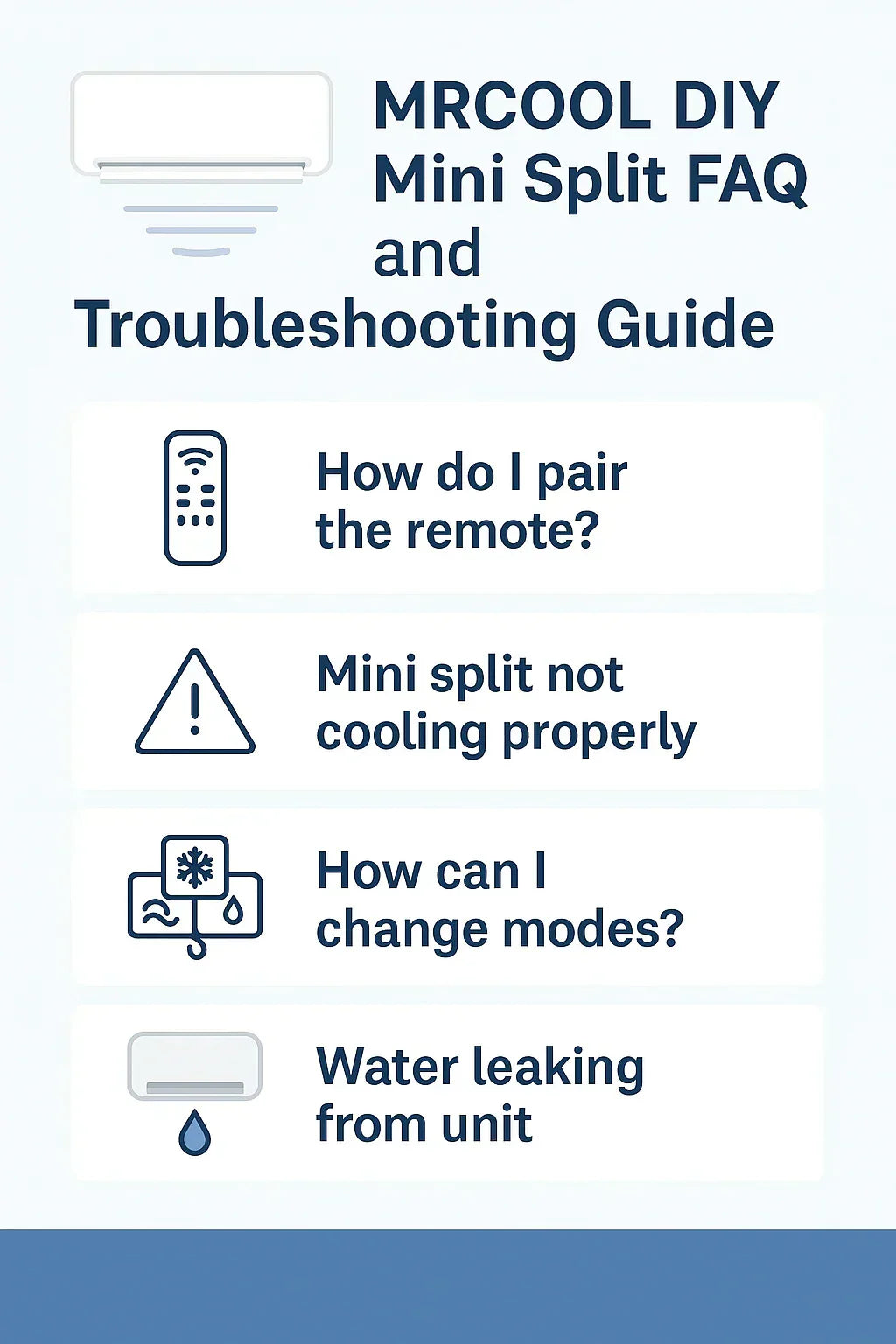
Tools and Parts You Might Need
Having the right tools makes troubleshooting faster. Here are common items I use and recommend.
Basic tools
- Screwdrivers and nut drivers for panels.
- Multimeter to test voltage and continuity.
- Flashlight and mirror to inspect tight areas.
Cleaning and small parts
- Soft brush and vacuum for coils and filters.
- Replacement filters sized for your indoor unit.
- Small tube brush or compressed air for drain lines.
When ordering parts
- Use your exact model number. Mrcool models vary by series and size.
- Keep photos of the part and serial to speed ordering.
A small tool kit and common spare parts shorten repair time when following the Mrcool Troubleshooting Guide.

Personal Experience and Lessons Learned
I have fixed dozens of mini‑splits. Most calls were simple. A tripped breaker, a clogged filter, or a dead remote were common. One call involved a frozen coil. The homeowner turned the fan off while leaving the compressor on. That caused ice buildup. We reset the system, fixed the airflow, and the unit ran fine after defrost.
Lessons learned
- Start simple. Power and filters fix many issues.
- Take photos before disassembly. They make reassembly easy.
- Log codes, noises, and times. That helps techs diagnose faster.
Practical tip
- When a system trips after storms, check the outdoor disconnect and breaker first. It’s often just a power surge.
I write the Mrcool Troubleshooting Guide from real work. These small habits save time and money.
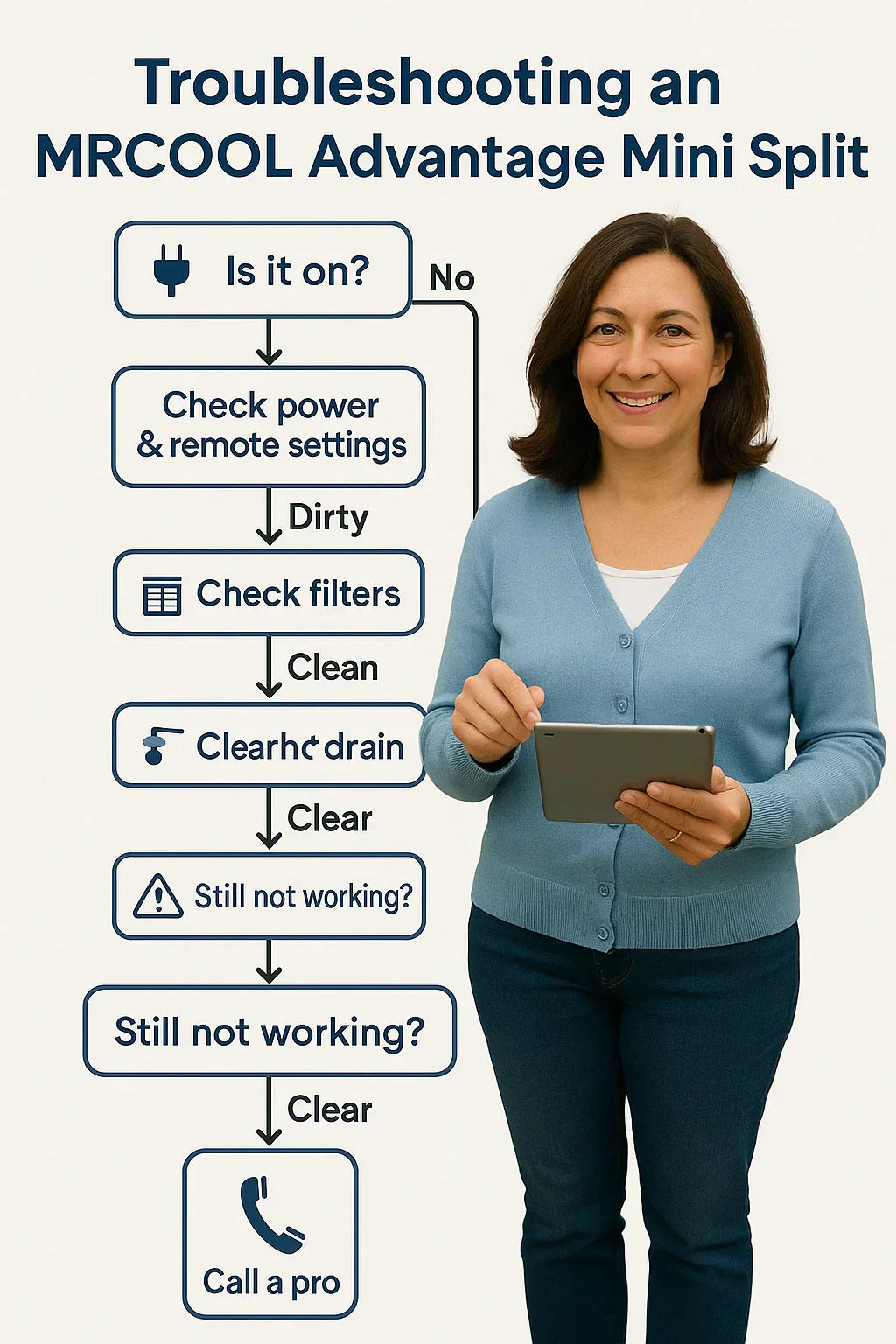
Frequently Asked Questions of Mrcool Troubleshooting Guide
What should I do if my Mrcool unit displays an error code?
Note the code, power cycle the unit, and consult your model manual. If the code returns, contact a licensed technician for a diagnosis.
Why is my Mrcool blowing warm air when set to cool?
Check the mode and thermostat. Clean filters and confirm outdoor fan operation. If those checks fail, there may be refrigerant or compressor issues.
How often should I clean the filters on a Mrcool mini‑split?
Clean filters every 1–3 months. If the home has pets or heavy use, clean them monthly for best performance.
Can I fix refrigerant leaks myself on a Mrcool?
No. Refrigerant work requires a licensed professional. Attempting DIY refrigerant repair is unsafe and often illegal.
How long does a Mrcool unit last with proper maintenance?
With regular care, a Mrcool mini‑split can last 10–15 years. Timely service and clean filters help extend life.
Conclusion
This Mrcool Troubleshooting Guide gives a clear path from simple checks to safe decisions about professional help. Start with power and filters. Note error codes. Keep the outdoor unit clear and schedule yearly service. Use the checklist and tips here to save time and money. Take action today: clean your filter, test the settings, and bookmark this guide for future reference. If you found this helpful, leave a comment or subscribe for more hands‑on HVAC advice.

