

Most furnace failures are fixable by checking power, thermostat, filter, and ignition.
I’ve spent years troubleshooting heating systems, and I’ll walk you through clear, safe steps to diagnose why your furnace is not working. This guide covers common causes, hands-on checks, safety tips, repair options, and real-world lessons so you can fix simple issues or know when to call a pro. Read on to get a complete, practical playbook for Furnace Is Not Working Troubleshooting.

36% off Today’s Exclusive Deals
Limited-time Exclusive Deals. Check current discount on Amazon.
Check Price on Amazon As an Amazon Associate I earn from qualifying purchases.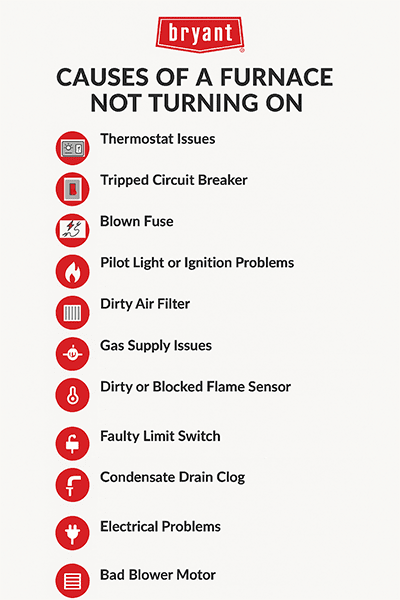
Why furnaces stop working: common causes and signs
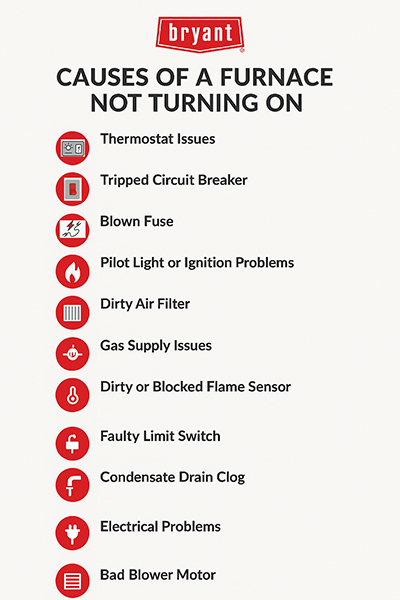
A furnace can stop working for many reasons. Power loss, thermostat issues, dirty filters, or ignition failures are top causes. Mechanical parts like the blower motor or limit switch can fail. Fuel supply problems or blocked vents can also shut a system down.
Signs to watch for:
- No heat at all.
- Furnace runs but blows cold air.
- Short cycling — the unit turns on and off quickly.
- Strange noises, smells, or an error code on the unit.
- Pilot light out or ignition failure.
Understanding these signs helps with Furnace Is Not Working Troubleshooting and speeds up diagnosis.
Safety first: quick checklist before you start
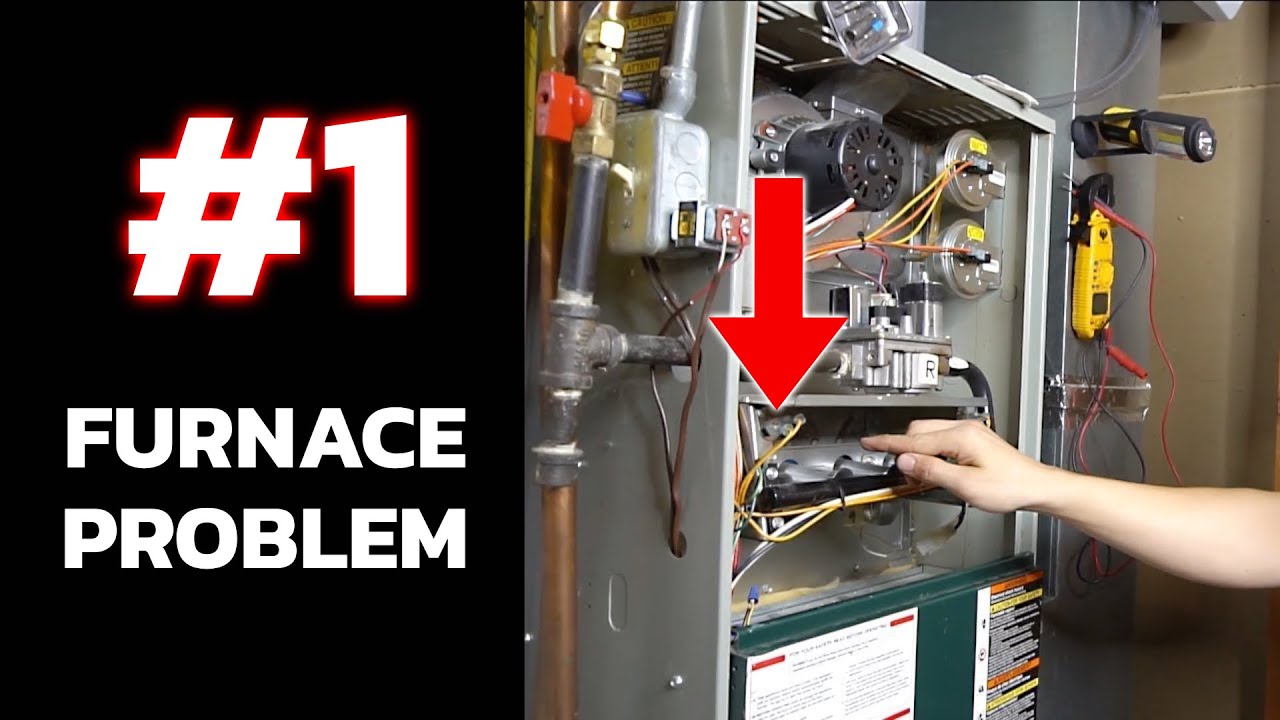
Always put safety first when doing furnace work. Turn off power at the thermostat and breaker. Shut the gas valve if you smell gas. Wear gloves and eye protection. Keep a fire extinguisher nearby.
Quick safety steps:
- Verify power is off at the breaker.
- Turn off the gas if you detect a gas smell.
- Avoid touching hot surfaces or moving fan blades.
- Use only a flashlight in dark areas—no open flames.
Following this safety checklist protects you while doing Furnace Is Not Working Troubleshooting.
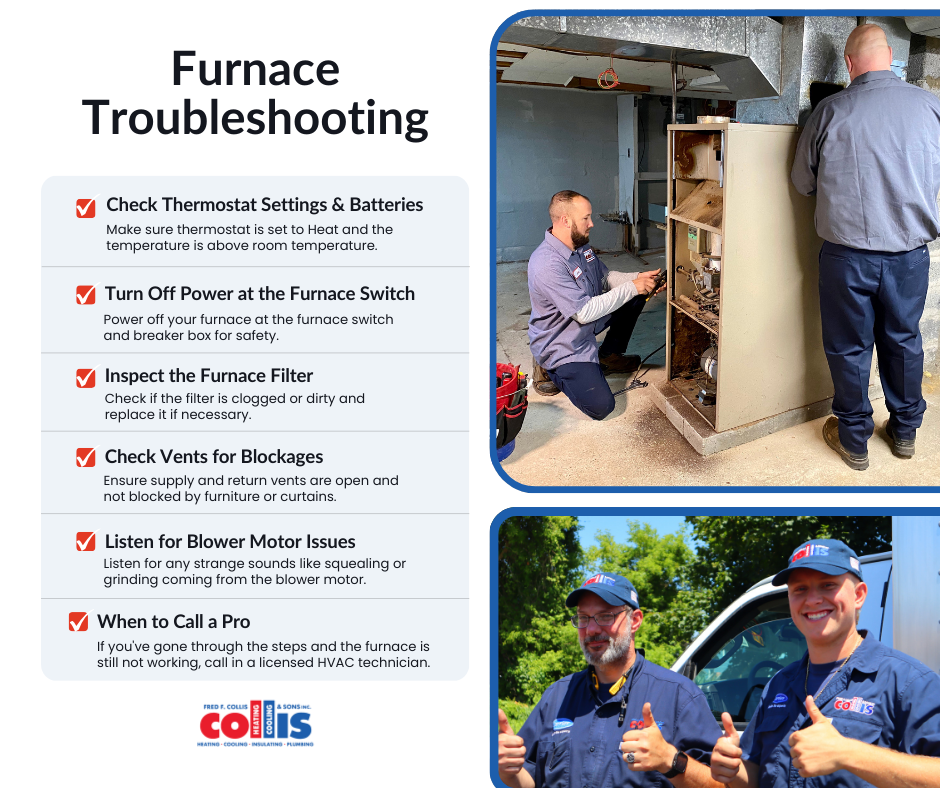
Step-by-step furnace troubleshooting (easy checks you can do)
Start with the simple stuff. Many fixes are straightforward and cheap.
-
Check the thermostat
-
Confirm the thermostat is set to heat and temperature is above room temp.
-
Replace batteries if present.
-
If the thermostat is digital and blank, check the breaker.
-
Verify power and switches
-
Check the furnace’s power switch (looks like a light switch).
-
Inspect the breaker panel for tripped breakers.
-
Reset any tripped breaker and try again.
-
Inspect and replace the air filter
-
A clogged filter reduces airflow and causes shutdowns.
-
Replace disposable filters every 1–3 months.
-
A clean filter often resolves airflow problems quickly.
-
Look at the pilot light or ignition system
-
For older units, confirm the pilot light is lit.
-
For modern furnaces, listen for the ignition sequence.
-
If the ignition fails repeatedly, the igniter or gas valve may be faulty.
-
Check the condensate drain and pressure switch (high-efficiency units)
-
Blocked drains or a stuck pressure switch can stop the furnace.
-
Clear the drain and test the switch if accessible.
-
Examine the blower motor and limit switch
-
If the fan does not run, the motor, capacitor, or relay might be bad.
-
If the furnace overheats and shuts off, the limit switch may be tripping.
-
Inspect vents and flues
-
Blocked intake or exhaust vents cause poor combustion and shutdowns.
-
Clear leaves, snow, or debris from outside vents.
-
Check error codes or LED indicators
1. Many furnaces blink error codes on a control board. -
Note the blink pattern and reference the unit’s manual for meaning.
These steps form a practical routine for Furnace Is Not Working Troubleshooting. Start simple, then escalate if needed.
Troubleshooting examples and real fixes I’ve used
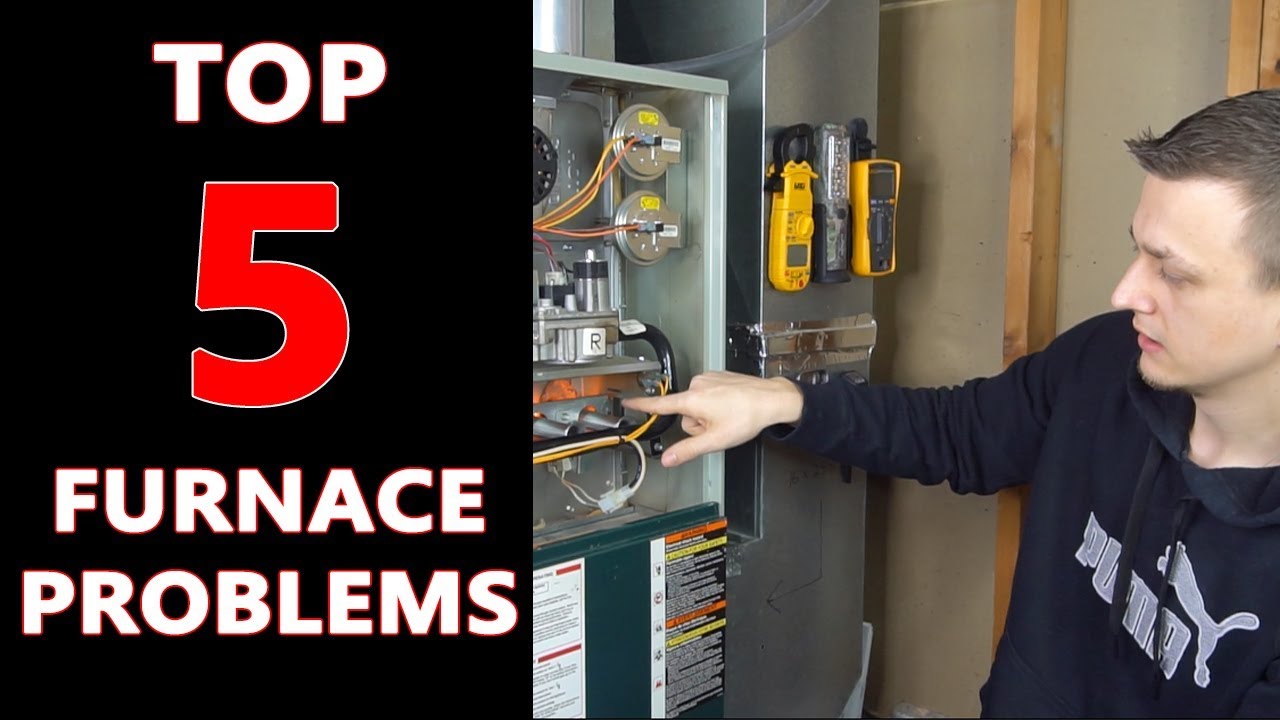
I once repaired a furnace that wouldn’t start after a storm. The breaker had tripped while the thermostat still showed power. Resetting the breaker and replacing a burned-out fuse got it running again. Another time, a family had frequent short cycling. Replacing a clogged filter and cleaning the blower wheel fixed it.
Lessons I learned:
- Always check power and filters first. These are the most common culprits.
- Note any smells or sounds. They give key clues.
- Keep a small toolkit: multimeter, flashlight, and replacement filters.
These real examples show practical steps for Furnace Is Not Working Troubleshooting.
When to call a professional
Some problems need a licensed HVAC technician. Call a pro if:
- You smell gas or carbon monoxide.
- Electrical components fail repeatedly.
- Ignition or gas valve work is needed.
- Compressor or major components need replacement.
- The furnace is under warranty—DIY repairs may void it.
Professionals have tools and training for safe, complex repairs. If you’re unsure, it’s safer to call help than risk damage or injury.
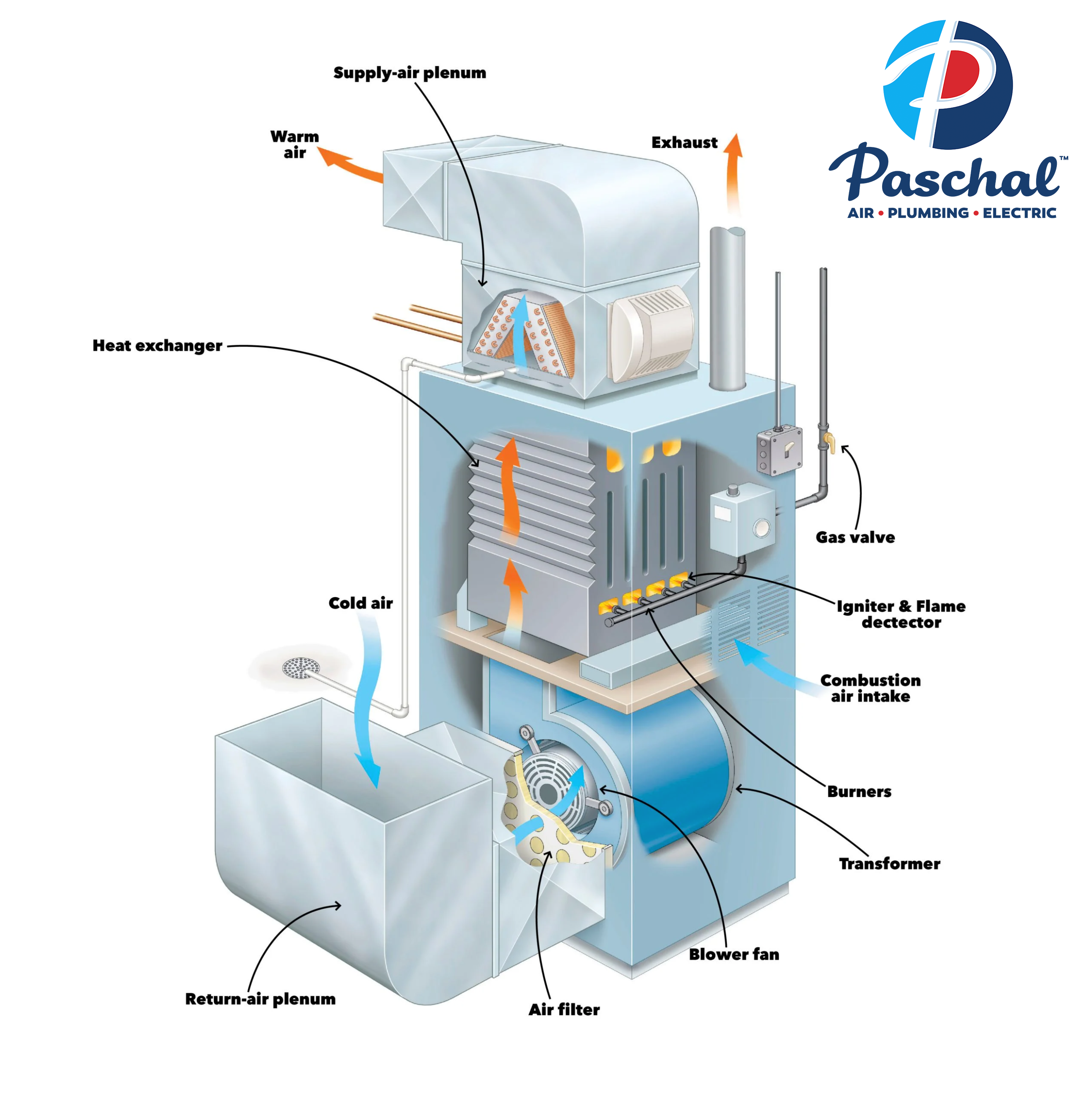
Common parts that fail and repair costs
Knowing typical failures helps plan repairs and budgets. Costs vary by region and unit type.
Typical parts and rough costs:
- Air filter: $5–$50.
- Thermostat: $20–$250 depending on smart features.
- Igniter/pilot assembly: $50–$300.
- Flame sensor or pressure switch: $50–$200.
- Blower motor: $200–$700.
- Gas valve or control board: $200–$800.
These estimates help prioritize repairs during Furnace Is Not Working Troubleshooting. Prices change, so get local quotes for precise costs.
Preventive maintenance to avoid breakdowns
Regular care reduces emergency calls. A few habits go a long way.
Maintenance tasks:
- Replace or clean filters every 1–3 months.
- Schedule an annual professional tune-up.
- Keep vents and returns clear of furniture and dust.
- Test the thermostat before winter.
- Inspect flue and vent caps annually.
Good maintenance improves safety, efficiency, and lifespan. It also makes Furnace Is Not Working Troubleshooting less likely.

Troubleshooting PAA-style quick questions
Why is my furnace not turning on at all?
Check the thermostat settings, breaker, and power switch first. If power is confirmed and it still won’t run, the control board or transformer could be at fault.
Why does my furnace turn on but blow cold air?
This can happen if the gas supply or ignition fails, or if the heat exchanger isn’t warming. Also check the thermostat mode and filter for airflow restrictions.
Why does my furnace short cycle?
Short cycling often results from poor airflow, an oversized furnace, or a failing limit switch. Clean filters and ensure vents are open; call a pro if it continues.
Personal tips and mistakes to avoid
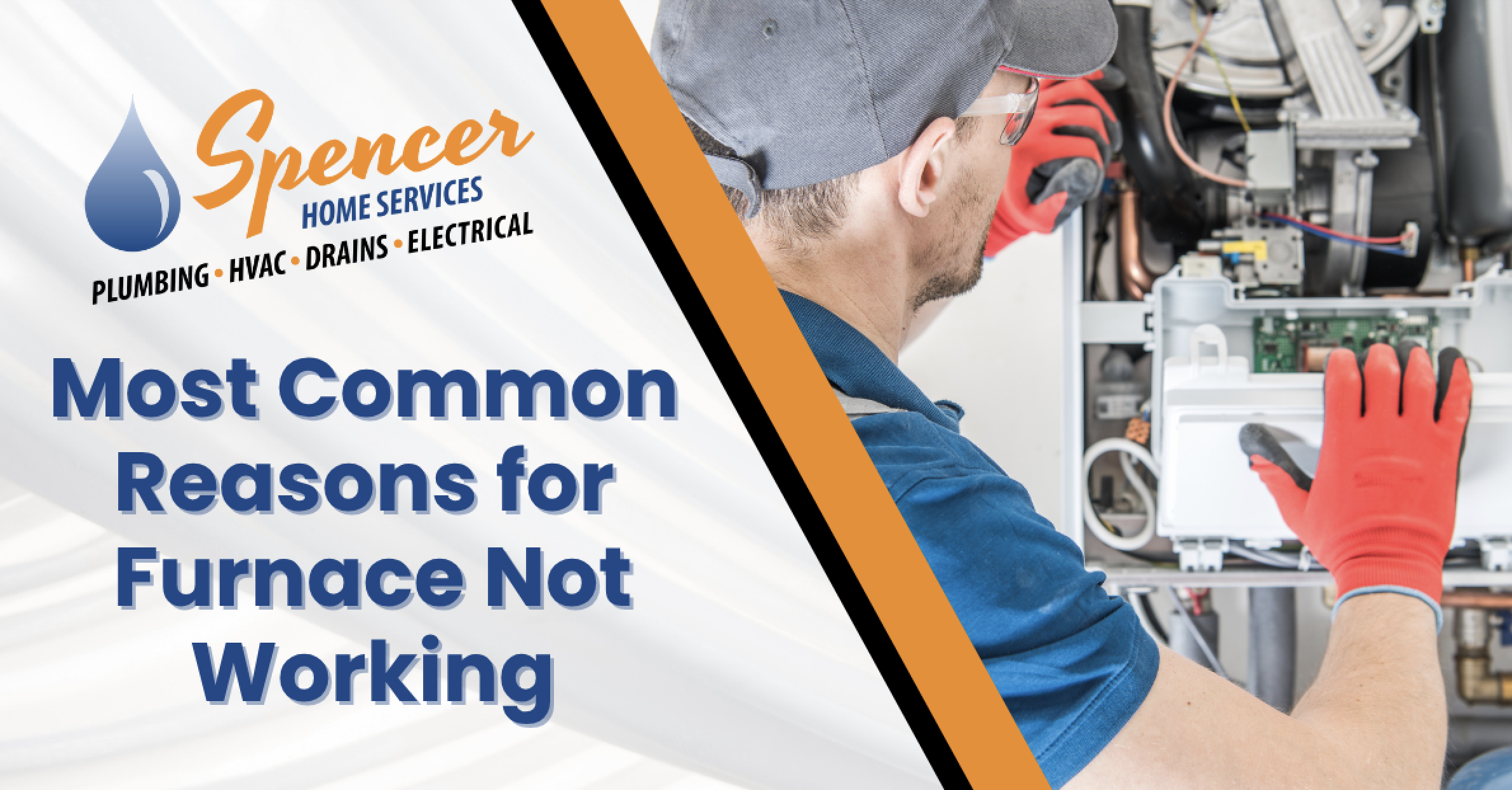
I learned early to never skip the basics. A dead thermostat battery once led me to replace an igniter unnecessarily. I now always check power and filters first.
Tips:
- Label breakers and switches for quick checks.
- Keep spare filters and thermostat batteries on hand.
- Document error codes and take photos—this helps pros diagnose remotely.
- Avoid DIY gas or combustion work unless certified.
These habits save time and money during Furnace Is Not Working Troubleshooting.
Frequently Asked Questions of Furnace Is Not Working Troubleshooting
What should I check first if my furnace won’t start?
First check the thermostat, circuit breaker, power switch, and air filter. These simple checks fix many common issues.
Can a dirty filter prevent a furnace from working?
Yes. A clogged filter reduces airflow and can cause the furnace to overheat and shut down. Replace filters regularly.
Is it safe to relight the pilot light myself?
If you have a manual and feel comfortable, you can relight the pilot following manufacturer steps. If you smell gas or are unsure, call a professional.
How long should a furnace last with proper maintenance?
With regular maintenance, a gas furnace often lasts 15–20 years. Proper care can extend lifespan and improve efficiency.
Why does my furnace make loud noises when starting?
Noises can come from loose panels, a failing blower motor, or delayed ignition. Inspect panels and listen; call a technician for mechanical or ignition noises.
Can a thermostat cause a furnace not to work?
Yes. Faulty wiring, dead batteries, or a failing thermostat can stop the furnace from starting. Replace batteries and check settings first.
Conclusion
You can solve many heating problems with simple checks: power, thermostat, filter, ignition, and vents. Use the step-by-step approach above for Furnace Is Not Working Troubleshooting. If the issue is complex, unsafe, or involves gas and electrical systems, call a licensed technician. Take action now: check the basics, replace filters, and schedule a tune-up to avoid future headaches. If this guide helped, subscribe, leave a comment, or share your own troubleshooting story.

