

Most Williams wall furnace issues are simple fixes: check power, gas, pilot, venting, and thermostat.
I have spent years repairing and troubleshooting wall furnaces and know Williams systems well. This guide on Williams Wall Furnace Troubleshooting covers common faults, clear steps, safety tips, and when to call a pro. Read on to learn practical fixes, avoid costly mistakes, and keep your furnace running safely.

Overview of Williams Wall Furnace Troubleshooting
Williams Wall Furnace Troubleshooting means finding why a unit won’t heat or runs poorly and fixing it safely. These furnaces are common in small homes and cabins. They use gas, a pilot or electronic ignition, and simple controls. Troubleshoot in a calm, staged way. Start with power, then gas, then ignition, then vents and controls.

Common problems and step-by-step fixes
This section covers the most common calls I see for Williams Wall Furnace Troubleshooting. Each problem has clear checks and actions.
No heat at all
- Check power to the unit. Make sure the switch is on and the breaker is not tripped.
- Confirm gas supply. Verify other gas appliances work and the valve to the furnace is open.
- Inspect the pilot or ignition. For a standing pilot, follow the relight steps in the manual. For electronic ignitors, listen for clicking.
Tips from experience: Always shut off gas and power before poking inside. If ignition spark is weak, the ignitor or safety switch may need replacement.
Pilot light will not stay lit
- Clean the pilot orifice. Dust can block flame. Use compressed air or a soft brush.
- Check thermocouple position. It must sit in the flame. Bend it slightly if misaligned.
- Replace a failing thermocouple. A weak thermocouple causes the pilot to go out.
I once fixed a pilot that went out nightly by replacing the thermocouple. It cost little and restored reliable operation.
Furnace runs but weak heat or short cycles
- Inspect airflow and vents. Closed or blocked louvers reduce heat.
- Check thermostat settings and batteries. Low batteries can create short cycles.
- Look for clogged burner ports. Clean with a soft brush or vacuum.
Short cycling often ties back to poor airflow or a dirty burner. Fixing vents often resolves the problem.
Strange smells or gas odor
- If you smell gas, leave the area immediately. Do not light matches or flip switches.
- Shut off the gas at the meter or appliance valve if safe to do so. Call the gas company or emergency service.
- For combustion smells (burnt dust), run the furnace for a short time and ventilate. New or unused furnaces can have harmless burn-off odors.
Safety first. Any persistent gas smell means stop using the furnace and call an expert.
Noisy operation: rattles, bangs, whine
- Tighten loose panels and screws. Panels can vibrate and rattle.
- Check for delayed ignition. A small gas build-up before ignition causes a pop or bang.
- Inspect blower or fan (if present) for debris or worn bearings.
A gentle rattle is usually an easy fix. Loud bangs or metal stress need professional assessment.

PAA-style quick questions (short answers)
How do I relight a Williams wall furnace pilot?
Shut off the gas and wait five minutes. Follow the manual steps: turn to pilot, press control knob, light pilot, hold until stable, then turn to on.
Why does my furnace cycle on and off quickly?
Short cycling often means poor airflow, thermostat misread, or clogged burner. Start with vents and thermostat batteries.
Can I clean burner ports myself?
Yes, you can gently clean ports with a soft brush or compressed air after shutting off gas and power. Avoid damaging the ports or misaligning components.

Preventive maintenance and best practices
Regular care reduces the need for Williams Wall Furnace Troubleshooting. A small effort every season pays off.
- Monthly visual checks
- Inspect for soot, loose panels, or signs of leaks.
- Make sure vents are clear of dust and furniture.
- Annual service tasks
- Have a qualified tech clean burners, check gas pressure, and test safety devices.
- Replace thermocouple, pilot assembly, or filters if worn.
- Simple owner tasks
- Replace thermostat batteries yearly.
- Keep the area around the furnace clean and well ventilated.
My routine: quick monthly look, and a pro check each fall. That routine cut service calls in half.
Parts, tools, and safety checklist
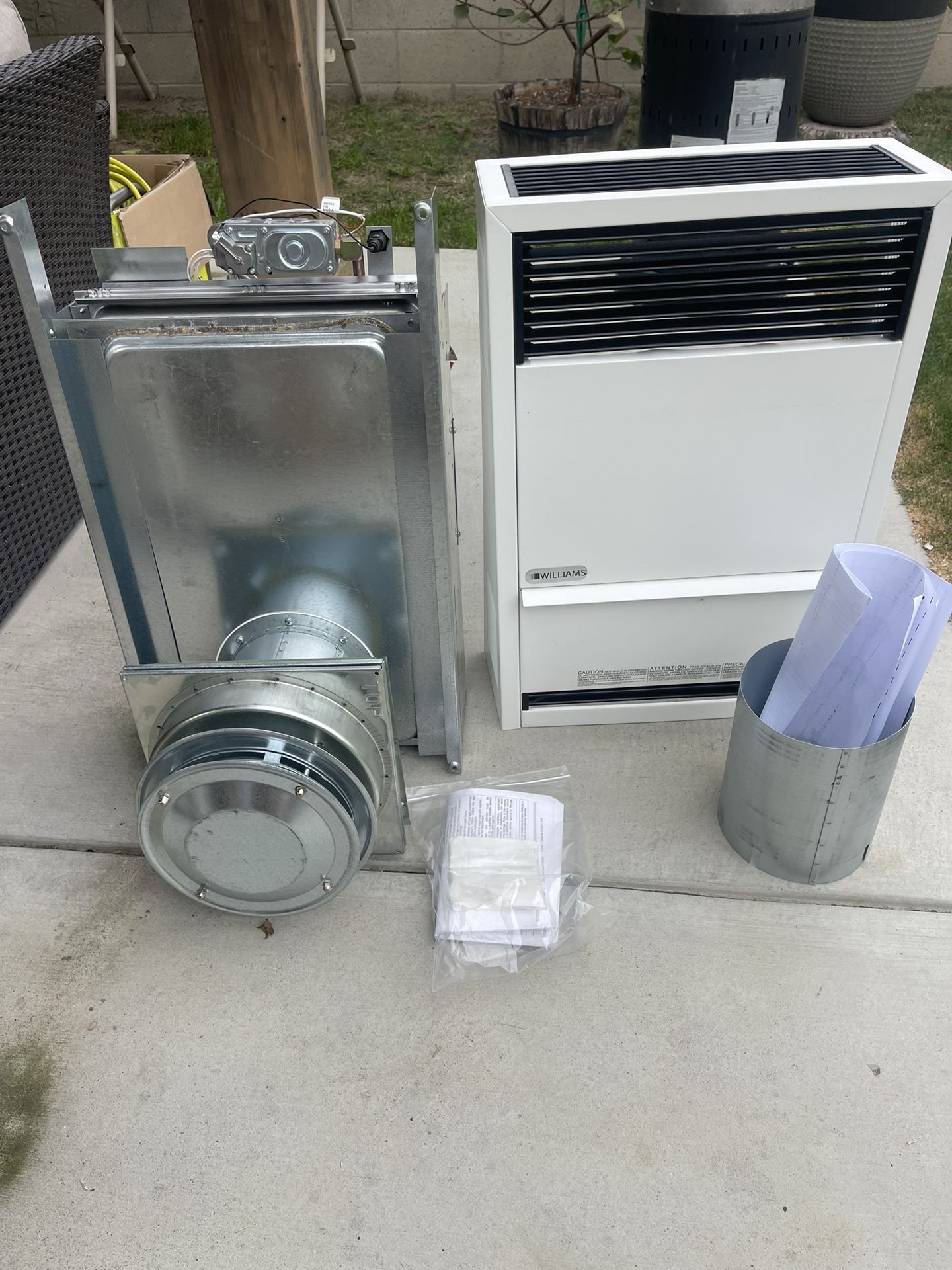
Knowing parts and tools helps with safe Williams Wall Furnace Troubleshooting.
- Common parts
- Pilot assembly, thermocouple, ignitor, gas valve, burners, thermostat.
- Handy tools
- Screwdrivers, socket set, multimeter, soft brush, flashlight, compressed air.
- Safety steps
- Turn off gas and power before opening the unit.
- Ventilate rooms when testing. Wear gloves and eye protection.
- If you smell gas, evacuate and call professionals.
Label parts after removal if you plan to order replacements. Small parts can look similar and cause mistakes.

Advanced diagnostics and when to call a professional
Some issues need tools or certifications. Know when DIY stops and pro service begins.
- Advanced checks
- Gas pressure testing, combustion analysis, and sealed combustion inspection need a certified tech.
- Electrical diagnostics beyond basic continuity tests require skill.
- Warning signs to call a pro
- Persistent gas odor or repeated pilot failures.
- Cracked heat exchanger or visible corrosion.
- Frequent short cycling after simple fixes.
- Cost and timing
- Minor repairs can be inexpensive and quick. Complex fixes or part replacements vary by model and age.
If a fix involves internal gas controls or suspected carbon monoxide, stop and call a technician immediately.
Frequently Asked Questions of Williams Wall Furnace Troubleshooting
How often should I clean my Williams wall furnace?
Clean visible dust and lint every month. Get a professional tune-up yearly to clean burners and check safety systems.
Can I replace the thermocouple myself?
Yes, you can replace a thermocouple if you are comfortable with basic tools. Turn off gas and power and follow the manual instructions or get a pro if unsure.
What causes the furnace pilot to keep going out?
A dirty pilot, misaligned thermocouple, or weak gas pressure usually causes pilot outage. Clean the pilot and check thermocouple position first.
Is it dangerous to run a wall furnace with a small leak?
Yes, any gas leak can be dangerous. Evacuate, ventilate, and contact the gas company or a qualified technician right away.
Why does my furnace smell like burning when it first runs?
Dust burning off after a long idle period can cause a brief smell. If the smell persists or is sharp like gas, shut it down and call a pro.
How long do Williams wall furnaces typically last?
With good maintenance, many wall furnaces last 15 to 30 years. Lifespan varies with usage, maintenance, and model quality.
[No CodeImg here]
Final thoughts and next steps
Williams Wall Furnace Troubleshooting often starts with simple checks. Look at power, gas, pilot, vents, and thermostat before calling a pro. Keep a basic tool kit and schedule annual service to avoid surprises. If you ever smell gas or see corrosion, stop and call a qualified technician. Try the easy fixes first and track any changes. Share your experience or questions below and consider subscribing for more home heating tips.
