

Pilot light issues are usually caused by a dirty pilot, faulty thermocouple, or gas supply.
I’ve spent years fixing home furnaces and training homeowners on safe troubleshooting. This guide on Furnace Pilot Light Troubleshooting brings clear steps, safety tips, and real-world tips to help you diagnose and fix common pilot light problems. Read on for simple checks, step-by-step instructions, and when to call a pro so you can restore heat safely and quickly.

36% off Today’s Exclusive Deals
Limited-time Exclusive Deals. Check current discount on Amazon.
Check Price on Amazon As an Amazon Associate I earn from qualifying purchases.
Understanding the pilot light and how it works
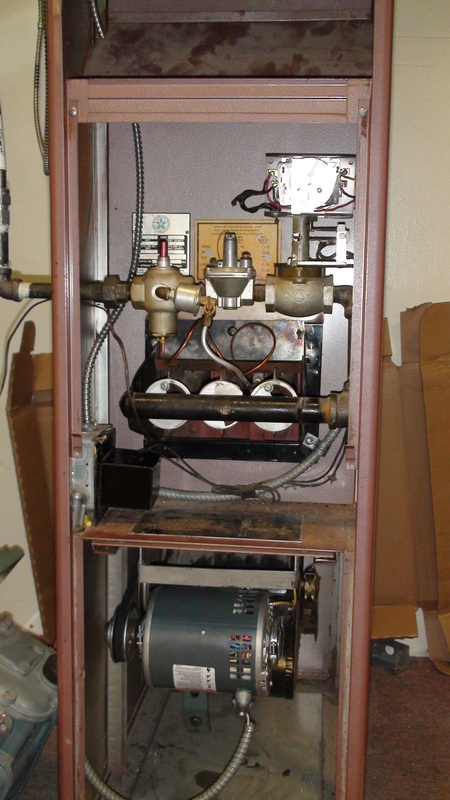
A pilot light is a small flame that ignites the main burner in older gas furnaces. Furnace Pilot Light Troubleshooting starts with knowing the parts: pilot assembly, thermocouple, gas valve, and control knob. The thermocouple senses heat from the pilot and tells the gas valve to stay open. If anything in that chain fails, the pilot will not stay lit.
Common terms to know:
- Pilot assembly: where the small flame burns.
- Thermocouple: safety sensor that detects flame.
- Gas valve and control knob: let fuel flow to the pilot and burner.
I’ll use these terms again in troubleshooting steps to keep things simple and clear.

Common symptoms of pilot light problems
Knowing symptoms helps you decide what to do next. Furnace Pilot Light Troubleshooting often begins when you see one or more of these signs.
Frequent signs:
- Pilot will not light at all.
- Pilot lights but goes out after you release the knob.
- The furnace won’t start the main burners.
- Strange odors near the furnace or a hissing sound.
When you see these signs, you’re in the right place. These clues point to a few likely causes we’ll cover next.
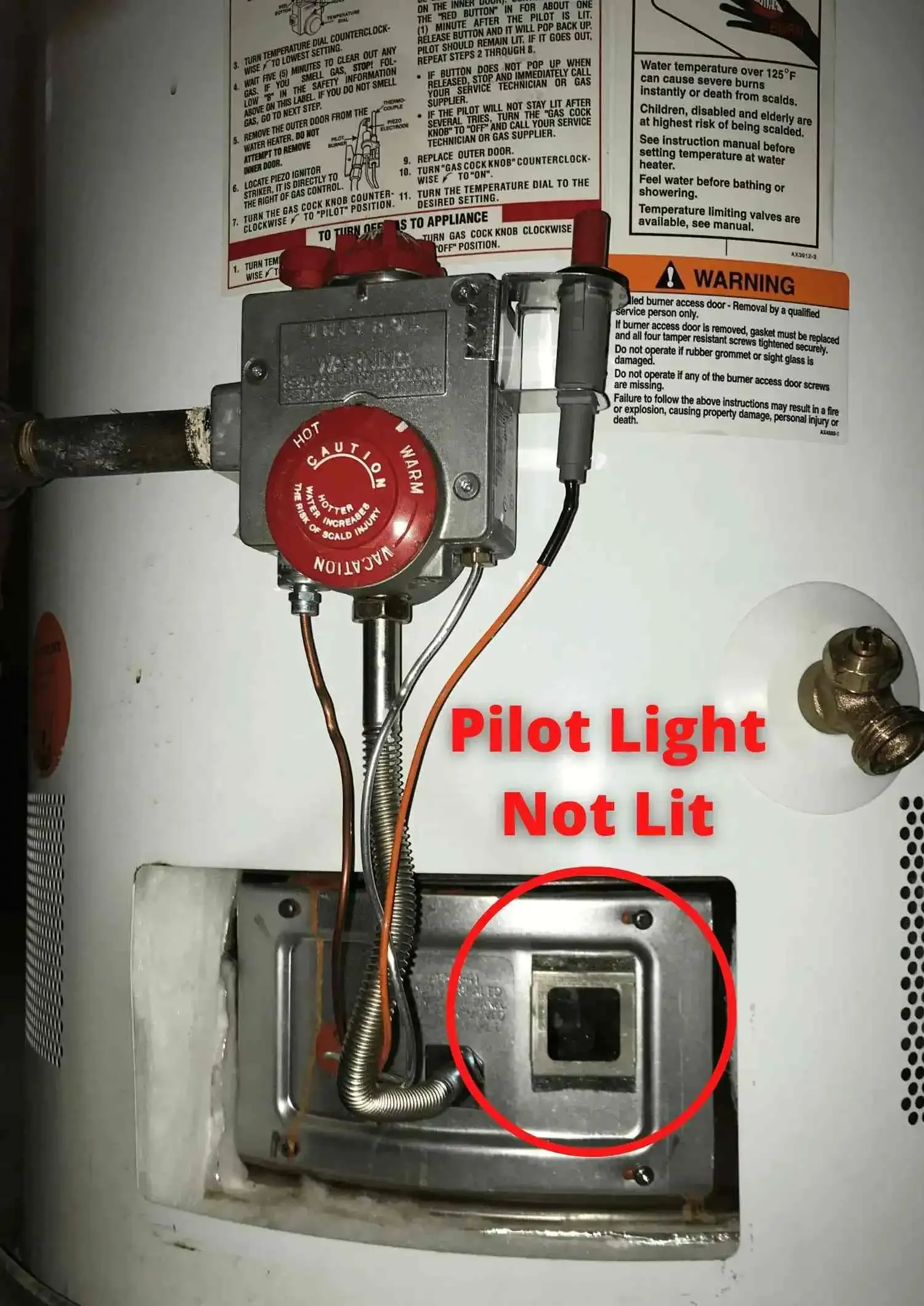
Causes of pilot light failures
Tracing the cause makes repair faster. Furnace Pilot Light Troubleshooting focuses on a handful of common issues.
Likely causes:
- Dirty or clogged pilot orifice reducing gas flow.
- Faulty thermocouple not sensing the flame.
- Weak or interrupted gas supply from the line or valve.
- Drafts cooling the pilot flame.
- Worn control knob or internal valve issues.
Each cause needs a different fix. I’ll walk you through simple tests and repairs for the most common ones.

Safety first: before you begin
Safety is critical when doing any Furnace Pilot Light Troubleshooting. Gas and combustion are risky if handled carelessly.
Safety steps:
- Turn off power to the furnace and set the thermostat to off.
- Shut the gas valve if you smell gas. Ventilate the area and call your gas company if the smell persists.
- Avoid working alone if you feel unsure.
- Use a flashlight, not an open flame, to inspect parts.
If anything feels unsafe, stop and call a licensed technician. Safety protects you and your home.
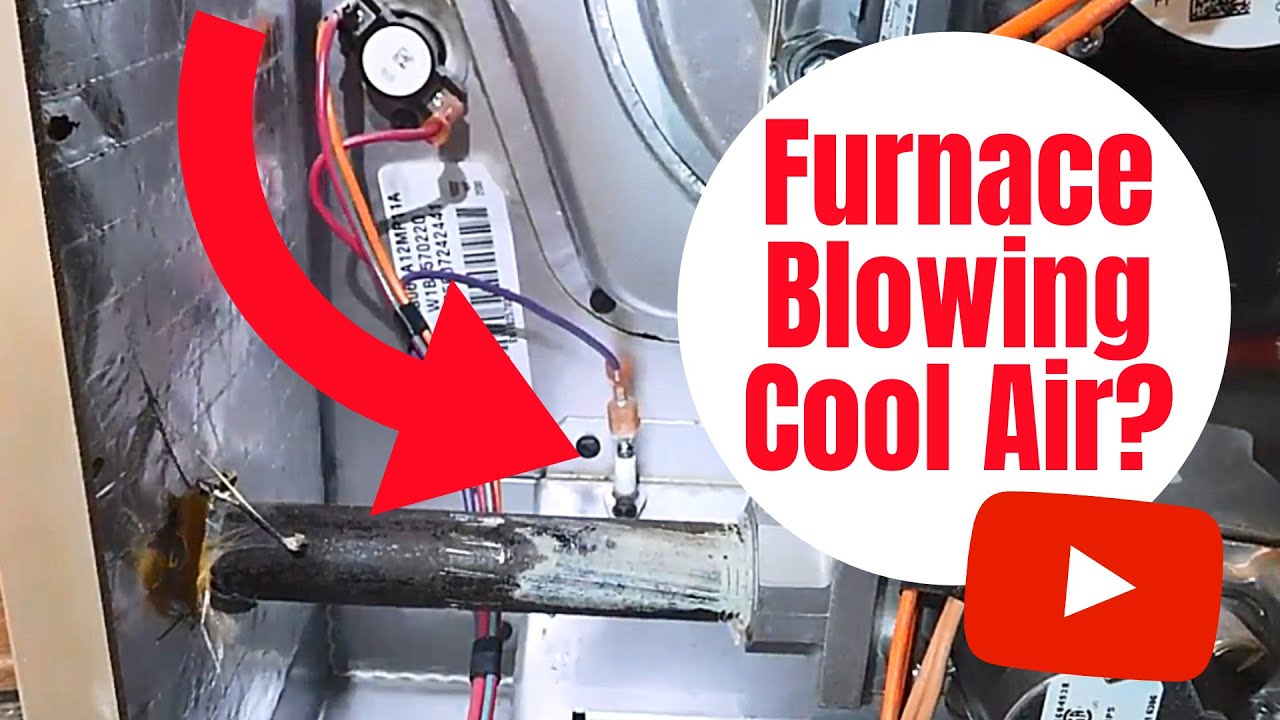
Step-by-step Furnace Pilot Light Troubleshooting
Follow these clear steps to diagnose common pilot light issues. These steps assume a standing pilot system, not electronic ignition.
- Confirm the pilot is out
- Set thermostat to call for heat.
- Look at the pilot assembly for a visible flame.
- If no flame, proceed to relighting.
- Relight the pilot safely
- Read your furnace manual for model-specific steps.
- Turn the control knob to off, wait five minutes to clear gas.
- Turn to pilot, hold the knob, press the igniter or use a long match to light.
- Continue holding for 30–60 seconds, then release. If it stays lit, run the furnace briefly.
- If pilot lights then goes out
- The thermocouple may be dirty or failing. Clean gently with fine sandpaper or replace.
- Check for drafts; close nearby windows or vents.
- Ensure the pilot flame envelops the thermocouple tip.
- If pilot won’t light at all
- Confirm gas is on at the furnace and the main house supply.
- Listen for a faint click or spark when using the igniter. No spark may mean a bad igniter.
- Inspect the pilot orifice for dirt or spider webs; clean carefully or replace orifice.
- If pilot stays lit but burners won’t ignite
- The gas valve or control board might be at fault.
- Check the thermocouple output and gas valve continuity with a multimeter if you have one.
- Test and replace parts when needed
- Thermocouple: inexpensive and often the culprit when the pilot won’t stay lit.
- Pilot tube/orifice: replace if clogged or damaged.
- Gas valve: replace only if tests show no voltage or continuity and after checking other parts.
If any step is unclear, stop and call a professional. Safety first.
Quick troubleshooting tips from experience
I’ve fixed dozens of pilot light issues. These are quick lessons learned.
- A weak pilot flame often means a dirty orifice. Cleaning saved many calls.
- Thermocouples fail slowly; when in doubt, swap with a known good part.
- If the pilot lights after shielding it from drafts, seal gaps near the furnace.
- Regular maintenance cuts pilot problems by over half.
Small checks can prevent big repairs. These tips are part of practical Furnace Pilot Light Troubleshooting.
:max_bytes(150000):strip_icc()/reasons-gas-water-heater-not-working-5212987-hero-fe6b82a59053421c88b7d13ea311d3c5.jpg)
Tools and parts you’ll commonly need
Having the right tools makes troubleshooting faster and safer.
Essential items:
- Long-stem lighter or match for relighting.
- Flashlight for inspection.
- Screwdrivers and adjustable wrench.
- Fine sandpaper or emery cloth to clean thermocouple.
- Multimeter to test voltage and continuity.
- Replacement thermocouple and pilot orifice kit.
Purchase quality parts and follow safety instructions when replacing components.
When to call a professional
Some issues should be left to trained technicians. Furnace Pilot Light Troubleshooting is safe for simple checks, but call a pro for:
- Strong gas smells or suspected leaks.
- Repeated pilot outages after parts replacement.
- Faulty gas valve or control board diagnosis.
- Complex wiring or gas line repairs.
A licensed technician has tools and permits to fix gas and combustion systems safely.
Maintenance and prevention to reduce pilot problems
Good upkeep reduces fuel waste and prevents pilot issues. Regular Furnace Pilot Light Troubleshooting as part of maintenance helps a lot.
Maintenance checklist:
- Annual furnace tune-up with burner and pilot inspection.
- Clean or replace filters every 1–3 months.
- Keep the area around the furnace clear and draft-free.
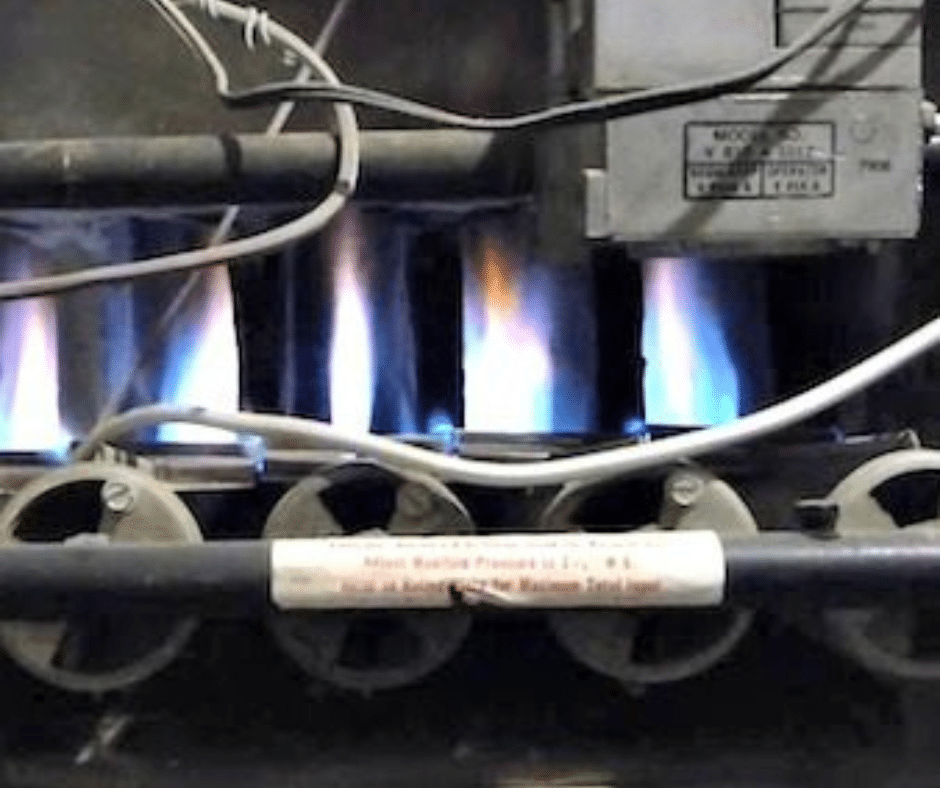
- Inspect pilot flame: it should be steady and blue with a small yellow tip.
- Replace old thermocouples proactively if the furnace is aging.
Routine care keeps your pilot light reliable and extends furnace life.
Limitations and safety notes
Furnace Pilot Light Troubleshooting has limits. Not all issues are DIY-safe.
Key limits:
- Working on gas lines or internal valves needs a pro.
- Electronic ignition systems differ from standing pilots.
- Testing gas pressure requires special tools and training.
If you’re unsure about a step, stop and hire a licensed technician. Transparency about limits keeps you safe.
Related concepts and upgrades
If pilot problems recur, consider upgrades or related topics.
Options to consider:
- Convert to electronic ignition for higher efficiency and fewer pilot issues.
- Install carbon monoxide detectors and routine safety checks.
- Upgrade to a newer furnace for better reliability and savings.
Weigh costs and benefits. Sometimes a modern system reduces ongoing maintenance and improves safety.
Frequently Asked Questions of Furnace Pilot Light Troubleshooting
What if I smell gas when the pilot is out?
Turn off the gas and ventilate the area. Do not light matches or turn on electrical switches; call your gas company or a professional.
How long should I hold the pilot knob after lighting?
Hold for 30–60 seconds to let the thermocouple heat. If it goes out after release, the thermocouple may be faulty.
Can I clean the pilot orifice myself?
Yes, if you are comfortable and the gas is off. Use a small wire or compressed air and follow your furnace manual. If unsure, call a technician.
How much does it cost to replace a thermocouple?
Thermocouples are usually low-cost parts. Labor varies, but replacing the part often runs inexpensive compared to other repairs.
Will converting to electronic ignition stop pilot issues?
Yes, electronic ignition removes the standing pilot and reduces pilot-related problems, but it has a different failure mode. Consider cost and long-term benefits.
Why does the pilot light flicker blue and yellow?
A steady blue flame is normal. Yellow tips or flicker can mean dirty burners, poor combustion, or airflow issues. Have a technician inspect combustion safety.
How often should I schedule a furnace tune-up?
Once a year is recommended. Annual checks prevent most pilot and burner problems and improve safety and efficiency.
Conclusion
Pilot light problems are common but fixable with the right steps. Use these Furnace Pilot Light Troubleshooting tips to identify causes, try safe fixes, and know when to call a pro. Start with safety, follow clear checks, and do routine maintenance to avoid repeat issues. If this guide helped, try the steps on your system, subscribe for more home heating tips, or leave a comment about your repair story.

