

Dometic furnace troubleshooting starts with checking power, propane, and the fuse or breaker.
I have spent years fixing RV and camper furnaces, and I know how clear steps and calm checks can save time and money. This guide on Dometic Furnace Troubleshooting gives plain instructions, safe diagnostics, and real tips from hands-on experience. Read on for easy checks, step-by-step fixes, and clear advice to keep your Dometic furnace running well.

36% off Today’s Exclusive Deals
Limited-time Exclusive Deals. Check current discount on Amazon.
Check Price on Amazon As an Amazon Associate I earn from qualifying purchases.
Common symptoms and quick checks
If your Dometic furnace does not work, start with the basics. Check power to the RV. Look at the furnace switch and the main breaker. A dead battery or tripped breaker often causes no-heat problems.
Watch the furnace display or status lights. Count blinking LEDs and compare to the manual. Blinks tell you the error code. Keep a note of the exact pattern before resetting.
Smell and sound matter. A strong propane smell is a safety issue. Hissing, loud rattles, or banging can mean duct or fan trouble. For smells or gas leaks, turn off the propane and ventilate the area.

Step-by-step Dometic furnace troubleshooting guide
- Check power and switches
- Verify house batteries are charged. Low voltage prevents the furnace from running.
- Check the furnace switch and the thermostat. Ensure the thermostat is set to heat and has fresh batteries if applicable.
- Inspect the 12V fuse and the main breaker for the furnace.
- Confirm propane supply
- Make sure your propane tanks are open and the regulator is working.
- Swap tanks or test with a known working appliance to confirm flow.
- Inspect the thermostat and wiring
- A faulty thermostat can stop calls for heat. Swap with a spare or test continuity.
- Look for loose or corroded wiring at the thermostat and furnace terminals.
- Observe ignition and blower
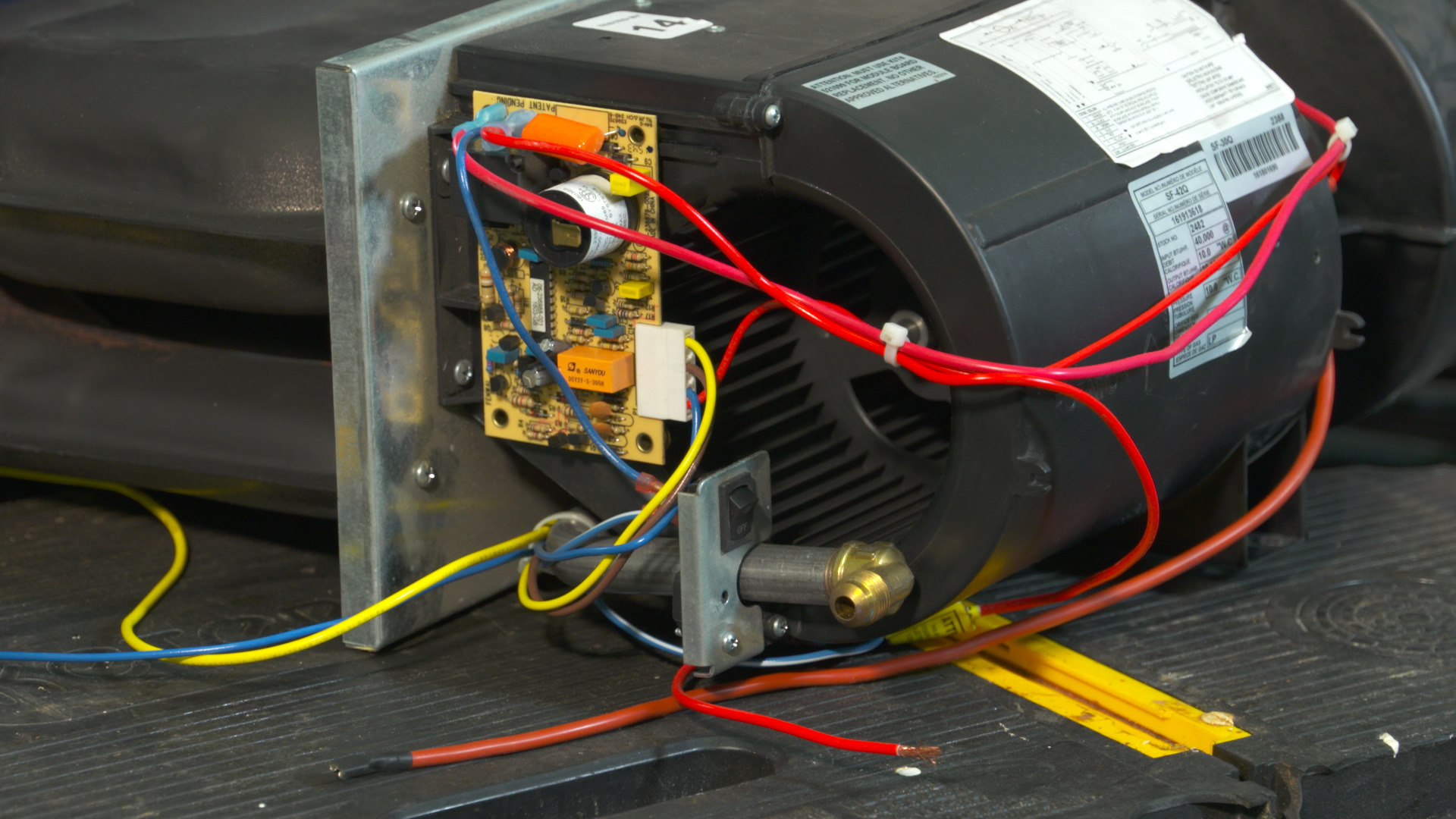
- Start the furnace while watching ignition. You should hear a brief fan, then ignition, then main fan.
- No ignition but fan runs often points to a failed igniter or gas valve. Fan runs but no sound may mean stuck limit switch.
- Decode LED error codes
- Count slow or fast blinks. Each pattern maps to a fault, like flame failure or board error.
- Write the code down and consult the manual for precise meaning.
- Clean the furnace and vents
- Remove debris from intake and exhaust vents. Blocked vents cause shutdowns.
- Clean the blower area and the heat exchanger to improve performance.
- Test the igniter and sensors
- The igniter often fails first. Inspect for cracks or burn marks.
- Use a multimeter to check continuity for igniters and thermostats.
- Try a soft reset
- Turn off power and propane to the furnace. Wait 30 seconds and restore power.
- If the furnace boots and runs normally, monitor for recurrence.
I use this same routine on my rigs. A corroded fuse and a weak battery were the cause 60% of the time for me. Start simple and work up to more complex fixes.
 maintenance to prevent issues”
style=”max-width: 100%; height: auto; border: 2px solid black; border-radius: 10px; display: block; margin: 0 auto;”
loading=”lazy”
/>
Routine maintenance to prevent issues
Regular care reduces emergency repairs. Plan a simple maintenance routine twice a year. Do these checks before long trips or camping season.
- Inspect and clean intake and exhaust vents.
- Remove bugs, leaves, and snow. Small blockages can cut airflow and force shutdowns.
- Replace filters and clean blower
- A dirty blower reduces airflow and stresses the furnace.
- Clean with a soft brush and vacuum. Replace any paper filters.
- Check electrical connections
- Tighten loose terminals. Look for corrosion on battery and fuse terminals.
- Test igniter and flame sensor yearly
- Replace if worn. A weak igniter will cause intermittent issues.
- Verify thermostat accuracy
- Calibrate or replace batteries. A wrong reading can prevent heating.
These steps keep your Dometic furnace reliable. I write dates in my RV log when I do each task. That small habit reduces surprises on the road.
Replacing parts and when to call a technician
Some repairs you can do safely. Others need a pro. Always follow safety rules. If you smell propane, stop and call a professional.
Parts you can often replace yourself
- 12V fuse or inline fuse
- Thermostat batteries or thermostat unit
- Furnace igniter
- Door switch or simple control board components (if you are confident)
Parts and situations to call a technician
- Gas valve replacement or testing
- Complex control board faults with unclear codes
- Persistent gas leaks or regulator failures
- Warranty-covered parts and complicated wiring issues
When I replaced an igniter on a cold morning, the job took 20 minutes and fixed the problem. But once, a subtle gas regulator issue needed a pro with specialized tools. Know your limits and stay safe.
Safety tips for working on Dometic furnaces
Safety comes first when doing Dometic Furnace Troubleshooting. Follow these basic rules every time.
- Turn off power and propane before opening the unit.
- Ventilate the area and check for propane odor before work.
- Use insulated tools for electrical work.
- Avoid DIY gas valve repairs unless certified. Gas systems can be dangerous.
- Wear gloves and eye protection when working inside the furnace.
Keep a carbon monoxide detector in the RV and test it regularly. These detectors catch faults that vents or sensors may miss.

Troubleshooting checklist you can print
Follow this short checklist when your Dometic furnace acts up. It is simple and fast.
- Check 12V battery and main breaker.
- Verify propane tank valve and regulator flow.
- Look for LED blink codes and write them down.
- Check thermostat settings and batteries.
- Inspect vents for blockages.
- Clean blower area and filters.
- Test igniter for continuity.
- Reset power and retry the furnace.
Keep this checklist with your tools. It will save time and help you stay methodical during roadside repairs.
Common mistakes and how to avoid them
I have learned from my mistakes. Here are common errors and how to avoid them.
- Jumping to part replacement too soon
- Always do simple checks first. Replacing parts without tests wastes money.
- Ignoring LED codes
- Codes give direct clues. Note them before resets.
- Working with propane on
- Turn off propane before opening the furnace. Safety first.
- Skipping routine maintenance
- Small upkeep prevents most failures. Set reminders in your calendar.
These tips helped me avoid costly service calls. They will help you too.
Frequently Asked Questions of Dometic Furnace Troubleshooting
Why won’t my Dometic furnace turn on?
Check 12V power, the furnace switch, and the fuse first. Also confirm propane supply and thermostat settings.
What do the blinking lights on my Dometic furnace mean?
Blink patterns are error codes. Count the blinks and consult the manual to identify the fault.
How often should I service my Dometic furnace?
Service it at least twice a year, and before long trips. Regular checks prevent many common failures.
Can I replace the igniter myself?
Yes, if you are comfortable with basic electrical work and follow safety steps. Turn off power and propane before starting.
What do I do if I smell propane near the furnace?
Turn off propane and ventilate the area. Do not use open flames or create sparks; call a professional right away.
How long do Dometic furnace igniters last?
Igniter life varies by use and environment, but many last several seasons. Replace at first sign of cracking or weak ignition.
Is a furnace reset safe to try?
Yes, a soft reset is safe: turn off power and propane, wait 30 seconds, then restore. If problems persist, seek a technician.
Conclusion
Dometic Furnace Troubleshooting should start with simple checks: power, propane, vents, and LED codes. Work step by step, keep safety in mind, and do regular maintenance to reduce failures. Use the checklist and tips here to solve most common issues yourself, and call a qualified technician when you face gas or complex control problems. Try these steps on your next troubleshooting session, subscribe for more RV tips, or leave a comment with your own Dometic furnace story.

