

Beckett Furnace Troubleshooting often begins with checking power, fuel, and the ignition system.
I have worked on oil burners and boilers for years. This guide on Beckett Furnace Troubleshooting combines field experience, clear steps, and safety notes. Read on to learn how to diagnose common faults, fix simple issues, and know when to call a pro. The goal is to make Beckett Furnace Troubleshooting easy and useful for homeowners and techs.

36% off Today’s Exclusive Deals
Limited-time Exclusive Deals. Check current discount on Amazon.
Check Price on Amazon As an Amazon Associate I earn from qualifying purchases.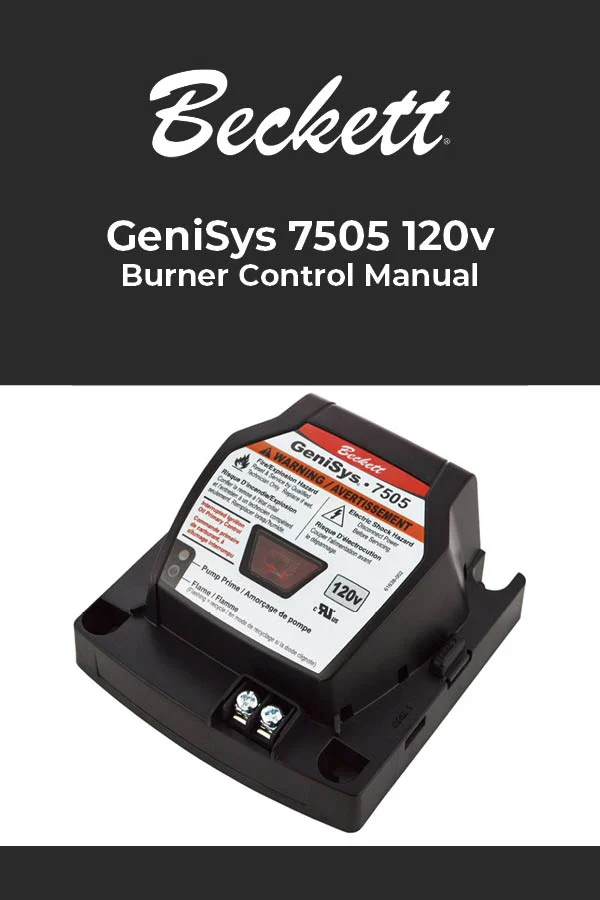
How a Beckett Furnace Works and Why Troubleshooting Helps
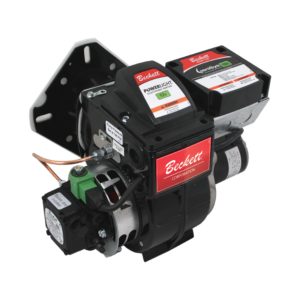
A Beckett oil furnace uses a burner, a pump, an ignition device, and a control box. Fuel oil is pumped to the burner where an electrode creates a spark and an atomized spray burns. The control board checks safeties like the cad cell and flame sensor. Good Beckett Furnace Troubleshooting focuses on these parts to find the root cause fast.

Common Beckett Furnace Troubleshooting Issues
Most failures come from a few parts. Knowing these saves time and money.
- No heat at all: Could be power loss, tripped switch, or bad relay on the control board.
- Burner won’t fire: Often a bad cad cell, failed ignition transformer, or clogged nozzle.
- Short cycling: Fuel line air, wrong pump pressure, or a dirty heat exchanger can cause quick on/off cycles.
- Soot or smoky smell: Poor combustion, wrong nozzle, or dirty electrodes.
- High fuel use: Bad combustion, worn nozzle, or incorrect pump settings.
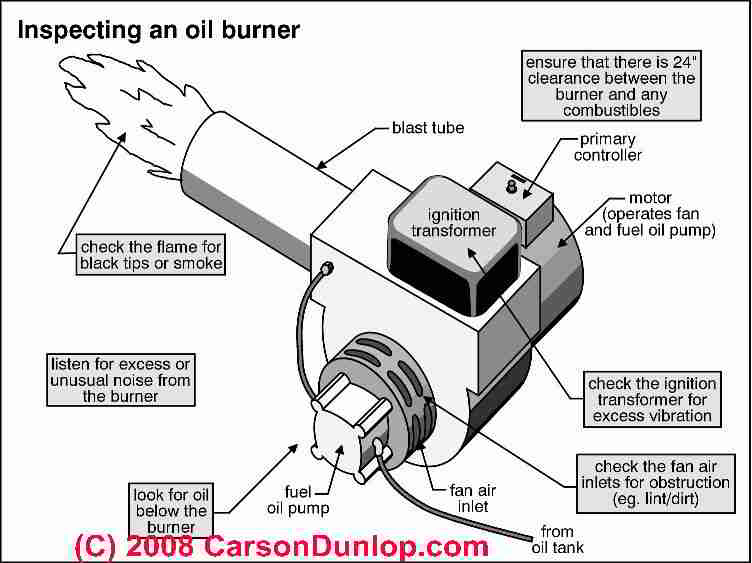
Step-by-Step Beckett Furnace Troubleshooting Guide
Follow these steps in order. Stop and call a pro for anything you do not feel safe doing.
- Safety first. Turn power off at the switch and shut the fuel valve if you smell oil.
- Visual check. Look for loose wires, leaks, soot, or signs of recent service.
- Check power and switches. Confirm the furnace has power and the thermostat is set correctly.
- Listen at the unit. No sound can mean no power. Clicking without fire often means ignition failure.
- Inspect the cad cell. Clean the cad cell lens with a soft cloth and ensure its wiring is tight.
- Check the transformer and electrodes. Look for cracks, carbon, or worn tips. Replace if needed.
- Verify fuel flow. Bleed air from lines and check the pump pressure gauge.
- Test the nozzle and filter. Replace the nozzle yearly and change the fuel filter as needed.
- Check combustion. Use a flue gauge or have a tech check CO and draft. Poor numbers mean tuning or parts change.
- Reset and test. After fixes, reset the unit and run a full cycle. Watch for stable flame and steady operation.
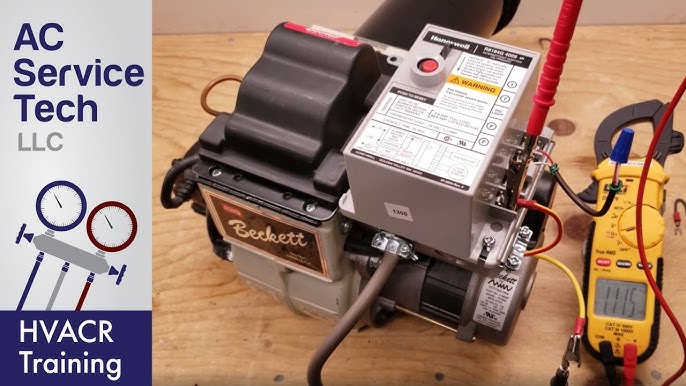
Tools and Parts to Keep on Hand
Having the right tools speeds up Beckett Furnace Troubleshooting.
- Basic hand tools: screwdrivers, pliers, and socket set.
- Multimeter: for voltage and continuity checks.
- Fuel pump gauge: to verify pump pressure.
- Nozzle and nozzle wrench: common sizes for quick change.
- Cad cell cleaner and spare electrode set: fast replacement parts.
- Small flashlight and mirror: to inspect tight spaces.
Preventive Maintenance to Reduce Troubleshooting Needs
A small routine helps avoid many issues with Beckett Furnace Troubleshooting later.
- Annual tune-up: Replace nozzle and filter and check combustion.
- Clean the burner area: Remove dust, lint, and oil residue.
- Inspect fuel lines: Look for leaks and clamp tightness.
- Test safeties: Check cad cell alignment and control board response.
- Keep records: Note dates for parts changed and readings for future checks.

When to Call a Professional
Call a licensed tech if you see risks or complex faults.
- Any fuel leak or strong oil smell needs immediate pros.
- Repeated lockouts after basic checks mean a deeper control issue.
- If combustion readings are poor or the unit runs hot, get an expert tune.
- Electrical faults or ignition transformer issues are best left to trained techs.
Common Mistakes and Lessons from the Field
I have fixed many units after simple errors. Here are what I learned.
- Mistake: Skipping the power check and blaming the burner. Lesson: Always confirm power and switches first.
- Mistake: Replacing expensive parts without testing. Lesson: Run basic tests before buying parts.
- Mistake: Over-tightening electrodes. Lesson: Tight is good, but not cracked. Use proper torque and alignment.
- Mistake: Ignoring regular service. Lesson: A yearly tune keeps parts clean and life long.

People Also Ask — Quick Answers
How long does Beckett Furnace Troubleshooting usually take?
Simple checks take 15 to 45 minutes. Full diagnostics and repairs can take a few hours.
Can I clean the cad cell myself?
Yes, you can clean it with a soft cloth and alcohol. Replace it if cleaning does not restore normal operation.
What causes a Beckett burner to lock out?
Lockouts come from no flame, blocked fuel, or repeated ignition failures. Check fuel supply and ignition parts first.
Frequently Asked Questions of Beckett Furnace Troubleshooting
What is the cad cell and why does it fail?
The cad cell is a light sensor that detects flame. It can fail from soot, age, or loose wiring, causing ignition faults.
How often should I replace the nozzle?
Replace the nozzle at least once a year during tune-up. A worn nozzle causes poor spray and bad combustion.
My burner tries to start but then stops. What should I check?
Check fuel flow and the pump pressure first. Also inspect the electrodes and cad cell for alignment and wear.
Can a dirty filter stop the furnace from firing?
Yes. A clogged filter can starve the burner and cause repeated ignition attempts or lockouts.
Is it safe to work on the ignition transformer?
No. The transformer carries high voltage. Only trained techs should test or replace it.
How do I tell if combustion is poor?
Look for soot, a smoky smell, or high stack temperatures. A combustion test is the best way to confirm poor draft or excess CO.
Conclusion
Beckett Furnace Troubleshooting is a stepwise process. Start with safety, check power and fuel, and inspect ignition parts. Regular checks and simple fixes cut service calls and save money. Try the guided steps, keep a small tool kit, and log your work to make future troubleshooting easier. If a job feels unsafe or is beyond basic checks, call a licensed tech. Share your experience in the comments or subscribe for more home heating tips.

