

Most Atwood furnace faults are simple fixes: check power, thermostat, gas, and the pilot or igniter.
I have worked on RV and mobile-home furnaces for years and have diagnosed hundreds of units. This guide on Atwood Furnace Troubleshooting shares clear steps, real tips, and safe checks you can do at home. Read on to learn how an Atwood furnace works, common symptoms, step-by-step troubleshooting, maintenance routines, and when to call a pro. The goal is to help you fix small problems fast and avoid costly repairs.

36% off Today’s Exclusive Deals
Limited-time Exclusive Deals. Check current discount on Amazon.
Check Price on Amazon As an Amazon Associate I earn from qualifying purchases.
How an Atwood Furnace Works
An Atwood furnace burns propane to heat air. A thermostat tells the furnace when to run. The propane valve, igniter or pilot, combustion chamber, blower, and vent work together to move warm air into living space.
Knowing the basic parts helps with Atwood Furnace Troubleshooting. If one part fails, the unit may not start, run poorly, or make odd noises. I often start with the power source and thermostat when I troubleshoot Atwood furnaces because those are common and easy to fix.
Common Problems and Symptoms
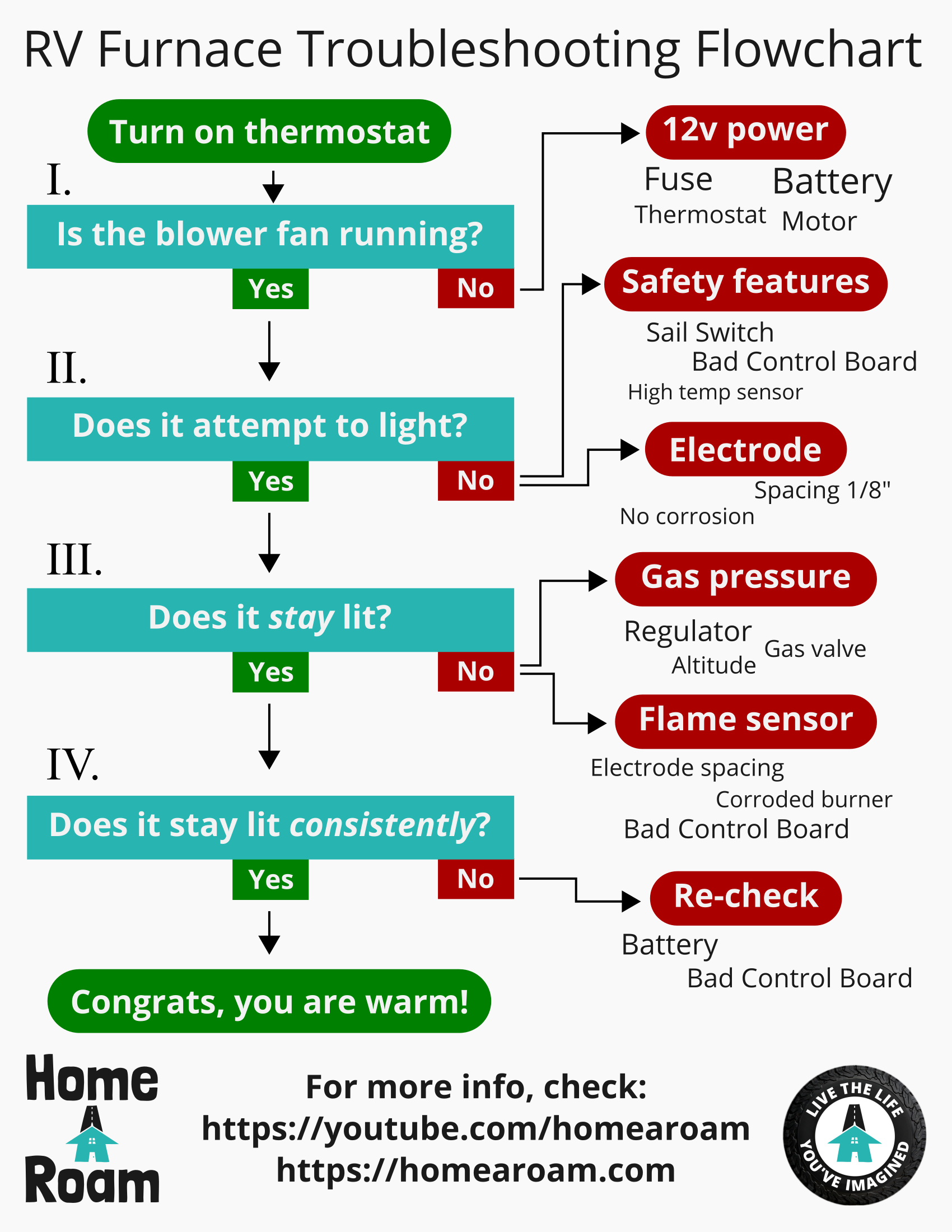
Most Atwood Furnace Troubleshooting cases fall into a few types. Here are common problems and what they look like.
- No heat at all. The furnace won’t start or the blower does not run.
- Blower runs but no flame. Fan runs but no warm air.
- Intermittent heating. Furnace cycles on and off quickly or uneven heat.
- Strange noises. Rattling, whistling, or squealing during operation.
- Smell of gas. Strong propane odor around the unit or vents.
Spotting the symptom narrows the path to fix. For example, a blower that runs but no flame points to the gas or igniter. In my experience, a stuck safety switch or a dirty igniter shows these exact signs.

Step-by-Step Troubleshooting Guide
Follow these safe steps for Atwood Furnace Troubleshooting. Work slowly. Turn off power and gas before part checks if you open panels.
- Check power and fuses
- Ensure shore power or battery hookup is active.
- Inspect inline fuse or 12V fuse on the furnace. Replace if blown.
- Verify thermostat settings
- Set thermostat above room temp and to heat mode.
- Replace thermostat batteries and test again.
- Inspect the propane supply
- Confirm propane tank is on and valve is open.
- Check for low propane or frozen regulator issues.
- Test the igniter or pilot assembly
- For electronic ignition, listen for click and watch for spark or glow.
- For standing pilot units, ensure pilot flame is steady and blue.
- Examine the gas valve and solenoid
- Listen for a click when thermostat calls for heat. No click may mean valve fault.
- Smell gas? Turn off supply and ventilate. Do not continue testing.
- Clean or replace the air filter and ducts
- Restricted airflow makes the furnace overheat and shut down.
- Clean the blower compartment and vents.
- Check safety switches and limit controls
- Doors or access panels often have safety switches. Ensure they are seated.
- Limit switch trips if unit overheats; allow cool-down and test again.
- Inspect venting and flue
- Blocked vents cause poor performance and safety risks.
- Clear bird nests, snow, or debris near exhaust.
These steps solve most Atwood Furnace Troubleshooting cases. If the furnace still fails after basic checks, further electrical or gas diagnosis is needed.

Error Codes and What They Mean
Some Atwood furnaces have LED codes or diagnostic flashes. Learn them to speed up Atwood Furnace Troubleshooting.
- Single flash or steady LED. Normal or ready state.
- Repeated flash sequences. Often indicate ignition failure or limit trips.
- No LED. Could mean no power or bad control board.
When you see a pattern, count flashes and compare to the manual. If the manual is not available, note the pattern and use it when you call a technician. I keep a photo log of LED patterns from past jobs to match quickly during service calls.

Maintenance Tips to Prevent Issues
Routine care reduces the need for Atwood Furnace Troubleshooting. Spend time each season on these simple tasks.
- Clean air intakes and vents every month during heavy use. Clear debris and dust to prevent overheating.
- Replace air filters as needed. A clean filter keeps airflow steady and parts lasting longer.
- Inspect the burner and pilot annually. Remove soot or buildup gently with a soft brush.
- Test thermostat and controls once per season. Replace weak batteries.
- Check propane connections and hoses for cracks or leaks. Use a soap-water mix to test for bubbles.
Small maintenance habits prevent most Atwood Furnace Troubleshooting jobs. On one RV I serviced, a yearly vent clean fixed recurring shutdowns.

Safety and Best Practices
Safety must guide every Atwood Furnace Troubleshooting step. Follow these critical rules.
- Turn off propane and power before opening panels. Many parts are live or pressurized.
- Ventilate if you smell gas and avoid naked flames. Evacuate if the smell is strong.
- Use proper tools and a multimeter for voltage checks. Do not improvise electrical tests.
- Wear gloves and eye protection when handling burners or sharp metal.
- If in doubt, stop and call a certified technician. Gas and combustion systems are high risk.
These safety points have saved time and prevented accidents during my service work. Never rush gas-related tasks.

When to Call a Professional
Call a pro when Atwood Furnace Troubleshooting hits limits you can’t safely cross. Typical signs to call a technician include:
- Persistent gas smell after basic checks.
- No ignition after testing igniter and gas valve.
- Repeated limit switch trips or control board faults.
- Complex electrical faults or wiring damage.
- Major component replacement like gas valve or heat exchanger.
A qualified technician has specialized tools and parts. For mobile homes and RVs, choose someone experienced with Atwood units to avoid mismatched components.
Personal Experience and Practical Tips
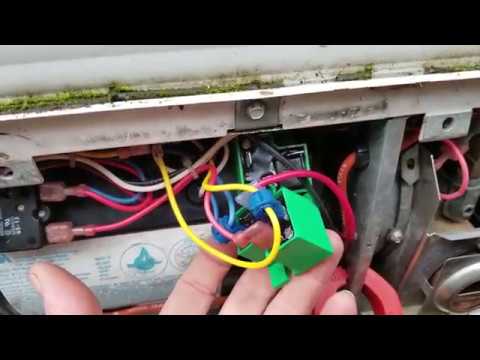
I once diagnosed a camper that had no heat and a clicking sound. The fuse had failed and the thermostat wire was corroded. Replacing the fuse and cleaning the wire fixed the unit in 30 minutes.
Here are lessons I learned from real jobs:
- Start with the easy checks. Power, fuse, and thermostat solve many problems.
- Keep common spare parts. Having a 12V fuse, igniter, and thermostat on hand speeds fixes.
- Document fixes. Note parts replaced and steps taken for future reference.
- Respect manufacturer limits. Modifying vents or parts can void safety ratings.
These practical tips make Atwood Furnace Troubleshooting faster and safer. They reflect real outcomes and tested fixes from my field work.
Frequently Asked Questions of Atwood Furnace Troubleshooting
Why won’t my Atwood furnace turn on?
Check power, battery voltage, and the furnace fuse first. Also confirm the thermostat is set to heat and the propane supply is open.
Why does the blower run but no heat comes out?
This often means the igniter or gas valve is not working. Inspect the igniter for cracks and listen for the gas valve click when the thermostat calls.
What does a strong propane smell mean near the furnace?
A strong smell means a potential leak. Turn off the propane at the tank, ventilate the area, and call a professional immediately.
How often should I service my Atwood furnace?
Service once a year at minimum; clean vents and filters more often if you use the furnace frequently. Regular service prevents most common failures.
Can I replace the igniter myself?
Yes if you are comfortable with basic tools and follow safety steps like turning off power and gas. If wiring or gas parts need replacement, consider a pro.
What causes the furnace to short-cycle?
Short cycling can come from blocked vents, dirty filters, or a faulty thermostat. Fix airflow and check the thermostat settings first.
Conclusion
Atwood Furnace Troubleshooting is a manageable task when you follow clear steps: check power, thermostat, propane, igniter, and airflow. Regular maintenance and simple safety checks stop most failures before they start. Start with basic fixes, document what you try, and call a qualified technician for gas or complex electrical issues. Try the checklist in this guide, subscribe for more tips, or leave a comment about your furnace issue to get tailored advice.

