

Fast fixes and clear steps to diagnose and repair common Kenmore water softener issues.
I’ve worked with water softeners for years and I wrote this Kenmore Water Softener Troubleshooting Guide to help you find and fix problems fast. This guide walks through how Kenmore units work, what causes common faults, step-by-step diagnostics, maintenance tips, part-replacement advice, and when to call a pro. Read on for practical, tested solutions and honest lessons from real experience with Kenmore systems.
How a Kenmore water softener works — simple overview
A Kenmore water softener uses ion exchange to remove hard minerals. Resin beads in a tank trap calcium and magnesium. Periodically the unit regenerates with a salt brine to flush those minerals away.
Knowing this basic flow makes troubleshooting easier. Many problems trace to salt, resin, or the control valve. Keep this process in mind while you follow the guide.

Common problems and why they happen
Here are the frequent issues seen in this Kenmore Water Softener Troubleshooting Guide and their usual causes.
-
No softening or still-hard water
- Cause: Low salt, bridged salt, failed regeneration, or worn resin.
- Fix: Check salt level, break salt bridge, force a manual regeneration, or test resin hardness.
-
Salt bridging or hard crust in brine tank
- Cause: High humidity or wrong salt type.
- Fix: Break crust with a broom handle and switch to high-purity salt.
-
Unit not regenerating on schedule
- Cause: Programming error, stuck timer, or control head fault.
- Fix: Inspect settings, run manual regeneration, reset controller if needed.
-
Low water flow or pressure drop
- Cause: Clogged resin, clogged injector or valve, closed bypass valve.
- Fix: Check bypass, clean injector, inspect resin for fouling.
-
Leaks around tank or fittings
- Cause: Loose fittings, seal failure, cracked tank.
- Fix: Tighten fittings, replace seals, replace tank if cracked.
-
Error codes or flashing lights
- Cause: Control head detects valve failure or sensor issues.
- Fix: Consult manual for code meanings, reset, then inspect wiring and valve.
-
Excessive salt use or salt in the drain
- Cause: Float valve stuck, bad brine valve, or wrong regeneration settings.
- Fix: Inspect brine valve and float, adjust settings, replace faulty parts.
Those are the main items you’ll encounter when following a Kenmore Water Softener Troubleshooting Guide. Each problem usually has a small set of likely causes.
Step-by-step troubleshooting checklist
Follow these steps to find the root cause fast. Work top to bottom.
- Check salt level and condition
- Open the brine tank. Ensure salt is above water level by a few inches. Remove clumps or crust.
- Inspect for salt bridge
- Tap around the tank. If a hollow sound appears, break the bridge with a stick.
- Verify unit settings and schedule
- Confirm regeneration time and hardness setting match your water test.
- Force a manual regeneration
- Start a regeneration cycle from the control head. Watch for normal flow and noises.
- Check bypass valve and plumbing
– Ensure the unit is not in bypass. Inspect inlet and outlet fittings. - Test water hardness before and after
- Use test strips to confirm softening is happening.
- Clean injector and screens
- A clogged injector stops brine draw. Remove and rinse small parts.
- Inspect resin tank and resin condition
- If water remains hard after proper regeneration, resin may be exhausted or fouled.
- Look for error codes
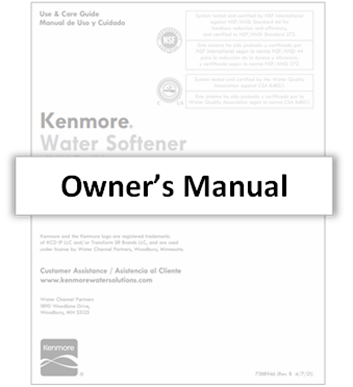
- Note any codes and consult the Kenmore manual for their meaning.
- Reset the controller
- Power-cycle unit or use controller reset to clear faults, then re-test.
Work methodically. Record what you try and the outcome. That makes diagnosing persistent issues much easier.
Diagnostic tools and simple tests
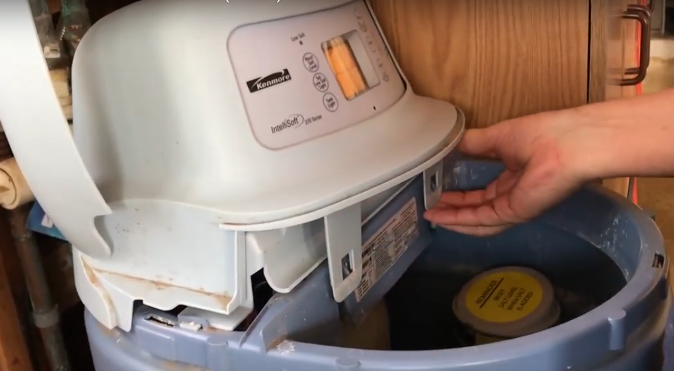
These tools make this Kenmore Water Softener Troubleshooting Guide practical and accurate.
- Water hardness test strips
- Cheap and fast. Test before and after the softener to confirm performance.
- TDS or conductivity meter
- Helps confirm total dissolved solids; not a hardness-only test but useful for trends.
- Basic multimeter
- Check control head power, timers, and motor circuits safely.
- Flashlight and mirror
- For inspecting valves, hoses, and the underside of the brine tank.
- Bucket and towels
- Expect small spills when testing valves and running manual cycles.
Example test: Use strips on a cold tap, record hardness, run a manual regen, then test again at the softener outlet. If hardness is unchanged, focus on regeneration or resin.
Maintenance tips to prevent problems
Simple care extends system life and prevents common faults mentioned in this Kenmore Water Softener Troubleshooting Guide.
- Check salt monthly
- Refill before it drops below one-quarter full.
- Use the right salt
- Choose pellet or crystal salt recommended by Kenmore to reduce bridging.
- Clean the brine tank yearly
- Remove old salt and rinse to stop sediment buildup.
- Service injector and screen every 6–12 months
- Keep the brine draw working well.
- Test water hardness quarterly
- Catch declines in performance early.
- Avoid chemical cleaners that harm resin
- Use manufacturer-approved cleaners only.
- Keep area dry and ventilated
- Reduces salt bridging and corrosion.
These routines solve many issues before they start. I schedule a quick inspection every month. It saves time and money later.

Parts replacement and repair guide
When repairs go beyond troubleshooting, these parts are the usual suspects in this Kenmore Water Softener Troubleshooting Guide.
- Control head or valve
- Signs: Error codes, no regeneration, or motor humming. Replacement often fixes logic or timing faults.
- Resin tank or resin beads
- Signs: Persistent hard water after proper regen. Resin replacement is a bigger job but doable.
- Brine injector and screen
- Signs: Poor or no brine draw. Cleaning may help; replace if damaged.
- Brine valve and float assembly
- Signs: Salt in drain or brine pump failure. Replace worn floats or valves.
- Seals and O-rings
- Signs: Small leaks around fittings. Keep a spare kit for quick fixes.
Cost notes: Small parts cost $10–$100. Major parts like a new control head or resin tank can cost $200–$700. Consider replacement if repair costs approach half the price of a new unit. DIY is fine for cleaning, salt replacement, and simple part swaps. For wiring or tank replacement, call a tech.
When to call a professional
Use a pro in these cases. Safety and warranty are at stake.
- Persistent hardness after multiple fixes
- If forced regen and resin checks don’t work, a tech can test and replace resin correctly.
- Control head or wiring faults
- Electrical diagnosis and replacement should be handled by trained techs.
- Major leaks or cracked tanks
- Tank replacement requires plumbing skills and safe disposal.
- Complex installations or warranty service
- Professionals ensure proper installation and keep warranties valid.
If you’re uncomfortable with electrical work or confined-space tank work, call a licensed service person. It avoids damage and keeps your system working longer.
Personal experience and lessons learned
I fixed dozens of units and learned a few reliable shortcuts for a Kenmore Water Softener Troubleshooting Guide.
- Don’t assume resin is bad right away
- Many hard-water reports trace to salt or programming issues. Test first.
- Keep a small toolkit and spare O-rings
- Saves time on routine repairs and prevents multiple return trips.
- Document changes
- I write down settings before adjusting. It helps restore working defaults if a test fails.
- Replace the control head only after tests
- Control heads are expensive. Confirm power and motor function first.
One memorable job: a homeowner reported no soft water. It was a bridged salt tank plus a bad timer battery. Fixed both and performance returned. Simple fixes often solve big worries.

Quick PAA-style questions
Q: How long should Kenmore resin last?
A: Resin often lasts 10–15 years but depends on water quality and maintenance. Heavy iron or chlorine shortens resin life.
Q: Can I use any salt in my Kenmore unit?
A: Use the salt types the manual recommends, usually pellet or crystal. Low-purity salt causes bridging and more cleaning.
Q: Will a power outage erase settings?
A: Many units keep settings in memory, but some need a manual reset. Keep the manual for model-specific steps.
Frequently Asked Questions of Kenmore Water Softener Troubleshooting Guide
What does it mean when my Kenmore softener shows an error code?
Error codes tell you which component reported a fault. Check the manual for the code meaning, reset the unit, and inspect the indicated part.
How do I break a salt bridge safely?
Use a broom handle or similar tool to gently tap and break the crust, then scoop out loose salt. Never force tools into the tank that might damage internals.
Why is my water still hard after regeneration?
Possible causes include low salt, clogged injector, exhausted resin, or incorrect hardness setting. Run diagnostics: check salt, force manual regen, and test hardness before and after.
How often should I clean the brine tank?
Clean the brine tank at least once a year or when you see sediment or sludge. Annual cleaning prevents clogs and keeps the system efficient.
Can I replace resin myself?
Yes, if you’re comfortable with lifting a tank and following instructions. Resin replacement can be heavy and messy; consider a pro if unsure.
What salt type is best for Kenmore softeners?
High-purity pellet or crystal salt designed for water softeners is best. It reduces bridging and residue compared with rock salt.
Conclusion
This Kenmore Water Softener Troubleshooting Guide gives practical steps, tests, and maintenance tips to diagnose and fix most issues. Start with simple checks like salt level and settings, then move through the checklist until you isolate the problem. Take action: test your water, schedule routine care, and replace worn parts before they fail.
If this helped, try a manual regeneration and a hardness test today. Share your results below or subscribe for more hands-on guides and troubleshooting tips.
