

Morton water softener troubleshooting: check salt level, settings, regen cycle, and valve function.
I have worked with many home water softeners and helped owners fix common faults quickly. This guide on Morton Water Softener Manual Troubleshooting shows clear steps you can follow. I explain causes, step-by-step fixes, maintenance tips, and when to call a pro. Read on to save time and avoid costly repairs by using practical, proven troubleshooting methods.
Overview of Morton Water Softener Manual Troubleshooting
Morton Water Softener Manual Troubleshooting means diagnosing and fixing issues using the unit’s controls, tanks, and basic tools. The goal is to restore soft water and proper regeneration without costly service calls.
Morton units often use simple mechanical or electronic valves. Common tasks include checking salt, confirming regeneration, testing hardness, and inspecting valves. I will walk you through each task with clear steps and real-life tips from my field experience.
Common Problems and Their Causes
Below are the frequent issues you will see with Morton Water Softener Manual Troubleshooting and what usually causes them.
- Hard or cloudy water after softener
- Cause: Low salt, clogged resin, valve stuck in bypass, or skipped regeneration.
- Salt bridge in brine tank
- Cause: High humidity or poor salt type causing crust to form above the water.
- Softener cycles too often or continuously
- Cause: Faulty timer/control, leak on plumbing, or incorrect settings.
- Low water pressure on soft water taps
- Cause: Clogged control valve, piston wear, or clogged resin tank.
- Salt-free or salty water
- Cause: Empty brine tank, blocked injector, or resin regeneration failure.
In my hands-on work, most issues start with salt or settings. Always check these first for quick wins when doing Morton Water Softener Manual Troubleshooting.
Step-by-Step Manual Troubleshooting Guide
Follow these steps in order for safe and efficient Morton Water Softener Manual Troubleshooting.
- Visual check and safety
- Turn off power to the unit if it has an electric control.
- Confirm the bypass valve is set to service (not bypass).
- Scan for leaks, salt piles, and wet floor around tanks.
- Check salt level
- Open the brine tank lid and look at salt level.
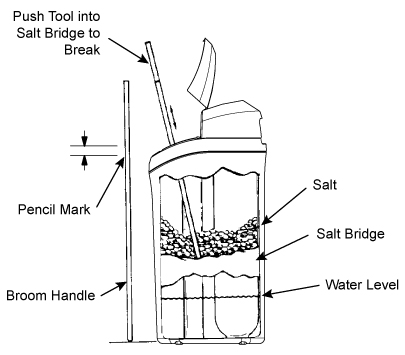
- If salt is below half full or forms a crust, add high-purity pellet salt and break any crust with a broom handle.
- Inspect for salt bridge
- Gently tap around the brine tank top to detect a hardened layer.
- If a bridge exists, carefully break it up and remove the chunks.
- Initiate a manual regeneration
- Use the control head instructions to start a manual regen.
- Watch the cycle to confirm the softener goes through fill, brine draw, rinse, and backwash steps.
- Test water hardness
- Use a test strip or digital meter before and after the softener.
- If no change, skip to checking the resin and valve.
- Clean injector and screen
- Remove the injector and screen per manual.
- Rinse any debris and reassemble.
- Inspect resin tank and resin condition
1. If resin is old, fouled, or iron-stained, consider cleaning with a resin cleaner or replacing resin.- Resin life varies; heavy iron or chlorinated water shortens life.
- Check control valve and piston
- Remove valve cover and inspect piston for wear or buildup.
- Clean or replace worn parts following the manual.
- Confirm regeneration settings
- Verify hardness setting, reserve capacity, and clock/time are correct.
- Adjust these based on your household water usage and hardness test.
- Reset and monitor
- Reset the control to default if unsure of settings.
- Monitor water quality and cycles for 48–72 hours.
As someone who has repaired many units, I suggest repeating the manual regeneration after cleaning and salt fixes. This often solves persistent issues without parts changes.
Understanding Regeneration, Salt, and Resin Care
Regeneration is the heart of Morton Water Softener Manual Troubleshooting. It is the process where brine cleans and recharges the resin beads.
- Regeneration stages
- Backwash: clears trapped particles.
- Brine draw: salt solution flushes resin.
- Slow rinse: forces brine through resin.
- Fast rinse: packs resin bed and clears leftover brine.
- Salt types to use
- Pellet salt: best for most homes.
- Solar or block salt can cause bridging or impurities.
- Resin care tips
- Avoid bleach or chemicals that damage resin.
- Use iron-specific resin cleaner if you have iron in water.
- Replace resin every 8–15 years depending on water quality.
I once cleaned a unit with iron-fouled resin. After a proper cleaner and two regenerations, soft water returned. Resin replacement should be a last resort due to cost.

Error Codes, Diagnostics, and Reset Procedures
Many Morton systems use simple displays or mechanical indicators. You can resolve most faults by reading codes and following reset steps.
- Common indicators and their meaning
- No regen or skipped cycle: check time and settings.
- Continuous regen or stuck cycle: check control valve and motor.
- Low salt or “add salt” indicator: refill brine tank.
- Softener bypass indicator: ensure bypass valve is closed for service.
- Basic reset steps
- Power cycle the unit by unplugging or using the breaker for 30 seconds.
- Manually force a regeneration to clear error flags.
- If error persists, consult the control manual or log the code for a technician.
If you find a persistent valve error after these steps, note the code and part condition. That information speeds repairs and reduces misdiagnosis during Morton Water Softener Manual Troubleshooting.
Maintenance Schedule and Preventive Tips
Regular care reduces faults and extends life. Use this simple schedule for Morton Water Softener Manual Troubleshooting.
- Weekly
- Check salt level visually.
- Clear debris from the brine tank lid area.
- Monthly
- Test water hardness at a fixture.
- Confirm no unusual noises during regen.
- Quarterly
- Inspect the brine line and injector for clogs.
- Ensure the softener clock and settings are accurate.
- Yearly
- Clean brine tank and vacuum out sediment.
- Check resin condition and service valve parts if needed.
From my experience, small checks prevent big problems. A monthly glance at the salt and an annual cleaning save time and money.
When to Call a Professional and Warranty Tips
Some issues need pros. Call a certified service tech if you see these signs during Morton Water Softener Manual Troubleshooting.
- Motor or valve failure with unusual noises and no regen.
- Persistent loss of softening after cleaning, salt refill, and manual regen.
- Major leaks from control valve or tank seals.
- You prefer not to handle plumbing or electrical tasks.
Warranty tips
- Keep your purchase receipt and model number.
- Follow the manual’s maintenance steps to keep warranty valid.
- If parts fail under warranty, note the exact model and serial number before calling support.
I recommend documenting any troubleshooting steps you tried. That saves technician time and may speed up warranty claims.
Frequently Asked Questions of Morton Water Softener Manual Troubleshooting
How often should I add salt to my Morton water softener?
Add salt when the brine tank is below half full or the unit prompts “add salt.” Typical homes add salt every 4–8 weeks depending on water use and hardness.
What is a salt bridge and how do I fix it?
A salt bridge is a hard crust that forms above the water and prevents salt from dissolving. Break it carefully with a broom handle and remove the chunks, then run a manual regen.
My softener is regenerating too often. What should I check?
Check for leaks in your plumbing, incorrect cycle settings, and the control valve for faults. Also test household water flow and hardness to ensure settings match usage.
Why is my water still hard after regeneration?
Hard water after regen usually means low salt, blocked injector, fouled resin, or a valve problem. Run a manual regen and inspect salt, injector, and resin condition.
Can I clean my own resin bed?
You can use a resin cleaner following the product and softener manual instructions. If resin is heavily stained or old, replacement is safer and more effective.
What should I do if the control display shows an error?
Power cycle the unit, then manually initiate a regeneration. If the error stays, note the code and contact a technician or consult the control manual.
Conclusion
Morton Water Softener Manual Troubleshooting is a simple, logical process. Start with salt and settings, then move to cleaning injectors and checking the resin and valve. Regular checks prevent most failures and save money on service calls.
Take action now: inspect your brine tank, run a manual regeneration, and test the water hardness. If you found this guide helpful, leave a comment or subscribe for more practical home system tips.
