

Most Culligan water conditioner issues stem from salt, settings, or simple mechanical faults.
I have spent years repairing and troubleshooting water treatment systems, and this Culligan Water Conditioner Troubleshooting guide brings practical steps, clear causes, and real fixes. Read on for an expert, step-by-step approach to diagnose and resolve common Culligan Water Conditioner Troubleshooting problems, with tips from hands-on experience and easy maintenance advice to keep your unit running smoothly.
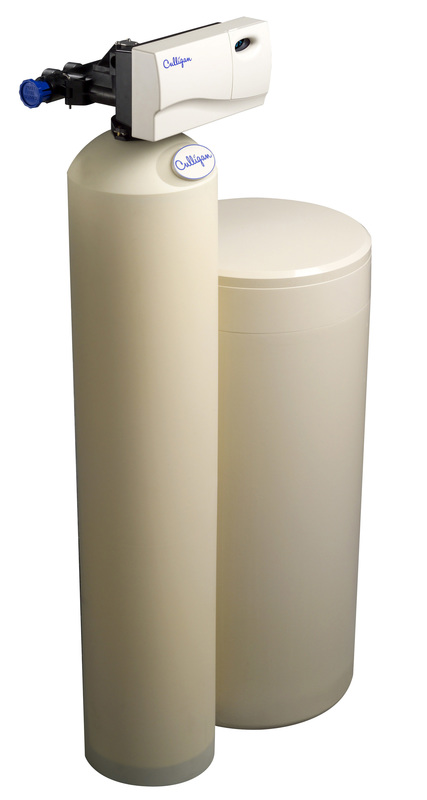
Why your Culligan Water Conditioner may act up
Water conditioners are simple machines with a few key parts. Problems most often come from salt, settings, or wear. Other causes include power issues, hard water overload, or clogged lines.
Common causes of Culligan Water Conditioner Troubleshooting needs:
- Salt bridge or salt mush causing poor regeneration.
- Low salt or wrong salt type reducing capacity.
- Timer or motor failure stopping the regeneration cycle.
- Clogged resin or iron fouling that reduces exchange efficiency.
- Power loss or incorrect programming after outages.
I have seen many units fixed by checking salt and cycle settings first. Small fixes save time and money. This makes Culligan Water Conditioner Troubleshooting easier and faster.
Quick checks to run before deeper troubleshooting
Start simple. Often the fix is quick and painless.
Steps to check right away:
- Verify unit has power by checking display and outlet.
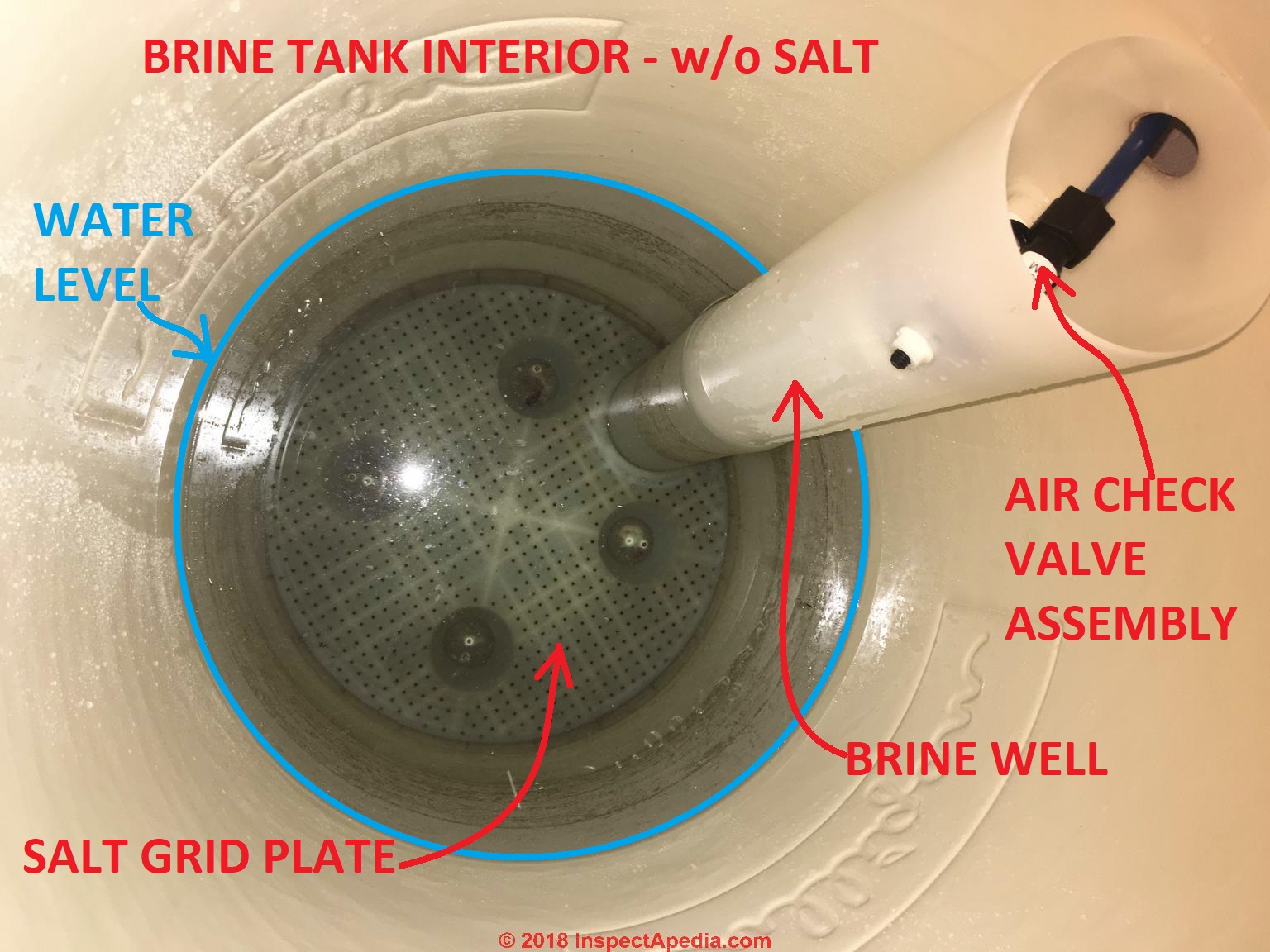
- Confirm salt level in the brine tank is 4–6 inches above the water line.
- Inspect for a salt bridge by tapping the tank walls gently.
- Look for visible leaks at fittings and hoses.
- Check the water hardness setting is correct on the control head.
These quick checks solve many common Culligan Water Conditioner Troubleshooting calls. They take just minutes and can rule out basic causes before more work.

Step-by-step Culligan Water Conditioner Troubleshooting guide
Follow this ordered process to find and fix most issues.
-
Confirm power and control status
- Ensure the control head lights or display work. Reset power if needed.
- If display is blank, test the outlet or circuit breaker.
-
Check salt and brine system
- Break up salt bridges with a broom handle if present.
- Scoop out salt mush or flush the brine tank if it’s sludgy.
-
Force a regeneration cycle
- Manually initiate a regen from the control panel to test valves and cycles.
- Watch for proper movement, noises, and full cycles.
-
Inspect valve and motor operation
- Listen for motor runs during regen. No sound can mean motor or control failure.
- Check for stuck or slow valve shifts that can cause poor performance.
-
Test water hardness and flow
- Do a hardness test before and after the unit to confirm performance.
- Low flow or drop in pressure may hint at a fouled resin or clogged plumbing.
-
Check resin condition and fouling
- Iron fouling often needs chemical cleaning or resin replacement.
- Resin age older than 10 years may need replacement for best results.
This step list covers most Culligan Water Conditioner Troubleshooting needs. Work through each step patiently and note what you find.
Common error codes and what they likely mean
Culligan displays and control heads may show codes. Here are typical messages and fixes.
-
Error: "No Motor" or similar
- Meaning: Motor failed to run when expected. Check power, motor wiring, and control board.
-
Error: "Valve Stuck" or slow regen
- Meaning: Valve gears or pistons are blocked. Clean or replace valve parts and lubricate if required.
-
Error: "Low Salt" or "Brine Error"
- Meaning: Salt level too low or brine line blocked. Refill salt and clear brine hose.
-
Error: "No Flow" or reduced output
- Meaning: Plumbing blockage or resin fouling. Check pipes, test flow rate, and inspect resin.
When using any error code, consult the unit manual and follow safe diagnostics. These codes help make Culligan Water Conditioner Troubleshooting precise and faster.

Salt, resin, and water quality issues explained
Salt and resin are the heart of a water conditioner. Problems here reduce softening and trigger service calls.
Key points:
- Use high-purity softener salt to avoid bridging and mush.
- Salt bridges form when humidity or low-quality salt creates a hard crust.
- Resin beads remove hardness but can foul from iron, manganese, or bacteria.
- Heavy iron requires pre-treatment or special resin to avoid frequent cleaning.
Personal note: I once serviced a home with flaky salt and heavy iron. Replacing salt and doing a one-time resin clean restored service for years. That taught me to check water tests before guessing parts.
This practical focus makes Culligan Water Conditioner Troubleshooting more reliable.
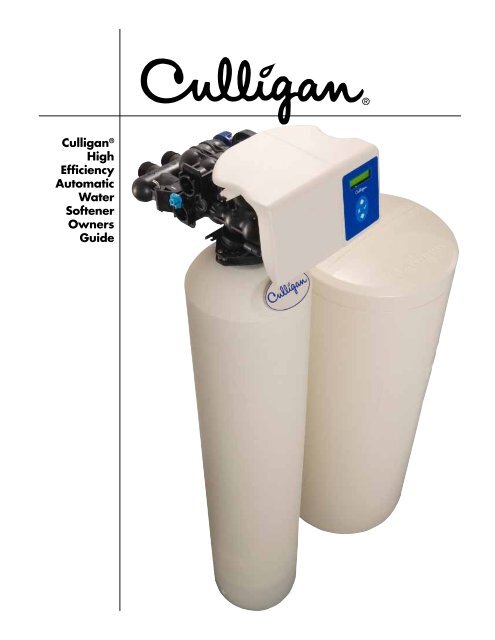
Valve, timer, and motor problems — how to diagnose and fix
Valves and timers control regeneration. Small faults here cause big symptoms.
Diagnosis tips:
- Listen for the motor at regen start. No sound usually means motor or board fault.
- Observe valve indexing. Slow or partial moves indicate mechanical wear or debris.
- Check timer programming after power outages; a wrong clock means odd regen times.
Fix steps:
- Tighten and clean connections. Replace worn seals or gears.
- Replace control board if diagnostics show no output to motor.
- For stuck valves, disassemble per manual and clean parts or replace the valve assembly.
These checks are central to solid Culligan Water Conditioner Troubleshooting. Take photos during disassembly to help reassemble correctly.
When to call a professional
Some issues are DIY-friendly. Others need a trained tech.
Call a pro if:
- You find electrical faults you cannot safely fix.
- Resin needs replacement or chemical cleaning for iron fouling.
- Control board or valve assemblies require part swaps.
Real-world experience: I once tried to replace a control board without the right firmware. The unit lost programming and needed a pro reflash. Lesson: know your limits. Calling a pro can save time and cost in the long run.
This is a key step in responsible Culligan Water Conditioner Troubleshooting.
Maintenance schedule and preventive tips
A small routine prevents most service calls. Keep tasks simple and regular.
Recommended schedule:
- Monthly: Check salt level and look for bridges.
- Quarterly: Inspect for leaks and check settings after storms or outages.
- Annually: Test water hardness and have a professional service if needed.
- Every 7–10 years: Plan for resin evaluation and possible replacement.
Practical tips:
- Use pellet or nugget salt to lower bridging risk.
- Keep the brine tank clean and free of debris.
- Record settings and service dates in a notebook for fast troubleshooting later.
Good habits make Culligan Water Conditioner Troubleshooting almost routine.
Quick PAA-style questions
Here are a few short questions people often ask, answered clearly.
How do I force a regeneration on a Culligan unit?
Use the manual regen option on the control head. Press the regen button and watch the cycle start.
Can I fix a salt bridge myself?
Yes, gently break the bridge with a broom handle or plastic tool and remove excess salt.
How often should I replace resin?
Resin lasts 7–10 years in normal conditions. Replace sooner if iron fouling or reduced performance occurs.
Frequently Asked Questions of Culligan Water Conditioner Troubleshooting
How do I know if my Culligan conditioner needs repair or just cleaning?
If soft water stops suddenly, start with salt checks and a forced regen. If issues persist after cleaning, repair or parts may be needed.
Why is my water still hard after regeneration?
Possible causes are low salt, salt bridge, or exhausted resin. Verify salt level and run a test regeneration first.
What salt type should I use for Culligan systems?
Use high-purity pellet or nugget salt made for softeners. Avoid rock salt with high impurities.
How long does a regeneration cycle take?
Most cycles take 60–90 minutes depending on model and settings. Check your manual for exact times.
Can power outages affect settings or timers?
Yes. Power loss can reset clocks or settings. Check the control head and correct the time and schedule if needed.
Conclusion
Troubleshooting a Culligan Water Conditioner is mostly about basic checks, clear steps, and smart maintenance. Start with power, salt, and a forced regen, then move to valves, resin, and control parts as needed. Use this guide to diagnose with confidence, and call a pro when electrical or complex repairs arise. Take action today: check your salt, run a test regen, and note anything unusual. Share your results, subscribe for updates, or ask a question below to get tailored help.
