

Most Linear garage door opener issues are fixable with simple checks: power, sensors, remotes, or limits.
I have spent years installing and repairing garage door openers. I know Linear models well. This guide explains Linear Garage Door Openers Troubleshooting in clear, step-by-step terms. You will learn how these systems work, common faults, exact tests to run, parts to examine, and when to call a pro. Read on for practical tips, real examples from the field, and safety checks you can do today.

36% off Today’s Exclusive Deals
Limited-time Exclusive Deals. Check current discount on Amazon.
Check Price on Amazon As an Amazon Associate I earn from qualifying purchases.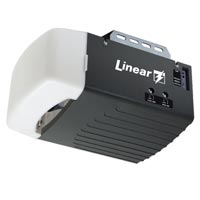
How Linear Garage Door Openers Work
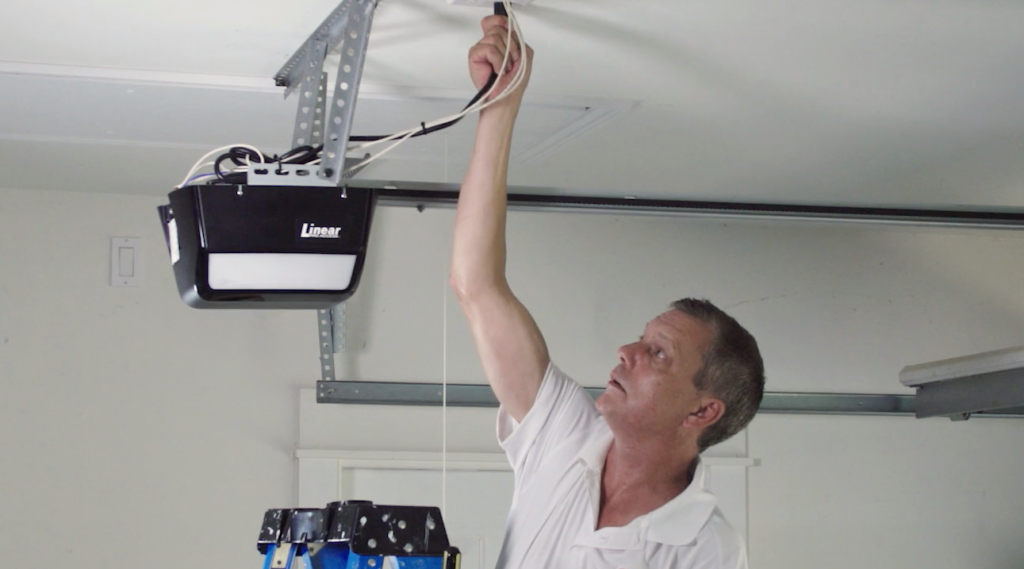
Linear garage door openers use an electric motor to move the door along a track. They come in belt, chain, and screw drives, and in trolly or wall-mounted varieties. A control board coordinates inputs from the remote, wall button, keypad, and safety sensors. Learning basic parts helps make Linear Garage Door Openers Troubleshooting faster and safer.
Common Problems and Causes
Many faults repeat across homes. Knowing the likely causes speeds repairs.
- Remote won't work
- Dead battery, misprogramming, or radio interference.
- Wall control is dead
- Loose wiring or failed control panel.
- Door reverses or won't close
- Blocked sensors, photo-eye misalignment, or force limits set incorrectly.
- Motor hums but door won't move
- Broken belt/chain, stripped trolley, or motor gearbox issue.
- Strange noises
- Worn gears, loose hardware, or lack of lubrication.
- Intermittent operation
- Wiring faults, power spikes, or failing circuit board.
These patterns guide effective Linear Garage Door Openers Troubleshooting on first inspection.
Step-by-Step Troubleshooting Guide
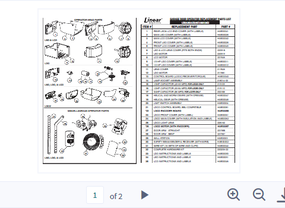
Follow this order. It avoids wasted work and keeps you safe.
- Verify power
- Check outlet and power light on the opener. Try a different outlet or test voltage if you can.
- Inspect remote and keypad
- Replace remote batteries. Reprogram if needed using the opener’s learn button.
- Test wall control
- If the wall button works but remote does not, focus on radio or receiver settings.
- Check safety sensors
- Clean lenses and confirm LEDs are steady. Realign sensors until both LEDs are lit.
- Observe door travel
- Disconnect the trolley (manual release) and move door by hand. If heavy, springs may be bad.
- Listen to the motor
- A humming motor often means a mechanical load or broken drive component.
- Inspect chain/belt/trolley
- Tighten or replace worn belts or chains. Check for bent rails or damaged trolleys.
- Review limit and force settings
- Adjust travel limits and force per your opener manual. Small changes often stop reversals.
- Check wiring and connectors
- Look for frayed wires, loose terminals, and corrosion on control board connectors.
- Reset the opener
- Power-cycle the unit and clear error codes by following the manual’s reset sequence.
Use this flow for efficient Linear Garage Door Openers Troubleshooting. If one step reveals the issue, stop and fix that part before continuing.

Quick tests for key symptoms
- Remote not working
- Swap remote batteries and test line-of-sight.
- Door reverses
– Place an object between sensors; if the door stops, sensors are the cause. - Motor hums
- Disconnect trolley and cycle motor. If motor runs freely, the drive is blocked.
These quick checks save time and reduce trial-and-error.

Safety Sensors and Alignment
Safety sensors stop the door when something blocks the beam. They are often the culprit in closing issues.
- How to check
- Clean lenses with a soft cloth. Check for insect nests or spider webs.
- Alignment signs
- One or both LEDs off or blinking. Move sensors until both LEDs are steady.
- Wiring problems
- Inspect sensor wires for cuts, rodent damage, or loose terminals.
Sensor problems are common in Linear Garage Door Openers Troubleshooting and are usually simple to fix.
Motor, Drive and Mechanical Issues
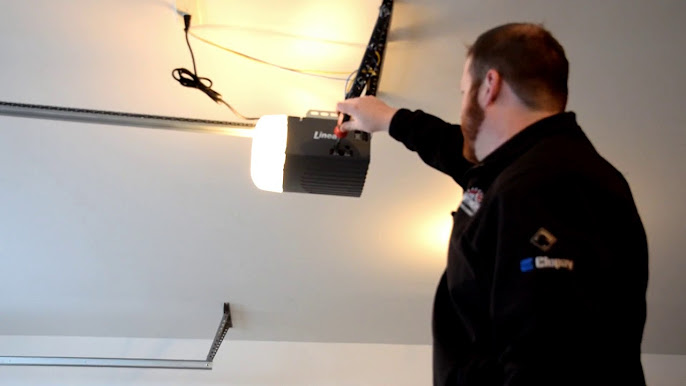
Mechanical faults need careful inspection. They often cause hums or failure to move.
- Motor hums but no travel
- Check the trolley connection. A broken trolley or stripped gear can stop movement.
- Worn gears or bearings
- Gear plastic can degrade. Replace worn gear kits per manufacturer guidance.
- Spring and balance checks
- Disconnect opener and lift door by hand. A balanced door stays up about three feet above closed. If not, springs are the issue and require a pro.
Mechanical fixes can be DIY if you have skill. For spring work, consider hiring a trained technician.
Tools and Parts You May Need
Having the right tools makes troubleshooting quicker and safer.
- Basic tools
- Multimeter, ladder, socket set, screwdrivers, pliers.
- Specialized items
- Replacement remote, sensor LED tester, nylon belt, drive sprocket, gear kit.
- Safety gear
- Gloves, safety glasses, and a helper for heavy doors.
Stock these items to make Linear Garage Door Openers Troubleshooting efficient.

Preventive Maintenance Tips
Simple care cuts future problems and extends opener life.
- Lubricate moving parts every 6 months
- Use manufacturer-recommended lubricant on rollers, hinges, and the rail.
- Test safety reversal monthly
- Place an object in the door path and confirm it reverses.
- Replace remote batteries yearly
- Prevent unexpected failures.
- Tighten fasteners quarterly
- Vibration loosens bolts and brackets over time.
Regular maintenance reduces the need for major Linear Garage Door Openers Troubleshooting later.
When to Call a Professional
Know your limits. Some fixes need pros.
- Call a pro if:
- You need spring replacement.
- You see frayed cables or severe rail damage.
- Electronics show repeated error codes after resets.
- Choose a certified technician
- Look for local pros with experience on Linear openers and good reviews.
A professional avoids safety risks and often repairs faster than DIY attempts.
People Also Ask
Why is my Linear garage opener clicking but not lifting?
This often means the motor runs but a drive part is broken or the trolley is jammed. Check the belt/chain and trolley connection.
How do I reset a Linear garage door opener?
Unplug the opener for 30 seconds, then plug it back in and press the learn button per the manual. This clears many simple faults.
Can I realign sensors myself?
Yes. Clean the lenses and adjust the sensors until both LEDs are steady. If wires are damaged, use a pro for safety.
Personal Experience and Lessons Learned
I once diagnosed a unit that hummed but would not lift. A quick manual release showed the door moved smoothly by hand. That pointed to a stripped sprocket in the opener. Replacing the gear kit fixed it in under an hour. Lesson: always test the door manually first. It narrows the issue fast and avoids needless parts swaps.
I recommend keeping a small kit with spare batteries, a replacement remote, and a basic gear kit if you service multiple doors. It saves time and reduces repeat trips.
Cost, Parts, and Replacement Guidance
Knowing costs helps plan repairs.
- Common part costs
- Remote: low cost. Sensors: moderate. Gear kits and belts: moderate to high.
- When to replace vs repair
- If the opener is older than 10–12 years and has repeated faults, replacement often saves money long term.
- Budgeting
- Factor labor, travel, and parts. Emergency calls raise costs.
Use these rules to make smart choices during Linear Garage Door Openers Troubleshooting and repairs.
Frequently Asked Questions of Linear Garage Door Openers Troubleshooting
How do I know if my sensors are bad?
Check sensor LEDs. If one LED is off or blinking after cleaning and alignment, the sensor or its wiring may be bad.
My opener is old and noisy—should I replace it?
If noise comes from worn gears and the unit is over 10 years old, replacement is often more cost-effective than repeated repairs.
Can I program a new remote myself?
Yes. Follow the opener’s manual to use the learn button and pair the remote. It usually takes a few seconds.
What causes the door to reverse while closing?
Most often misaligned or dirty safety sensors, but incorrect force or limit settings can also cause reversals.
Is it safe to work on the garage door springs myself?
No. Torsion and extension springs are under high tension and can cause injury. Hire a trained technician for spring work.
Conclusion
Linear Garage Door Openers Troubleshooting is about method and safety. Start with power and manual checks, inspect sensors, test remotes, and listen for mechanical cues. Do simple fixes yourself and call a pro for springs or complex electronics. Take action now: run the quick checks in this guide, do a safety reversal test, and bookmark these troubleshooting steps for future reference. Share your experience in the comments or subscribe for more how-to guides.

