

A dirty filter, low refrigerant, or blocked coil often explains AC not cooling problems.
I’ve spent years diagnosing home and small commercial systems, and this guide walks you through practical Ac Not Cooling Troubleshooting you can trust. You will learn clear causes, step-by-step checks, safe DIY fixes, and when to call a pro. Read on to fix your AC faster and prevent future breakdowns.

36% off Today’s Exclusive Deals
Limited-time Exclusive Deals. Check current discount on Amazon.
Check Price on Amazon As an Amazon Associate I earn from qualifying purchases.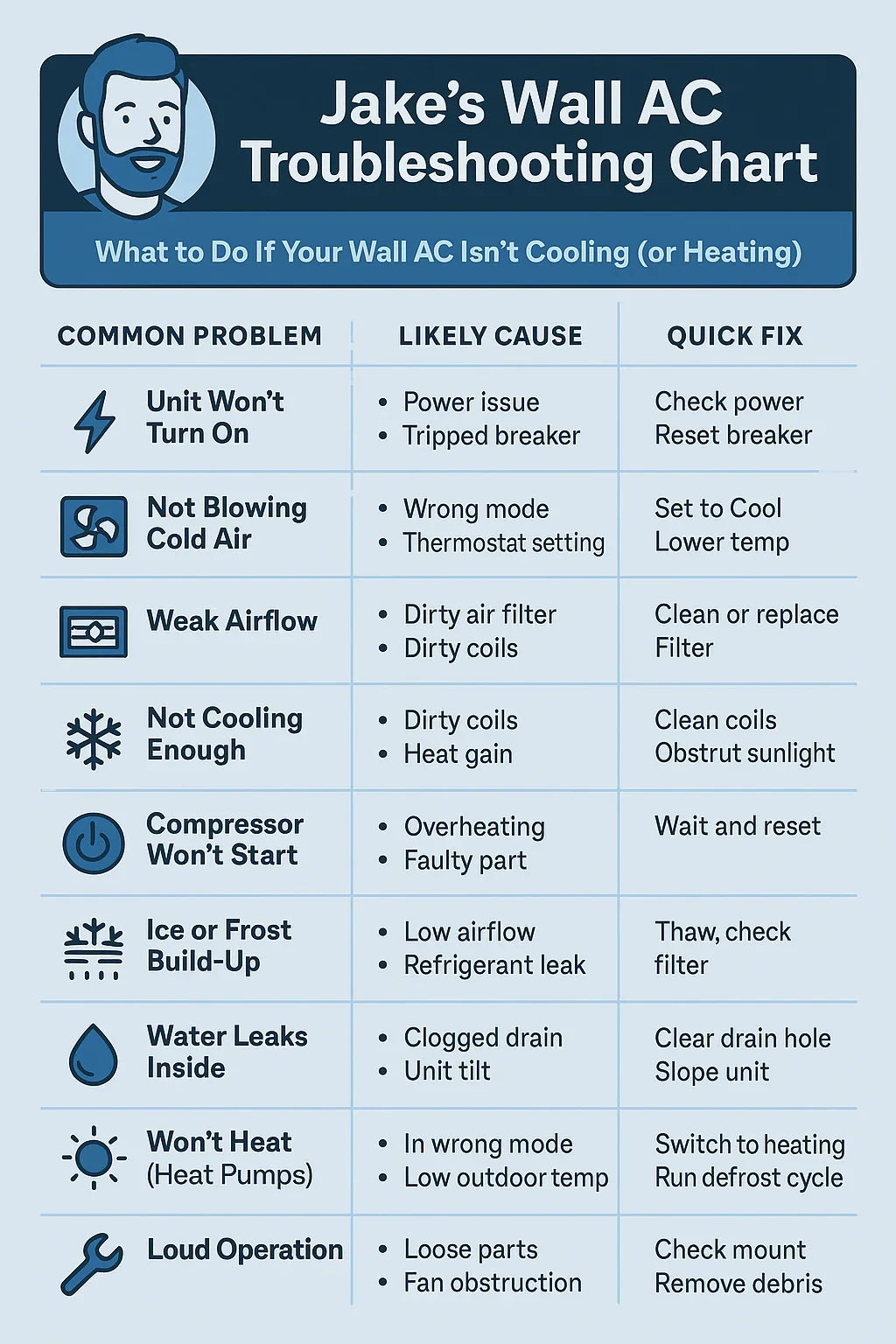
Why an AC Might Not Cool
An AC that does not cool can be caused by simple issues or by system failures. Ac Not Cooling Troubleshooting begins with checking air flow, thermostat settings, and filters. Common causes include low refrigerant, dirty coils, blocked vents, electrical faults, and compressor issues.
Common causes at a glance:
- Clogged air filter reducing airflow.
- Closed or blocked supply vents.
- Thermostat set incorrectly or failing.
- Low refrigerant from leaks.
- Dirty evaporator or condenser coils.
- Faulty compressor or capacitor.
- Frozen evaporator coil due to poor airflow.
- Improper system sizing or aging unit.
Understanding basics helps you sort fast from slow fixes. Ac Not Cooling Troubleshooting starts with the easiest checks and moves to more technical tasks.

Essential Tools and Safety Precautions
Before doing Ac Not Cooling Troubleshooting, gather simple tools and follow safety steps. Working safely protects you and prevents further damage.
Tools to have:
- Screwdriver set for access panels.
- Soft brush and vacuum for dirt removal.
- Fin comb for bent coil fins.
- Multimeter for basic electrical checks.
- Thermometer to measure return and supply temps.
- Gloves and eye protection.
Safety tips:
- Turn power off at the breaker before opening panels.
- Don’t touch refrigerant lines or attempt repairs requiring gas handling.
- Avoid wet conditions when working near electrical parts.
- If you smell burning or see smoke, stop and call a technician.
These steps keep repairs safe and let you focus on proper Ac Not Cooling Troubleshooting.
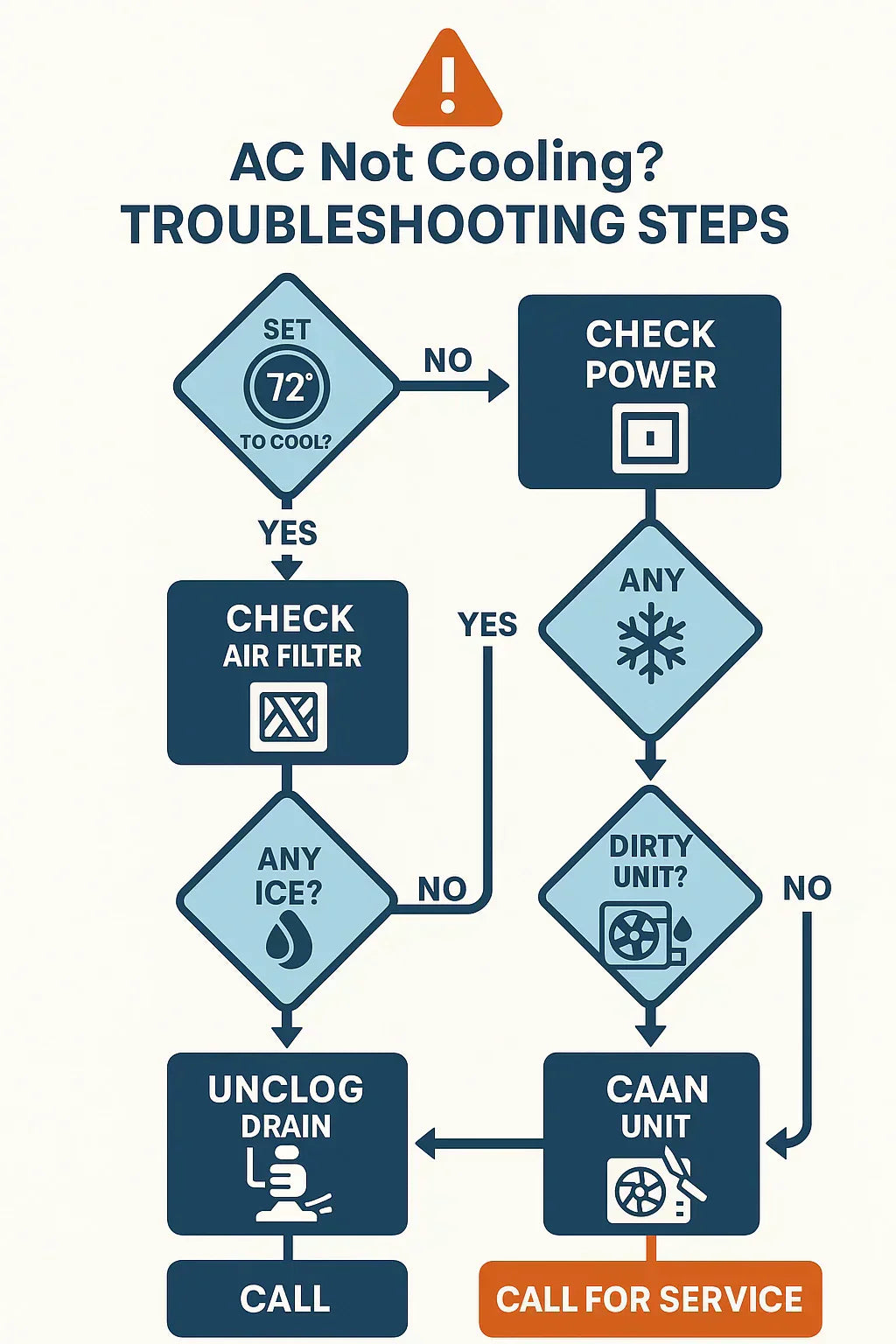
Step-by-Step Ac Not Cooling Troubleshooting Guide
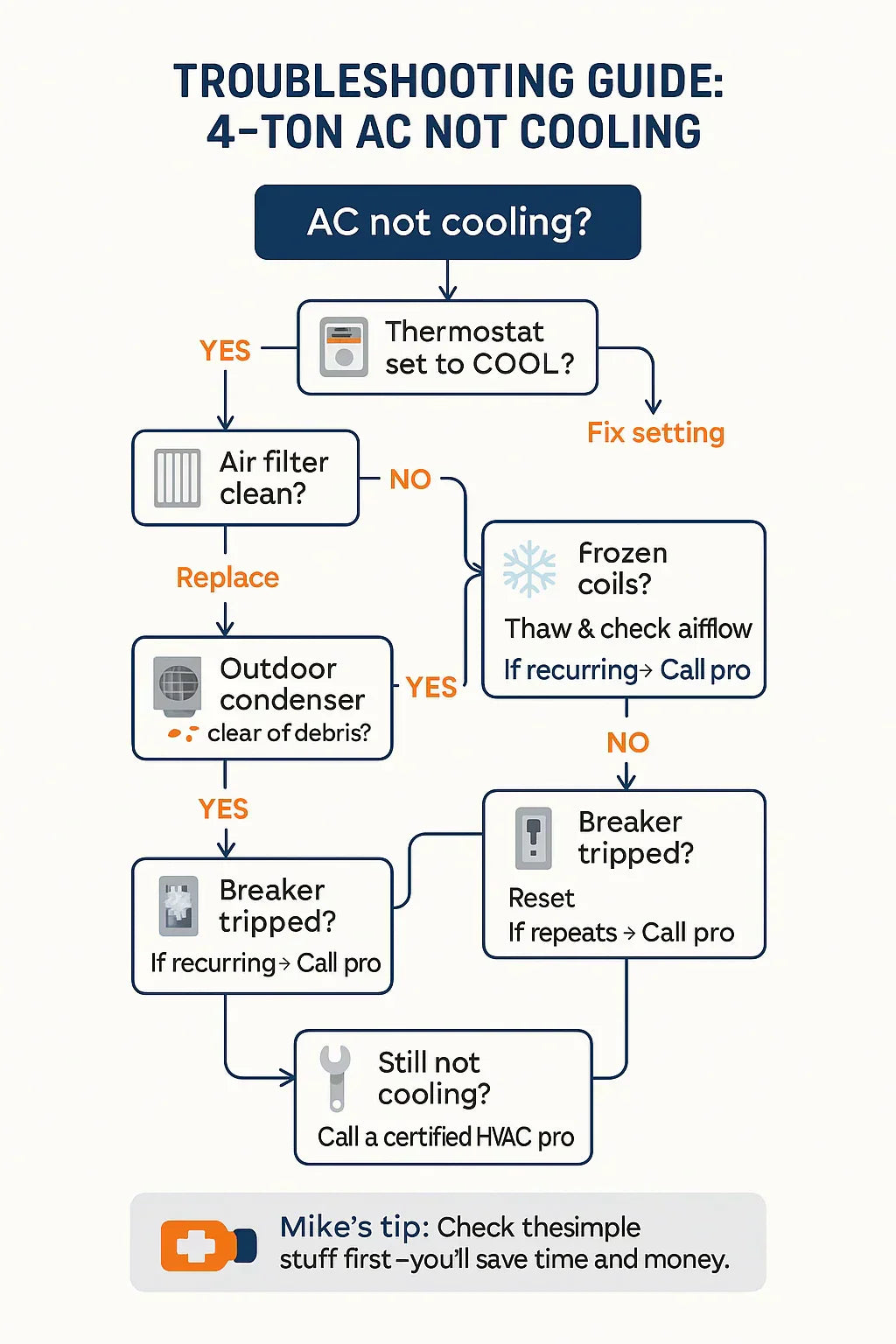
Follow these steps in order. Each step separates easy fixes from tasks needing a pro.
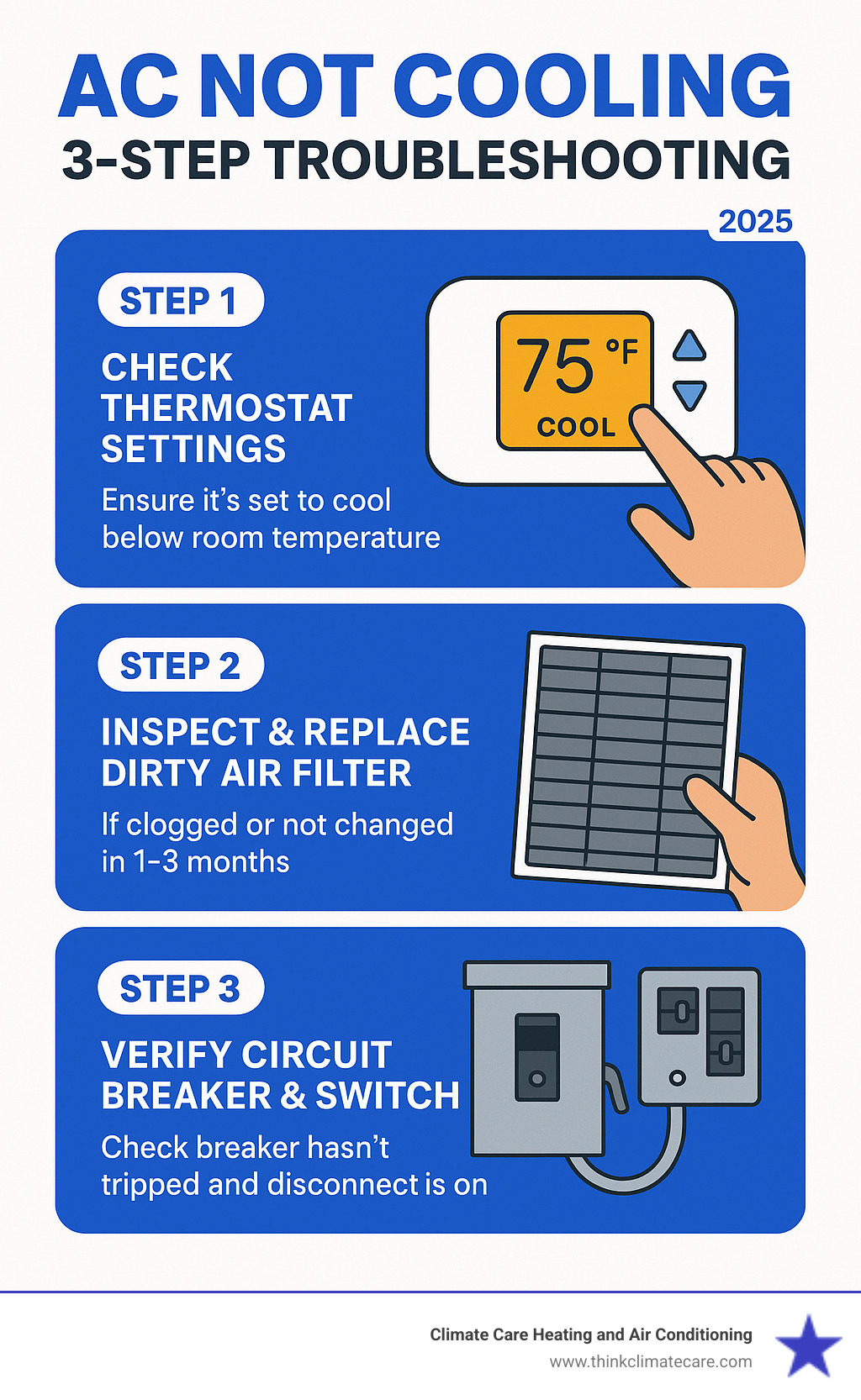
- Check the thermostat
- Verify the thermostat is set to cool and the temperature is lower than room temp. Replace batteries and reset if needed.
- Inspect and replace the air filter
- A dirty filter cuts airflow. Replace or clean the filter and test the system after 15–30 minutes.
- Confirm vents and registers are open
- Make sure all supply vents are open and not blocked by furniture or curtains.
- Look at the outdoor unit
- Clear debris and leaves around the condenser. A blocked outdoor unit cuts cooling power.
- Measure temperature difference
- Place a thermometer in a return vent and a supply vent. A healthy system has about a 15–20°F drop.
- Check for ice on the evaporator coil
- Ice indicates poor airflow or low refrigerant. Turn off cooling and run the fan to thaw, then investigate airflow and filters.
- Listen for unusual noises
- Rattles, buzzing, or clicking can point to electrical issues or a failing compressor.
- Test basic electrical components
- With the power off, inspect fuses and circuit breakers. Use a multimeter for simple continuity checks if you are comfortable.
- Inspect refrigerant lines for obvious leaks
- Oil stains or hissing sounds suggest a leak. Do not attempt to recharge refrigerant yourself unless certified.
- Consider ductwork problems
- Leaks or disconnections reduce cool air delivery. Visible duct damage can be patched as a temporary fix.
These steps cover the core of Ac Not Cooling Troubleshooting. When a step points to a refrigerant leak, compressor fault, or complex electrical problem, call a licensed technician.

DIY Fixes You Can Try Today
Many Ac Not Cooling Troubleshooting tasks are safe for homeowners. Try these before scheduling a service call.
- Replace the air filter. This is the most common quick fix.
- Clean the outdoor coil. Gently remove debris and spray the fins with low-pressure water after shutting power off.
- Straighten bent fins. Use a fin comb to improve airflow through the coil.
- Clear drainage line clogs. A backed-up drain can cause system shutdown. Use a wet/dry vacuum on the condensate line.
- Reposition thermostat. Avoid direct sunlight or heat sources that misread room temperature.
- Seal simple duct gaps with HVAC tape. This can improve airflow to cool rooms.
Personal note: I once fixed a unit that wouldn’t cool by simply replacing a thick, caked filter and straightening a few bent fins. It was a 30‑minute fix and saved the homeowner a service fee.
These DIY steps are part of basic Ac Not Cooling Troubleshooting and often restore performance quickly.
When to Call a Professional
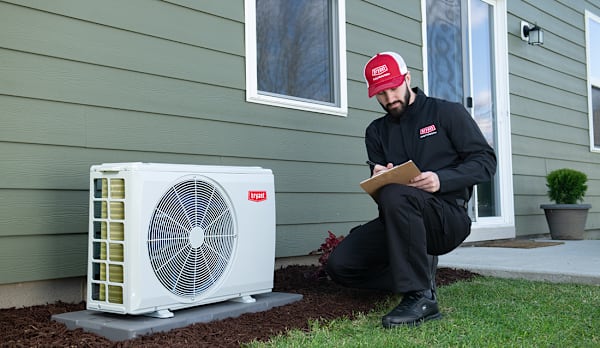
Some problems need certified tools or licenses. Call a pro if you encounter these signs during Ac Not Cooling Troubleshooting:
- Refrigerant leak suspected, indicated by hissing or oily residue.
- Compressor failure, shown by no cooling despite fans running and proper airflow.
- Repeated tripping of breakers or burning smells.
- Complex electrical testing beyond basic multimeter checks.
- System is under warranty or requires refrigerant handling.
Estimated professional costs:
- Diagnostic fee typically ranges from a small flat rate to a service visit charge.
- Simple repairs like capacitor or contactor replacement are moderate.
- Compressor replacement or refrigerant recovery can be costly; weigh repair vs replacement for older units.
When in doubt, a certified technician prevents unsafe attempts and ensures long-term repairs.
Common Mistakes and How to Avoid Them
Avoid pitfalls that make Ac Not Cooling Troubleshooting less effective or dangerous.
- Mistake: Recharging refrigerant without testing for leaks. This masks the issue and wastes money.
- How to avoid: Inspect for leaks and call a certified tech for refrigerant work.
- Mistake: Skipping power shutoff before inspecting components.
- How to avoid: Always turn off breakers and use a voltage tester.
- Mistake: Using high-pressure water on delicate fins.
- How to avoid: Use low-pressure rinse and gentle brushes.
- Mistake: Ignoring small symptoms until total failure.
- How to avoid: Keep up routine checks and act early when cooling drops.
Learning from errors speeds successful Ac Not Cooling Troubleshooting and reduces repair bills.

Preventive Maintenance to Keep AC Cooling Efficient
Routine care reduces the need for emergency Ac Not Cooling Troubleshooting. A small maintenance plan yields big benefits.
Maintenance checklist:
- Replace or clean filters every 1–3 months.
- Clean the outdoor unit and keep clear space around it.
- Schedule professional tune-ups once a year.
- Inspect ductwork yearly for leaks and insulation issues.
- Monitor thermostat batteries and calibrate if readings feel off.
Benefits of regular upkeep:
- Lower energy bills.
- Longer equipment life.
- Fewer emergency repairs.
- More consistent indoor comfort.
My experience: I schedule a spring tune-up for clients. Units perform better and homeowners report fewer calls on hot days.
PAA-style Quick Questions
Q: How fast can I fix an AC that is not cooling?
A: Simple fixes like changing filters or clearing debris can work in 30–60 minutes. More serious fixes may require a professional visit.
Q: Can a frozen evaporator coil be fixed at home?
A: You can thaw the coil by turning off cooling and running the fan. For root causes like low refrigerant or airflow, call a technician.
Q: Is it safe to add refrigerant myself?
A: No. Handling refrigerant requires certification and proper tools. Adding refrigerant without fixing leaks is unsafe and illegal in many areas.
Frequently Asked Questions of Ac Not Cooling Troubleshooting
What is the first thing I should check if my AC is not cooling?
Start with the thermostat settings, air filter, and supply vents. These are quick checks that often solve the problem.
How do I tell if my AC has a refrigerant leak?
Look for oil stains on lines, listen for hissing, and note poor cooling with normal fan operation. A licensed technician should confirm leaks.
Why does my AC freeze up?
Freezing usually means low airflow or low refrigerant. Dirty filters, blocked vents, or blower issues commonly cause this.
Can clogged ducts cause poor cooling?
Yes. Leaky or blocked ducts reduce airflow and make rooms feel warmer even if the AC runs. Sealing ducts can help.
How long should an AC unit last before replacement?
Typical central ACs run 10–15 years with good care. If repair costs exceed half the value of an older unit, consider replacement.
What is a healthy temperature difference between return and supply air?
A normal split is about 15–20°F. Less than that may indicate poor cooling performance or system issues.
Conclusion
Ac Not Cooling Troubleshooting works best when you follow simple checks first, perform safe DIY fixes, and call professionals for refrigerant or electrical work. Start with filters, thermostat, vents, and outdoor unit cleaning. Keep a short maintenance routine to prevent problems and save money. Try the steps in this guide, and if problems persist, schedule a professional inspection. Share your experience below or subscribe for more home cooling tips.

