

When you’re traveling in your RV, comfort is everything. Hot water is not just a luxury—it’s a necessity for showers, washing dishes, and cleaning up after a long day on the road. The right tankless water heater can make a huge difference in your experience. Two of the most talked-about brands today are Apus and Furrion. Both offer modern tankless models designed for RVs, but which one is actually better for your needs? This guide will break down the differences, features, and real-world performance of each brand, so you can confidently choose the best option for your adventures.
Why Go Tankless In Your Rv?
Traditional RV water heaters use a storage tank. They keep water hot all the time, even when you’re not using it. This means wasted energy and, often, running out of hot water in the middle of a shower. Tankless water heaters heat water only when you need it, giving you endless hot water (within flow limits) and saving energy.

36% off Today’s Exclusive Deals
Limited-time Exclusive Deals. Check current discount on Amazon.
Check Price on Amazon As an Amazon Associate I earn from qualifying purchases.Here’s why more RV owners are switching to tankless systems:
- Continuous hot water: No more cold surprises during a shower.
- Energy efficiency: Heats only what you use.
- Space-saving: Smaller and lighter than tank models.
- Less maintenance: Fewer parts, less risk of rust or scale buildup.
But not all tankless heaters are the same. Brand, build quality, and smart features can make a big difference in your daily comfort.
Apus Rv Tankless Water Heater: Features And Highlights
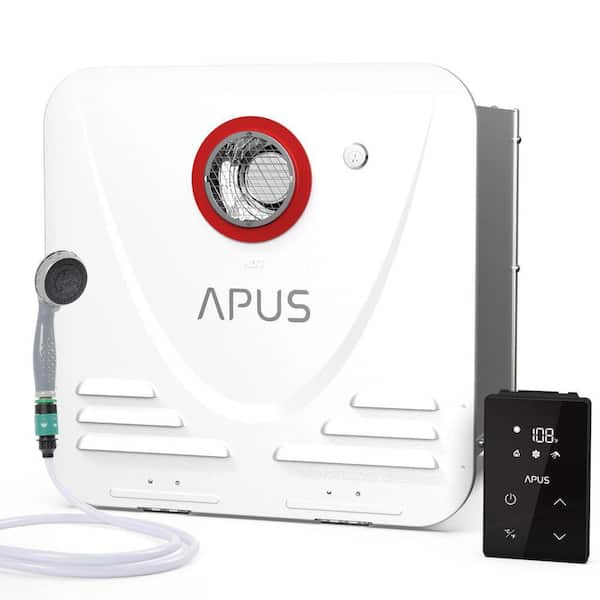
Apus may not be as widely known as some big RV brands, but it’s quickly building a reputation for smart, reliable products. The Apus tankless water heater stands out because it’s designed specifically for the unique needs of RVers.
Key Features
- Compact design: Fits standard RV water heater cutouts.
- Digital temperature control: Set your preferred temperature to the exact degree.
- Freeze protection: Built-in safety for cold weather travel.
- Low water pressure start: Works even when your campground has weak water pressure.
- Energy efficiency: Uses advanced sensors to adjust the flame and water flow.
- Multiple safety systems: Includes flame-out detection, overheat protection, and anti-freeze technology.
Performance Specs
- Flow rate: Up to 2.2 gallons per minute (GPM)
- BTU rating: Around 42,000 BTUs (varies by model)
- Power source: Propane with 12V DC ignition
Real-world Experience
Many Apus users praise the steady temperature control. The digital interface is easy to use, even for beginners. The unit’s ability to work under low water pressure is a lifesaver in rural campgrounds or boondocking spots. Apus also gets good marks for quiet operation—a big plus if you’re sensitive to noise in your RV.
Unique Advantages
- Adaptability: Apus heaters are designed for both new installations and as direct replacements for old tank models.
- User-friendly controls: The touchscreen is simple, so you won’t need to fumble with dials.
- Affordable price: Usually, Apus models are priced a bit lower than Furrion without sacrificing core features.
Furrion Rv Tankless Water Heater: Features And Highlights
Furrion is a well-known name in the RV world. Its tankless water heaters are popular for good reason—Furrion combines sleek design with smart technology.
Key Features
- Vortex technology: Keeps water temperature consistent, reducing “cold water sandwich.”
- Touchscreen control panel: Easy to see and adjust, even in low light.
- High flow rate: Up to 2.4 GPM (slightly higher than Apus)
- Multiple protection systems: Overheat, flame failure, and anti-freeze included.
- Compact and lightweight: Fits most RV water heater spaces.
Performance Specs
- Flow rate: Up to 2.4 GPM
- BTU rating: 60,000 BTUs
- Power source: Propane with 12V DC ignition
Real-world Experience
Furrion’s tankless heaters are known for their reliable hot water delivery, even when multiple taps are running. The Vortex technology is more than just a buzzword—it really does keep the temperature steady. The modern look and feel of the control panel are a favorite for RVers who like a high-tech touch. Furrion also has good customer support and easy-to-find replacement parts.
Unique Advantages
- Higher BTU output: Heats water faster, especially helpful in cold climates.
- Vortex technology: Reduces temperature swings, which is important if several people are showering one after another.
- Trusted brand: Furrion is found in many new RVs, so installation and support are often easier.
Side-by-side Comparison: Apus Vs Furrion
Understanding specs is good, but seeing the differences side by side makes your decision easier. Here’s a clear comparison of the most important features.
| Feature | Apus | Furrion |
|---|---|---|
| Max Flow Rate | 2.2 GPM | 2.4 GPM |
| BTU Output | 42,000 BTU | 60,000 BTU |
| Temperature Control | Digital touchscreen | Touchscreen with Vortex tech |
| Freeze Protection | Yes | Yes |
| Low Water Pressure Start | Yes | No (requires moderate pressure) |
| Noise Level | Very quiet | Quiet |
| Ease of Installation | Simple, fits standard cutouts | Simple, fits most cutouts |
| Price Range | $500–$650 | $650–$900 |
| Warranty | 2 years | 2 years |
Performance In Real-world Conditions
It’s easy to look at numbers and features, but real-world performance is where you see the real differences.
Water Temperature Stability
Both Apus and Furrion promise consistent hot water, but Furrion’s Vortex technology gives it a slight edge, especially when demand is high (for example, someone is showering while another person runs the kitchen tap). Apus performs well for single-use, but some users notice minor fluctuations with heavy use.
Cold Weather Operation
Both units offer freeze protection, but Apus is often chosen by RVers who travel in very cold areas. Its anti-freeze system is more aggressive, running small cycles to prevent freezing even in harsh conditions. Furrion’s system works well, but some owners recommend extra insulation if you’re camping below 20°F.
Water Pressure Sensitivity
A key area where Apus stands out is the low water pressure start. Many campgrounds have poor pressure, especially when everyone is using water at the same time. Apus heaters can start with as little as 0.4 bar (about 6 psi), while Furrion units need a bit more. If you often camp off-grid or in older parks, Apus is less likely to give you “no hot water” headaches.
Installation And Replacement
Both brands are designed for easy swapping with your old tank heater. However, some users report that Furrion’s units may require minor trim work if your RV cutout is slightly off-standard. Apus is usually a more direct fit, especially in older RVs.
Fuel Efficiency
Both use propane, but Apus tends to use slightly less because of its lower BTU rating and smart sensors. Over a long trip, this can save you a few pounds of propane—a small but real advantage if you’re watching your fuel budget.
Noise Level
Neither unit is loud, but Apus is especially quiet. This matters if you’re running the heater at night or have a small RV where every sound is noticeable.
Cost Of Ownership
Buying a tankless water heater is more than just the sticker price. You should think about:
- Upfront cost: Apus is usually $100–$300 less expensive.
- Installation cost: Both are DIY-friendly, but professional installation adds $150–$400.
- Maintenance: Both brands need periodic descaling and cleaning. Furrion parts are easier to find at dealerships.
- Propane usage: Furrion heats water faster but uses more fuel; Apus is more efficient for low-demand users.
- Warranty service: Both offer similar 2-year warranties. Furrion’s larger support network gives it a slight edge for quick repairs.
Over three years, the total ownership cost is often slightly lower for Apus, unless you need frequent support or parts.
User Reviews: What Real Rvers Say
Online reviews and RV forums can tell you a lot that specs can’t. Here’s what actual users highlight:
Apus Owners
- “Perfect for boondocking—works with weak pressure.”
- “Touchscreen is easy, even for my parents.”
- “Very quiet, never wakes up the kids.”
- “Installation was fast, took about 40 minutes.”
- “Temp is stable unless two people use water at once.”
Furrion Owners
- “Never run out of hot water, even with two showers back to back.”
- “A bit more expensive, but worth it for the features.”
- “Vortex tech really does keep temperature stable.”
- “Support was great when I needed a replacement part.”
- “Slightly louder than my old tank heater, but much faster.”
One non-obvious insight: Some RVers notice that the quality of your RV’s plumbing (especially pipe insulation and diameter) can affect both brands’ performance. If you have very long water lines, you might experience more initial cold water with either heater.
Key Factors To Consider When Choosing
Choosing between Apus and Furrion isn’t just about the name. Think about these key points:
1. How Many People Use Hot Water At Once?
If you have a large family or want to run multiple taps, Furrion’s higher flow and Vortex tech may be better.
2. Do You Often Camp In Cold Weather?
Both have freeze protection, but Apus is often chosen by winter RVers for its aggressive anti-freeze cycles.
3. Do You Struggle With Low Water Pressure?
Apus is the clear winner for off-grid or older campgrounds with weak pressure.
4. Is Brand Support Important?
Furrion has a bigger dealer network and easier access to parts.
5. What’s Your Budget?
Apus is more affordable upfront and uses less propane for low-demand users.
6. Do You Care About Modern Controls?
Both use touchscreens, but Furrion’s panel is more stylish and advanced.
- Noise sensitivity:
Apus is quieter—a small but important factor for light sleepers or compact RVs.

Common Mistakes To Avoid
When upgrading to a tankless water heater, many RVers make these mistakes:
- Ignoring water pressure limits: Make sure your campground or pump can meet the minimum.
- Not insulating pipes: Cold pipes can reduce efficiency and make freeze protection less effective.
- Poor venting: Both units need good venting to avoid dangerous gases inside your RV.
- Skipping regular descaling: Hard water can quickly cause build-up. Flush your heater every few months.
- Expecting instant hot water at the tap: There’s always a short delay for hot water to travel through your pipes—especially in larger RVs.
A less obvious tip: Always check your RV’s electrical system. Both units use 12V DC for ignition and controls, but a weak battery or loose wiring can cause random shutoffs.
Practical Installation Tips
If you’re planning a DIY install, here are some steps and tips for a smooth job:
- Turn off propane and water before you start.
- Remove the old heater carefully; disconnect all gas and water lines.
- Check cutout size. Both Apus and Furrion fit standard 16” x 12” openings, but measure before you buy.
- Install new heater using the supplied gasket and screws.
- Connect water lines and check for leaks.
- Connect propane, using leak detector solution to check for safety.
- Wiring: Both connect to your RV’s 12V system. Double-check polarity and connections.
- Test run before sealing everything up. Watch for error codes on the display.
- Seal exterior edges with waterproof sealant to avoid leaks and drafts.
If you’re unsure, a certified RV technician can usually install a tankless heater in 1–2 hours.
Summary Comparison Table: Apus Vs Furrion
For a quick snapshot, here’s another way to see how these two brands stack up for the most important questions:
| Which Is Better For… | Apus | Furrion |
|---|---|---|
| Low Water Pressure | ✔️ | ❌ |
| High Flow Demand | ❌ | ✔️ |
| Cold Weather | ✔️ | ✔️ (with extra care) |
| Quiet Operation | ✔️ | ✔️ (slightly louder) |
| Budget-Friendly | ✔️ | ❌ |
| Modern Controls | ✔️ | ✔️ (more advanced) |
| Brand Support | ❌ | ✔️ |
Expert Recommendation
If your RV life is mostly in campgrounds with good water pressure and you want the latest features, Furrion is hard to beat. Its higher BTU output, advanced Vortex technology, and wide dealer network are big advantages for busy families or tech lovers.
If you’re a budget-conscious traveler, often camp off-grid, or need reliable hot water in low-pressure or cold environments, Apus is a smart choice. Its lower price and better efficiency make it a favorite among solo travelers and couples.
No matter which you choose, upgrading to a tankless water heater will improve your comfort and save you money in the long run. If you want more technical details or official specs, you can visit the Furrion official site for model breakdowns.
Frequently Asked Questions
How Long Does It Take For A Tankless Water Heater To Deliver Hot Water In An Rv?
Usually, you’ll get hot water within 10–20 seconds after turning on the tap. The delay depends on how far your faucet is from the heater and the temperature of the incoming water. Both Apus and Furrion work quickly, but neither can deliver instant hot water at the tap.
Can I Install A Tankless Water Heater Myself In My Rv?
Yes, both Apus and Furrion models are designed for DIY installation. If you have basic plumbing and propane skills, you can do it yourself. Always follow the manual and check for leaks. If you’re unsure, hire a certified RV technician for safety.
Which Is More Energy Efficient: Apus Or Furrion?
Apus models are slightly more efficient for light use because of their lower BTU rating and advanced sensors. Furrion uses more propane to deliver higher flow rates and faster heating, but both are much more efficient than old tank systems.
Are Tankless Water Heaters Safe For Winter Rv Camping?
Both Apus and Furrion include freeze protection features. Apus offers a more aggressive anti-freeze cycle, making it a better choice for extreme cold. For either model, insulate your pipes and use RV antifreeze if parking for long periods in freezing temperatures.
What Is The Most Common Problem With Rv Tankless Water Heaters?
The most common issue is low water pressure, which can prevent the heater from starting. Apus performs better in low-pressure situations. Other problems include mineral buildup (if you have hard water) and electrical issues if your RV battery is weak.
Regular cleaning and maintenance help prevent most problems.
Finding the right tankless water heater for your RV is a choice that pays off every time you shower, wash dishes, or clean up after a great day on the road. Consider your camping style, water needs, and budget, and you’ll make the right decision for many adventures to come.

