

If your Atosa ice maker is not filling with water, you’re not alone. Many restaurant owners and home users face this issue, and it can lead to lost sales or spoiled food. The good news? Most water fill problems are fixable with a little know-how and some patience. In this guide, you’ll learn why your Atosa ice maker isn’t filling, how to diagnose the cause, and the steps to fix it—without expensive service calls.
Understanding Atosa Ice Maker Water Fill Problems
An ice maker relies on a steady supply of water to create ice. When your Atosa machine fails to fill, the ice production stops. This is a common issue with commercial ice machines, especially in busy kitchens or environments with hard water.

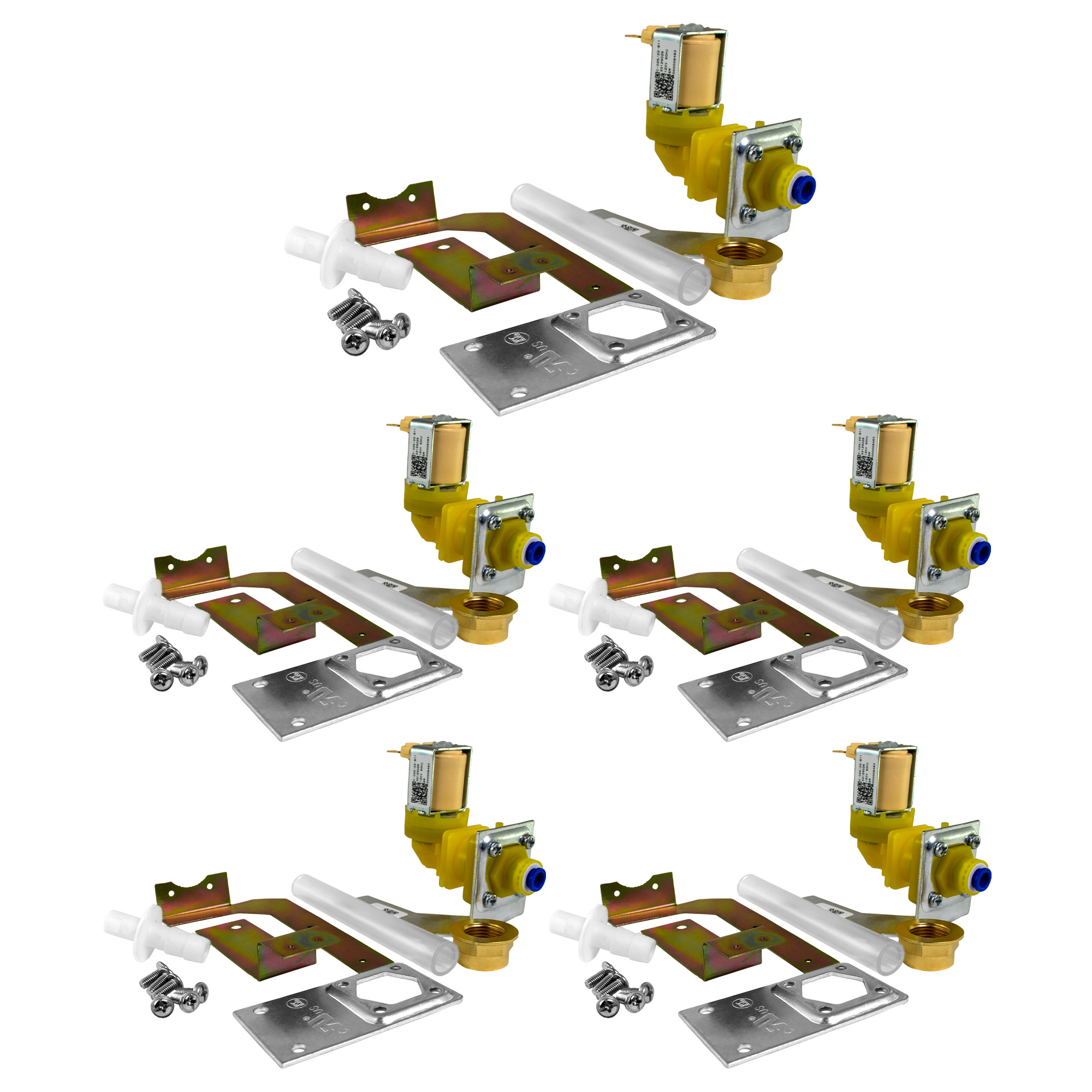
36% off Today’s Exclusive Deals
Limited-time Exclusive Deals. Check current discount on Amazon.
Check Price on Amazon As an Amazon Associate I earn from qualifying purchases.Here’s why it matters:
- If the water fill cycle is broken, your machine won’t make ice, leading to downtime.
- Water-related problems can be simple (like a closed valve) or complex (like a failed control board).
- Fixing the root cause prevents more costly repairs later.
A surprising insight: Most water fill failures are linked to small, overlooked parts like filters or float switches—not the expensive components.
Common Reasons Why Your Atosa Ice Maker Is Not Filling With Water
Before you start fixing, you need to know what could be wrong. Here are the most frequent causes:
- Water supply shut-off: The valve controlling water to the ice maker may be closed or partially open.
- Clogged water filter: Dirty filters slow or block water flow.
- Faulty inlet valve: The valve that lets water in can fail electrically or mechanically.
- Low water pressure: If the water pressure drops below the required level, the machine can’t fill properly.
- Float switch failure: This switch detects water level and signals the fill cycle.
- Frozen inlet line: Low temperatures or poor insulation can freeze the line.
- Electrical issues: Wiring or control board faults prevent the fill cycle.
- Kinked or damaged supply line: Physical bends or breaks block water.
- Sensor malfunctions: Water sensor or level sensor errors.
- Software or settings error: Incorrect machine settings can pause or block the fill cycle.
Most Atosa ice makers require at least 20 psi water pressure. Anything lower can cause problems.
Step-by-step Diagnosis: Finding The Real Cause
Solving the problem starts with a clear diagnosis. Follow these steps to pinpoint the issue:
1. Check The Water Supply
- Look for the main shut-off valve. Make sure it’s fully open.
- Inspect the supply line for kinks, bends, or leaks.
- Test water pressure at the source with a gauge. If it’s below 20 psi, you’ll need to fix the supply.
2. Inspect The Water Filter
- Locate the filter, usually near the back or underneath.
- Remove the filter and check for visible dirt or clogs.
- Replace it if it’s old (usually every 6 months) or visibly dirty.
3. Test The Inlet Valve
- Listen for a click or hum when the fill cycle starts. No sound may mean the valve isn’t working.
- Disconnect power and access the valve.
- Use a multimeter to test for continuity. If it fails, replace the valve.
4. Examine The Float Switch
- The float switch is inside the water reservoir.
- Remove the cover and gently move the float. If it sticks or doesn’t move freely, clean or replace it.
5. Check For Frozen Lines
- Touch the supply line. If it’s cold and hard, it could be frozen.
- Thaw gently with warm towels or a hair dryer—never use open flames.
6. Review Electrical Connections
- Inspect wiring near the inlet valve and control board.
- Look for loose or damaged wires.
- If unsure, call a qualified technician.
7. Inspect Sensors And Settings
- Check the display for error codes. Consult your Atosa manual.
- Reset settings if needed. Sometimes, a simple reset solves the issue.
These steps cover 90% of water fill problems. If you find nothing wrong, you may need professional help.
Repairing Each Major Cause: Practical Solutions
Once you identify the root cause, use these targeted fixes.
Water Supply Shut-off
- Open the valve fully. If it’s hard to turn, lubricate or replace it.
- Replace broken or corroded valves.
- Run water through the supply line to clear air or debris.
Clogged Water Filter
- Replace the filter with a genuine Atosa model for best results.
- Flush the system after installing a new filter.
- Don’t ignore filter changes—old filters can cause bacterial growth.
Faulty Inlet Valve
- If the valve is faulty, order a replacement from an authorized dealer.
- Follow the Atosa guide for installation.
- After replacing, test the fill cycle before closing panels.
Low Water Pressure
- If pressure is low, check for leaks or restrictions in the supply line.
- Install a pressure booster if your building has weak supply.
- Use a pressure gauge to monitor regularly.
Float Switch Failure
- Clean the float and switch housing with mild soap and water.
- Replace if cleaning does not restore movement.
- Avoid rough handling—floats are delicate.
Frozen Inlet Line
- Insulate the supply line to prevent future freezing.
- Increase room temperature if possible.
- If freezing happens often, relocate the machine.
Electrical Issues
- Tighten loose wires.
- Replace damaged cables.
- If the control board is faulty, contact Atosa support.
Kinked Or Damaged Supply Line
- Straighten kinks or replace damaged sections.
- Use food-grade tubing for replacements.
Sensor Malfunctions
- Clean sensor contacts gently.
- Replace sensors if error codes persist.
Software Or Settings Error
- Reset the machine using the Atosa instructions.
- Update firmware if available.
Non-obvious tip: Water fill issues can sometimes be fixed by simply unplugging the machine for 5 minutes and plugging it back in. This resets internal relays.

Preventing Water Fill Problems In Atosa Ice Makers
Prevention is easier than repair. Here’s how you can keep your ice maker running smoothly:
- Change filters every 6 months (or sooner in hard water areas).
- Inspect supply lines monthly for kinks or leaks.
- Clean float switches and sensors quarterly.
- Maintain water pressure above 20 psi.
- Keep the machine in a room above 40°F to prevent freezing.
- Flush the water system after periods of inactivity.
- Schedule annual professional maintenance.
A hidden insight: Many owners forget to check water quality. Hard water can cause scale buildup, blocking valves and filters.
Comparing Atosa Water Fill Troubles With Other Ice Makers
To better understand Atosa’s reliability, let’s compare its water fill problems to other brands.
| Brand | Common Water Fill Issues | Typical Fix Difficulty |
|---|---|---|
| Atosa | Float switch, filter, valve, low pressure | Moderate |
| Manitowoc | Sensor errors, inlet valve, water filter | Moderate |
| Hoshizaki | Valve failure, frozen line, control board | Hard |
| Scotsman | Pressure, filter, electrical faults | Easy |
Atosa is generally easier to repair than Hoshizaki, but harder than Scotsman. This matters for busy kitchens where downtime is costly.
Key Parts And Their Lifespan
Understanding how long parts last helps plan maintenance.
| Part | Average Lifespan | Replacement Cost (USD) |
|---|---|---|
| Water filter | 6 months | $30-$60 |
| Inlet valve | 2-5 years | $80-$150 |
| Float switch | 2-3 years | $20-$40 |
| Supply line | 5-10 years | $10-$30 |
| Control board | 5-7 years | $200-$400 |
Replacing cheap parts like filters and float switches can prevent expensive breakdowns.
Real-world Example: Fixing A Restaurant’s Atosa Ice Maker
Let’s look at a real situation. A small restaurant noticed their Atosa ice maker wasn’t producing ice. After checking, they found the supply valve was slightly closed. They opened it, but the machine still didn’t fill.
Next, they inspected the filter. It was dirty and overdue for replacement. After swapping in a new filter and flushing the system, the ice maker started producing ice again.
This simple fix saved the owner over $300 in technician fees. Most water fill problems are solved with basic checks.

When To Call A Professional
Sometimes, you need expert help. If you encounter these issues, call a technician:
- No water flow after all checks.
- Error codes you can’t clear.
- Electrical smell or visible sparking.
- Broken control board.
- Water leaks inside the machine.
Professional service costs $100-$250, but avoids bigger repairs later.
Troubleshooting Tips For Beginners
- Always unplug the machine before opening panels.
- Use a flashlight to check hidden areas.
- Take photos before disconnecting wires.
- Don’t force parts; gentle movements prevent breakage.
- Keep the area dry to prevent slips or shocks.
- Write down any error codes—these help technicians.
- If unsure, call Atosa support or a local expert.
A common mistake: Skipping the filter check. Many owners go straight to expensive parts, but a dirty filter is often the culprit.
Data: Impact Of Water Fill Issues On Business
According to industry data, a commercial ice maker downtime can cost restaurants up to $500 per day in lost sales. Most downtime is caused by water supply or filter issues. Regular maintenance can reduce downtime by up to 80%.
Hard water areas see twice as many water fill failures compared to soft water regions.
Atosa Ice Maker Water Fill: Technical Specs
Atosa ice makers typically require:
- Water pressure: 20-80 psi
- Supply line diameter: ¼ inch
- Water temperature: 40-90°F
- Electrical: 120V, 60Hz
Meeting these specs keeps your machine running smoothly.
| Specification | Requirement | Effect of Failure |
|---|---|---|
| Water pressure | 20-80 psi | No fill or slow fill |
| Line diameter | ¼ inch | Low flow, slow fill |
| Temperature | 40-90°F | Frozen line or poor ice quality |
| Electrical | 120V, 60Hz | No operation |
Always check these specs before installing or troubleshooting.
Useful Resources And Support
If you need more details or official guidance, visit the Atosa official site for manuals and support.
Frequently Asked Questions
Why Is My Atosa Ice Maker Not Filling With Water After Filter Replacement?
If your machine is still not filling after changing the filter, check the supply valve, water pressure, and inlet valve. Sometimes, trapped air needs to be flushed out by running the fill cycle several times.
How Often Should I Replace The Water Filter In My Atosa Ice Maker?
Replace the filter every 6 months, or sooner in areas with hard water. Regular changes prevent clogs and keep water flow strong.
What Does An Error Code Mean On My Atosa Ice Maker?
Error codes indicate specific issues like sensor failure or low water supply. Check your manual for code meanings and follow recommended steps.
Can Low Water Pressure Cause My Atosa Ice Maker To Stop Making Ice?
Yes, low pressure below 20 psi can prevent the fill cycle. Use a gauge to check pressure and install a booster if needed.
Is It Safe To Repair Electrical Parts Myself?
If you have experience, simple repairs like tightening wires are safe. For control board or sensor replacements, it’s best to call a professional to avoid shock or damage.
Fixing an Atosa ice maker not filling with water is often a matter of careful checking and basic maintenance. With the steps above, you’ll save money, keep your kitchen running, and avoid downtime. Regular care and attention make your ice maker last longer and work reliably.

