

Yes — a heated blanket can catch fire in rare but preventable situations.
I’ve worked with home safety guides and tested electric bedding, so I know where risks hide and how to stop them. This article answers the central question Can a heated blanket catch fire? by explaining how these products work, the real causes of fires, what the data and tests show, and practical steps you can take today to sleep safely. Read on for clear, experience-backed advice you can use right away.

36% off Today’s Exclusive Deals
Limited-time Exclusive Deals. Check current discount on Amazon.
Check Price on Amazon As an Amazon Associate I earn from qualifying purchases.
How heated blankets work and built-in safety features
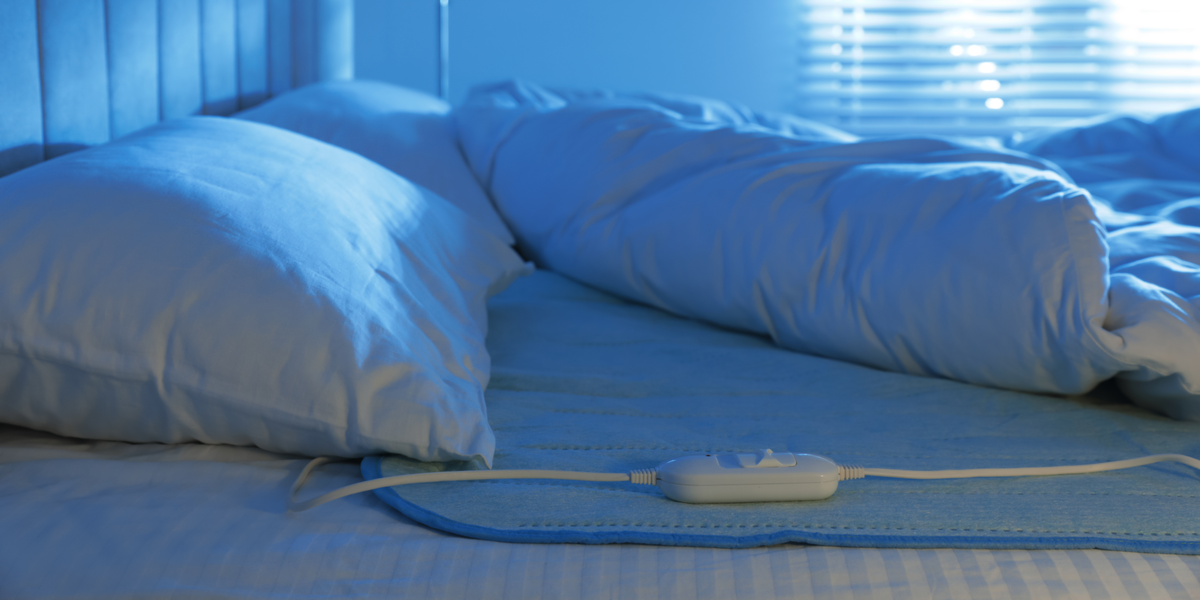
Heated blankets use thin insulated wires or carbon fiber elements woven into fabric. A low-voltage current warms these elements, and a control unit sets temperature and run time. Modern units include thermal cutoffs, overheat sensors, and automatic shutoff to reduce risk.
Manufacturers design to standards and test for electrical safety and flammability. Still, electronics and fabric can fail if the unit is damaged, modified, or badly cared for. Understanding how a blanket heats and where failures occur helps answer: Can a heated blanket catch fire? Yes — but usually after misuse, damage, or a manufacturing defect.

Can a heated blanket catch fire? Common causes and risk factors
A heated blanket can catch fire when heat concentrates, wiring breaks, or flammable materials meet a hot spot. Typical causes include:
- Damaged internal wiring that creates sparks or hot spots.
- Folding, bunching, or prolonged use at high settings that traps heat.
- Using a blanket not rated for your bed or lying on it continuously, especially under heavy pressure.
- Washing or drying the blanket incorrectly, damaging insulation.
- Unauthorized repairs, cuts, or exposing electrical components to liquids.
Other risk factors raise the odds that a heated blanket can catch fire. Older units without modern safety features, counterfeit or uncertified products, and improper power sources are higher risk. Pets that chew cords and people who fall asleep with unsafe settings also increase danger. Knowing these points helps you prevent problems before they start.

Real-world incidents, testing, and what the data shows
Reports and product tests show that heated blankets have caused house fires, but incidents are rare compared to the number of units sold. Most fires traced to electric bedding involve damaged cords, severe wiring faults, or prolonged misuse. Independent safety tests often find that certified models with automatic shutoff perform well and resist overheating.
From experience with consumer testing, failures often follow physical damage or misuse. I once inspected an older blanket where a seam had been stapled back together, crushing a wire. That creates a small hot spot that can char fabric and ignite a nearby flammable item. The lesson: even small physical changes can let a heated blanket catch fire.

How to use heated blankets safely — practical checklist
If you own a heated blanket, follow these simple rules to reduce fire risk and answer the worry Can a heated blanket catch fire? with confidence.
- Check labels to confirm certification and follow the manufacturer's instructions exactly.
- Inspect the blanket and cord before each season for frays, exposed wire, discoloration, or a burned smell.
- Avoid folding or bunching while the blanket is powered on; keep it flat to let heat disperse.
- Use the lowest comfortable setting and the auto-off timer when available.
- Do not use under infants, people who cannot operate controls, or pets that chew cords.
- Never tuck the blanket beneath mattresses or place heavy items on top that can trap heat.
- Wash and dry only per instructions to avoid damaging internal wiring.
- Replace blankets older than the manufacturer’s recommended life or at first sign of damage.
From personal use, setting a timer and using a certified thermostat gave me peace of mind. A small habit change like unplugging after use prevents most problems.
Maintenance, inspection, and when to replace your heated blanket
Regular checks extend life and lower fire risk. Follow this quick inspection routine each season:
- Look for frayed fabric, blistering, or melted areas.
- Run your hand over seams to feel for lumps or broken wires.
- Smell for unusual odors during the first few minutes of use that may indicate internal damage.
- Test the controller and auto-off functions to ensure they work.
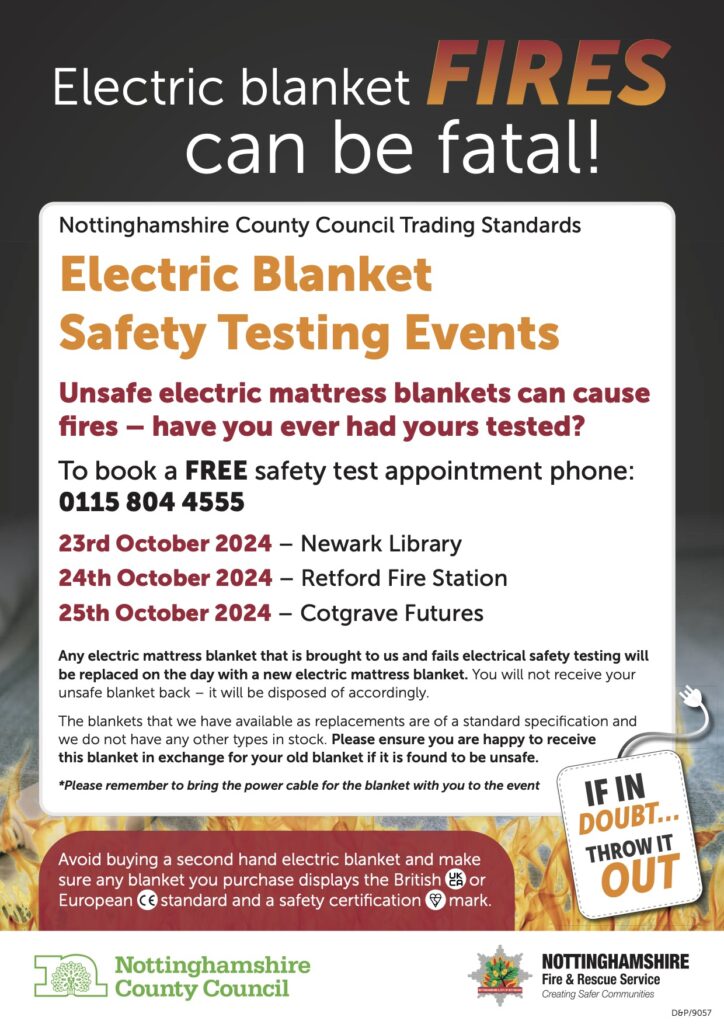
Replace the blanket immediately if you find exposed wires, scorch marks, or if the control unit malfunctions. Avoid DIY fixes like tape or staples; they can make the blanket unsafe. When washing, zip controllers into a small bag or remove them if removable. If the instructions say machine-wash, use the gentle cycle and low heat for drying.
Alternatives and safer options to consider
If you’re worried about Can a heated blanket catch fire? consider these lower-risk choices:
- Heated mattress pads with integrated safety features that spread heat more evenly.
- Electric throws with short auto-off timers for brief use.
- Chemical heat packs or hot water bottles as non-electrical warmth options.
- Smart plugs with timers and power monitoring to cut power automatically.
Each option has trade-offs in comfort and convenience. I switched to a heated mattress pad in the master bedroom because it distributes heat and stays under the fitted sheet, which felt safer for nightly use.

Frequently Asked Questions of Can a heated blanket catch fire?
Can old heated blankets catch fire more easily?
Older heated blankets can be riskier because insulation and wiring degrade over time. If an old blanket shows wear, replace it to lower the chance it can catch fire.
Is it safe to sleep with a heated blanket all night?
Sleeping all night on a heated blanket increases risk, especially on high settings or with older units. Use the auto-off feature or a timer to reduce continuous run time.
Are store-brand heated blankets as safe as name brands?
Safety depends on certification and build quality, not just brand name. Choose products with verified safety testing and readable instructions to reduce the chance they can catch fire.
Can washing a heated blanket cause it to become a fire hazard?
Improper washing or drying can damage internal wiring and insulation, making a blanket more likely to catch fire. Always follow the manufacturer’s washing and drying instructions.
What should I do if a heated blanket smells like burning?
Turn it off immediately, unplug it, and stop using it until inspected. Discard the blanket if you find scorch marks, exposed wires, or if the smell persists.
Conclusion
Heated blankets can catch fire, but with the right product choices, careful use, and routine inspections you can make them very safe. Focus on certified models, avoid folding or damaging the blanket, and use safety features like auto-off timers. Start a simple habit today: inspect before use and replace at the first sign of wear. If this article helped, leave a comment, share your experience, or subscribe for more practical home safety guides.

