

When your RV water heater fails, replacement options can feel overwhelming. Many RV owners wonder if newer models like the Apus RV Tankless Water Heater can fully take the place of trusted brands such as Atwood. Both heaters have their fans, but switching from Atwood to Apus isn’t just about swapping units—it’s about understanding differences in technology, installation, and everyday use. This article guides you through the comparison, helps you decide if Apus can be a true replacement, and explains what you need to know for a smooth transition.
Understanding Atwood And Apus Rv Water Heaters
Before comparing, let’s clarify the basics of both heaters.

36% off Today’s Exclusive Deals
Limited-time Exclusive Deals. Check current discount on Amazon.
Check Price on Amazon As an Amazon Associate I earn from qualifying purchases.Atwood Water Heaters
Atwood is a well-known brand in the RV world. Their traditional models are tank-based, which means they store heated water in a tank and deliver it on demand. Atwood units typically use either propane, electricity, or both (dual mode). They’re designed for reliability and simple operation.
Typical Atwood specs:
- Tank size: 6–10 gallons
- Heating method: Propane or electric
- Recovery rate: 8–10 gallons per hour
- Installation: Designed for standard RV water heater cutouts
Atwood’s design is straightforward: you heat water, it’s stored, and you use it until the tank empties.
Apus Rv Tankless Water Heater
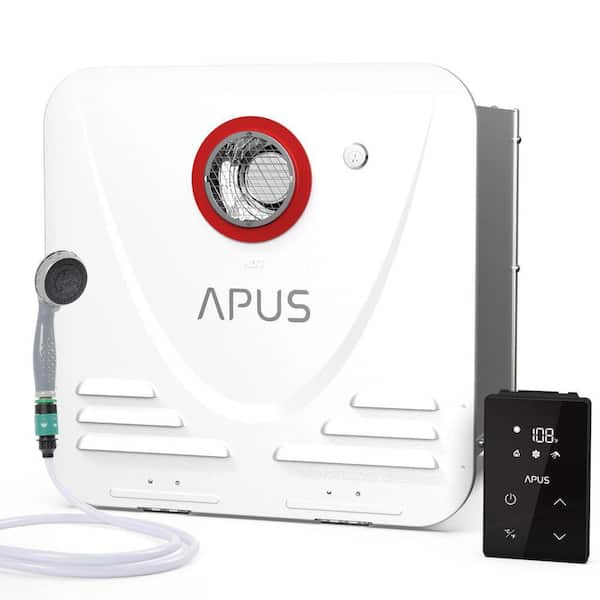
Apus is a newer brand focused on tankless water heating. Tankless means water is heated instantly as it passes through the unit, not stored. This technology is popular in homes, and now more RVs are adopting it.
Typical Apus specs:
- No tank: Water heats as needed
- Heating method: Propane (some models electric)
- Flow rate: 2–3 gallons per minute (GPM)
- Installation: Fits standard RV water heater openings, but may require adjustments
With Apus, there’s no waiting for water to reheat—hot water is continuous, as long as you have gas/electric supply and water flow.
Key Differences: Tank Vs Tankless
Switching from Atwood to Apus isn’t just replacing a brand—it’s changing how your water heater works. Here’s what makes them fundamentally different:
- Hot Water Supply: Atwood stores hot water; Apus heats water instantly.
- Continuous Hot Water: Apus can supply endless hot water (within flow limits); Atwood runs out when the tank empties.
- Energy Use: Apus only uses energy when water flows; Atwood keeps water hot even when not in use.
- Recovery Time: Atwood needs time to heat water after the tank empties; Apus doesn’t need recovery time.
- Size and Weight: Apus units are usually lighter because there’s no tank.
These differences affect everything from shower length to installation.
Comparing Features Side By Side
It’s easier to see the distinctions in a direct comparison. Below is a table showing standard features:
| Feature | Atwood Water Heater | Apus Tankless Water Heater |
|---|---|---|
| Type | Tank (6–10 gal) | Tankless |
| Hot Water Supply | Limited (tank capacity) | Unlimited (until resources run out) |
| Energy Use | Continuous (maintains heat) | On demand |
| Heating Speed | 8–10 gal/hr | Instant (2–3 GPM) |
| Fuel Source | Propane/Electric | Mostly Propane |
| Maintenance | Periodic tank flushing | Less frequent, no tank issues |
| Installation | Fits standard RV cutouts | Often fits, may require adjustments |
| Cost | $400–$700 | $450–$900 |
Installation Considerations
Switching from Atwood to Apus isn’t always plug-and-play. Here’s what you need to know about installation.
Size And Fit
Both heaters are designed for RVs, but the dimensions may differ. Atwood units usually fit standard 12″ x 16″ openings. Apus tankless models try to match these sizes, but sometimes the depth or mounting brackets are different. You may need to:
- Adjust the opening size
- Modify brackets or framing
- Seal gaps to prevent leaks
Plumbing And Connections
Atwood uses standard RV plumbing with inlet/outlet pipes. Apus tankless units often have similar connections, but may require new fittings or adapters. If your old Atwood had a bypass or mixing valve, check compatibility.
Electrical Requirements
Atwood dual-mode heaters use both propane and 120V electricity. Apus models are usually propane-only, but some need 12V power for controls. Make sure your RV’s electrical system matches the Apus requirements.
Venting
Tankless heaters usually need more ventilation. Apus models may have a different venting system, sometimes requiring a new vent cap or exhaust. Proper venting is crucial for safety and performance.
Example Installation Steps
- Remove Atwood heater: Disconnect power, water, and gas. Remove mounting screws.
- Check opening: Measure dimensions. Modify if needed.
- Install Apus heater: Position unit, connect water and gas lines, wire any electrical controls.
- Seal and finish: Use silicone or sealant around edges to prevent leaks.
- Test system: Run water, check for leaks, and verify hot water output.
Most users can handle the swap if they have basic plumbing and electrical skills. If not, professional installation is worth considering.
Performance And Efficiency
The real question is not just “Will it fit? ” but “Will it work better? ”
Hot Water Capacity
Atwood’s tank means you get 6–10 gallons of hot water, then must wait for reheating. Apus gives you continuous hot water, but only as fast as the unit can heat it—typically 2–3 gallons per minute.
Example: Two people showering back-to-back
- Atwood: First person gets full hot water, second may have to wait.
- Apus: Both can shower as long as water flow stays under the heater’s maximum.
Temperature Stability
Tankless heaters sometimes have temperature fluctuations if water flow changes quickly. For example, if someone flushes the toilet while you shower, the Apus may adjust the water temperature. Atwood units usually keep temperature steady because the tank acts as a buffer.
Energy And Fuel Usage
Tankless heaters are more efficient because they don’t keep water hot all day. If you only use hot water for showers and dishes, Apus saves propane/electricity. However, if you use hot water often, the difference is smaller.
Data: Tankless water heaters can save up to 20–30% in energy costs compared to tank-based models, according to the US Department of Energy.
Maintenance
Atwood tanks need regular flushing to prevent mineral buildup. Apus tankless units don’t have tanks, so they avoid this problem. However, Apus heaters need periodic cleaning of their heat exchanger and may require descaling in hard water areas.
Real-world Usage: Comfort And Convenience
You can compare specs, but daily experience matters most.
Shower Length And Comfort
With Atwood, you may run out of hot water during a long shower. Apus lets you shower as long as you want, unless the water flow is too high for the heater to keep up. If your family likes longer showers, Apus is a clear winner.
Simultaneous Use
Atwood’s tank can handle multiple uses at once, until the tank empties. Apus tankless heaters have a maximum flow rate—if you run a shower and wash dishes at the same time, the heater may struggle to heat all the water.
Tip: For best results with Apus, avoid using multiple fixtures at once.
Waiting Time
Atwood needs time to heat water after the tank is empty. Apus delivers hot water instantly, but it may take a few seconds for the heater to activate.
Noise
Tankless heaters like Apus sometimes produce more noise when firing up, due to burners and fans. Atwood heaters are quieter during operation but make a hissing sound when reheating.
Cost Analysis: Purchase And Operating Costs
Price is a big factor in replacement decisions.
Purchase Price
Atwood heaters cost $400–$700, depending on size and features. Apus tankless models range from $450–$900. The higher price for Apus reflects newer technology and more complex parts.
Installation Costs
If Apus fits your existing opening, installation is simple and low-cost. If not, modifying the RV can cost $150–$400 for parts and labor.
Operating Costs
Apus uses less energy when idle, saving up to 30% on propane/electricity over a year. However, frequent use and high water flow can reduce savings.
Example Comparison
Here’s a table comparing typical annual operating costs:
| Heater Type | Propane Use (gal/year) | Electric Use (kWh/year) | Estimated Annual Cost |
|---|---|---|---|
| Atwood (Tank) | 45 | 180 | $170 |
| Apus (Tankless) | 38 | 120 | $140 |
Note: Actual costs vary by usage and local fuel prices.
Durability And Reliability
Atwood’s Track Record
Atwood heaters are known for reliability, often lasting 8–12 years with proper maintenance. Parts are widely available, and repairs are straightforward.
Apus Durability
Apus units are newer, so long-term data is limited. Most users report good reliability after 2–3 years of use. Heat exchangers and electronic controls are the most likely failure points. Regular maintenance helps extend lifespan.
Warranty
Atwood typically offers 2-year warranties. Apus comes with 2–3 years, depending on the model. Always check warranty details before purchase.
Practical Tips For Switching
If you’re considering replacing your Atwood with an Apus tankless heater, keep these practical tips in mind:
- Measure your RV’s cutout before ordering the new heater.
- Check power and gas supply—make sure your RV can support Apus’s requirements.
- Plan for venting—tankless heaters often need upgraded vents.
- Budget for installation—sometimes extra materials or labor are needed.
- Test water flow—if your RV’s pump is weak, the Apus may not perform at its best.
- Read user reviews—learn from other RV owners’ experiences for your specific model.
- Keep old parts—if you ever switch back, having your old Atwood fittings can help.
Common Mistakes When Replacing
Many RV owners make mistakes when switching heaters. Here are two non-obvious pitfalls:
- Ignoring flow rate limits: Tankless heaters can’t heat water above their rated maximum. If you use two showers or run multiple taps, you may get lukewarm water.
- Not upgrading venting: Tankless units often need better exhaust systems. Failing to upgrade vents can cause overheating or dangerous fumes.
Another common mistake is assuming all tankless models fit every RV. Always check measurements and connection types before buying.

Is Apus Truly A Replacement For Atwood?
So, can the Apus RV tankless water heater replace an Atwood water heater? The answer depends on your needs:
- Yes, if you want unlimited hot water and better energy efficiency.
- Yes, if you’re comfortable with minor installation adjustments.
- Yes, if you’re okay with occasional temperature fluctuations under high demand.
- No, if you want rock-solid reliability with proven parts availability.
- No, if your RV setup can’t support Apus’s venting or power requirements.
Many RV owners successfully switch to Apus and never look back, enjoying longer showers and lower energy bills. Others prefer the simplicity and reliability of Atwood’s tank design.
For more technical details about tankless water heaters, check this authoritative Wikipedia article.
Frequently Asked Questions
Can I Install An Apus Tankless Heater Myself?
Most RV owners with basic plumbing and electrical skills can install Apus heaters. You need to remove your old Atwood unit, connect water and gas lines, and seal the new unit. If venting or electrical upgrades are needed, consider hiring a professional.
Will Apus Work With My Rv’s Water Pump?
Apus tankless heaters require a minimum water flow to activate. If your RV pump is weak or inconsistent, the heater may not turn on or may provide only lukewarm water. Check your pump’s specs—most Apus models need at least 0.
6 GPM flow.
How Long Does An Apus Tankless Heater Last?
Apus heaters can last 7–10 years with regular maintenance. Keep the heat exchanger clean and descale as needed, especially in areas with hard water. Electronic controls are less durable than mechanical parts, so handle with care.
Are Apus Heaters Safe For Winter Camping?
Tankless heaters like Apus are safe for winter use if installed correctly. However, they must be protected from freezing temperatures. Insulate water lines and keep the heater compartment warm. Some models have freeze protection, but always check before winter camping.
Is Hot Water Pressure Higher With Apus Than Atwood?
Hot water pressure depends on your RV’s plumbing and pump. Apus heaters do not increase pressure; in fact, tankless units sometimes reduce pressure slightly to maintain water temperature. If pressure is important, test the system after installation.
Switching from Atwood to Apus tankless water heater is a smart upgrade for many RV users, but it requires careful planning. Weigh your priorities: unlimited hot water, energy savings, and modern technology versus proven reliability and easy repairs. With the right preparation, Apus can deliver a strong replacement for Atwood—and may even improve your RV living experience.


