

Trout fishing is a fascinating adventure. It blends skill, patience, and a bit of luck. Many people dream of standing by a clear river, feeling the tug of a wild trout on the line. But catching trout is more than just casting a hook and waiting.
It requires understanding where trout live, what they eat, and how they behave. Whether you’re a beginner or have tried fishing before, learning how to catch trout can open a whole new world of outdoor fun.

36% off Today’s Exclusive Deals
Limited-time Exclusive Deals. Check current discount on Amazon.
Check Price on Amazon As an Amazon Associate I earn from qualifying purchases.This guide will help you master the basics, avoid common mistakes, and improve your chances of landing a beautiful trout. You’ll find practical tips, expert insights, and some details that even experienced anglers sometimes miss. By the end, you’ll know how to plan your trip, pick the right gear, and fish with confidence in streams, lakes, and rivers.
Understanding Trout: Species And Habits
Trout are part of the salmon family. They are found in rivers, lakes, and streams around the world. In North America, the most common types are rainbow trout, brown trout, and brook trout. Each species has its own habits and favorite environments.
Key Trout Species
| Species | Appearance | Typical Size | Habitat |
|---|---|---|---|
| Rainbow Trout | Silvery body, pink stripe | 12-20 inches | Rivers, streams, lakes |
| Brown Trout | Brown/gold, dark spots | 12-24 inches | Cool rivers, lakes |
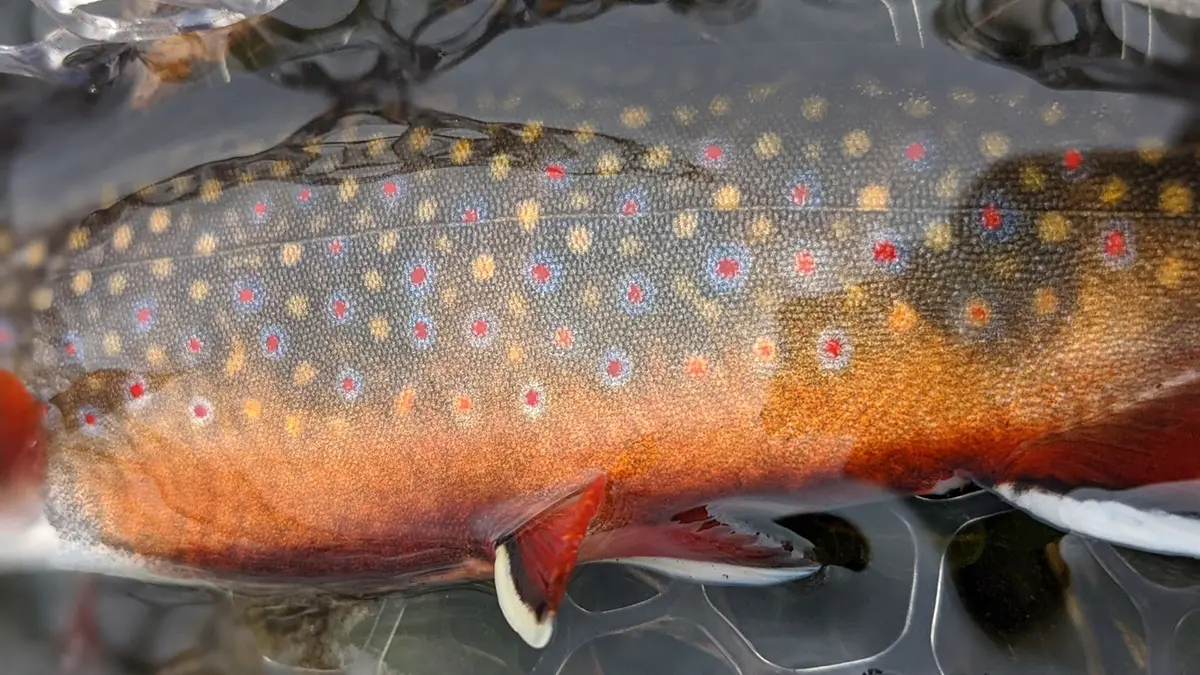
| Brook Trout | Dark green, red belly, light spots | 8-16 inches | Cold, clear streams |
Trout like clean, cold water with plenty of oxygen. They often stay near rocks, fallen trees, or deep pools where they feel safe. Rainbow trout are often stocked in lakes and ponds, making them a good choice for beginners. Brown trout are harder to catch because they are clever and easily scared. Brook trout are smaller but very beautiful, often found in remote mountain streams.
Feeding Habits
Trout are opportunistic eaters. Their main foods are insects, small fish, and sometimes crustaceans like crayfish. In spring and early summer, trout feed on insects that fall into the water. In late summer and fall, they often eat more fish and larger prey. Understanding what trout eat helps you choose the right bait or lure.
Essential Gear For Trout Fishing
The right gear can make your trip more enjoyable and successful. You don’t need expensive equipment to start, but some items are essential.
Rods And Reels
For most trout fishing, a spinning rod between 6 and 7 feet is a good choice. Match it with a spinning reel that fits the rod. For fly fishing, use a fly rod (usually 8-9 feet) and a matching fly reel. The rod should be light or medium-light for better control and feel.
Fishing Line
Use a 4-8 pound test line for spinning gear. Light line is less visible in water, so trout are less likely to get scared. For fly fishing, use a floating fly line with a matching leader and tippet.
Hooks, Lures, And Bait
You can catch trout with live bait, artificial lures, or flies. Here’s a comparison:
| Type | Best For | Examples | Pros | Cons |
|---|---|---|---|---|
| Live Bait | Beginners, still water | Worms, minnows | Natural, effective | May not be allowed everywhere |
| Lures | All trout, rivers and lakes | Spinners, spoons, jigs | Reusable, easy to cast | Less natural, can snag |
| Flies | Fly fishing, streams | Dry flies, nymphs, streamers | Imitates real insects | Requires skill, special gear |
Other Useful Items
- Polarized sunglasses (to see fish and protect your eyes)
- Landing net (helps land fish safely)
- Small tackle box (for organizing gear)
- Waders or waterproof boots (for fishing in cold streams)
- Fishing license (check local laws before you go)
Non-obvious tip: Bring a small hand towel. Wet your hands before touching trout. This protects their slime layer and helps them survive if you release them.
Where And When To Catch Trout
The place and time you fish make a big difference.
Choosing The Right Location
Trout live in cold, clean water. Look for:
- Rivers and Streams: Fast water with rocks and deep pools
- Lakes and Ponds: Near inlets, outlets, or underwater structures
- Mountain Streams: Best for brook trout and wild fish
Ask at local tackle shops or check state wildlife websites for stocked locations and fishing reports.
Best Time Of Year
Spring and fall are best for most trout fishing. Water is cooler, and trout are more active. In summer, fish early in the morning or late in the evening when water is cooler.
Time Of Day
Trout feed most:
- Early morning (sunrise to 2 hours after)
- Late afternoon to dusk
Cloudy days can also be excellent because trout feel safer and move around more.
Extra insight: After a rain, trout often feed more because insects get washed into the water. Fish near the edges where streams enter lakes or rivers.
Techniques For Catching Trout
Different techniques work in different places. Here are the most popular ways to catch trout.
Spin Fishing
This is the easiest method for beginners. You use a spinning rod, reel, and artificial lures or bait.
Steps For Spin Fishing
- Cast upstream and let the lure or bait drift naturally down with the current.
- Retrieve slowly or add small movements to make the lure look alive.
- Watch your line carefully for any sudden movement or stops.
Common mistake: Reeling too fast. Trout prefer bait that moves slowly and naturally.
Fly Fishing
Fly fishing uses special rods and “flies” that look like real insects. It’s a classic way to catch trout, especially in streams.
Steps For Fly Fishing
- Choose a fly that matches the insects you see near the water.
- Cast gently so the fly lands softly on the water.
- Watch for a splash or movement—then lift the rod to set the hook.
Pro tip: Start with “nymph” flies under the water if you don’t see trout rising to the surface.
Bait Fishing
Using live bait (worms, minnows, or salmon eggs) is very effective, especially in lakes and ponds.
Steps For Bait Fishing
- Attach a small hook and a tiny weight.
- Cast near cover (rocks, logs, deep spots).
- Let the bait sit and watch for bites.
Important: Use small hooks and light line for better success.
Trolling
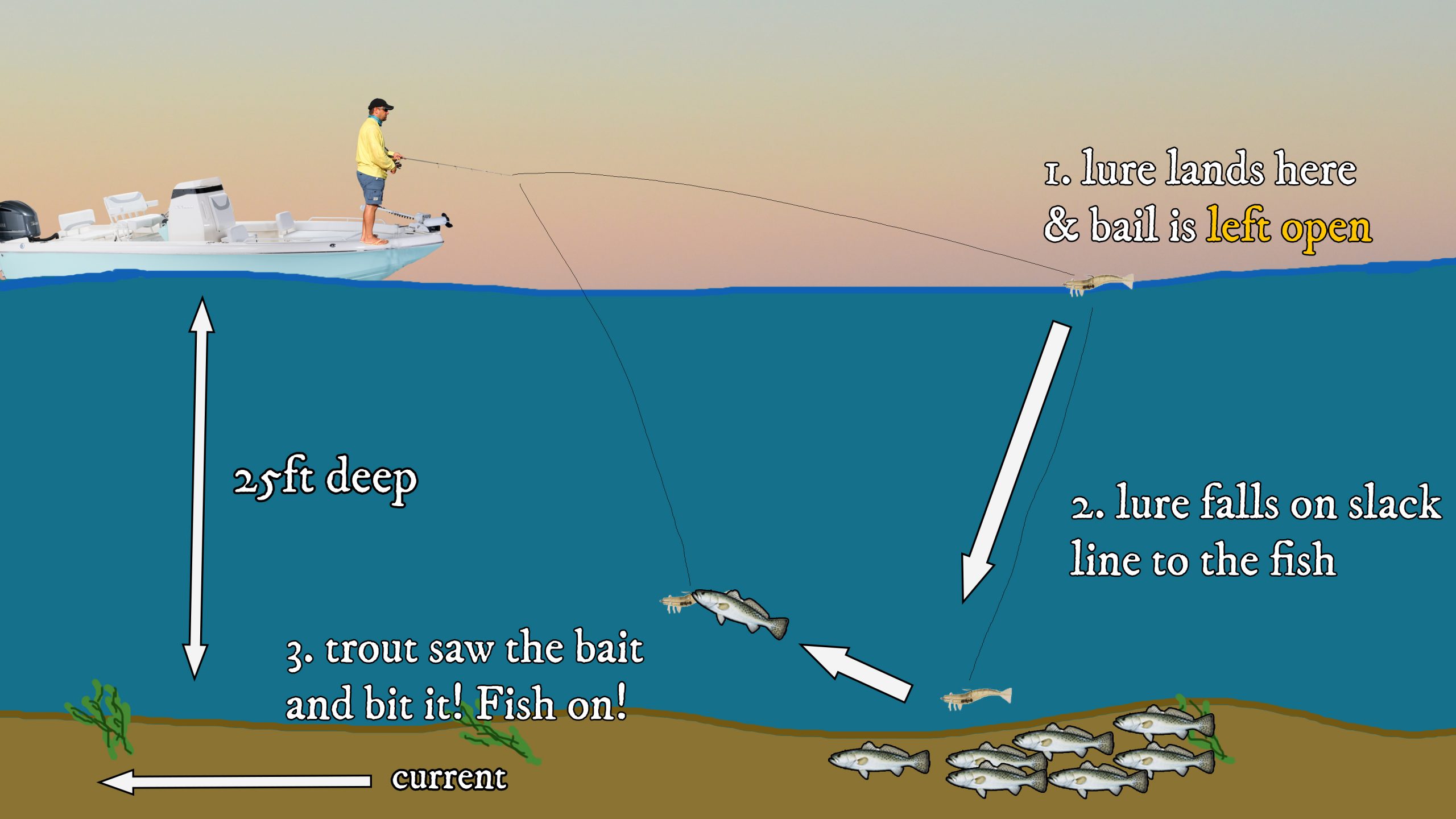
Trolling is popular on large lakes. You slowly move your boat, pulling lures behind.
- Use a rod holder and let out enough line so the lure runs deep.
- Vary your speed and direction to trigger strikes.
Uncommon advice: Change the color of your lure if you don’t get bites after 15-20 minutes.

Reading The Water: Where Trout Hide
Even in a good river or lake, most trout stay in certain spots. Learning to “read the water” helps you find them.
Rivers And Streams
- Pools: Deeper water below rocks or bends.
- Riffles: Shallow, fast water where insects gather.
- Undercut banks: Edges where water erodes the soil, making hiding spots.
- Behind rocks: Trout rest in calm water behind big stones.
Lakes And Ponds
- Drop-offs: Edges where shallow water suddenly gets deep.
- Weed beds: Trout hunt for insects and small fish here.
- Inlets and outlets: Where water flows in or out, food is washed in.
Advanced tip: On sunny days, trout often move into the shade. Cast near overhanging trees or shaded banks.
Picking The Best Bait And Lures
Choosing the right bait or lure is part science, part art. Here’s how to decide.
Live Bait
- Nightcrawlers: Effective everywhere, especially after rain.
- Minnows: Good for bigger trout.
- Salmon eggs: Best in spring or near spawning streams.
Artificial Lures
- Spinners: Flashy and attract attention. Try silver or gold colors.
- Spoons: Wobble in the water. Good for deeper pools.
- Soft plastic baits: Mimic worms or insects.
Flies
- Dry flies: Float on the surface. Use when you see trout rising.
- Nymphs: Sink below the surface. Good all season.
- Streamers: Look like small fish. Use for big trout.
| Bait/Lure Type | When to Use | Best Conditions |
|---|---|---|
| Nightcrawlers | Spring, cloudy days | Streams, after rain |
| Spinners | All year | Clear water, active trout |
| Dry flies | Summer | When insects are hatching |
Beginner insight: If you’re not sure, ask at a local tackle shop or observe what insects are near the water. Match your fly or lure to what you see.
Catch And Release: Handling Trout Safely
Many places encourage or require you to release trout. Handling fish correctly helps keep them alive and healthy.
Steps For Safe Catch And Release
- Use barbless hooks or pinch down barbs with pliers.
- Wet your hands before touching the fish.
- Keep the fish in the water as much as possible.
- Remove the hook gently using forceps or needle-nose pliers.
- Hold the trout upright in the water until it swims away.
Mistake to avoid: Never squeeze the fish or touch its gills. This can injure or kill the trout.
Advanced Tips For Catching More Trout
Once you know the basics, these tips can help you catch more—and bigger—trout.
1. Use Light Tackle
Lighter rods, reels, and lines make your presentation more natural. Trout can see and feel heavy gear, especially in clear water.
2. Change Tactics If You’re Not Getting Bites
If you don’t get a strike after 20-30 minutes, change your bait, lure color, or fishing spot. Sometimes a small change makes a big difference.
3. Pay Attention To Water Temperature
Trout stop feeding when water is too warm (above 68°F/20°C). In hot weather, look for cold springs or fish early in the morning.
4. Fish The “edges” First
Before wading into the water, fish near the shore or edges. Trout often hide here, especially in the early hours.
5. Watch For Hatches
Insect hatches can bring trout to the surface. Match your fly or lure to what’s hatching for better success.
6. Stay Hidden
Wear natural colors and move slowly. Trout are sensitive to movement and noise.
7. Use The Current
Let your bait or fly drift naturally with the flow. This looks more realistic to trout.
8. Learn Local Rules
Some places have special rules for hooks, bait, or seasons. Always check regulations to avoid fines.
Little-known insight: In some rivers, trout will bite better right before a storm or sudden weather change. Watch the sky!
What To Do After You Catch A Trout
If you plan to keep your trout, treat it with care for the best taste and safety.
Keeping Trout For Eating
- Kill quickly and humanely (a quick blow to the head is best).
- Keep cold in a cooler or on ice.
- Clean as soon as possible by removing the guts and rinsing the fish.
Fresh trout tastes best the same day. If you want to cook it later, keep it chilled.
Cleaning And Cooking
- Make a cut from the vent to the head.
- Remove guts and rinse with clean water.
- Remove gills if possible (they spoil quickly).
Trout can be cooked whole (grilled or baked) or filleted. Season simply with salt, pepper, and lemon for the best flavor.
Extra tip: Don’t forget to check local limits and size rules before keeping fish.
Common Mistakes And How To Avoid Them
Even experienced anglers can make errors. Here are some common problems and how to fix them.
- Fishing too fast: Slow down your retrieve and let your bait drift naturally.
- Using heavy line: Switch to lighter line for more bites.
- Fishing at the wrong time: Focus on early morning or late evening.
- Not changing tactics: Try new lures, spots, or techniques if nothing is working.
- Ignoring local advice: Talk to other anglers or shop owners for current tips.
- Handling fish poorly: Always wet hands and keep fish in the water for catch and release.
Hidden beginner error: Not checking your knot strength. Weak knots cause lost fish. Learn the improved clinch knot or Palomar knot for security.
Popular Trout Destinations In The Us
If you want to fish for trout in some of the best places, consider these famous spots:
- Montana’s Madison River: Wild rainbow and brown trout.
- Colorado’s Gunnison River: Beautiful scenery, excellent fishing.
- California’s Eastern Sierra: Lakes and streams full of rainbow trout.
- New York’s Catskills: Historic fly-fishing waters.
- Tennessee’s Great Smoky Mountains: Wild brook trout in cold streams.
Research local seasons and get permits before planning your trip.
For more details about trout species and fishing locations, visit the Trout Wikipedia page.
Frequently Asked Questions
What Is The Best Bait For Trout?
The best bait depends on where and when you fish. Nightcrawlers and worms work well everywhere. In lakes, try powerbait or minnows. In streams, salmon eggs and small spinners are reliable. Fly fishers should use nymphs or dry flies that match local insects.
What Size Hook Should I Use For Trout?
For most trout, use size 8 to 14 hooks. Smaller hooks (size 12-14) are best for small trout or fly fishing. If using live bait or lures, a size 8 or 10 hook works for average-sized trout.
How Do I Know If There Are Trout In The Water?
Look for clear, cold water with rocks, deep pools, or overhanging trees. Talk to local anglers or check fishing reports. Sometimes you’ll see trout rising to eat insects, or spot them in shallow water with polarized sunglasses.
Can I Catch Trout Without A Boat?
Yes, you can catch trout from the shore, banks, or wading in streams. Most trout fishing in rivers and small lakes is done without a boat. Just look for good spots near cover and avoid making noise.
Do I Need A Special License To Fish For Trout?
In most places, you need a fishing license. Some states also require a trout stamp or special permit. Always check local regulations before you fish.
Trout fishing is a journey, not just a hobby. With the right knowledge, gear, and a little patience, you’ll soon be enjoying the thrill of catching these beautiful fish. Remember, every river and lake is different, and every trout has its own secrets.
Stay curious, respect the water, and happy fishing!

