

Fujitsu Mini Split Troubleshooting Codes identify faults quickly so you can diagnose, fix, or call a pro.
I have worked with Fujitsu mini splits for years and written service guides for HVAC teams. This article explains Fujitsu Mini Split Troubleshooting Codes in plain language. You will learn how codes are generated, how to read them on different models, which codes are most common, step‑by‑step checks you can perform safely, and when to call a technician. Read on for clear, tested guidance you can use today.

36% off Today’s Exclusive Deals
Limited-time Exclusive Deals. Check current discount on Amazon.
Check Price on Amazon As an Amazon Associate I earn from qualifying purchases.

How Fujitsu Mini Split Troubleshooting Codes Work
Fujitsu Mini Split Troubleshooting Codes are short messages or LED flashes that show when a sensor, circuit, or function has a problem. Codes may appear on the remote display, indoor unit LED panel, or outdoor unit blinking pattern. Each model family (wall‑mount, floor‑ceiling, cassette) may show codes differently, but the idea is the same: save time by pointing to the likely fault.
Codes usually fall into these groups:
- Sensor errors for temperature or pressure sensors.
- Communication errors between indoor and outdoor units.
- Protection trips like compressor lock or high discharge temperature.
- Fan, motor, or drain errors.
Understanding this system helps you decide if a simple reset works or if a trained technician should intervene. Always verify the exact code meaning for your model in the service manual before attempting repairs.

Reading and Interpreting Error Codes
Knowing where to look is half the job. Different Fujitsu models show codes via a few common methods:
- Remote control display shows a letter and number code or an error icon.
- Indoor unit LEDs flash in a pattern, usually with a count or steady light indicating a code.
- Outdoor unit may flash a dedicated LED to match indoor codes.
Steps to read a code:
- Turn the unit off and on and note any code that appears.
- Check the indoor display, remote, and outdoor unit LED lights.
- Record the exact code, time, and operating mode when it happened.
Safety note: Always turn power off at the breaker before opening panels. Many codes point to electrical or refrigerant issues that require a licensed technician.
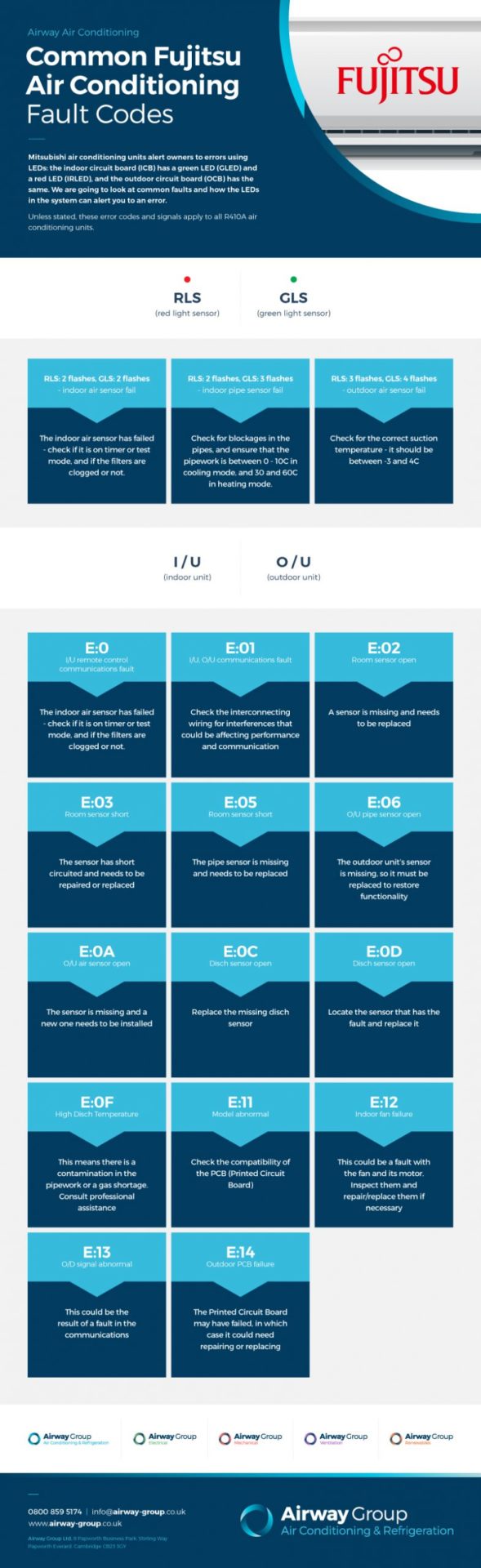
Common Fujitsu Mini Split Troubleshooting Codes and What They Mean
Below are common code categories seen across Fujitsu models. Exact code labels vary by model, so use these as reliable guides rather than absolute definitions.
Sensor and temperature errors
- Typical sign: code referring to "sensor" or a temperature value out of range.
- Likely cause: broken sensor wire, failed sensor, or connector corrosion.
- Simple checks: inspect wiring at indoor PC board, gently wiggle connectors, check for visible damage.
Communication errors between units
- Typical sign: codes that say "COMM" or units lose sync.
- Likely cause: damaged communication cable, loose connectors, or PCB fault.
- Simple checks: confirm low‑voltage terminals are tight and cable insulation is intact.
Compressor protection and inverter lock
- Typical sign: protection codes or unit refusing to start.
- Likely cause: overcurrent, high discharge temperature, or internal overload.
- Simple checks: ensure outdoor fan runs, clear debris from coil. If compressor is hot or has a burn smell, stop and call a tech.
Refrigerant pressure and leak indications
– Typical sign: low‑pressure or high‑pressure codes.
- Likely cause: refrigerant leak, stuck expansion valve, or sensor problem.
- Simple checks: look for oil stains on connections or frost on piping. Do not add refrigerant without proper gauges and license.
Drain and condensate errors
- Typical sign: drain pump fault or water detection codes.
- Likely cause: clogged drain line, pump failure, or float switch triggered.
- Simple checks: clear drain line, inspect pump, and manually drain pan if safe.
Fan and motor faults
- Typical sign: fan motor error or abnormal RPM code.
- Likely cause: failed motor capacitor, obstructed fan blade, or wiring issue.
- Simple checks: power off, check for foreign objects, spin fan by hand to feel bearings.
Control board and EEPROM faults
- Typical sign: repeated cryptic codes or failures after resets.
- Likely cause: control board fault, corrupted settings, or sensor mismatch.
- Simple checks: note the pattern. If persistent after reset, a board or professional firmware check may be needed.
This list maps common issues to likely causes. For exact code-to-fault mapping, consult your model’s service manual. When in doubt, record the code and call a certified technician.

Step-by-Step Troubleshooting Flow
Follow this safe and methodical flow when you see Fujitsu Mini Split Troubleshooting Codes. These steps save time and reduce risk.
- Note the code, operating mode, and time of day.
- Power cycle the unit: turn off at the remote, then at the breaker for 1 minute, then restore power. Check if the code returns.
- Inspect basic items: filters, remote batteries, thermostat settings, and room air registers.
- Check outdoor unit: is the fan running, is the coil dirty, is there ice buildup?
- Check drain: clear the drain, test drain pump by adding water to the pan.
- Inspect wiring: look for loose connectors at the indoor PCB and outdoor terminal block. Do not probe live terminals.
- If code indicates sensor or communication fault and steps above fail, call a licensed HVAC tech. Provide the recorded code and operating conditions.
This process separates quick fixes from issues needing tools and licenses.

When to Reset and When to Call a Technician
Knowing limits protects equipment and people. Resetting helps with transient faults. Call a technician for electrical, refrigerant, and compressor issues.
Reset when:
- Code appears immediately after a storm or power blip.
- You have completed basic checks (filters, drain, outdoor fan).
- The unit restarts and runs normally after power cycle.
Call a technician when:
- Codes return after reset.
- There are burning smells, oil stains, or loud mechanical noises.
- Refrigerant or compressor issues are suspected.
- You need tools such as multimeter, manifold gauges, or vacuum pump.
If safety is in doubt, stop and call a pro. A small repair attempt can make some faults dangerous or more costly.
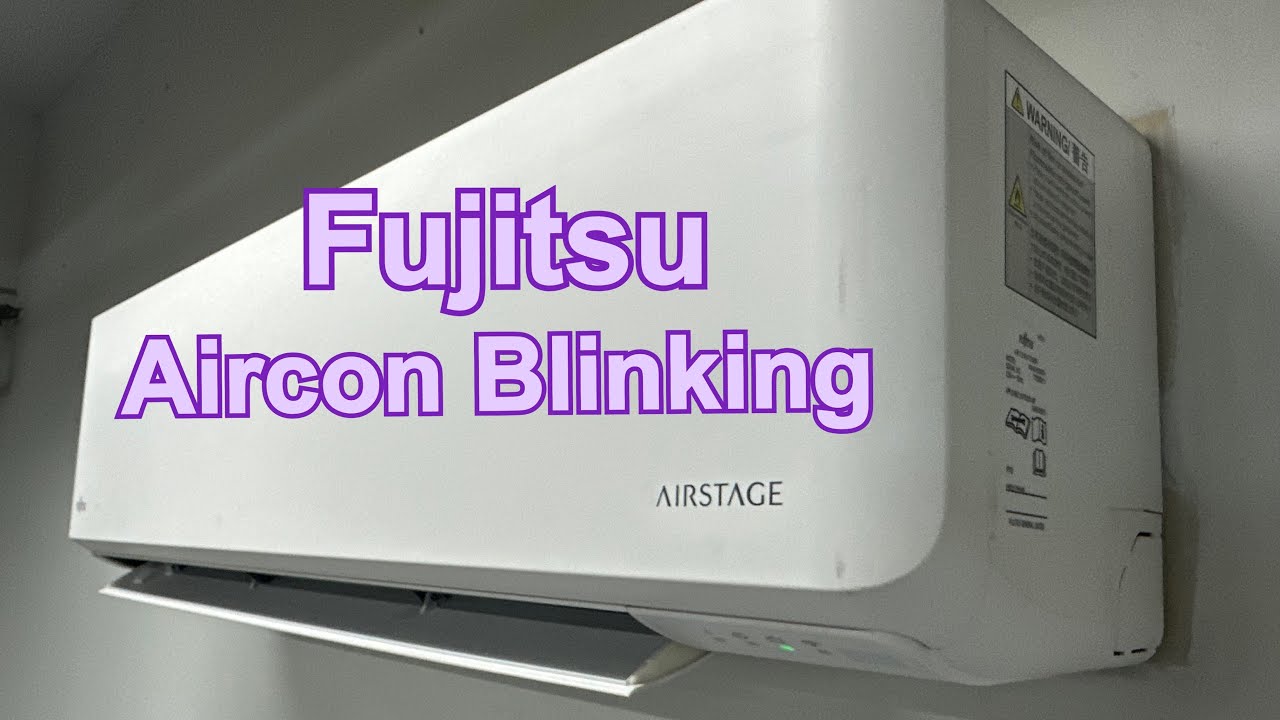
Preventive Maintenance to Avoid Error Codes
A few simple habits cut the chance of seeing Fujitsu Mini Split Troubleshooting Codes. Regular care keeps sensors and electronics stable.
Maintenance tips:
- Clean filters every 1–3 months depending on use.
- Keep outdoor coil clear of leaves and debris. Gently wash if dirty.
- Keep drain lines clear and insulate condensate pans if needed.
- Schedule professional checkups once a year for refrigerant checks and electrical tests.
- Use a surge protector on systems in areas with unreliable power.
Preventive maintenance reduces mysterious faults and extends unit life.

Personal Experience and Lessons Learned
I once diagnosed a Fujitsu mini split that cycled off with a communication code. The fix was a loose terminal inside the outdoor unit. A careful inspection and tightening solved it in 15 minutes and saved a service call. Lesson: always start simple.
Another time, a unit showed a low‑pressure code that returned after a reset. It took a pro to find a hairline refrigerant leak at a flare fitting. Lesson: if code persists after checks, the problem likely needs specialist tools.
These experiences taught me to document codes, note the environment, and try basic fixes before calling in help.

People Also Ask
How do I read Fujitsu Mini Split troubleshooting codes on my remote?
Most remotes show an error code or icon when the system detects a fault. Note the code and check the indoor unit LED pattern and your model manual for exact meaning.
Can I clear a Fujitsu code myself?
You can try a safe reset by switching power off at the breaker for a minute. If the code returns or the unit shows safety signs, stop and contact a technician.
Frequently Asked Questions of Fujitsu Mini Split Troubleshooting Codes
How accurate are Fujitsu error codes?
Fujitsu error codes are generally accurate for indicating the subsystem affected. Exact causes still need verification because codes may point to sensor symptoms rather than root causes.
What if the code disappears and then comes back?
Intermittent codes often indicate loose wiring, marginal sensors, or failing components. Record when it happens and call a technician if it repeats.
Will a power surge cause error codes?
Yes. Power surges can corrupt control boards or trigger transient faults. Use surge protection and service the unit if codes persist after a reset.
Are refrigerant issues shown by codes?
Yes, low or high pressure conditions typically generate codes. But some pressure issues show as performance drops before codes appear.
Can I operate the unit with an error code?
Running with certain codes risks damage. Minor codes like a blocked filter warning may allow operation. Compressor, refrigerant, or electrical protection codes require stopping the unit and calling a pro.
Conclusion
Fujitsu Mini Split Troubleshooting Codes give a clear starting point for diagnosing problems. Use them to guide safe checks: power cycle, inspect filters and drains, verify outdoor fan operation, and tighten visible connections. When codes persist or suggest electrical or refrigerant faults, call a licensed technician with the code and your observations. Start with small, safe steps, keep a maintenance routine, and document issues to speed repairs. If this guide helped, try the basic checks today, subscribe for more HVAC tips, or share your code and experience in the comments.

