

Starting a blog is one of the best ways to share your ideas, build a personal brand, or even earn money online. It might seem confusing at first, but anyone can start a blog with a little guidance. Today, more than 600 million blogs exist worldwide, and millions of people visit blogs every day to learn, connect, and get inspired. If you want to join them, this guide will walk you through each step, from choosing your topic to publishing your first post and beyond.
Why Start A Blog?
A blog is more than just a website. It can be your voice online, your portfolio, or a platform for your business. Here are some reasons people start blogs:

36% off Today’s Exclusive Deals
Limited-time Exclusive Deals. Check current discount on Amazon.
Check Price on Amazon As an Amazon Associate I earn from qualifying purchases.- To share knowledge or opinions
- To connect with others who have similar interests
- To improve writing skills
- To create an online income stream
- To promote products or services
Blogs are flexible. You can write about travel, food, technology, personal stories, or anything you love. The key is to find your passion and create useful content for readers.
Choosing Your Blog Topic
Picking the right topic is important. Your topic decides who will read your blog and how successful it can be. If you choose a subject you enjoy, you will stay motivated.
Finding Your Niche
A niche is a specific area or subject you focus on. For example, instead of writing about “food,” you could write about “healthy recipes for busy parents.” Narrowing your focus helps you stand out.
Ask yourself:
- What do you know a lot about?
- What problems can you solve for readers?
- Is there enough interest in this topic?
You can use tools like Google Trends to see how popular your topic is. Try searching your idea and see how many people are looking for it.
Checking Competition
Some topics are crowded. If there are too many blogs about your subject, it may be hard to get noticed. Look for gaps or areas where you can offer something unique.
| Topic | Monthly Searches | Competition Level |
|---|---|---|
| Travel | 400,000 | High |
| Plant-Based Recipes | 30,000 | Medium |
| Minimalist Lifestyle | 10,000 | Low |
If you pick a topic with medium or low competition, you have a better chance of growing your blog.
Picking A Blogging Platform
You need a platform to publish your blog. This is the software or service that lets you create and manage your site. The most common platforms are:
- WordPress.org (self-hosted)
- WordPress.com (hosted)
- Blogger
- Wix
- Squarespace
Each platform has pros and cons. Most successful bloggers use WordPress.org because it offers more freedom and features.
Comparing Blogging Platforms
Here’s a quick look at some popular options:
| Platform | Cost | Customization | Ease of Use |
|---|---|---|---|
| WordPress.org | Hosting from $3/month | High | Medium |
| Blogger | Free | Low | Easy |
| Wix | $14/month | Medium | Easy |
WordPress.org is best if you want to grow your blog and earn money. It requires buying hosting and a domain name, but you have full control.
Choosing A Domain Name
Your domain name is your web address, like www.yourblog.com. Picking a good domain name is important because it’s the first thing people see.
Tips for choosing:
- Make it short and easy to remember.
- Avoid numbers and hyphens.
- Use words related to your topic.
- Check if the .com version is available.
You can register your domain with companies like GoDaddy, Namecheap, or your hosting provider. Domains usually cost $10–$20 per year.
Setting Up Hosting
If you use WordPress.org, you need web hosting. Hosting is where your website files are stored. Without hosting, your blog won’t be online.
Popular hosting companies include Bluehost, SiteGround, and HostGator. Most offer easy WordPress installation.
Hosting prices start at $3–$5 per month for basic plans. Look for a provider with:
- Good uptime (99.9%)
- Fast customer support
- Easy setup
Some hosting companies give a free domain for the first year.
Installing WordPress
Once you have hosting and a domain, you can install WordPress. Most hosts offer a “one-click” install. After installation, you can log in to your blog and start customizing.
WordPress has thousands of free and paid themes (design templates) and plugins (extra tools). Spend time picking a theme that fits your style and topic.
Designing Your Blog
Design makes your blog attractive and easy to use. A good design keeps readers on your site longer.
Choosing A Theme
- Look for a clean, simple theme
- Make sure it works on mobile devices (responsive)
- Check reviews and ratings
- Test speed (some themes are slow)
You can preview themes in the WordPress dashboard. Popular free themes include Astra, OceanWP, and Hestia.
Customizing Your Layout
After choosing a theme, you can:
- Change colors and fonts
- Add your logo
- Organize menus and pages
Add important pages like:
- About (who you are)
- Contact (how to reach you)
- Privacy Policy (required for many countries)
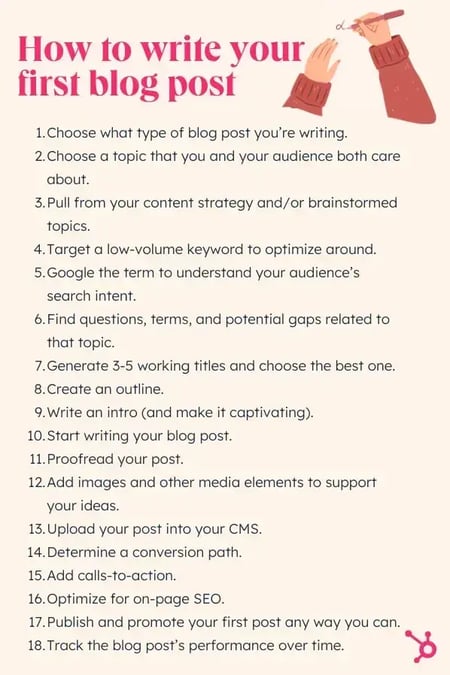
Writing Your First Blog Post
Your first post sets the tone for your blog. Start with an introduction or a helpful article related to your topic.
How To Write A Good Blog Post
- Pick a clear topic
- Write a catchy headline
- Use short paragraphs
- Add images or videos
- End with a call to action (ask readers to comment or share)
A blog post is usually 700–1500 words. Longer posts do well in search engines if they’re useful.
Example Of A Blog Post Structure
- Headline: “5 Easy Ways to Save Money Every Month”
- Introduction: Why saving money is important
- Main points: List 5 ways, with explanations
- Conclusion: Encourage readers to try the tips
Publishing And Promoting Your Blog
Publishing is just the beginning. You need readers, so promote your blog.
Sharing On Social Media
Post your articles on Facebook, Instagram, Twitter, and Pinterest. Each platform has a different audience.
Using Email Marketing
Build an email list with tools like Mailchimp or ConvertKit. Offer a free resource (like a checklist) to get subscribers. Send updates when you publish new posts.
Engaging With Other Bloggers
Leave comments on other blogs in your niche. Join forums and groups. Collaboration and networking help you grow faster.
Search Engine Optimization (seo)
SEO helps your blog appear in Google searches. More visibility means more readers.
Basic Seo Tips
- Use keywords in your headlines and content
- Add meta descriptions
- Use alt text for images
- Link to other useful articles
WordPress plugins like Yoast SEO or Rank Math make SEO easier. Good SEO brings free, long-term traffic.
Seo Data Example
Research shows that blogs with strong SEO get:
- 53% of all website traffic from search engines
- 5x more visitors than blogs without SEO
Monetizing Your Blog
Many people earn money from blogging. You can monetize once you have readers and quality content.
Common Ways To Earn
- Ads: Join ad networks like Google AdSense
- Affiliate marketing: Recommend products and earn commissions
- Sponsored posts: Get paid to write about products
- Selling products or services: Offer courses, ebooks, or coaching
Most blogs start earning after 6–12 months. Patience and consistency are key.
| Monetization Method | Potential Earnings (Monthly) | Effort Required |
|---|---|---|
| Ads | $10–$500 | Low |
| Affiliate Marketing | $50–$2,000 | Medium |
| Selling Products | $100–$5,000+ | High |
Growing Your Audience
A blog needs regular readers to succeed. You can grow your audience by:
- Posting regularly (at least once a week)
- Replying to comments
- Asking readers what they want to learn
- Guest posting on other sites
The most successful bloggers focus on helping readers and building trust.
Tracking Performance And Improving
Use tools like Google Analytics to see how many people visit your blog, which posts are popular, and where visitors come from. This helps you improve your content.
Key Metrics To Watch
- Pageviews: How many times your site is viewed
- Bounce rate: Percentage of visitors who leave quickly
- Average time on site: How long people stay
If you notice some posts do well, write more about those topics.
Common Mistakes Beginners Make
Even experienced bloggers make mistakes. Avoid these:
- Picking too broad a topic
- Ignoring SEO
- Not posting regularly
- Forgetting to promote posts
- Using poor design
Many new bloggers also forget about legal pages, like privacy policy. Always check your country’s rules.
Essential Tools And Plugins
Plugins add extra features to your blog. Here are some must-haves for WordPress:
- Yoast SEO: For search engine optimization
- Akismet: To block spam comments
- Jetpack: For security and stats
- WPForms: For contact forms
- MonsterInsights: For Google Analytics
You don’t need many plugins—just the basics. Too many can slow down your site.
How Much Does Blogging Cost?
Blogging can be cheap or expensive, depending on your choices. Here’s a simple breakdown:
| Item | Cost (Yearly) |
|---|---|
| Domain Name | $10–$20 |
| Hosting | $36–$120 |
| Theme (optional) | $0–$60 |
| Plugins (optional) | $0–$100 |
Most beginners spend $50–$200 in their first year. You can start free, but investing a little helps your blog grow faster.

Practical Tips For Long-term Success
Blogging is a marathon, not a sprint. Here are some practical tips:
- Set a schedule and stick to it
- Focus on quality, not just quantity
- Learn basic SEO and marketing
- Connect with your readers
- Be patient; growth takes time
Two insights many beginners miss:
- It’s better to write fewer, high-quality posts than many short ones.
- Updating old posts can boost traffic. Don’t forget to refresh your content.
Inspiration: Successful Blogs
Looking at successful blogs can help you understand what works. For example, Pinch of Yum started as a food blog and now earns over $100,000 per month. Smart Passive Income is another famous blog that teaches people how to make money online.
These blogs have:
- Clear niche focus
- Strong branding
- Regular posting schedule
- Engaged audience
You don’t need to be famous to succeed. Consistency and value are most important.
Frequently Asked Questions
How Long Does It Take To Start A Blog?
You can set up a basic blog in 1–2 hours if you use a simple platform like WordPress or Blogger. If you want a custom design, it might take a few days. The real work starts after setup—writing and promoting your posts.
Do I Need To Know Coding To Start A Blog?
No. Most platforms like WordPress, Wix, and Squarespace require no coding. Everything can be done with simple clicks and drag-and-drop tools. If you want to customize your site deeply, basic HTML or CSS can help, but it’s not required.
How Do I Get People To Read My Blog?
Promote your posts on social media, build an email list, and focus on SEO. Write helpful, interesting content. Engage with other bloggers and comment on related blogs. Consistent promotion and networking are key.
Can I Make Money From Blogging?
Yes. Many bloggers earn income through ads, affiliate links, sponsored posts, or selling products. However, it usually takes time—most blogs start earning after six months to a year. Focus on building an audience first.
What Are The Biggest Challenges For New Bloggers?
Common challenges include finding a unique topic, getting traffic, staying motivated, and learning marketing. Many also struggle with technical issues and SEO. Joining online communities and reading guides can help. You can visit WordPress.org for in-depth tutorials and support.
Starting a blog is a rewarding journey. With the right topic, platform, and strategy, you can build something valuable. Remember, patience and persistence are your best tools. Stay focused, keep learning, and enjoy sharing your story with the world.

