

Creating viral content is not just luck. It’s a mix of smart planning, understanding what people like, and using the right tools. Today, anyone can reach millions with a single post—if they know how to create something that spreads fast.
You might want to boost your business, grow your brand, or just get attention for your ideas. But before you start, you need to know the secrets behind content that explodes online.

36% off Today’s Exclusive Deals
Limited-time Exclusive Deals. Check current discount on Amazon.
Check Price on Amazon As an Amazon Associate I earn from qualifying purchases.Viral content is everywhere: trending videos, funny memes, inspiring stories, or shocking news. It makes people share, comment, and talk. But why does some content go viral, while most posts stay unnoticed? If you learn the patterns, you can create content that people can’t resist sharing. This guide will show you practical steps, real examples, and strategies that actually work—without confusing jargon or empty promises.
What Makes Content Go Viral?
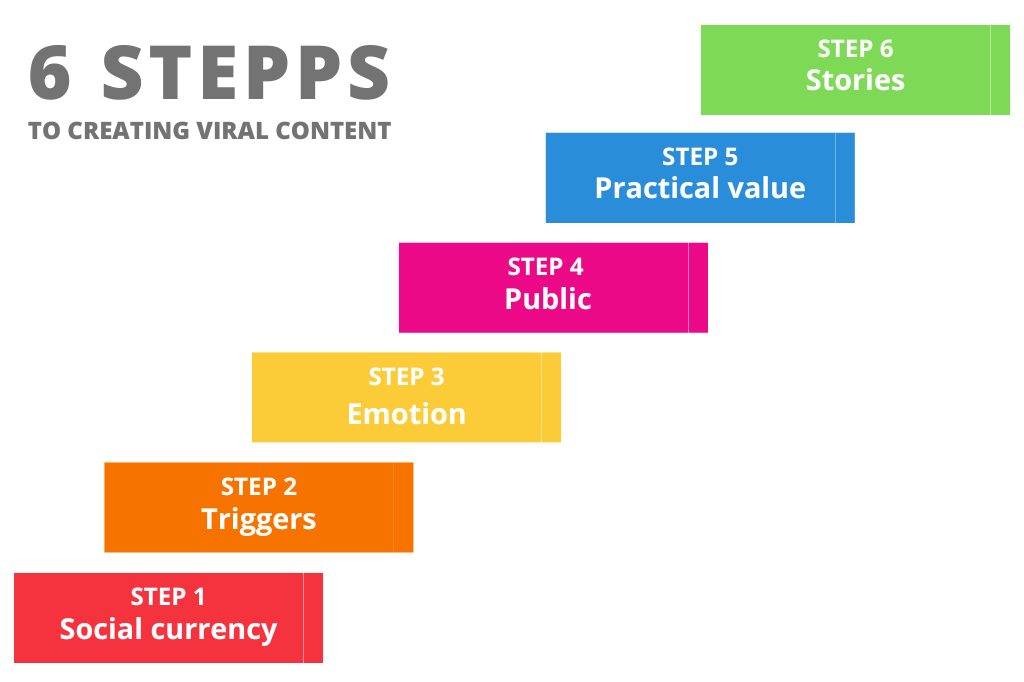
Viral content is not magic. It’s about emotional impact, timing, and sharing triggers. Let’s break down what really matters.
Emotional Connection
People share things that make them feel something. That could be joy, surprise, anger, or inspiration. Content that triggers strong emotions spreads faster.
- A touching story about kindness
- A funny meme that makes people laugh
- A shocking fact that surprises the audience
Easy To Share
The easier you make it to share your content, the higher the chance it will go viral. Simple links, share buttons, and engaging headlines help.
Social Proof
When people see others sharing or talking about your content, they want to join. Social proof drives more shares.
- High number of likes or comments
- Endorsements from influencers
Timing
Trending topics and current events get more attention. Viral content often rides the wave of what’s happening now.
Practical Value
If your content is useful, people share it to help others. Tips, guides, and tutorials often go viral for this reason.
Crafting The Perfect Viral Idea
The first step to viral content is the idea. A weak idea won’t spread, no matter how well you promote it. Here’s how to find ideas that work.
Study Viral Trends
Look at what’s trending on platforms like TikTok, Twitter, and Reddit. Notice patterns. What kind of videos, memes, or stories are people sharing?
Use Data Tools
Tools like Google Trends or BuzzSumo can show what’s popular. Analyze keywords, topics, and engagement stats.
Mix Emotions And Value
Combine emotional triggers with useful information. For example, a heartwarming story about overcoming challenges, with practical advice.
Test Small Ideas
Start with small experiments. Share mini versions of your content. Track reactions. If people respond, scale up.
Example: How A Simple Meme Went Viral
A meme about remote work during COVID-19 spread worldwide. Why? It was funny, relatable, and timed perfectly as millions shifted to working from home.

Writing Headlines That Get Clicks
Your headline is the first thing people see. If it’s boring, nobody clicks or shares. Great headlines grab attention fast.
Use Numbers And Specifics
“10 Reasons You Need a Morning Routine” is clearer than “Why Morning Routines Matter. ”
Ask Questions
“Are You Making These Common Mistakes Online? ” makes people curious.
Add Emotional Words
Words like “amazing,” “shocking,” or “unbelievable” increase clicks.
Keep It Short
Long headlines get lost. Aim for 6–12 words.
Comparison Of Headline Styles
Here’s how different headline styles perform:
| Headline Style | Click Rate (%) | Share Rate (%) |
|---|---|---|
| Numbered List | 21 | 18 |
| Question | 17 | 13 |
| Emotional Word | 24 | 22 |
| Long Headline | 8 | 6 |
Designing Content That People Love
Once you have a strong idea and headline, you need to create content that keeps people interested.
Visuals Matter
Images, videos, and graphics increase sharing. Posts with visuals get 2. 3 times more shares than text-only posts.
Keep It Simple
Short sentences, simple words, and clear structure work best. People scroll fast, so make it easy to read.
Make It Interactive
Polls, quizzes, and questions boost engagement. When people interact, they’re more likely to share.
Storytelling
Tell a story. Even a simple narrative creates a deeper connection.
Real Example: Viral Video Breakdown
A video about a dog saving a child was shared millions of times. Why? The video was clear, emotional, and easy to understand. It included subtitles, making it accessible.
Using Platforms For Maximum Reach
Different platforms have different audiences and rules. Tailor your content to fit each one.
- Videos and images perform best
- Use groups and pages to target communities
- Short captions and calls-to-action help
- Visuals are key—use high-quality photos
- Stories and reels drive quick engagement
- Hashtags expand reach
Tiktok
- Short, creative videos go viral quickly
- Use trending sounds and challenges
- Engage with comments and duets
- Use trending hashtags
- Keep tweets short and punchy
- Join conversations and reply to influencers
Comparison Of Platform Content Types
Here’s how different content types perform across platforms:
| Platform | Best Content Type | Average Share Rate (%) |
|---|---|---|
| Videos | 23 | |
| Photos | 19 | |
| TikTok | Short Videos | 34 |
| Text + Images | 12 |
Non-obvious Insight
Many beginners ignore platform-specific trends. For example, on TikTok, using the right background music can increase share rate by up to 20%. On Instagram, posting at peak times—like 7 PM—can double your engagement.
Timing Your Content For Virality
The best content can fail if posted at the wrong time. Timing is critical.
Post During Peak Hours
- Facebook: 1–3 PM (weekdays)
- Instagram: 7–9 PM (weekdays)
- TikTok: 6–10 PM (weekdays)
Use Calendar Events
Tie your content to holidays, big news, or trending topics. For example, sharing a “Back to School” tip in August gets more traction.
Watch Trends
Use tools to track trending hashtags. If you join a trend early, your content can ride the wave.
Example: Timing Mistake
A travel video posted during a winter storm missed its audience. People were not interested in travel at that moment. Timing matters more than most beginners realize.
Encouraging Sharing And Engagement
Getting people to share is the real secret. You need to make it easy and rewarding.
Add Clear Calls-to-action
Ask people to share, comment, or tag friends. Simple requests work best.
Use Share Buttons
On websites and blogs, visible share buttons boost sharing by 35%.
Incentivize Sharing
Offer rewards or recognition for sharing. For example, “Share this post for a chance to win!”
Respond To Comments
When you reply to comments, people feel valued and are more likely to share your content.
Real Example: Share Incentive
A clothing brand ran a contest: “Share this post to win a free T-shirt.” Shares increased by 400% compared to regular posts.
Optimizing Content For Search And Discovery
Even viral content needs to be found. Search optimization helps your content reach more people.
Use Relevant Keywords
Include keywords in your headline, description, and tags. For example, “viral video tips” or “funny memes 2024. ”
Add Descriptions And Tags
On platforms like YouTube or TikTok, tags and descriptions help your content show up in searches.
Link To Authority Sources
Mention trusted sources. This boosts credibility and ranking. For example, linking to Wikipedia helps with authority.
Monitor Analytics
Check which posts perform best. Use tools to track likes, shares, and reach. Adjust your content based on what works.
Data Table: Seo Impact On Viral Content
| SEO Action | Traffic Increase (%) | Share Increase (%) |
|---|---|---|
| Keyword Optimization | 32 | 15 |
| Authority Links | 20 | 8 |
| Tags & Descriptions | 29 | 13 |
Common Mistakes That Stop Content From Going Viral
Many people make mistakes that kill their viral potential. Avoid these errors to boost your chances.
Ignoring Audience Preferences
If you don’t know what your audience likes, your content won’t spread. Study your followers.
Overcomplicating Messages
Keep things simple. Complex or long content loses attention.
Not Using Visuals
Text-only posts rarely go viral. Always add images, videos, or graphics.
Forgetting Calls-to-action
If you don’t ask people to share, most won’t.
Posting At Wrong Times
Timing can make or break your viral campaign.
Non-obvious Insight
Some creators try to force virality with paid ads. While ads can boost reach, organic sharing is stronger. Real viral content comes from genuine reactions, not just paid promotion.
Measuring Success And Learning From Data
You need to track how your content performs to improve next time.
Track Key Metrics
- Shares
- Likes
- Comments
- Reach
- Conversion (if selling something)
Use Analytics Tools
Platforms like Facebook Insights, TikTok Analytics, or Google Analytics can show detailed stats.
Compare Results
Look for patterns. Which content worked? Why? What failed? Adjust your strategy based on data.
Example: Learning From Failure
A cooking video failed to go viral. Analytics showed viewers stopped watching after 30 seconds. Next time, the creator made shorter, faster videos—resulting in more shares.
Advanced Strategies For Viral Success
If you want to go beyond basics, try these advanced tactics.
Collaborate With Influencers
Partner with people who have big followings. Influencers can boost your reach fast.
Use User-generated Content
Encourage fans to create their own versions of your content. This multiplies sharing.
Launch Challenges
Start a challenge or contest. For example, a dance challenge on TikTok went viral worldwide.
Leverage Emotion
Use powerful stories, humor, or surprise. The stronger the emotion, the higher the chance of virality.
Cross-promote Across Platforms
Share your content on multiple platforms. Each platform has different audiences.
Real Example: Influencer Collaboration
A fitness brand worked with a popular trainer. The trainer posted a workout video, and shares increased by 600% compared to the brand’s own posts.
Frequently Asked Questions
What Is Viral Content?
Viral content is any online post, video, or image that spreads rapidly through shares, likes, and comments. It reaches a large audience in a short time, often because it triggers strong emotions or is highly relatable.
How Do I Come Up With Ideas For Viral Content?
Start by studying what’s trending. Use tools like Google Trends or BuzzSumo. Look for emotional triggers, practical value, or something surprising. Test small ideas first and see how people react before creating larger campaigns.
Why Isn’t My Content Going Viral?
Common reasons include poor timing, weak headlines, lack of emotional impact, or ignoring what your audience likes. Also, missing visuals or calls-to-action can reduce sharing. Check your analytics to see where you can improve.
How Important Is Timing For Viral Content?
Timing is critical. Posting during peak hours or alongside trending topics can double or triple your engagement. Content tied to events or popular news spreads much faster.
Can Paid Ads Make Content Go Viral?
Paid ads can boost reach, but true virality comes from organic sharing. People share content because they want to, not just because they see it in an ad. Focus on creating something genuinely worth sharing.
Creating viral content is not just about luck—it’s about understanding your audience, crafting strong ideas, and using smart strategies. If you follow these steps, avoid common mistakes, and learn from your data, you’ll be ready to create posts, videos, and stories that spread like wildfire.
Remember, the secret is in the mix of emotion, simplicity, timing, and practical value. Start experimenting, and soon you might be the creator everyone is talking about.

