

Philips hearing aid troubleshooting helps fix sound, battery, and connectivity issues quickly.
I have spent years helping people get clear sound from their hearing devices. This guide on Philips Hearing Aid Troubleshooting walks you through common faults, step-by-step fixes, and when to seek professional help. Read on for practical solutions you can try at home and tips that save time and money.

36% off Today’s Exclusive Deals
Limited-time Exclusive Deals. Check current discount on Amazon.
Check Price on Amazon As an Amazon Associate I earn from qualifying purchases.
Overview of Philips Hearing Aid Troubleshooting
Philips Hearing Aid Troubleshooting covers diagnosing and fixing problems with Philips hearing devices. It includes power, sound, fit, and connectivity issues. The goal is to restore clear hearing without unnecessary repair trips. This section sets the stage for practical steps you can use right away.

Common issues and quick causes
Most Philips Hearing Aid Troubleshooting starts with identifying common problems. Knowing typical causes speeds up any fix.
- No power: Battery drained or charger fault.
- Low volume: Blocked ear tip or wrong program setting.
- Whistling or feedback: Poor fit or earwax buildup.
- Distorted or static sound: Damaged mic or moisture.
- Bluetooth or app issues: Pairing errors or outdated firmware.
- Intermittent sound: Loose battery or debris in contacts.

Step-by-step basic troubleshooting guide
Start simple. Many problems clear with a few checks.
-
Check power and battery
- Remove and reinsert battery or place device on charger.
- For disposable batteries, replace with a fresh one. For rechargeable, confirm charger LED shows charging.
-
Inspect the earpiece and sound outlet
- Look for earwax, lint, or moisture on tips and sound ports.
- Clean with the tool supplied and replace wax guards if blocked.
-
Confirm fit and program
- Ensure domes or custom molds fit snugly.
- Toggle hearing programs to rule out a wrong setting.
-
Reset device
- Turn off and on. If available, follow the manual reset procedure.
- A soft reset often resolves software glitches.
-
Test without accessories
- Disconnect wireless accessories and test direct sound.
- This isolates Bluetooth or accessory interference.
-
Update firmware and app
- Open the Philips hearing app and check for updates.
- Firmware updates can fix bugs and improve connectivity.
-
Check environmental causes
- Try the device in different rooms and outdoors.
- Strong electrical or wireless interference can affect sound.
People also ask
How do I reset my Philips hearing aid?
Turn it off, remove the battery or use the app reset option, then restart. If unclear, consult the manual for model-specific steps.
Why is my Philips hearing aid whistling?
Whistling usually means a poor seal or earwax blockage. Try refitting or cleaning the sound outlet first.
How long do Philips rechargeable hearing aids last on a single charge?
Most last 18–30 hours depending on usage and streaming. Heavy Bluetooth streaming shortens battery life.
Cleaning, care, and routine maintenance
Regular care prevents many troubleshooting scenarios. Clean and inspect weekly.
- Clean sound outlets and domes after each use using the supplied brush.
- Replace wax guards as soon as you notice reduced sound.
- Wipe the shell with a dry cloth; avoid water and solvents.
- Store in a dry case or dehumidifier overnight to remove moisture.
- Schedule professional cleanings every 6–12 months for deep cleaning.

Connectivity and app troubleshooting
Bluetooth and app problems are common but usually fixable.
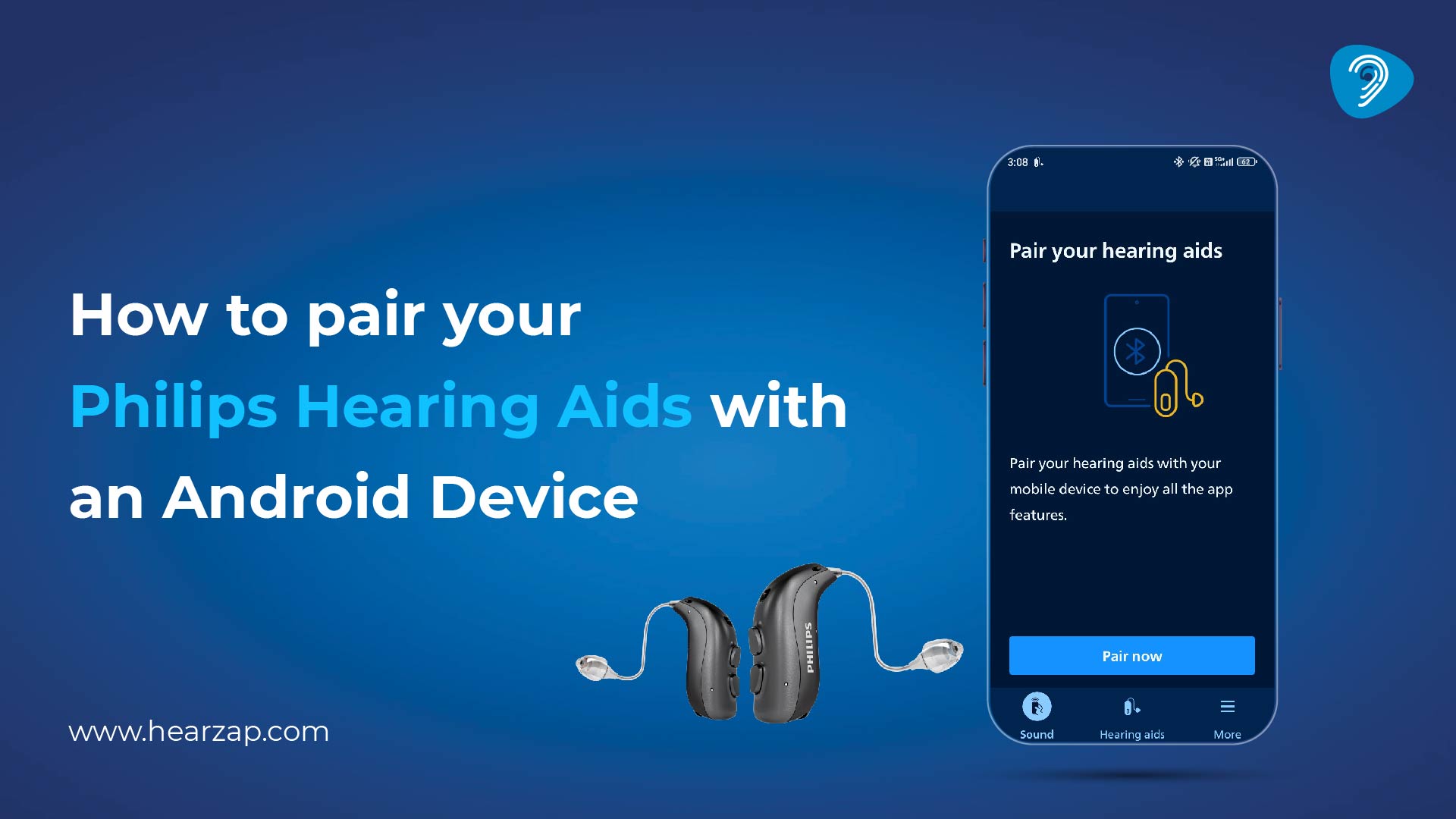
- Ensure Bluetooth is enabled on both phone and hearing aid.
- Forget the device in phone settings and re-pair to reset the link.
- Restart the phone and the hearing aid if pairing fails.
- Check app permissions for microphone and Bluetooth access.
- Update the app and device firmware to the latest versions.
)
Battery and charging issues
Battery problems can mimic sound defects. Check these points.
- For rechargeable models, confirm charger contacts are clean.
- Replace disposable batteries promptly; weak batteries cause distortion.
- If a rechargeable battery drains fast, try a full charge cycle three times before seeking service.
- Extreme temperatures shorten battery life; avoid leaving devices in hot cars.

Sound quality problems and fixes
Sound issues vary but follow a clear troubleshooting path.
- Muffled sound: Clean wax guard, check for foam dome wear, and confirm program settings.
- Distortion: Test with new battery and without streaming; if distortion persists, microphone or speaker may need repair.
- Static or buzzing: Inspect for moisture or corrosion on contacts; dry device for 24 hours in a dry box.
- One device silent: Swap batteries between sides to see if the issue follows the battery or the device.
When to contact professional support or an audiologist
Some issues need expert help. Seek professional support if any of the following apply.
- Physical damage, cracked shell, or water immersion.
- Internal component failures after basic troubleshooting.
- Persistent feedback or sudden hearing change that may be medical.
- Warranty or verified repair is needed.
If you suspect a hearing loss change, book an audiologist appointment. A professional can test hearing, verify device programming, and perform repairs.

Personal experience and practical tips
From my experience helping users, small habits prevent many Philips Hearing Aid Troubleshooting calls.
- Tip 1: Clean daily. A five-minute clean each morning avoids months of problems.
- Tip 2: Keep a backup battery pack when traveling for peace of mind.
- Tip 3: Learn the app basics. Users often fix settings faster via app than by visiting a clinic.
- Mistake to avoid: Do not use cotton swabs inside the sound outlet—this pushes wax deeper.
- Lesson learned: Label chargers and cables. Misplaced chargers cause unnecessary stress.
These tips saved me and others time and money. Treat devices like sunglasses; store them in one place.
Frequently Asked Questions of Philips Hearing Aid Troubleshooting
How do I stop my Philips hearing aid from whistling?
Whistling usually comes from a poor seal or earwax. Clean the outlet and refit the dome; if it continues, see an audiologist.
Why won't my Philips hearing aid connect to Bluetooth?
Restart both devices, forget and re-pair in phone settings, and ensure app permissions are enabled. Update firmware if needed.
My Philips hearing aid has low volume — what should I check?
Replace or recharge the battery, clean the sound outlet, and verify program settings in the app. If volume stays low, contact support.
Can I clean my Philips hearing aid with water?
No. Keep devices dry. Use a dry cloth and the recommended cleaning tools; moisture can damage internal parts.
How often should I replace wax guards and domes?
Replace wax guards when sound drops or every few weeks with heavy use. Domes may need replacement every 1–3 months depending on wear.
Is it safe to reset my Philips hearing aid?
Yes, a soft reset is safe and often solves glitches. Back up app settings if you can, and follow the manual for model-specific steps.
Conclusion
Philips Hearing Aid Troubleshooting is about simple checks, regular care, and timely expert help. Start with power, cleanliness, fit, and app updates. Use the practical steps here to solve most issues at home, and contact professionals for physical repairs or persistent problems. Try these tips today, and leave a comment below if you need help or want to share your experience.

