

Sewage Ejector Pump Troubleshooting is about diagnosing common faults and fixing them safely and quickly.
I have spent years fixing and teaching people how to handle sewage ejector pump problems. This guide on Sewage Ejector Pump Troubleshooting explains how these pumps work, why they fail, and how you can diagnose and fix issues safely. I will share step-by-step checks, simple fixes, maintenance tips, and when to call a pro. Read on for clear, practical Sewage Ejector Pump Troubleshooting you can use today.

36% off Today’s Exclusive Deals
Limited-time Exclusive Deals. Check current discount on Amazon.
Check Price on Amazon As an Amazon Associate I earn from qualifying purchases.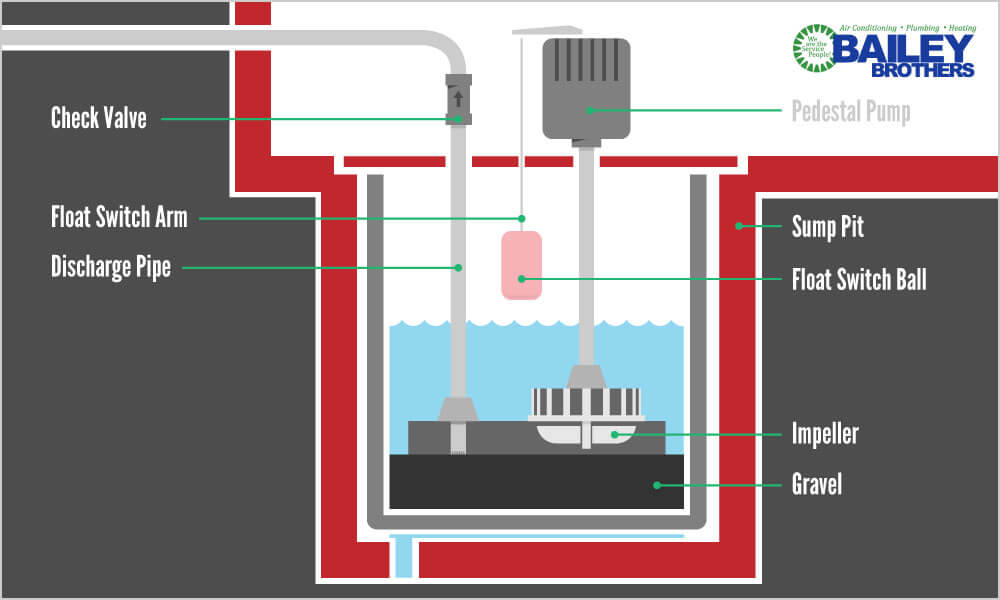
How Sewage Ejector Pumps Work
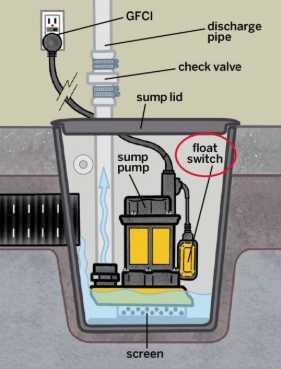
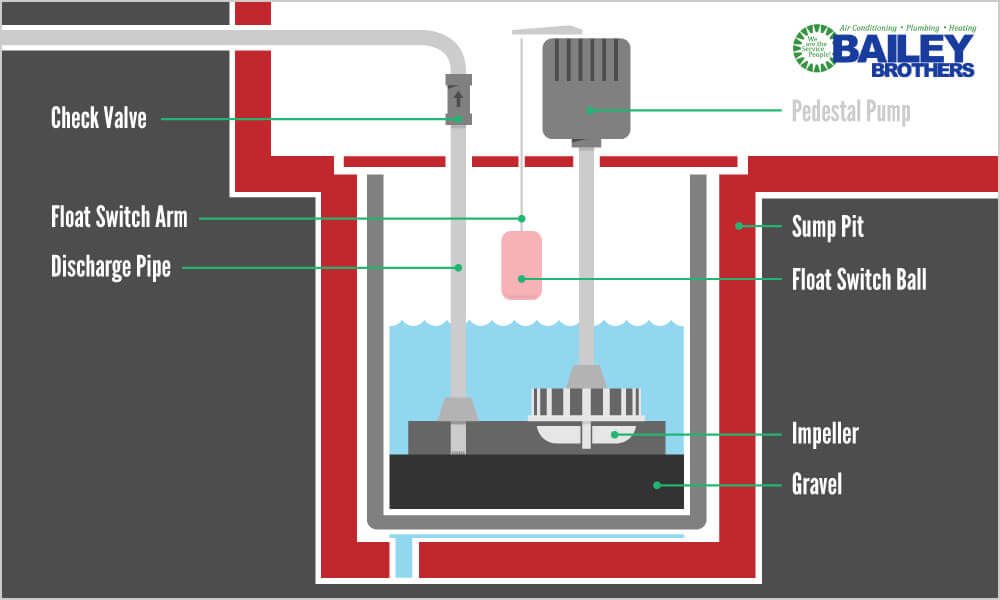
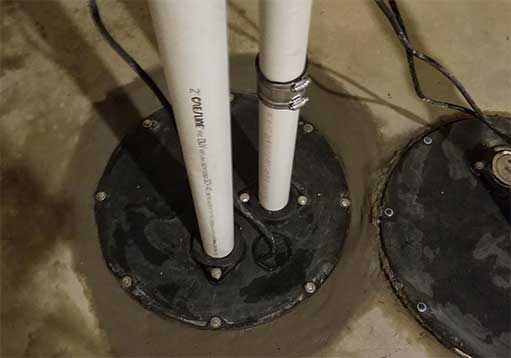
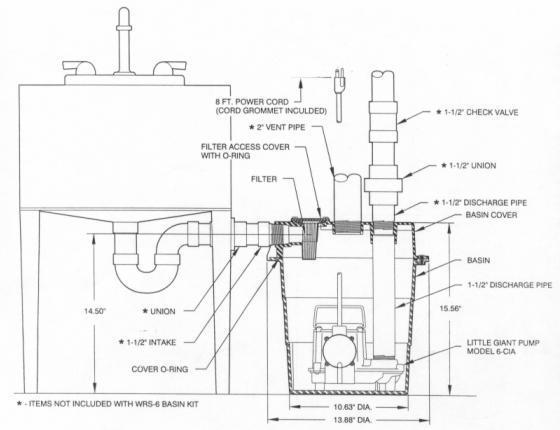
Sewage ejector pumps lift wastewater from a low basement or pit up to the main sewer line. The pump sits in a sealed basin. A float or sensor tells the pump when to run. Understanding this basic action makes Sewage Ejector Pump Troubleshooting easier.
Common Problems and Causes
Most failures come from a few repeat issues. Float switch faults cause pumps not to start or to run constantly. Clogs from wipes, grease, or solids stop flow and can overwork the motor. Power and wiring faults make the pump dead or intermittent. Knowing these causes is the first step in Sewage Ejector Pump Troubleshooting.
Sewage Ejector Pump Troubleshooting: Step-by-Step Guide
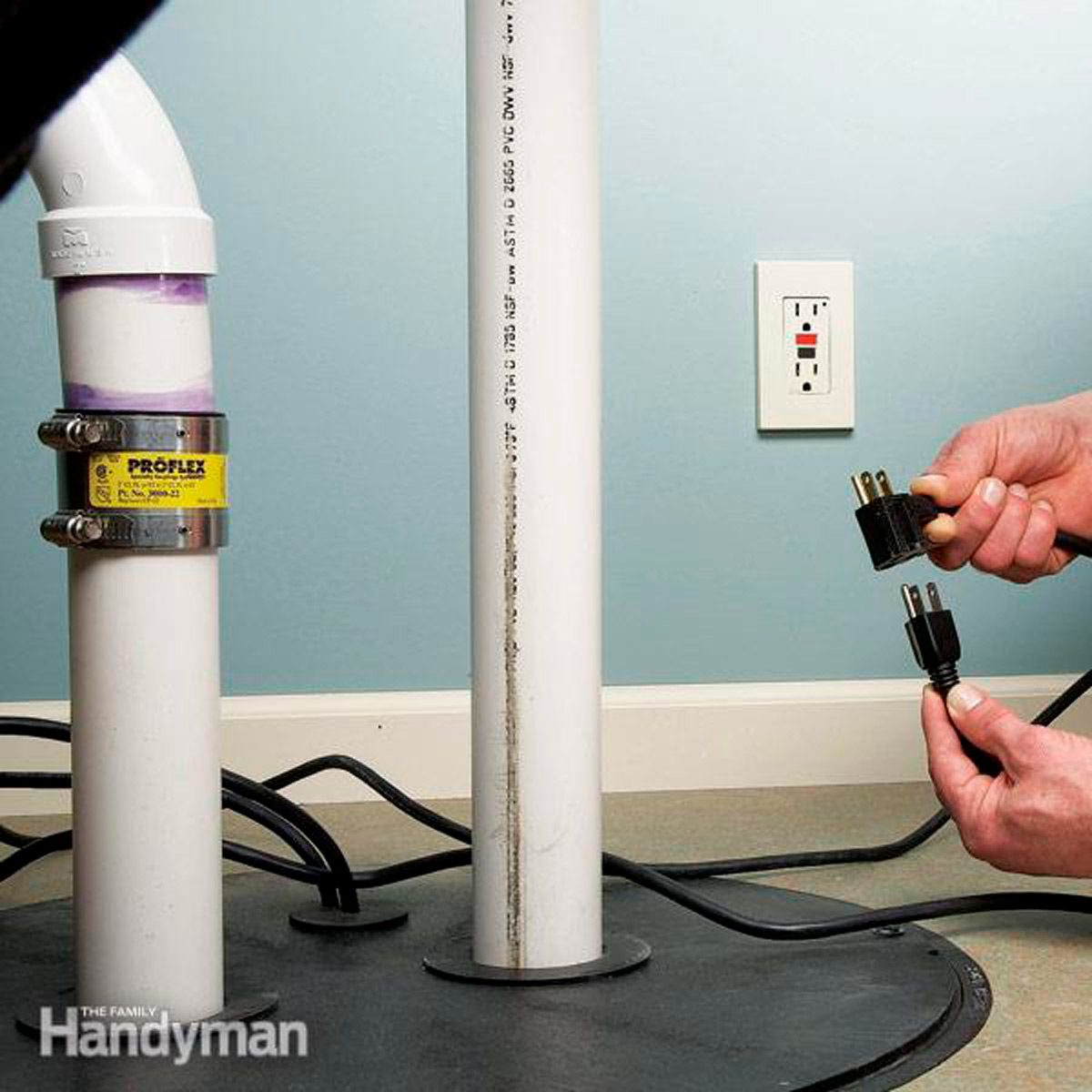
Follow these steps in order. Always put safety first. Turn off power at the breaker before opening the basin lid.
- Visual check
- Look for leaks around the basin seal and discharge pipe.
- Check for obvious clogs at the inlet or discharge.
- Smell for strong sewage odors that signal an open seal.
- Power and reset checks
- Confirm the breaker is on and there is power to the pump circuit.
- Check the pump's built-in reset button if it has one.
- Use a voltage tester at the pump junction box to confirm power.
- Float and sensor inspection
- Move the float gently to see if it moves freely.
- Look for debris or tangled cords that block the float.
- Replace the float if it is waterlogged or stuck.
- Motor and electrical tests
- Listen for humming that can mean the motor is jammed.
- If humming, the pump shaft or impeller may be clogged.
- Test the motor with a multimeter for continuity and amperage draw.
- Clearing clogs and impeller checks
- Remove visible debris with gloves. Do not use bare hands.
- Inspect the impeller for hair, wipes, or build-up.
- If the impeller is damaged, replace it per the manual.
- Check the check valve and discharge line
- A stuck or failed check valve can cause constant cycling.
- Inspect the discharge line for blockages or sagging that traps water.
- Test run
- Restore power and pour water into the basin to trigger the pump.
- Watch for smooth start, normal run time, and proper shutoff.
- Note any unusual noise, vibration, or repeated cycling.
I once found a pump that cycled every five minutes. The problem was a small tear in the float arm that let water in. A simple float replacement fixed the issue in under 30 minutes. That is classic Sewage Ejector Pump Troubleshooting—start small and test often.

Parts, Tools, and Safety for Troubleshooting
Use the right tools and safety gear. A simple kit saves time and risk.
Essential tools
- Voltage tester or multimeter for electrical checks.
- Heavy gloves and eye protection for contact with waste.
- Screwdrivers and wrenches to open the basin and junction box.
- Flashlight and pump manual for model-specific guidance.
Key parts to know
- Float switch or level sensor.
- Impeller and motor assembly.
- Check valve and discharge piping.
- Basin seal and lid gasket.
Safety tips
- Turn off power at the breaker before any internal checks.
- Avoid direct hand contact with sewage. Use gloves and tools.
- If you smell gas or see strong corrosion, evacuate and call a pro.
When I started, I underestimated the smell and the hazards. Now I always wear full gloves, goggles, and keep a pump manual at hand. These habits lower risk during Sewage Ejector Pump Troubleshooting.
Maintenance to Prevent Failures
Routine checks reduce emergency repairs. Simple routines save money and time.
Monthly checks
- Lift the float to test the switch function.
- Inspect the basin for solids and smell for odors.
- Run water into the basin to confirm pump cycles normally.
Quarterly checks
- Clean the basin and remove settled solids.
- Inspect the discharge pipe and check valve.
- Test electrical connections for corrosion or looseness.
Annual tasks
- Service or replace worn floats and seals.
- Have a professional check motor performance and wiring.
- Replace the backup battery or alarm system if present.
Preventive maintenance is a key part of Sewage Ejector Pump Troubleshooting. My clients who follow a simple schedule almost never face sudden failures.
When to Call a Professional
Some problems need licensed help. Call a pro if:
- The motor trips breakers repeatedly or shows electrical faults.
- You find a burned smell, smoke, or melted wiring.
- The impeller is badly damaged or the motor needs replacement.
- The basin or piping has structural damage or persistent leaks.
- Local codes require a licensed plumber for repairs.
If you are unsure about electrical testing or motor repair, get an expert. A pro can diagnose hidden issues and keep work code-compliant. Knowing when to call is part of good Sewage Ejector Pump Troubleshooting.
Common Mistakes and How to Avoid Them
Avoid these traps I see often.
- Ignoring small noises until a failure occurs. Small sounds often warn of big problems.
- Using wet wipes or grease. These clog pumps fast.
- Skipping the breaker shutoff before inspection. This is dangerous.
- Replacing parts without diagnosing. You can waste money on wrong parts.
A simple habit is to keep a log of checks and issues. The log makes Sewage Ejector Pump Troubleshooting faster and clearer for you or a plumber.

PAA-style Questions (People Also Ask)
Why is my sewage ejector pump running nonstop?
- The float switch may be stuck or the check valve may be leaking. Check float movement and inspect the check valve for proper sealing.
Can I clean a sewage ejector pump myself?
- You can do basic cleaning like removing visible debris and testing the float. Major repairs and electrical work should be done by a licensed pro.
How long do sewage ejector pumps last?
- Typical life is 7 to 15 years depending on use and maintenance. Regular care can extend life toward the upper end.
What causes a pump to hum but not start?
- A jammed impeller or a failing start capacitor often causes humming without rotation. Inspect the impeller and test electrical components.
Is there a backup for ejector pump failure?
- Yes. Install a battery backup or a secondary pump for critical areas. Alarms that alert on pump failure are also recommended.
Frequently Asked Questions of Sewage Ejector Pump Troubleshooting
What should I check first when my ejector pump won't start?
Start with the power. Check the breaker and reset buttons. Then test the float and look for blockages.
Why does my pump run too often?
A stuck float, small leaks in discharge, or a failing check valve can cause short cycles. Fix the float and inspect valves to stop frequent runs.
Can flushable wipes clog my ejector pump?
Yes. Many wipes do not break down and will clog the impeller and pipes. Avoid flushing anything except toilet paper and human waste.
My pump makes a loud grinding noise. What does that mean?
Grinding often means a damaged or blocked impeller. Turn off power and inspect the impeller for debris or wear.
How do I test the float switch safely?
Turn off power at the breaker. Manually lift the float to see if the pump starts on a test run. Use a multimeter for electrical checks if needed.
How often should I service my sewage ejector pump?
Service once a year at minimum. More frequent checks are wise if the pump runs a lot or handles heavy solids.
Conclusion
Sewage Ejector Pump Troubleshooting is a mix of simple checks and careful repairs. Start with power and float checks, clear clogs, and inspect the impeller and check valve. Keep a short maintenance schedule to prevent most failures, and call a licensed pro for electrical or motor work. Try the steps here on your next inspection, keep a log, and share your results or questions below. Subscribe for more practical guides and leave a comment if you want a troubleshooting checklist template.

