

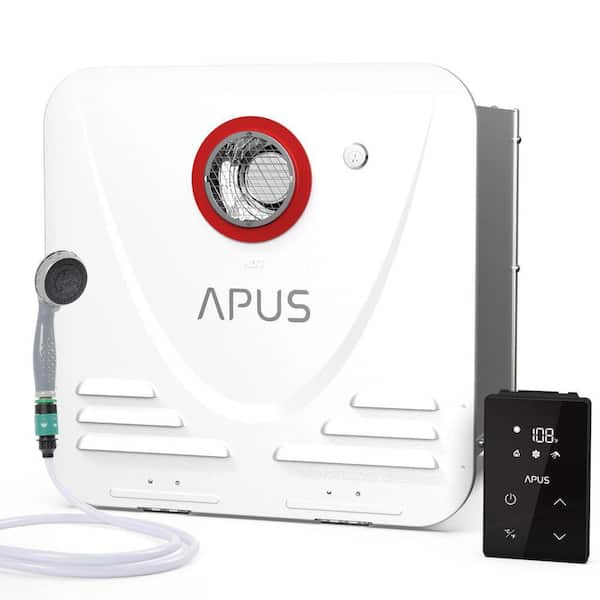
The Apus RV Tankless Water Heater is becoming a popular choice among RV owners who want hot water on demand. But one of the most common questions is: How much propane does it use? Understanding propane consumption is important because it affects your travel plans, costs, and how often you need to refill your tank. This article gives clear, detailed answers about the propane usage of the Apus RV Tankless Water Heater, so you can plan your trips with confidence and avoid surprises.
What Makes The Apus Rv Tankless Water Heater Unique?
RV water heaters have changed a lot in recent years. Traditional tank heaters store hot water, but they are slow and waste energy. The Apus RV Tankless Water Heater heats water instantly, only when you need it. This saves propane, space, and weight.

36% off Today’s Exclusive Deals
Limited-time Exclusive Deals. Check current discount on Amazon.
Check Price on Amazon As an Amazon Associate I earn from qualifying purchases.The Apus model stands out for:
- Compact design: It fits in small spaces.
- Instant heating: You don’t have to wait for hot water.
- Efficiency: Uses only the energy needed.
But efficiency is not the only concern. Knowing how much propane it uses is key for every RV trip.
Understanding Propane Consumption
Before we look at the Apus heater specifically, let’s understand how propane usage is measured. Most RV appliances use propane measured in BTUs (British Thermal Units). The higher the BTU rating, the more fuel it uses.
One pound of propane contains about 21,600 BTUs. Most RV water heaters use between 10,000 and 12,000 BTUs per hour, depending on their design and size.
How Propane Usage Is Calculated
To estimate propane use, you need to know:
- BTU rating of the heater
- Duration of use (hours per day)
- Efficiency (how much energy is converted to heat)
Propane usage formula:
- BTUs used per hour ÷ BTUs per pound of propane = pounds of propane used per hour
For example, if a heater uses 12,000 BTUs per hour:
- 12,000 ÷ 21,600 = 0.56 pounds of propane per hour
Now, let’s see how this applies to the Apus RV Tankless Water Heater.
Apus Rv Tankless Water Heater: Propane Specs
The Apus RV Tankless Water Heater is rated at 42,000 BTUs per hour. This is higher than many older tank models, but it is designed for fast, on-demand heating. It does not run constantly; it only operates when you turn on the hot water.
Manufacturer Data
According to the manufacturer:
- BTU rating: 42,000 per hour
- Max flow rate: 2.8 gallons per minute (GPM)
- Average usage: 15–25 minutes per day for typical RV users
This means the heater only uses propane when you need hot water, not all day.
Real-world Propane Usage Estimates
Let’s calculate typical daily and weekly propane usage for the Apus RV Tankless Water Heater.
Daily Usage Example
If you use hot water for 20 minutes per day:
- 20 minutes = 0.33 hours
- BTUs used: 42,000 × 0.33 = 13,860 BTUs
- Propane used: 13,860 ÷ 21,600 ≈ 0.64 pounds per day
Weekly Usage Example
If you use the heater for 20 minutes per day for 7 days:
- Daily propane: 0.64 pounds
- Weekly propane: 0.64 × 7 ≈ 4.48 pounds
Most RV propane tanks are 20 pounds, so you would use about 22% of a full tank in one week.
Comparison Table: Propane Consumption By Usage
Here’s a clear comparison of propane used at different daily usage levels:
| Minutes per Day | BTUs Used | Pounds of Propane per Day | Days for 20 lb Tank |
|---|---|---|---|
| 10 | 7,000 | 0.32 | 62 |
| 20 | 13,860 | 0.64 | 31 |
| 30 | 21,000 | 0.97 | 20 |
| 60 | 42,000 | 1.94 | 10 |
This table helps you estimate how long your propane will last, based on your hot water usage.

Factors That Affect Propane Usage
Actual propane use can vary. Here are the main factors:
1. Water Temperature Setting
The higher you set the temperature, the more propane the heater uses. If you set it at 105°F instead of 120°F, you save propane.
2. Water Flow Rate
Running water at full flow (2. 8 GPM) uses more propane than a lower flow rate.
3. Frequency Of Use
Frequent showers or washing dishes will increase consumption.
4. Ambient Water Temperature
If the incoming water is cold (for example, in winter), the heater uses more propane to reach your desired temperature.
5. Efficiency Loss
Some heat is lost through the pipes and heater body, especially if your RV is not well insulated.
Example: Seasonal Differences
In summer, incoming water may be 70°F. In winter, it could be 40°F. The heater must use more energy (propane) to heat cold water. You may see your propane usage rise by 20–30% in colder months.
Comparing Tankless Vs. Tank Rv Water Heaters
Let’s see how the Apus compares to traditional tank models.
| Feature | Tankless (Apus) | Traditional Tank Heater |
|---|---|---|
| Propane Use | On-demand, 0.32–1.94 lbs/day | Constant cycling, 0.5–2 lbs/day |
| Hot Water Supply | Unlimited (while running) | Limited to tank size (6–10 gallons) |
| Heat-up Time | Instant | 15–30 minutes |
| Efficiency | 80–84% | 60–70% |
| Space Needed | Compact | Larger |
| Maintenance | Low | Moderate |
Key insight: Even though the Apus has a higher BTU rating, it is more efficient because it only uses propane when you need hot water. Traditional tank heaters cycle on and off all day, wasting fuel.
How To Calculate Your Own Propane Usage
You can estimate your own usage by tracking how long you use hot water. Here’s how:
- Write down daily usage: Note how many minutes you use hot water each day.
- Multiply by BTU rating: Apus uses 42,000 BTUs per hour. Divide minutes by 60 to get hours.
- Calculate BTUs used: Minutes ÷ 60 × 42,000.
- Divide by 21,600: This gives pounds of propane used.
Example Calculation
If you take a 10-minute shower and wash dishes for 10 minutes:
- Total: 20 minutes per day
- Hours: 20 ÷ 60 = 0.33 hours
- BTUs: 0.33 × 42,000 = 13,860
- Propane: 13,860 ÷ 21,600 = 0.64 pounds per day
Over A Week: 0.64 × 7 = 4.48 Pounds
Tips To Reduce Propane Consumption
If you want to use less propane, try these:
- Lower water temperature: Use 105°F instead of 120°F.
- Shorter showers: Limit to 5–10 minutes.
- Turn off water while lathering: Saves both water and propane.
- Fix leaks: Even slow drips waste fuel.
- Insulate pipes: Keep heat from escaping.
Non-obvious Tip
Many RV owners forget that water flow restrictors can cut propane use by reducing the amount of water needing to be heated. Install low-flow shower heads and faucets to save fuel.
How Often Will You Need To Refill Your Propane Tank?
This depends on your usage and tank size. Most RVs use 20-pound tanks.
Average Refill Timing
- Light users (10 minutes/day): Once every 2 months
- Moderate users (20 minutes/day): Once every month
- Heavy users (60 minutes/day): Once every 10–12 days
If you also use propane for cooking or heating, your refill intervals will be shorter.
Table: Propane Tank Refill Intervals
| Daily Usage (minutes) | Refill Interval (days) |
|---|---|
| 10 | 62 |
| 20 | 31 |
| 30 | 20 |
| 60 | 10 |
Common Mistakes When Estimating Propane Usage
Many new RV owners miscalculate propane use. Here are the most frequent errors:
- Ignoring other appliances: Cooking, heating, and refrigeration also use propane.
- Not tracking actual usage: Guessing instead of measuring.
- Assuming tankless is always cheaper: If you take long showers, you may use more fuel than with a tank.
- Not considering weather: Cold weather increases usage.
- Overestimating efficiency: Actual efficiency may be lower than manufacturer claims.
Non-obvious Insight
Some people forget to check their regulator settings. If your propane regulator is faulty or set incorrectly, it can waste fuel and cause uneven heating.

Is The Apus Rv Tankless Water Heater Right For You?
If you value instant hot water, efficiency, and compact design, the Apus model is a good fit. But it’s important to understand your own usage habits.
- Frequent showering: Expect higher propane use.
- Minimal use: Saves fuel, lasts longer between refills.
- Multiple users: Usage adds up quickly.
For families or those who travel in cold climates, plan for more frequent refills.
Apus Rv Tankless Water Heater: Maintenance And Longevity
Proper maintenance keeps your heater efficient and reduces propane waste.
Key Maintenance Tips
- Flush the heater regularly: Removes mineral buildup.
- Check gas lines and regulator: Prevent leaks and ensure correct pressure.
- Clean air intake: Keeps combustion efficient.
- Inspect burner: Dirty burners use more fuel.
If you follow these steps, your heater will use less propane over time.
Comparing Propane Costs: Apus Vs. Other Rv Heaters
Propane costs vary, but the Apus heater is usually more cost-efficient for moderate users.
Example Cost Calculation
- Average US price for propane: $3.00 per gallon
- One gallon = 4.24 pounds
- Daily usage: 0.64 pounds = 0.15 gallons
- Daily cost: 0.15 × $3.00 = $0.45
For A Week: $0.45 × 7 = $3.15
This is less than most tank heaters, which often run all day and waste fuel.
Frequently Asked Questions
How Many Showers Can I Take Before Refilling A 20-pound Propane Tank?
You can take about 31 showers (assuming 20-minute showers) before needing to refill a 20-pound tank. If you take shorter showers, you’ll get more uses.
Does The Apus Rv Tankless Water Heater Use More Propane Than A Tank Model?
Not always. Although the Apus heater has a higher BTU rating, it only runs when you need hot water. Tank models cycle on and off, wasting fuel. For typical users, the Apus uses less propane overall.
Can I Use The Apus Heater In Winter Without Running Out Of Propane Quickly?
Yes, but you should expect higher usage. Cold water needs more energy to heat, so your propane consumption can rise by 20–30% in winter.
What Size Propane Tank Do I Need For Full-time Rv Living With The Apus Heater?
For full-time living (daily showers and dishwashing), a 30-pound tank is recommended. This lasts longer between refills and is better for heavy users.
Where Can I Find Official Specifications For The Apus Rv Tankless Water Heater?
You can view official specs and performance data at the manufacturer’s website: Apus RV Official Site.
Final Thoughts
Knowing how much propane the Apus RV Tankless Water Heater uses is essential for smart RV living. With a maximum of 42,000 BTUs per hour, real-world usage is usually 0.32–1.94 pounds per day depending on your habits. Most RV owners can expect to refill a 20-pound tank every 10–62 days, based on their hot water needs. Remember, actual usage depends on water temperature, flow rate, and efficiency. By tracking your own usage and following practical tips, you can enjoy hot water without wasting propane or money. The Apus heater offers efficient, reliable performance—perfect for modern RV travelers looking for comfort and convenience on the road.

