

Does The Apus Rv Tankless Water Heater Require Regular Maintenance?
If you own an RV, you know the importance of reliable hot water. The Apus RV tankless water heater is popular for its efficiency, space-saving design, and on-demand heating. But many RV owners wonder: does this system require regular maintenance, or is it truly “set and forget”? Understanding maintenance needs is key to keeping your water heater working safely and efficiently, whether you’re a weekend adventurer or a full-time traveler.
Let’s explore how the Apus tankless water heater works, what maintenance it needs, and why regular care matters more than you might expect. We’ll also look at signs of trouble, common mistakes, and practical advice for keeping your system running smoothly—without wasting time or money.

36% off Today’s Exclusive Deals
Limited-time Exclusive Deals. Check current discount on Amazon.
Check Price on Amazon As an Amazon Associate I earn from qualifying purchases.Understanding The Apus Rv Tankless Water Heater
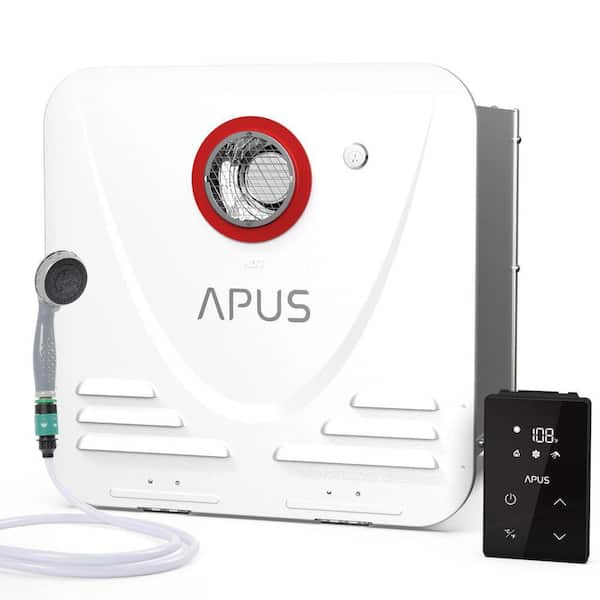
Tankless water heaters, like the Apus model, heat water only when you need it. Unlike traditional tank heaters, they don’t store hot water; instead, cold water passes through the unit, where a heating element warms it instantly. This saves energy, reduces weight, and provides endless hot water for showers, dishes, or laundry.
Features Of The Apus Tankless Water Heater
- Compact design: Ideal for RVs with limited space.
- High efficiency: Uses less energy than tank heaters.
- On-demand heating: No waiting for water to warm up.
- Digital controls: Easy to adjust temperature and monitor performance.
- Safety systems: Includes sensors for flame, temperature, and water flow.
These features make the Apus water heater a favorite among RVers. But like any appliance, it needs proper care to stay reliable.
Why Maintenance Matters
Even the best tankless water heaters can develop problems if ignored. Minerals in water, dust, and wear from regular use can cause issues over time. Regular maintenance helps:
- Prevent breakdowns
- Improve efficiency
- Extend lifespan
- Maintain warranty coverage
Skipping maintenance may save time today, but can lead to expensive repairs or replacements later.
Common Maintenance Tasks For The Apus Rv Tankless Water Heater
Regular maintenance is not just for professionals. Many tasks can be done by RV owners with basic tools. Here are the most important jobs to keep your Apus water heater in top shape:
1. Flushing The System
Mineral buildup is the most common problem in tankless water heaters, especially if you travel in areas with hard water. Calcium and magnesium can clog pipes and reduce heating efficiency.
- How often: Every 6–12 months, depending on water hardness.
- What you need: A descaling solution, hoses, and a bucket.
- Steps:
- Turn off the heater and disconnect power/gas.
- Connect hoses to the inlet and outlet valves.
- Run descaling solution through the system for 30–60 minutes.
- Flush with clean water until clear.
- Tip: Use vinegar as a low-cost descaler if commercial products are unavailable.
2. Cleaning The Air Intake Filter
The air intake filter stops dust and debris from entering the combustion chamber. A dirty filter can cause poor performance, overheating, or system errors.
- How often: Every 3–6 months.
- What you need: Soft brush or compressed air.
- Steps:
- Locate the filter near the air intake.
- Remove and gently clean with brush or air.
- Reinstall and ensure a tight fit.
3. Checking Gas And Water Connections
Loose or damaged connections can cause leaks, unsafe conditions, or water heater failure.
- How often: Check monthly.
- What you need: Adjustable wrench, leak detector solution.
- Steps:
- Inspect gas lines for cracks or leaks.
- Test water lines for drips.
- Tighten fittings as needed.
- Tip: Use a leak detector solution or soapy water to find gas leaks—bubbles indicate a problem.
4. Inspecting Electrical Components
If your Apus heater uses electric ignition or controls, inspect wiring and connectors for signs of corrosion or wear.
- How often: Every 6 months.
- What you need: Screwdriver, flashlight.
- Steps:
- Open access panel.
- Check wires for damage.
- Replace or repair as needed.
5. Monitoring Error Codes And Performance
Modern Apus heaters display error codes for issues like overheating, low water flow, or flame failure. Check the control panel regularly and note any codes or unusual operation.
- How often: Every use.
- What you need: Owner’s manual.
- Steps:
- Read display after turning on heater.
- Record any codes and consult manual.
- Address problems before using the system.
Comparison: Apus Vs. Traditional Rv Water Heaters
To understand why maintenance is different, compare the Apus tankless heater to a standard tank-based model.
| Feature | Apus Tankless | Traditional Tank |
|---|---|---|
| Heating Method | On-demand | Stored water |
| Efficiency | High | Medium |
| Maintenance Needs | Regular flushing, filter cleaning | Anode replacement, tank cleaning |
| Life Span | 10–15 years | 6–10 years |
| Risk of Leaks | Low | High (tank corrosion) |
| Weight | Light | Heavy |
Key insight: Tankless heaters have fewer parts to corrode or leak, but they are more sensitive to mineral buildup and airflow issues. Maintenance is less about replacing parts and more about keeping things clean and clear.
Signs Your Apus Rv Tankless Water Heater Needs Maintenance
Sometimes, the need for maintenance is obvious. Other times, problems sneak up quietly. Watch for these signs:
- Reduced hot water flow
- Fluctuating water temperature
- Strange noises (popping, hissing)
- Error codes on the control panel
- Water takes longer to heat
- Visible leaks or drips
- Burnt smell from the unit
If you notice any of these, don’t ignore them. Early action can prevent bigger problems.
Real-world Example
A family traveling through Arizona noticed their Apus heater was making a popping sound and water became lukewarm. After flushing the system, they found heavy calcium buildup. The heater returned to normal function, saving them from costly repairs or replacement.
How Often Should You Perform Maintenance?
There is no single answer—it depends on usage, water quality, and environment.
| Usage Type | Flushing | Filter Cleaning | Connection Check | Electrical Inspection |
|---|---|---|---|---|
| Full-time RV living | Every 6 months | Every 3 months | Monthly | Every 6 months |
| Weekend trips | Every 12 months | Every 6 months | Before each trip | Every 12 months |
| Seasonal use | Every 12 months | Every 6 months | Before each season | Every 12 months |
Non-obvious tip: If you travel to areas with very hard water, flush the system more often. Using a water softener can reduce buildup and extend intervals between maintenance.
Practical Maintenance Tips For Rv Owners
Even if you’re new to RVs, these tips will help you maintain your Apus heater without stress:
- Keep a maintenance log: Record dates and tasks. It helps track warranty requirements and spot patterns.
- Use filtered water: Install a basic water filter to reduce sediment and minerals.
- Follow the manufacturer’s instructions: Each Apus model may have specific steps—read the manual carefully.
- Avoid over-tightening connections: Tight is good, but too tight can damage fittings.
- Store parts and tools in a dedicated kit: Keep hoses, descaler, brushes, and wrenches together for easy access.
- Don’t ignore error codes: Even minor alerts can indicate early issues.
- Check for recalls or software updates: Manufacturers sometimes release updates to improve safety or performance.
Insight: Many RV owners overlook seasonal maintenance. Even if you don’t use your RV for months, run the heater briefly and check for issues before your next trip.
What Happens If You Skip Maintenance?
Ignoring your Apus tankless water heater can cause:
- Reduced efficiency: More energy used, less hot water delivered.
- Shorter lifespan: Mineral buildup can damage heating elements.
- Voided warranty: Most manufacturers require proof of maintenance.
- Safety risks: Gas leaks, electrical faults, or overheating.
- Higher repair costs: Small issues can turn into major failures.
Statistics show that regular maintenance can extend the life of tankless water heaters by 3–5 years and reduce energy costs by up to 20%.
Troubleshooting Common Problems
If your Apus heater isn’t working as expected, here are some common issues and solutions:
Problem: No Hot Water
- Possible cause: Mineral buildup, faulty ignition, or low gas pressure.
- Solution: Flush system, check gas supply, inspect ignition.
Problem: Water Temperature Fluctuates
- Possible cause: Dirty filter, low water flow, or sensor error.
- Solution: Clean filter, check water pressure, reset sensors.
Problem: Error Code On Display
- Possible cause: Various (consult manual).
- Solution: Look up code, follow recommended actions, contact support if needed.
Problem: Unusual Noises
- Possible cause: Mineral buildup, loose parts, or air intake blockage.
- Solution: Flush system, tighten connections, clean air filter.
Non-obvious insight: Sometimes error codes appear due to low battery voltage in RVs. Check your RV’s battery health before assuming a water heater problem.

Diy Vs. Professional Maintenance
Some RV owners prefer to do maintenance themselves, while others hire professionals. Here’s a quick comparison:
| Task | DIY | Professional |
|---|---|---|
| Flushing system | Yes, with basic tools | Yes, faster and thorough |
| Cleaning filters | Easy for most owners | Included in service |
| Checking connections | Simple, but gas checks need care | Safer, especially for gas |
| Electrical inspection | If comfortable with wiring | Recommended for complex issues |
| Warranty work | Sometimes voids warranty | Usually required for warranty claims |
Recommendation: Do simple tasks yourself, but seek professional help for gas, electrical, or warranty work. Safety is always more important than saving a few dollars.
Avoiding Common Maintenance Mistakes
Many beginners make mistakes that can cause trouble. Here are some to avoid:
- Skipping regular flushing: Even if water looks clear, minerals build up over time.
- Using harsh chemicals: Only use recommended descaling solutions.
- Ignoring small leaks: Tiny drips can become major floods.
- Forgetting to disconnect power/gas: Always turn off the system before maintenance.
- Not reading the manual: Each model has unique requirements—don’t assume.
Insight: Some RVers mistakenly think tankless means “no maintenance.” In reality, tankless heaters require different care—not less care.
Warranty And Manufacturer Requirements
Apus and other manufacturers often require regular maintenance to keep the warranty valid. This includes:
- Documented flushing and cleaning
- Professional service for complex issues
- Use of approved parts and descaling solutions
Check your warranty card for details. If you plan to sell your RV, a complete maintenance log can increase value and make buyers confident.
Environmental Factors That Affect Maintenance
Where you travel and store your RV can change maintenance needs:
- Hard water areas: More frequent descaling needed.
- Dusty environments: Clean filters more often.
- Cold climates: Check for freezing pipes and insulation.
- High altitude: Some heaters need adjustment for optimal performance.
Tip: If you winterize your RV, drain the water heater fully to prevent freeze damage. Some Apus models have built-in freeze protection—activate it if available.

Resources For Apus Rv Water Heater Owners
For additional support, consider:
- Owner’s manual: Always your first resource.
- Online forums: RV communities share real-world advice.
- Manufacturer website: Updates, recalls, and tips.
- Professional RV service centers: For complex repairs or warranty work.
For more technical details, visit the official Wikipedia page on tankless water heaters.
Frequently Asked Questions
How Often Should I Flush My Apus Rv Tankless Water Heater?
It depends on usage and water quality. For full-time RVers in hard water areas, flush every 6 months. For occasional use or softer water, once a year is usually enough. Always follow the manufacturer’s guidelines.
Can I Use Vinegar Instead Of Commercial Descaling Solutions?
Yes, vinegar is a safe and affordable option for removing mineral buildup. However, commercial solutions may work faster and are sometimes required for warranty purposes. Check your manual before using alternatives.
What Are The Risks If I Skip Maintenance?
Skipping maintenance can cause mineral buildup, reduced efficiency, and system failure. It may also void your warranty and increase the risk of leaks or safety hazards.
Is It Safe To Do Maintenance Myself, Or Should I Hire A Professional?
Simple tasks like flushing and filter cleaning can be done by most RV owners. For gas, electrical, or warranty work, hiring a professional is safer and often required.
How Do I Know If My Apus Heater Needs Maintenance?
Watch for signs like reduced hot water flow, fluctuating temperatures, error codes, unusual noises, or leaks. Regular inspection and logging can help you spot issues early.
Final Thoughts
The Apus RV tankless water heater is a smart, efficient choice for modern RVs. But it’s not maintenance-free. Regular flushing, filter cleaning, and connection checks are essential for safe, reliable performance. Ignoring these tasks can cost you time, money, and even your warranty.
With a little planning and the right tools, you can keep your heater working smoothly for years. Pay attention to water quality, follow the manufacturer’s instructions, and don’t hesitate to seek professional help when needed. By investing a small amount of effort, you’ll enjoy endless hot water and peace of mind wherever your travels take you.

