

Many RV owners want hot water on the road. The Apus RV Tankless Water Heater is a popular choice for people who want endless hot water without using too much space. But one question comes up again and again: *Does the Apus RV Tankless Water Heater use propane?* If you’re planning to buy or install this water heater, knowing the answer is important for safety, cost, and ease of use. This article will give you a clear answer, explain how the Apus works, compare it to other options, and guide you on what really matters when choosing a tankless water heater for your RV.
Understanding The Apus Rv Tankless Water Heater
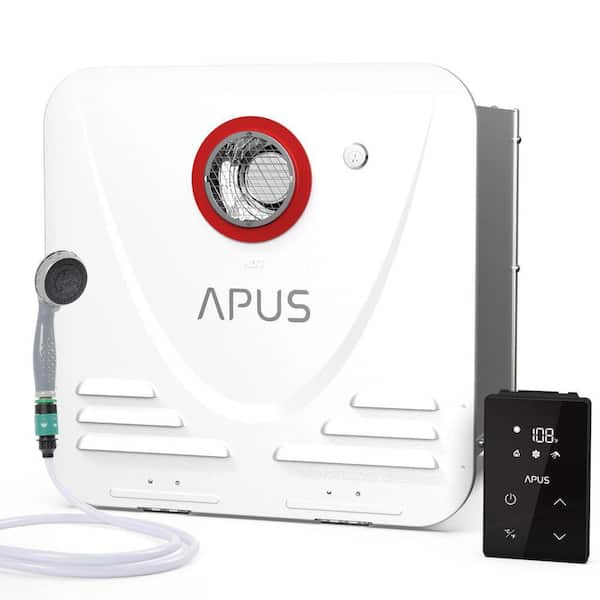
The Apus RV Tankless Water Heater is designed for mobile homes, travel trailers, and motorhomes. It’s part of a newer generation of tankless water heaters. Unlike old-style tank heaters that store hot water, tankless models heat water only when you need it. This means you get hot water faster and never run out during a long shower.

36% off Today’s Exclusive Deals
Limited-time Exclusive Deals. Check current discount on Amazon.
Check Price on Amazon As an Amazon Associate I earn from qualifying purchases.Key Features
Most Apus models are compact and lightweight. They fit into small spaces, making them ideal for RVs where every inch counts. Typical features include:
- Digital temperature controls
- High efficiency (less wasted energy)
- Auto ignition
- Safety shut-off
- Multiple protection devices (like flame failure and overheat sensors)
But the most important detail for many owners is the power source. Is it propane, electric, or something else?
Does The Apus Rv Tankless Water Heater Use Propane?
The short answer: Yes, most Apus RV Tankless Water Heaters use propane as their main fuel source. Some models also need a small amount of electricity (12V DC, often from the RV’s battery) for ignition and controls, but the main heating is done by propane.
How Propane Powers The Apus
Here’s how it works:
- Cold water enters the heater when you turn on a hot water tap.
- The flow sensor triggers the propane burner.
- The burner heats the water as it passes through a heat exchanger.
- Hot water comes out almost instantly.
- When you turn off the tap, the system shuts down and stops using propane.
This design is efficient and reliable, especially for RVers who camp off-grid. Propane is easy to refill and available almost everywhere.
Why Propane Is Used
Propane is a common choice for RV appliances because:
- It’s energy-dense (more heat per pound than many fuels)
- Tanks are portable and refillable
- Works even when there’s no shore power or generator
- Heats water faster than small electric units
Some Apus models can also use natural gas, but this is rare for RVs due to storage issues.
Comparing Power Sources: Propane Vs Electric
You might wonder: *Why not just use an electric heater?* Let’s compare propane and electric tankless water heaters for RVs.
| Feature | Propane Tankless | Electric Tankless |
|---|---|---|
| Heating Speed | Fast | Medium/Slow |
| Energy Source | Propane (+ some 12V DC) | 120V/240V AC only |
| Boondocking (Off-grid) | Excellent | Poor (without generator/inverter) |
| Installation | Needs propane hookup | Needs heavy wiring/upgraded breaker |
| Operating Cost | Low/Medium (propane cost) | Medium/High (electricity cost) |
| Hot Water Supply | Unlimited (while propane lasts) | Unlimited (if power available) |
| Common in RVs? | Very common | Rare (except in high-end RVs) |
Most RVers choose propane tankless heaters because they are easy to run anywhere and do not need large amounts of electric power. Electric models are more popular in homes or luxury coaches with big generators.
How Much Propane Does An Apus Heater Use?
Many new users worry about how much propane their water heater will use. The answer depends on how much hot water you use, the heater’s size, and the inlet water temperature.
Typical Usage
Most Apus RV tankless water heaters use between 18,000 to 60,000 BTUs per hour. For an average shower (5-7 minutes), you might use about 0.15 to 0.3 pounds of propane.
For example, a standard 20-pound propane tank can power your water heater for 30–50 showers, depending on temperature and flow.
Factors Affecting Propane Use
- Number of people showering
- Washing dishes or hands
- Outside water temperature (colder water needs more heat)
- Flow rate setting (higher flow means more propane)
Real-world Example
Let’s say you take two hot showers a day while camping. Each shower uses 0. 25 lbs of propane. Over a week, that’s 3. 5 lbs—less than one-fifth of a regular 20-lb tank.
Installation: What You Need To Know About Propane Hookup
Proper installation is crucial for safety and performance. Here are the main steps and what to watch out for:
- Propane Supply Line: Connect the heater to the RV’s main propane line with the correct size and type of hose. Use only approved fittings and avoid leaks.
- Venting: Propane heaters produce exhaust gases (like carbon monoxide). The Apus requires outdoor venting—never vent into the RV’s living area.
- Electric Connection: Most models also need a 12V DC line for the display and ignition.
- Water Line Connection: Use PEX or copper for durability.
- Testing for Leaks: Always check all connections with soapy water before using.
Common mistake: Some users forget to open the propane tank fully or install the vent incorrectly. Both can cause poor performance or dangerous fumes.
If you’re not comfortable with propane, hire a certified RV technician for installation.
Safety Features And Considerations
Propane is safe when handled correctly, but it’s important to understand the built-in safety features of the Apus RV Tankless Water Heater.
Key Safety Features
- Flame failure sensor: Shuts off gas if the burner goes out
- Overheat protection: Turns off the heater if water gets too hot
- Anti-freeze protection: Some models prevent damage if temperatures drop below freezing
- Low water flow shut-off: The heater won’t run if there’s not enough water flow
User Safety Tips
- Always check for propane leaks after installation or if you smell gas.
- Keep the area around the heater clear of flammable items.
- Never block the exhaust vent.
- Test the carbon monoxide detector in your RV regularly.
Comparing Apus To Other Rv Tankless Heaters
How does the Apus compare to other brands like Girard, Suburban, or Furrion? Let’s look at some important differences.
| Brand | Main Power Source | BTU Range | Notable Feature | Price Range (USD) |
|---|---|---|---|---|
| Apus | Propane + 12V DC | 18,000–60,000 | Digital control, compact size | $350–$700 |
| Girard | Propane + 12V DC | 34,000–42,000 | Easy swap with old units | $500–$800 |
| Suburban | Propane/Electric (hybrid) | 12,000–16,000 | Hybrid mode (electric + gas) | $400–$900 |
| Furrion | Propane + 12V DC | 60,000 | High flow rate | $650–$950 |
Apus stands out for its price, high BTU range, and compact size. It’s a strong value for typical RV users. Suburban offers hybrid models that can switch to electric if propane runs out, but these need shore power. Furrion and Girard are more expensive but have extra features and sometimes higher flow rates.
How To Choose The Right Tankless Water Heater For Your Rv
Choosing a water heater is more than just picking propane or electric. Here’s what really matters:
- Size and Fit: Make sure the unit fits in your current water heater space or wherever you plan to install it.
- BTU Rating: Higher BTUs mean faster heating, but also more propane use. Match the BTU to your typical hot water needs.
- Water Flow Rate: Measured in GPM (gallons per minute). For one shower at a time, 2–3 GPM is usually enough.
- Power Source: Propane is best for off-grid, but if you always camp with hookups, a hybrid might work.
- Ease of Use: Look for digital controls and easy maintenance.
- Safety Features: Never skip on flame failure, overheat, and CO sensors.
Non-obvious insight: Don’t buy the highest BTU model unless you really need to run two showers at once. Oversized heaters waste propane and cost more upfront.
Maintenance And Troubleshooting
Keeping your Apus RV Tankless Water Heater in good condition helps it last longer and work safely.
Regular Maintenance
- Flush the system: At least once a year, flush with vinegar or a descaling solution to remove mineral buildup.
- Check the vent: Make sure nothing is blocking the exhaust.
- Inspect gas lines: Look for wear, cracks, or leaks.
- Clean the inlet filter: A clogged filter reduces water flow and heating.
Common Problems And Fixes
- No hot water: Check if the propane tank is empty or the battery is dead.
- Fluctuating temperature: Sometimes caused by low water flow or a dirty filter.
- Strange noises: Mineral buildup inside the heater can cause popping or banging.
Pro tip: If the digital display shows an error code, check the manual. Most codes are easy to fix (like low flow or ignition failure).
Environmental Impact: Is Propane Better?
Propane is a fossil fuel, but it’s considered a clean-burning option. Compared to gasoline or diesel, propane produces fewer emissions and is not toxic to soil or water. Many RVers like propane because it can be used for cooking, heating, and hot water with one fuel tank.
However, using less hot water and choosing a well-insulated RV also reduces your carbon footprint. Tankless heaters are naturally more efficient than tank models because they don’t keep water hot when not needed.

Cost Analysis: Is Propane Affordable Long-term?
A key reason people choose the Apus RV Tankless Water Heater is to save money. Let’s break down the costs:
- Initial cost: $350–$700 for the heater, plus installation
- Propane cost: About $3–$5 per 20-lb tank refill (prices can vary)
- Maintenance: $10–$30 per year for cleaning/descaling
If you use about 1–2 tanks of propane per month for hot water (plus cooking and heating), the yearly fuel cost could be $50–$120. This is often cheaper than running a generator just for hot water.
Insider tip: Buying propane in bulk or refilling at larger stations can lower your cost per gallon.
Real-world User Experiences
Many RVers have switched to the Apus RV Tankless Water Heater and found it reliable. Here are some real comments from RV forums:
- “I love never running out of hot water. My old tank would go cold halfway through a shower.”
- “It was easy to install, but you need to be careful with the venting and gas lines.”
- “We boondock a lot and use propane for everything. The Apus heater works great off-grid.”
Some users mention a small delay (1-2 seconds) before hot water flows, which is normal for tankless systems.

When Propane May Not Be The Best Choice
There are a few situations where a propane tankless heater might not be right:
- Full-time hookups: If you always camp in parks with unlimited electricity, an electric or hybrid heater could save you the hassle of refilling propane.
- Super-cold climates: Propane can stop vaporizing below -40°F. If you travel in extreme cold, you may need tank warmers or a different system.
- Very small RVs: In tiny teardrop trailers, space for a propane tank may be limited.
For most RVers, though, propane is the most flexible and reliable choice.
Practical Tips For New Owners
- Carry a spare propane tank: Don’t get caught without hot water in the middle of a trip.
- Label your propane lines: Make it easy to trace and check for leaks.
- Practice lighting and operating your heater at home before your first trip.
- Know where your shut-off valves are: In case of emergency, you need to act fast.
- Read the manual: Each Apus model is slightly different, and the manual explains error codes and routine care.
Hidden tip: Keep an eye on your RV’s battery voltage. If the battery gets too low, the ignition system may fail even if you have propane.
Frequently Asked Questions
Does The Apus Rv Tankless Water Heater Use Only Propane?
The main heating source is propane, but most Apus models also need a small 12V DC electric input for controls and ignition. They do not run on electricity alone. Always check your specific model’s manual.
How Do I Know If My Apus Heater Is Properly Vented?
Look for a dedicated vent pipe leading outside, away from windows or doors. You should never see exhaust gases venting inside the RV. Poor venting is dangerous—if you are unsure, have a technician check your setup.
What Size Propane Tank Do I Need For My Rv Water Heater?
A standard 20-lb propane tank is enough for most weekend trips and light use. If you camp for longer or use a lot of hot water, consider a 30-lb or twin-tank setup.
Can I Install An Apus Rv Tankless Water Heater Myself?
It is possible for handy RV owners, but you must be comfortable working with propane lines, venting, and 12V wiring. Many choose to hire a pro for safety.
Where Can I Find More Details About Propane Tankless Water Heaters?
For deeper technical info and comparisons, see this Wikipedia page on tankless water heating.
Getting the right water heater can make your RV life much more comfortable. If you want endless hot water, off-grid reliability, and easy refueling, the Apus RV Tankless Water Heater is a solid choice—and yes, it does use propane for its main heating. Just remember to follow safety steps, keep up with maintenance, and match the heater size to your needs. Happy camping, and enjoy those long hot showers wherever the road takes you!

