

A warm pool can turn a regular swim into a relaxing escape, but when your pool heater isn’t working, it can quickly become a source of stress. Pool heaters, whether gas, electric, or solar, can develop a range of issues over time. Some are simple to fix, while others require a trained technician. However, many common problems can be diagnosed and solved by pool owners with a bit of know-how. This guide will walk you through pool heater troubleshooting step-by-step, covering the most frequent issues, how to identify them, and what you can do to get your heater back up and running. You’ll also discover tips to prevent future breakdowns and save on costly repairs.
Understanding Pool Heaters: Types And How They Work
Before you start troubleshooting, it’s important to know what kind of pool heater you have and how it operates. There are three main types: gas heaters, heat pumps (electric), and solar heaters. Each type has its unique working principles and potential problems.

36% off Today’s Exclusive Deals
Limited-time Exclusive Deals. Check current discount on Amazon.
Check Price on Amazon As an Amazon Associate I earn from qualifying purchases.Gas Pool Heaters
Gas heaters use natural gas or propane to heat water that circulates through the unit. They are popular for their fast heating speed and ability to work in almost any weather. However, they have more moving parts and can be affected by gas supply issues.
Heat Pumps (electric Heaters)
Heat pumps draw in air, extract heat, and transfer it to the pool water. They are energy-efficient and work best in moderate to warm climates. They may struggle in very cold weather or if airflow is blocked.
Solar Pool Heaters
Solar heaters use panels to capture the sun’s energy. Water circulates through these panels, heats up, and returns to the pool. They are eco-friendly and low-maintenance but depend heavily on sunny weather.
Here’s a quick comparison of the main types:
| Heater Type | Heating Speed | Operating Cost | Best For |
|---|---|---|---|
| Gas | Fast | High | Quick heating, any climate |
| Heat Pump | Medium | Medium/Low | Moderate/warm climate |
| Solar | Slow | Low | Sunny regions |
Knowing your heater type will help you focus on the right troubleshooting steps.
Basic Pool Heater Troubleshooting Steps
Most heater problems start with a few common symptoms. These can include the heater not turning on, not heating the water, or shutting off unexpectedly. Start with these general steps before diving into specifics.
1. Check Power And Gas Supply
Make sure your heater is plugged in (for electric/heat pump models) or that the circuit breaker is on. For gas heaters, confirm the gas valve is open and the supply line is connected.
2. Inspect Water Flow
Pool heaters need a steady flow of water. Check your pool pump, filter, and skimmer baskets for blockages. A dirty filter or low water level can prevent the heater from working.
3. Examine The Thermostat
Set the thermostat higher than the current water temperature. Sometimes, the heater won’t start if the setting is too low.
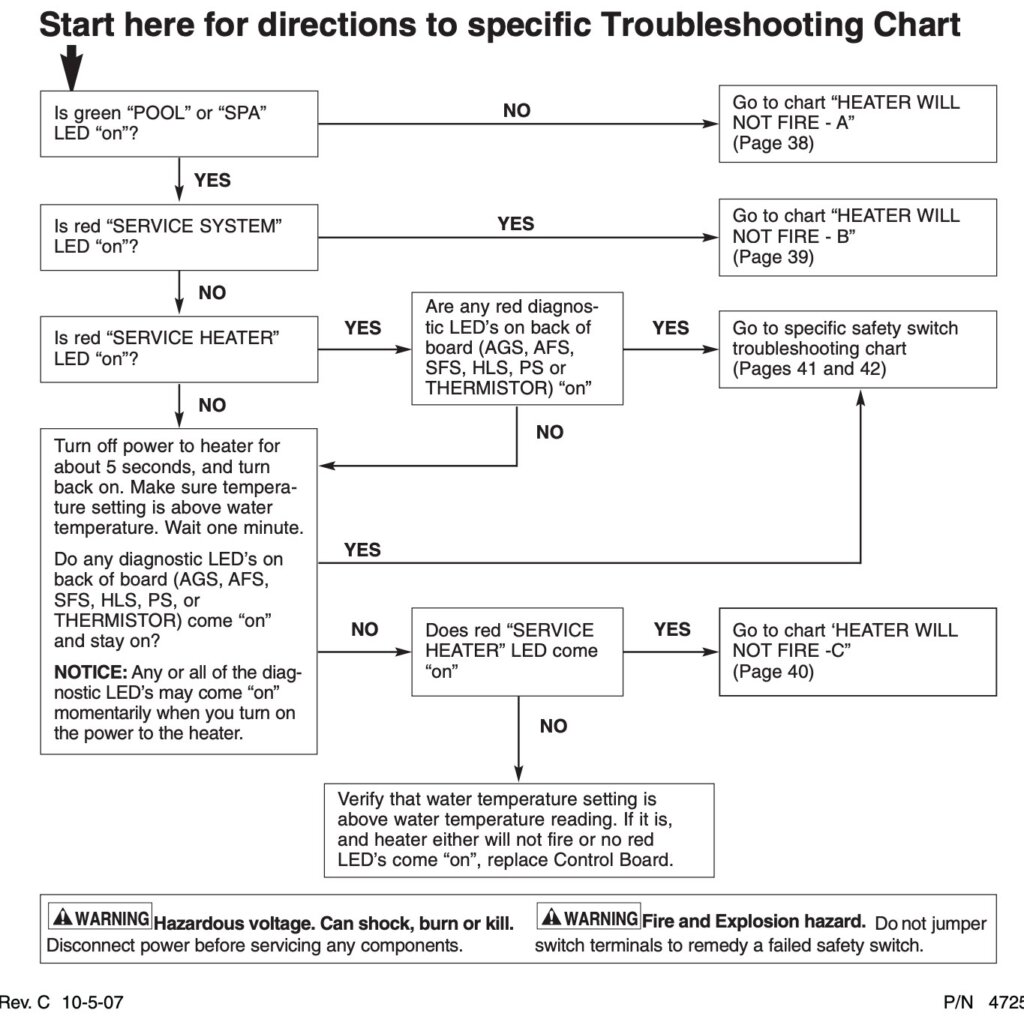
4. Look For Error Codes Or Indicator Lights
Many modern heaters display error codes or have indicator lights. Check your manual for what these codes mean.
5. Check For Obvious Damage
Look for broken wires, loose connections, rust, or debris around the heater.
If you’re comfortable and the basic checks don’t solve the problem, move on to more specific troubleshooting based on your heater type.
Troubleshooting Gas Pool Heaters
Gas heaters have several unique issues. Below are the most common problems and how to address them.
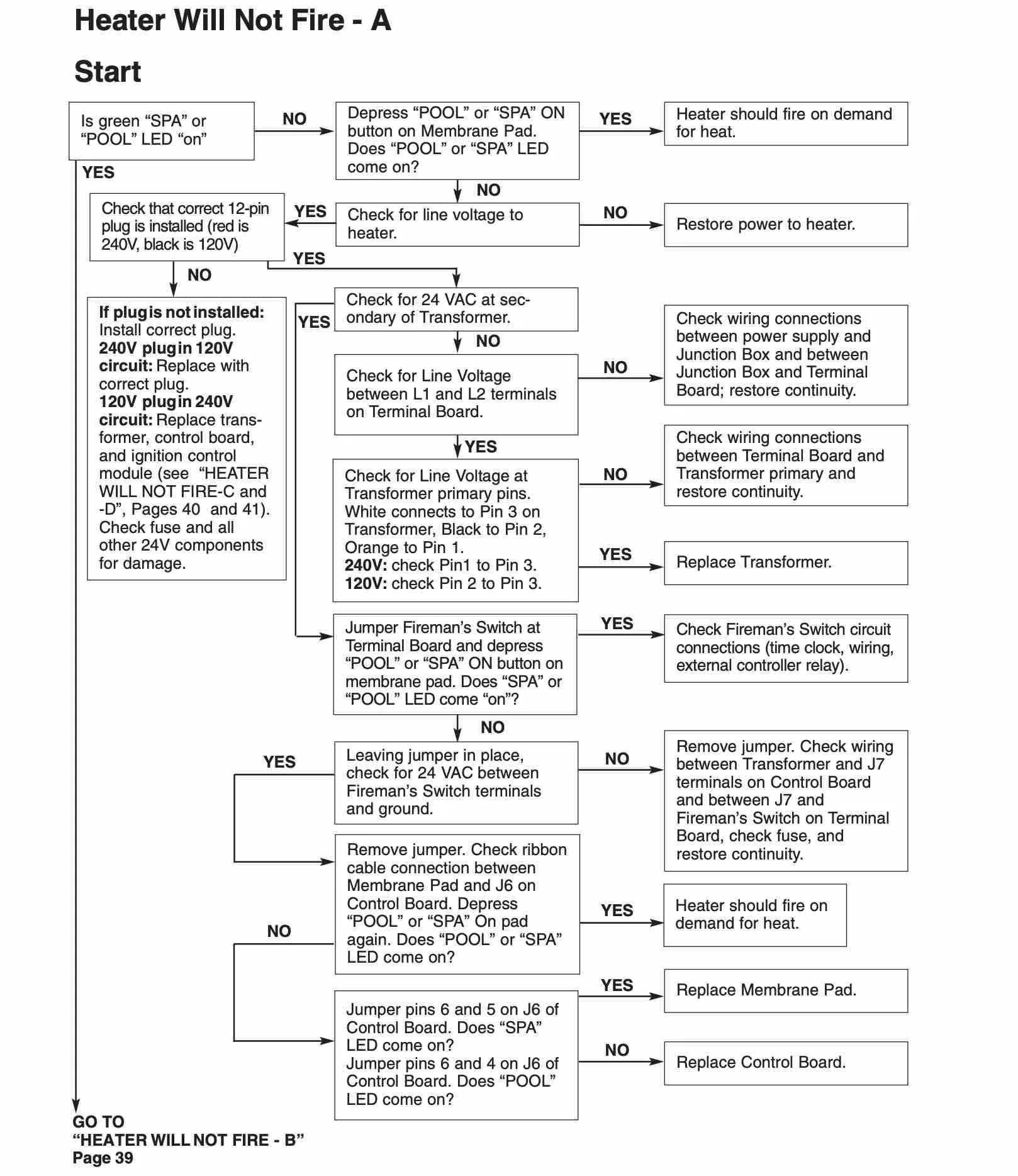
Heater Won’t Ignite Or Turn On
This is often caused by a lack of power, a closed gas valve, or a safety switch.
- Power supply: Confirm the heater is plugged in, and the breaker or fuse is working.
- Gas supply: Make sure the gas valve is fully open. You should smell gas near the heater when the valve is open (but never try to light it manually if you do).
- Pilot light: Some older heaters have a pilot light. If it’s out, follow the manufacturer’s instructions to relight it safely.
- Pressure switch: If the water flow is too low, the heater won’t turn on. Check for clogged filters or low pool water.
Heater Turns On But Shuts Off Quickly
This issue is often related to safety features or sensor problems.
- High-limit switch: This switch shuts off the heater if it gets too hot. If it’s faulty, the heater may turn off too soon.
- Thermostat sensor: If the sensor is loose or dirty, it can send wrong signals to the control board.
- Blocked vent: Birds, leaves, or insects can clog the exhaust vent, causing the heater to shut down.
Water Not Heating Up Enough
If your heater runs but the water stays cold:
- Incorrect thermostat setting: Double-check your settings.
- Heat exchanger scale: Minerals can build up in the heat exchanger, reducing efficiency. This is common in areas with hard water.
- Gas supply: Low gas pressure means less heat. Contact your gas provider if you suspect supply issues.
Unusual Noises Or Smells
- Rattling: May mean loose parts or debris inside the heater.
- Banging: Could indicate delayed ignition or a blocked burner.
- Sulfur or burning smell: Shut off the heater and call a professional immediately. This could be a gas leak or electrical problem.
Troubleshooting Heat Pump Pool Heaters
Heat pumps are reliable, but they have their own set of possible failures.
Heat Pump Won’t Turn On
- Power issues: Check the main power supply, breakers, and wiring.
- Low ambient temperature: Most heat pumps won’t work well if the outside temperature is below 50°F (10°C).
- Flow switch: Like gas heaters, heat pumps need good water flow. Clean your filter and check for obstructions.
Runs But Doesn’t Heat
- Low refrigerant: Heat pumps use refrigerant, similar to air conditioners. If it leaks, efficiency drops.
- Dirty evaporator coils: Dirt and leaves can block air flow through the coils.
- Faulty compressor: If the compressor fails, the unit can’t transfer heat.
Frequent Cycling (turns On And Off Repeatedly)
- Oversized heater: An oversized unit may heat the water too fast, then shut off.
- Thermostat issues: The thermostat may be misreading the water temperature.
- Water flow: Check for flow issues again, as low flow can cause cycling.
Strange Noises
- Vibration: May be due to loose panels or mounting.
- Whining: Often points to a failing fan motor or compressor.

Troubleshooting Solar Pool Heaters
Solar heaters are simple but depend on weather and pool plumbing.
Water Not Getting Warm
- Insufficient sun: Solar panels need direct sunlight for several hours each day.
- Dirty panels: Leaves, dirt, or bird droppings reduce efficiency.
- Panel leaks: Look for water around the panels or on the roof.
- Bypass valve setting: Make sure the water is actually flowing through the solar panels.
Low Water Flow
- Pump problems: If your pool pump is weak, water may not reach the panels.
- Clogged pipes: Debris in the system can reduce flow.
Panels Making Noise
- Air in system: Gurgling or hissing means air is trapped. Bleed the air from the system by opening air relief valves.
- Loose mounting: Panels may vibrate in wind if not secured.
Diagnosing Error Codes And Display Messages
Many modern heaters have digital displays that show error codes. These codes make troubleshooting easier, but only if you know what they mean. Always check your heater’s manual, but here are some common codes and their likely causes:
| Error Code | Possible Cause | Action |
|---|---|---|
| LO | Low Water Flow | Clean filter, check pump |
| HS | High Temperature | Check thermostat, sensors |
| IF | Ignition Failure | Check gas supply, pilot light |
| FS | Flow Switch Error | Inspect water flow, switches |
| ER | General Error | Reset or call technician |
If you see a code not listed here, search your heater’s brand and model online or check the user manual.
Preventing Pool Heater Problems
Regular maintenance is the best way to avoid sudden breakdowns. Pool heaters last longer and perform better with a little care. Here’s what you should do:
- Clean filters regularly: Dirty filters reduce water flow and strain your heater.
- Check for leaks: Inspect pipes, valves, and connections for drips.
- Flush the heater: At least once a year, flush out debris and mineral scale from the heat exchanger.
- Remove debris: Keep leaves, insects, and dirt away from vents and panels.
- Schedule annual service: A professional can spot wear and tear you might miss.
Non-obvious tip: For gas heaters, check the area around the venting for animal nests, especially in spring and fall. Birds and rodents are drawn to the warmth and can block airflow.
Another insight: If your pool uses a saltwater system, scale buildup in the heater can happen more quickly. Use a scale inhibitor in your pool water to slow this process.
When To Call A Professional
Some heater problems are best left to certified technicians:
- Gas leaks: If you smell gas, turn off the heater and leave the area immediately.
- Electrical issues: Exposed wires, burning smells, or repeated breaker trips need expert attention.
- Refrigerant leaks: Heat pumps with low refrigerant require special handling.
- Internal corrosion or major leaks: These can mean it’s time for a major repair or replacement.
If your heater is over 10 years old and repairs are frequent or expensive, replacing it with a newer, more efficient model might save money in the long run.
Common Mistakes In Pool Heater Troubleshooting
Even experienced pool owners sometimes make errors when trying to fix their heaters. Here are mistakes to avoid:
- Ignoring water flow: Many heating issues come from low or blocked water flow, not the heater itself.
- Skipping the manual: The owner’s manual often has troubleshooting charts specific to your model.
- Resetting too often: Constantly resetting your heater can hide a bigger problem.
- Using the wrong replacement parts: Always use parts designed for your heater’s brand and model.
- Not checking weather conditions: Heat pumps and solar heaters depend on outside temperature and sunlight.
Pool Heater Troubleshooting Examples
Let’s look at two real-world scenarios to see troubleshooting in action.
Example 1: Gas Heater Not Heating
A pool owner finds their gas heater turns on, but the water never gets warm. They check:
- Thermostat: Set correctly
- Water flow: Filter is dirty; after cleaning, flow improves
- Gas supply: Valve is open, but still no heat
The owner inspects the heat exchanger and finds a thick layer of scale. After flushing the heater and using a descaling solution, the heater works again.
Example 2: Heat Pump Keeps Shutting Off
A heat pump pool heater is turning on and off every few minutes. The owner checks:
- Error codes: “LO” for low water flow
- Filter: Recently cleaned
- Pump: Running well
They find the water level in the pool is below the skimmer. After adding water, the heater runs smoothly without shutting off.
Cost Of Pool Heater Repairs
Repair costs vary by problem and heater type. Here’s a general idea:
- Cleaning or flushing heat exchanger: $100–$300
- Replacing a thermostat: $75–$200
- Fan motor replacement (heat pump): $200–$500
- Gas valve repair: $150–$400
- Professional diagnostic visit: $80–$150
Tip: Many repair companies charge for a diagnostic visit but may credit that fee toward the repair if you hire them.
Pool Heater Maintenance Schedule
A good maintenance routine keeps your heater running longer and more efficiently. Here’s a suggested schedule:
| Maintenance Task | Frequency |
|---|---|
| Clean filter and skimmer baskets | Weekly |
| Check water level | Weekly |
| Inspect heater for debris | Monthly |
| Flush heat exchanger | Annually |
| Professional inspection | Annually |
Sticking to this routine will reduce breakdowns and energy costs.
Energy Saving Tips For Pool Heaters
Running a pool heater can get expensive, especially if you use it often. Here are ways to cut costs without sacrificing comfort:
- Use a pool cover: Most heat loss happens at the surface. A cover can reduce energy use by up to 50–70%.
- Heat only when needed: Set your heater on a timer or only run it before planned swims.
- Lower the thermostat: Every degree lower saves energy.
- Upgrade to a high-efficiency model: Modern heaters use less energy for the same heat.
For more on pool heater efficiency, check resources like Energy.gov.
Frequently Asked Questions
Why Does My Pool Heater Keep Shutting Off?
Heaters often shut off due to low water flow, dirty filters, faulty sensors, or safety switches. Always check water flow and thermostat settings first.
Can I Use My Pool Heater During Winter?
Gas heaters can run in cold weather, but heat pumps and solar heaters may not work well below 50°F (10°C). Check your model’s specifications for minimum operating temperature.
How Long Should A Pool Heater Last?
With proper maintenance, gas heaters last about 7–12 years, heat pumps 10–15 years, and solar heaters 10–20 years. Regular servicing extends heater life.
Is It Safe To Repair A Pool Heater Myself?
You can perform basic troubleshooting like cleaning filters and checking water flow. For gas, electrical, or refrigerant issues, always call a professional to avoid injury or damage.
What Size Heater Does My Pool Need?
Heater size depends on pool volume, desired temperature, and climate. A pool professional can calculate the ideal BTU rating for your setup.
A well-maintained pool heater means more time enjoying your pool and less time worrying about repairs. By following these troubleshooting tips and staying proactive with maintenance, you’ll keep your pool warm, comfortable, and ready for fun all season long.

