

York Heater Troubleshooting: A Complete Guide
When your York heater stops working properly, life can quickly get uncomfortable. Cold rooms, strange noises, or higher energy bills are signs something is wrong. But before you call a technician, you can often solve many issues yourself. This guide helps you troubleshoot your York heater, step by step, using clear language and practical advice. If you’re a homeowner or caretaker, you’ll find simple explanations, real examples, and expert tips. By the end, you’ll understand how your heater works, common problems, and how to fix or prevent them. Let’s get started.
Understanding Your York Heater
York is a well-known brand for furnaces and heat pumps. Most York heaters use natural gas, electricity, or oil. They heat air and send it through ducts into your rooms. Some models are more advanced, but most share similar parts:

36% off Today’s Exclusive Deals
Limited-time Exclusive Deals. Check current discount on Amazon.
Check Price on Amazon As an Amazon Associate I earn from qualifying purchases.- Thermostat: Controls the temperature
- Burner: Heats air (gas or oil models)
- Blower: Moves air through the ducts
- Ignition system: Starts the burner
- Filters: Remove dust and dirt from the air
- Heat exchanger: Transfers heat safely
Knowing these parts helps you find problems faster. If you’re not sure about your model, check the label inside the heater cabinet.
First Steps: Safety And Preparation
Before you touch anything, always think about safety.
- Turn off power: Find the switch or breaker for the heater. Turn it off before opening panels.
- Turn off gas: For gas models, switch off the gas valve.
- Wait for cooling: The inside parts can be hot. Wait a few minutes before checking.
- Read your manual: Each York heater model is a bit different. The manual shows where things are and how to open panels.
Tip: If you smell gas or see sparks, stop and call a professional. Some issues are dangerous and need expert help.

Diagnosing Common York Heater Problems
York heaters are reliable, but problems can still happen. Here are the most common issues and what to check.
1. Heater Not Turning On
When your York heater won’t start, it’s often a simple issue.
- Check thermostat settings: Is it set to “heat”? Is the temperature above room temperature?
- Check power supply: Is the breaker on? Are batteries in the thermostat working?
- Check door panels: Many York heaters have a safety switch. If the panel isn’t closed, the heater won’t start.
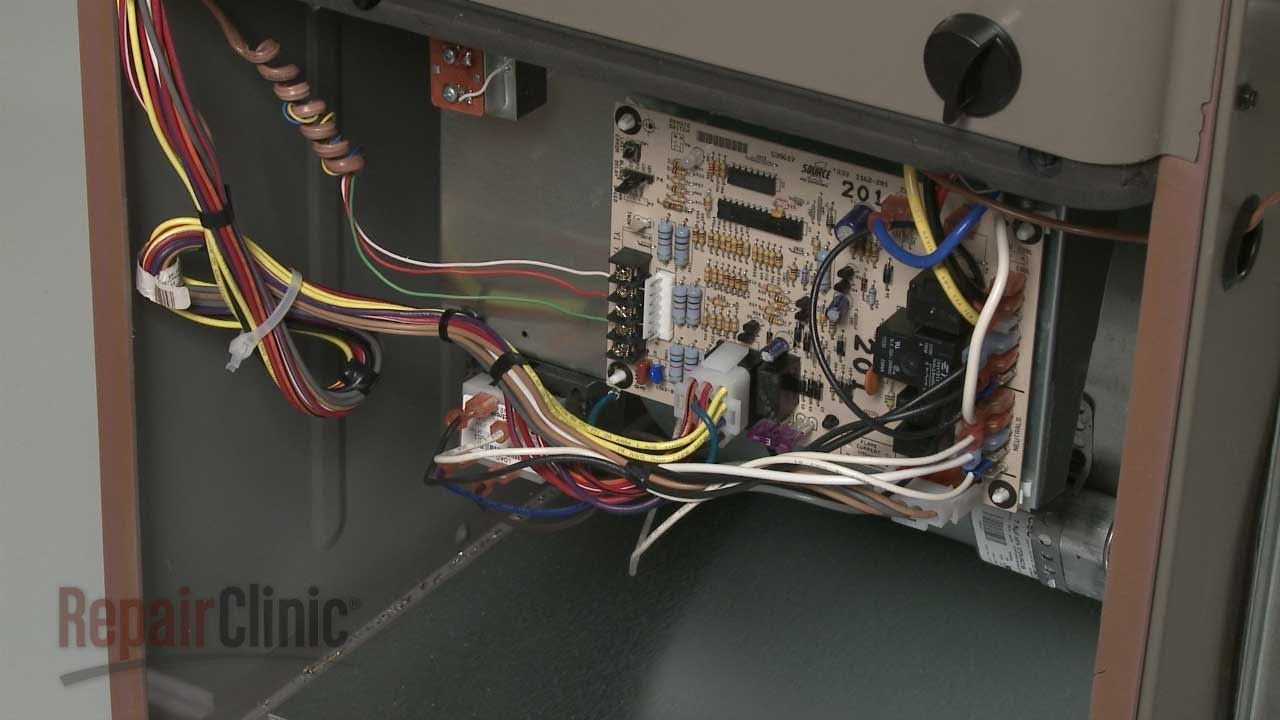
- Look for error codes: Newer York heaters have a small LED light. It flashes codes if something is wrong. The manual explains these codes.
Example: If the LED flashes three times, it might mean a pressure switch problem.
2. Heater Blows Cold Air
If your heater runs but the air is cold, something is blocking heat production.
- Dirty air filter: A clogged filter stops airflow, making the heater overheat and shut down.
- Pilot light issues: Older gas models use a pilot light. If it’s out, relight it as shown in the manual.
- Ignition problems: Newer models use electronic ignition. If it fails, the burner won’t light.
- Gas supply: Check if the gas valve is open.
3. Strange Noises
Noises can mean mechanical problems.
- Banging: Often caused by expanding ducts or loose panels. Tighten screws and check for gaps.
- Whistling: Usually a dirty filter or blocked vent.
- Squealing: The blower motor belt may be loose or worn.
4. Heater Turns On And Off Quickly
This is called short cycling. It wastes energy and can damage the heater.
- Dirty filter: Replace the filter.
- Thermostat placement: If it’s near a vent, it senses warm air and shuts off early.
- Faulty flame sensor: The sensor checks if the burner is on. If dirty, it shuts off the heater.
5. Burning Smells
A burning smell often means dust is burning off. If it continues, check:
- Dirty air filter: Replace it.
- Overheated motor: The blower motor may be failing.
- Electrical problems: If you smell burning plastic, turn off the heater and call a professional.
York Heater Error Codes Explained
Many York heaters have a diagnostic LED light. This helps you find problems faster. Here’s a quick guide:
| Error Code (LED Flashes) | Possible Cause | Action |
|---|---|---|
| 2 flashes | Pressure switch stuck open | Check venting and switch wiring |
| 3 flashes | Limit switch open | Replace air filter, check airflow |
| 4 flashes | Ignition failure | Check igniter, gas supply |
| 5 flashes | Flame sensor failure | Clean or replace sensor |
Always use your model’s manual for exact codes. This table covers the most common ones.
Step-by-step Troubleshooting Guide
Let’s look at how to solve each problem yourself, using simple steps. If you’re unsure, always call a professional.
Checking The Thermostat
- Set the thermostat to “heat”
- Raise the temperature 5°F above room temperature
- If nothing happens, change batteries or check wiring
Non-obvious tip: Some smart thermostats need Wi-Fi to work fully. If your network is down, basic controls may still work, but advanced scheduling won’t.
Inspecting The Air Filter
- Find the filter (usually near the blower)
- Slide it out and check for dirt
- Replace with the same size and type
Filter sizes: Common sizes are 16x25x1, 20x25x1, and 14x20x1 inches. Check your manual for the right size.
Resetting The Heater
- Turn off power at the breaker
- Wait 30 seconds
- Turn power back on
This resets many York models after minor faults.
Relighting The Pilot (older Models)
- Turn the gas knob to “off” and wait 5 minutes
- Turn to “pilot” and hold down the button
- Use a lighter or match to light the pilot
- Hold the button for 30 seconds, then release
Cleaning The Flame Sensor
- Turn off power and gas
- Remove the sensor (usually a thin metal rod)
- Clean gently with fine sandpaper
- Reinstall and turn power/gas back on
Non-obvious insight: Even a small layer of dirt can stop the sensor from working. Clean it every season.
Checking The Blower Motor
- Listen for squealing or grinding noises
- Open the panel and inspect the belt
- If the belt is cracked or loose, replace it
- If the motor is hot or smells burned, call a technician
Checking Vents And Ducts
- Walk around your home and check vent openings
- Remove any blockages (furniture, curtains)
- Look for visible dust or debris
Blocked vents make your heater work harder and can cause shutdowns.
York Heater Maintenance Tips
Preventing problems is easier than fixing them. Regular maintenance keeps your York heater running well and saves money.
- Change air filter every 1-3 months: Clean air means better performance.
- Check thermostat batteries: Replace them once a year.
- Inspect flue and vent pipes: Make sure they’re clear and free of rust.
- Clean the flame sensor: Once a year is enough for most homes.
- Schedule yearly professional inspection: Experts check for hidden issues.
Data point: According to the US Department of Energy, regular maintenance can improve heater efficiency by up to 20%.
Comparing York Heater Models
If you’re considering replacing your York heater or want to know how yours stacks up, here’s a quick comparison of common York models.
| Model | Fuel Type | Efficiency (%) | Features |
|---|---|---|---|
| York Affinity | Gas | Up to 98 | Variable speed, Wi-Fi compatible |
| York LX Series | Gas | Up to 96 | Single-stage, compact design |
| York TM9V | Gas | Up to 96 | Two-stage, quiet operation |
| York YH2E | Electric | Up to 14 SEER | Heat pump, energy efficient |
Tip: The higher the efficiency, the lower your energy bills. If your heater is older than 15 years, consider upgrading.
When To Call A Professional
Some York heater problems are too complex or dangerous for DIY fixes. Call a qualified technician if:
- You smell gas or see sparks
- The heater keeps shutting down
- You see water leaks near the unit
- There are electrical issues (breaker trips, burning smell)
- Error codes don’t clear after resets
Example: If your heater is flashing four LED codes and won’t start, a technician can check the igniter and gas valve safely.

Troubleshooting York Heat Pumps
York also makes heat pumps. They work differently than furnaces, using electricity to move heat. Common issues are:
- Unit won’t start: Check thermostat and power
- Not heating enough: Clean outdoor coils, check refrigerant
- Strange noises: Loose parts or low refrigerant
Heat pumps need special tools for repairs. If simple steps don’t solve the problem, call an expert.
York Heater Replacement Parts: What Matters
If you need to replace parts, use genuine York parts for best performance. Common parts:
- Air filters: Buy the right size and type
- Flame sensor: Check model number
- Blower motor belt: Match length and width
- Igniter: Exact part numbers matter
Here’s a comparison of typical replacement costs for York heater parts:
| Part | Approximate Cost ($) | DIY Friendly? |
|---|---|---|
| Air filter | 10–25 | Yes |
| Flame sensor | 15–35 | Yes |
| Blower motor belt | 20–40 | Yes |
| Igniter | 40–80 | No (needs careful install) |
| Blower motor | 150–400 | No (complex repair) |
Non-obvious insight: Always turn off power and gas before replacing any part. Some repairs, like igniter or blower motor, need special training.
Common Mistakes In York Heater Troubleshooting
Even experienced users make mistakes. Avoid these:
- Ignoring the air filter: It’s the most common cause of problems.
- Skipping the manual: Each heater is slightly different.
- Moving the thermostat too often: Heaters need time to respond.
- Not checking vents: Blocked vents can cause shutdowns.
- Trying to fix electrical problems yourself: Always call a pro.
Data point: Over 60% of service calls are for issues homeowners could solve themselves with basic checks.
Improving Efficiency And Comfort
Your York heater’s efficiency depends on good maintenance and proper setup. Here are easy ways to improve comfort and save money:
- Seal windows and doors: Prevent heat loss.
- Use a programmable thermostat: Set lower temperatures at night.
- Clean ducts every few years: Dust buildup lowers airflow.
- Add insulation: Keeps rooms warmer, reduces heater workload.
Example: Sealing a single window can save up to 10% on heating costs.
Real-world Example: Solving A York Heater Shutdown
Let’s walk through a common case. Maria’s York heater kept shutting down after a few minutes. She followed these steps:
- Checked the thermostat – settings were correct.
- Inspected the air filter – it was dirty and clogged.
- Replaced the filter – heater ran longer but still shut off.
- Noticed an error code – three LED flashes.
- Checked vents – found a blocked vent in the living room.
- Cleared the vent – heater worked normally.
Insight: Sometimes, multiple small problems combine to cause shutdowns. Always check both the filter and vents.
York Heater Troubleshooting For Non-native Speakers
If English is not your first language, York manuals can be hard to read. Here’s how to make troubleshooting easier:
- Use simple words: “Check” means look at something, “Replace” means put in a new part.
- Watch video tutorials: YouTube has step-by-step guides for York heaters.
- Ask for help: Local HVAC technicians often speak other languages.
Tip: Take pictures of your heater parts before removing anything. This helps you remember how to put them back.
Additional Resources
If you need more detailed information, visit the official York website. Manuals, parts lists, and troubleshooting guides are available. For broader heating advice, the US Department of Energy is a trusted source: US Department of Energy.
Frequently Asked Questions
What Does It Mean If My York Heater’s Led Is Flashing?
The flashing LED is a diagnostic code. Each pattern means a different problem. Check your manual for details. Common codes are for pressure switch, limit switch, ignition, or flame sensor issues.
How Often Should I Change My York Heater’s Air Filter?
Change your air filter every 1–3 months. If you have pets or allergies, change it more often. A clean filter improves airflow and efficiency.
Can I Troubleshoot My York Heater If I Don’t Speak English Well?
Yes. Use simple words, watch video guides, and ask for help. Pictures and diagrams in the manual can help you understand steps.
Is It Safe To Fix My York Heater Myself?
You can do basic troubleshooting (filter, thermostat, vents). For gas, electrical, or mechanical problems, call a professional. Safety comes first.
What Is The Average Lifespan Of A York Heater?
Most York heaters last 15–20 years with good maintenance. If yours is older and has frequent problems, consider replacing it with a newer, more efficient model.
Keeping your York heater working well saves money, improves comfort, and prevents stress. With the steps and advice in this guide, you can solve most problems yourself. Remember, safety is most important. For complex issues, call a qualified technician. With regular maintenance and smart troubleshooting, your York heater will keep your home warm for many years.

