

Gas Water Heater Troubleshooting: Complete Guide For Homeowners
Gas water heaters are common in homes around the world. They offer fast, reliable hot water for showers, washing dishes, and laundry. But like any appliance, problems can happen. Sometimes the water is not hot enough. Other times, you might hear strange noises or smell gas.
Fixing these issues can save money and prevent bigger problems later.

36% off Today’s Exclusive Deals
Limited-time Exclusive Deals. Check current discount on Amazon.
Check Price on Amazon As an Amazon Associate I earn from qualifying purchases.Understanding how gas water heaters work helps you spot problems early. A gas water heater uses natural gas or propane to heat water. It has a tank, burner, thermostat, and pipes. Each part must work together for hot water to flow smoothly.
If just one part fails, your daily routine can be disrupted.
This guide will help you find and fix the most common gas water heater problems. You will learn practical steps, safety tips, and when to call a professional. We will also show easy-to-read tables comparing causes, fixes, and costs. Whether you are new to home repairs or want to improve your skills, this guide will make troubleshooting less stressful.
How Gas Water Heaters Work
Gas water heaters use a burner to heat water stored in a tank. When you turn on the hot water tap, cold water enters the tank, and the burner heats it. A thermostat controls the temperature. The pilot light or electronic igniter starts the burner. Hot water rises to the top of the tank and leaves through pipes.
The main parts are:
- Tank: Stores water, usually 30–50 gallons.
- Burner: Heats water using gas.
- Thermostat: Sets and monitors water temperature.
- Pilot light/Igniter: Starts the burner.
- Flue: Removes exhaust gases.
- Dip tube: Guides cold water to the tank’s bottom.
- Pressure relief valve: Prevents tank explosions.
- Drain valve: Removes sediment.
Knowing these parts helps you understand what can go wrong. For example, if the burner fails, water stays cold. If the thermostat is broken, water can be too hot or too cold.
Common Problems And Symptoms
Gas water heaters can show several warning signs. Below are the most common issues homeowners face:
1. No Hot Water
Water stays cold even after waiting.
2. Not Enough Hot Water
Water gets hot but runs out quickly.
3. Water Too Hot
Scalding water from taps.
4. Pilot Light Won’t Stay Lit
The flame goes out or won’t ignite.
5. Strange Noises
Rumbling, popping, or hissing sounds.
6. Leaking Water
Water pools around the heater.
7. Low Water Pressure
Hot water flows weakly.
8. Smell Of Gas
Odor near the heater.
9. Rusty Or Discolored Water
Water from hot tap looks brown or yellow.
10. Error Codes
Digital heaters display codes.
Each symptom points to specific causes. Some are simple to fix. Others require expert help. Let’s explore each issue and how to troubleshoot it.
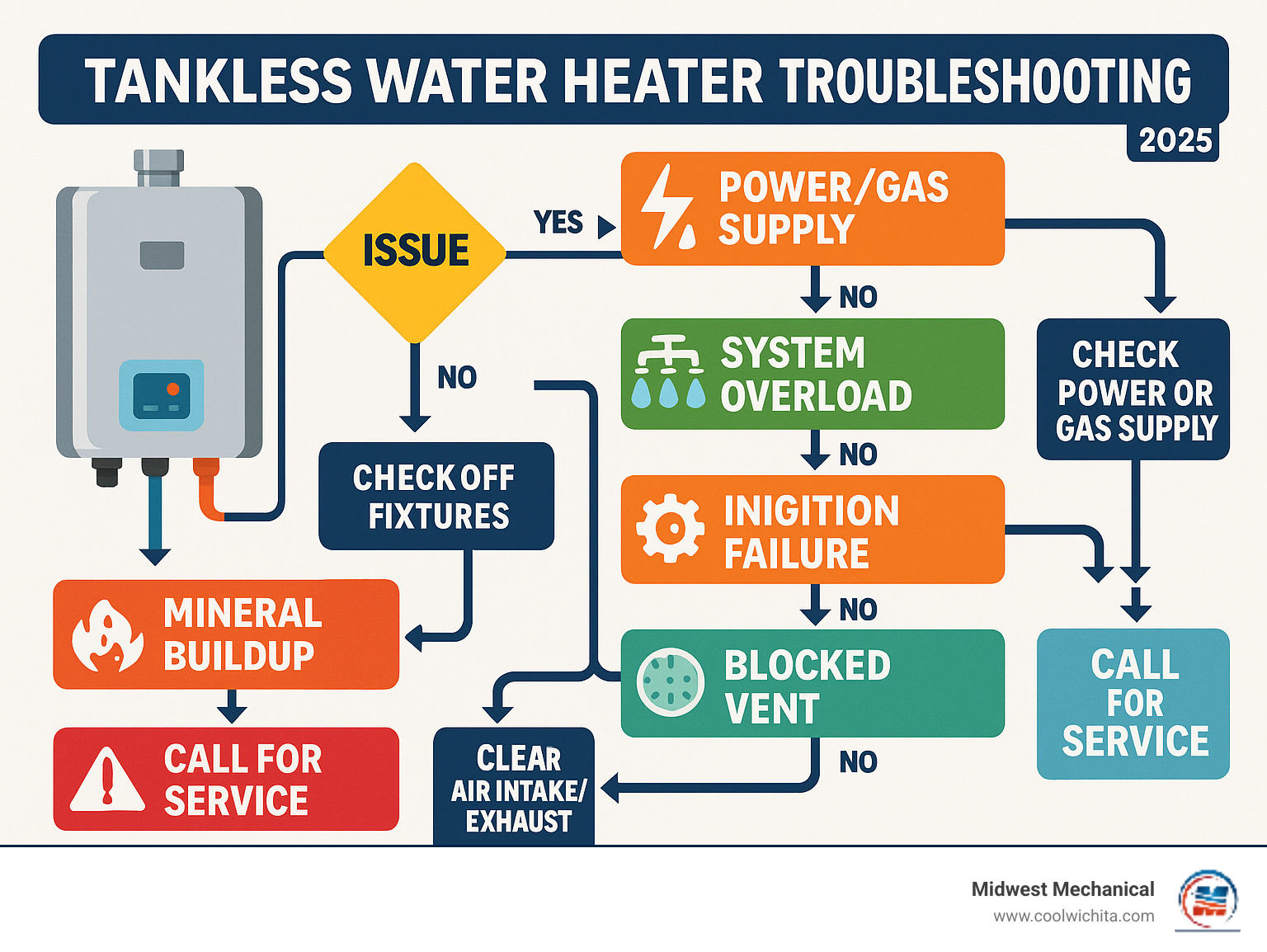
Diagnosing And Fixing Gas Water Heater Issues
No Hot Water
If you get no hot water, check these steps:
- Is the gas supply on?
- Is the pilot light lit?
- Is the thermostat set correctly?
- Do you see any error codes?
If the pilot light is out, relight it following the instructions on the heater. If it won’t stay lit, the thermocouple may be faulty. If the gas supply is off, open the valve. If the thermostat is broken, replace it.
Not Enough Hot Water
If you run out of hot water quickly, possible causes include:
- Sediment buildup in the tank
- Thermostat set too low
- Dip tube damaged
Sediment builds up at the bottom of the tank and reduces heating efficiency. Drain the tank to remove sediment. Raise the thermostat setting if water is too cool. If the dip tube is broken, replace it.
Water Too Hot
If water is scalding:
- Check the thermostat setting. It should be 120°F–140°F.
- If the thermostat is broken, replace it.
- Check for faulty temperature sensors.
Never set the thermostat above 140°F. High temperatures can cause burns.
Pilot Light Issues
If the pilot light keeps going out:
- The thermocouple may be dirty or faulty.
- The pilot tube could be clogged.
- Gas pressure may be too low.
Clean or replace the thermocouple. Clear the pilot tube with compressed air. If gas pressure is too low, call your gas supplier.
Strange Noises
Common noises include:
- Rumbling: Sediment at the tank bottom.
- Popping: Air bubbles trapped in sediment.
- Hissing: Water leaking onto hot surfaces.
Drain and flush the tank to remove sediment. If noises continue, call a professional.
Leaking Water
Leaks can come from:
- Pressure relief valve
- Tank seam
- Pipe connections
Inspect all valves and pipes. Tighten loose connections. If the tank itself leaks, you need a new heater.
Low Water Pressure
Low pressure may be caused by:
- Sediment in pipes
- Blocked valve
- Corroded pipes
Flush the tank and pipes. Replace corroded pipes if needed.
Smell Of Gas
A gas smell near the heater is serious. Turn off the heater, open windows, and leave the area. Call your gas company or emergency services.
Rusty Or Discolored Water
Rusty water is often caused by:
- Corroded tank
- Old anode rod
Replace the anode rod. If the tank is rusted, install a new heater.
Error Codes
Digital gas heaters show codes for:
- Ignition failure
- Thermostat error
- Sensor issues
Check the manual for code meanings. Reset the heater or call a technician.
Troubleshooting Steps For Homeowners
Here is a step-by-step process to fix most gas water heater problems:
1. Turn Off Power And Gas
Always start by shutting off gas and power for safety.
2. Check The Pilot Light
Relight it if needed. If it won’t stay lit, check the thermocouple.
3. Inspect Thermostat Settings
Adjust to 120°F–140°F.
4. Drain And Flush The Tank
Remove sediment to improve heating.
5. Check For Leaks
Inspect valves, pipes, and tank seams.
6. Look For Error Codes
Consult the manual for solutions.
7. Replace Faulty Parts
Thermocouple, thermostat, dip tube, or anode rod.
8. Test Water Pressure
If low, flush pipes or replace corroded sections.
9. Check Gas Supply
Ensure the valve is open and gas pressure is normal.
10. Call A Professional If Unsure
Some repairs are best left to experts.
Many problems can be solved with these steps. If you still have trouble, professional help is needed.
Comparing Causes And Solutions
The table below shows common problems, causes, and solutions:
| Problem | Likely Cause | Solution |
|---|---|---|
| No hot water | Pilot light out, gas off, thermostat faulty | Relight pilot, check gas, replace thermostat |
| Not enough hot water | Sediment, dip tube broken, thermostat low | Flush tank, replace dip tube, adjust thermostat |
| Water too hot | Thermostat set too high or broken | Lower thermostat, replace if faulty |
| Pilot won’t stay lit | Thermocouple, pilot tube clogged | Clean/replace thermocouple, clear tube |
| Noise | Sediment, air bubbles | Flush tank |
| Leaking water | Valve, tank, pipe | Tighten, replace, or call pro |
| Low water pressure | Sediment, corrosion | Flush, replace pipes |
| Gas smell | Leak | Turn off, call emergency |
| Rusty water | Anode rod, tank | Replace rod, install new tank |
| Error code | Ignition, sensor | Reset, check manual, call pro |
Safety Tips For Troubleshooting
Safety is critical when working with gas appliances. Always follow these rules:
- Turn off gas and power before repairs.
- Wear gloves and safety glasses.
- Never ignore the smell of gas.
- Keep children and pets away from the heater.
- Use tools properly and follow instructions.
- If unsure, call a professional.
Many accidents happen because people skip safety steps. Gas leaks can cause explosions. Hot water can scald skin. Always prioritize safety over speed.
When To Call A Professional
Some repairs require expert skills and tools. Call a licensed plumber or technician if:
- You see leaks from the tank itself.
- The pilot light will not stay lit after cleaning.
- You smell gas or suspect a leak.
- Error codes persist after resets.
- You hear loud or unusual noises.
Professional help can save time and prevent injury. Skilled technicians have special equipment for testing gas pressure and tank integrity. They can also install new heaters safely and quickly.
Preventive Maintenance Tips
Regular maintenance extends the life of your gas water heater. Here are simple ways to keep your heater working well:
1. Flush The Tank Every 6–12 Months
Removes sediment and improves heating.
2. Check The Anode Rod Every Year
Replace if less than 1/2 inch thick.
3. Inspect Valves And Pipes Monthly
Look for leaks or corrosion.
4. Test The Pressure Relief Valve
Lift the lever; water should flow out.
5. Clean The Burner And Pilot Light
Use compressed air or a brush.
6. Keep The Area Around The Heater Clear
No flammable items nearby.
7. Set Thermostat To 120°f–140°f
Saves energy and prevents scalding.
These steps reduce the risk of breakdowns and keep water hot and safe. Neglecting maintenance can lead to expensive repairs or early replacement.
Cost Comparison: Diy Vs Professional Repairs
Fixing your gas water heater can be affordable if you do it yourself. But some jobs need expert help. Here’s a cost comparison:
| Repair Type | DIY Cost | Professional Cost | Difficulty |
|---|---|---|---|
| Pilot light relighting | $0 | $80-$150 | Easy |
| Thermocouple replacement | $10-$20 | $100-$200 | Medium |
| Tank flushing | $0 | $100-$200 | Easy |
| Anode rod replacement | $20-$40 | $100-$250 | Medium |
| Leak repair | $10-$50 | $150-$400 | Hard |
| Tank replacement | $400-$900 | $800-$2,000 | Hard |
DIY repairs are usually cheaper, but mistakes can cause bigger problems. If you are not confident, hiring a pro is wise.
Signs Your Water Heater Needs Replacement
Sometimes repairs are not enough. Here are signs you need a new gas water heater:
- The tank is leaking.
- The heater is over 10–15 years old.
- Rusty water continues after replacing the anode rod.
- Hot water runs out quickly, even after maintenance.
- Frequent repairs needed.
Modern heaters are more efficient and safer. Replacing your old unit can lower energy bills and improve comfort.

Energy Efficiency Tips
Gas water heaters use a lot of energy. Small changes can reduce costs:
- Set thermostat to 120°F.
- Insulate hot water pipes.
- Fix leaks quickly.
- Upgrade to an ENERGY STAR heater.
- Use hot water only when needed.
Studies show that lowering the thermostat to 120°F saves up to 5% on energy bills. Insulating pipes reduces heat loss. Modern heaters are up to 20% more efficient than old models.
Common Mistakes To Avoid
Beginners often make mistakes when fixing gas water heaters:
- Skipping safety steps
- Ignoring regular maintenance
- Setting thermostat too high
- Using wrong parts
- Not checking for leaks
- Not reading the manual
Avoiding these errors makes repairs safer and faster. Always double-check your work.
Expert Troubleshooting Insights
Some issues are less obvious but important:
- Short cycling: The burner turns on and off quickly. Caused by faulty thermostat or gas pressure.
- Backdrafting: Exhaust gases flow back into the home. Caused by blocked flue or poor ventilation.
- Slow recovery time: Water takes too long to reheat. Caused by sediment or aging heater.
If you notice these, investigate deeper. Short cycling wastes gas and can damage parts. Backdrafting is dangerous; fix ventilation right away. Slow recovery means your heater is aging.
Frequently Asked Questions
How Do I Relight The Pilot Light On My Gas Water Heater?
First, turn the gas knob to “pilot.” Hold it down and press the igniter or use a match. Keep holding for 30 seconds. If the flame stays lit, turn the knob to “on.” If it goes out, clean or replace the thermocouple.
Why Is My Gas Water Heater Making Rumbling Noises?
Rumbling noises are caused by sediment buildup at the bottom of the tank. Sediment traps air bubbles and makes noise as water heats. Drain and flush the tank to fix this.
Can I Adjust The Temperature On My Gas Water Heater?
Yes, you can adjust the thermostat. Most heaters have a dial near the bottom. Set it to 120°F–140°F. Lower temperatures save energy and prevent burns.
Is It Safe To Repair My Gas Water Heater Myself?
Simple repairs like relighting the pilot or flushing the tank are safe if you follow instructions. For leaks, gas smells, or electrical issues, call a professional. Safety first.
How Long Do Gas Water Heaters Usually Last?
Most gas water heaters last 10–15 years. If your heater is older or needs frequent repairs, consider replacing it. New models are more efficient and safer.
Gas water heater problems can be frustrating, but most can be solved with simple steps. Regular maintenance, smart troubleshooting, and safety are key. If you fix issues early, you will enjoy reliable hot water and save money.
For more detailed technical information, visit the US Department of Energy.
Remember, safety and knowledge are your best tools. If a problem seems too big or dangerous, call a professional. With care and attention, your gas water heater will keep working for years to come.


