

If you love traveling in your RV, you know how important hot water is. A reliable water heater makes your trips more comfortable. The Suburban Advantage RV tank water heater is one of the most popular choices for RV owners because it’s strong and dependable. But, like all appliances, it needs care if you want it to last. Let’s look at simple and effective ways to extend the life of your Suburban Advantage RV tank water heater. You’ll learn practical steps, smart habits, and expert tips that help your heater work well for years.
Understanding Your Suburban Advantage Rv Tank Water Heater
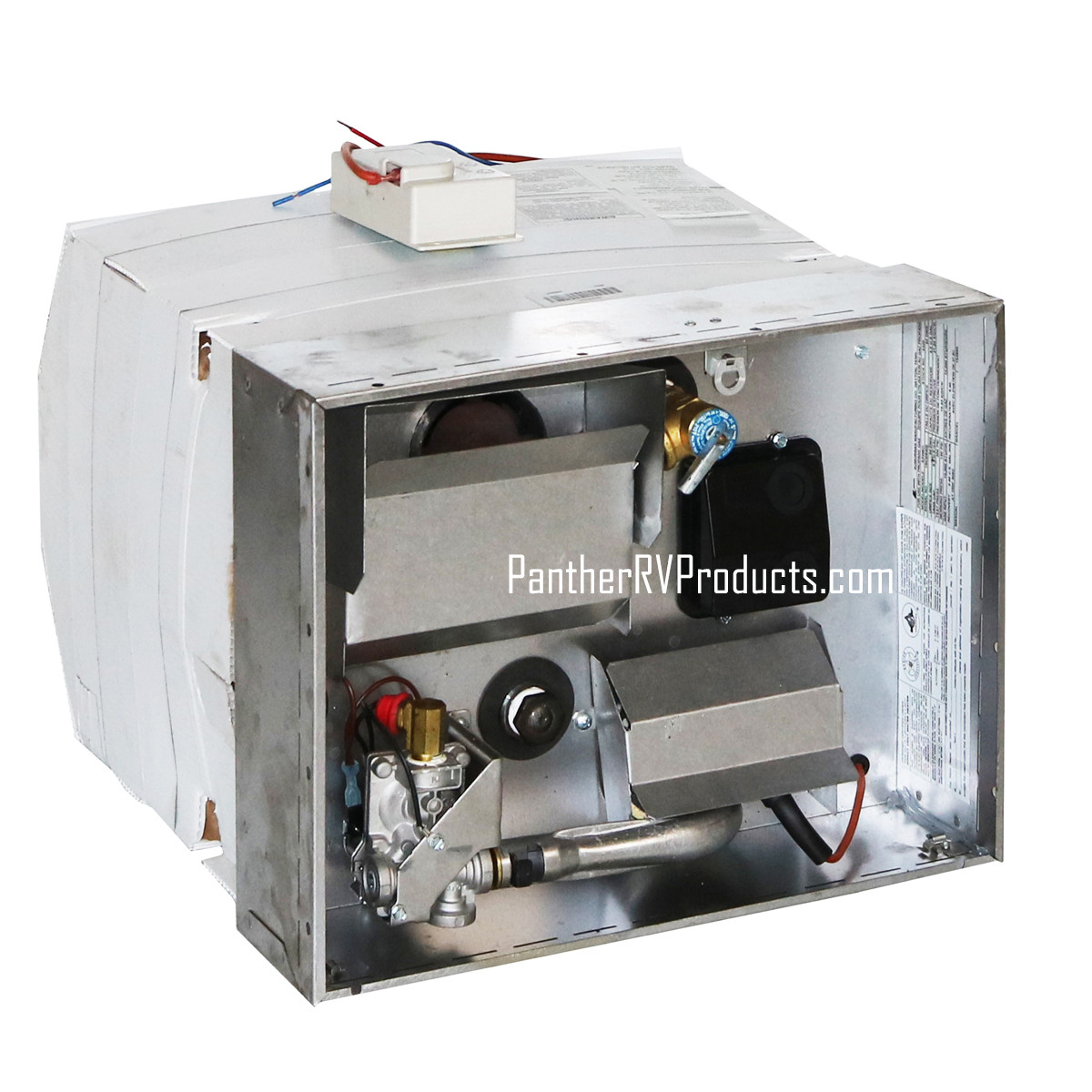
Before you start maintaining your water heater, it’s good to know how it works. The Suburban Advantage is a tank-style heater, usually holding 6, 10, or 12 gallons. It uses propane or electricity to heat water, and it has an anode rod inside to protect against corrosion.

36% off Today’s Exclusive Deals
Limited-time Exclusive Deals. Check current discount on Amazon.
Check Price on Amazon As an Amazon Associate I earn from qualifying purchases.Key parts include:
- Tank (holds hot water)
- Anode rod (prevents rust)
- Gas valve (controls propane flow)
- Heating element (for electric models)
- Pressure relief valve (keeps tank safe)
Why does this matter? If you understand these parts, you’ll spot problems early and know which maintenance steps are most important.
Regular Maintenance: The Secret To Long Life
Maintenance is the foundation of a long-lasting water heater. If you ignore your heater, it can fail quickly. But simple, regular care can add years to its life.
Flushing The Tank
Sediment builds up inside the tank, especially if you use hard water. This sediment blocks heat transfer and damages the tank.
How often? Every 6–12 months.
Steps:
- Turn off the heater and let water cool.
- Close water supply and release pressure.
- Remove the drain plug and let water flow out.
- Run fresh water through the tank until clear.
- Replace the drain plug and refill.
Inspecting And Replacing The Anode Rod
The anode rod attracts corrosive elements. It sacrifices itself to protect the tank. If the rod wears out, your tank starts to rust.
Check the rod every year. Replace it when it’s less than half its original size or coated in calcium.
Here’s a quick comparison of anode rod lifespan by water type:
| Water Type | Average Anode Rod Life |
|---|---|
| Soft Water | 18–24 months |
| Hard Water | 12–18 months |
| Very Hard Water | 6–12 months |
Checking Pressure Relief Valve
This valve prevents explosions. Test it twice a year:
- Pull up the lever. Water should flow out.
- If nothing happens, replace the valve.
Cleaning The Burner And Heating Element
Dust and debris can block burners or electric elements. Clean these parts every season. If you smell gas or see soot, clean immediately.
Inspecting For Leaks
Look for water under the heater and around connections. Small leaks can become big problems. Fix leaks fast to prevent rust and water damage.
Smart Usage Habits
How you use your water heater affects its lifespan. Small changes can make a big difference.
Don’t Run The Heater Dry
Never turn on the heater when the tank is empty. This can destroy the heating element or overheat the tank. Always fill the tank first.
Adjust Temperature Wisely
Set the thermostat between 120–130°F. Hotter water speeds up corrosion and uses more energy. Lower temperatures are safer and extend heater life.
Turn Off When Not In Use
If you’re parked for a week or more, turn off the heater. This saves energy and reduces wear.
Use Water Filters
Sediment and minerals shorten heater life. Install a water filter at the RV inlet. This keeps water clean and protects the tank.
Seasonal Protection: Preparing For Winter And Storage
Freezing weather is tough on RV water heaters. If you store your RV in cold climates, protect your heater from freeze damage.
Draining And Winterizing
Before winter, drain all water from the heater. Use RV antifreeze in plumbing lines (not in the heater tank). This prevents frozen pipes and cracked tanks.
Covering Vents
In winter, cover the heater’s exterior vents with a breathable cover. This keeps out bugs and debris but lets air circulate.
Troubleshooting Common Problems
Even with good care, problems can happen. Knowing how to spot and fix issues will save money and stress.
Slow Heating
If water heats slowly, check for:
- Sediment buildup
- Faulty heating element
- Low propane pressure
Flush the tank and test parts.
No Hot Water
If you get no hot water, check:
- Thermostat setting
- Gas valve
- Electric element
Replace broken parts as needed.
Strange Noises
Popping or rumbling sounds mean sediment inside. Flush the tank. If noise continues, check the anode rod.
Comparing Maintenance Vs. Replacement
Should you repair or replace your Suburban Advantage water heater? Let’s look at costs and benefits.
| Action | Average Cost | Benefits |
|---|---|---|
| Annual Maintenance | $40–$80/year | Longer lifespan, fewer breakdowns |
| Repair (minor) | $100–$250 | Restores function, cheaper than new |
| Replacement | $600–$900 | New warranty, updated features |
Maintenance is always cheaper than replacement. But if your heater is over 10 years old, replacement may be wise.
Expert Tips For Extending Lifespan
Some RV owners and technicians share clever tips that go beyond basic care.
- Use vinegar to clean the tank: After draining, pour vinegar inside and let it sit for a few hours. This dissolves stubborn mineral deposits.
- Install a digital thermostat: Digital controls let you fine-tune temperature and prevent overheating.
- Check for loose wires: Every few months, inspect electrical connections. Loose wires cause shorts and damage.
- Monitor water quality: Test water hardness with a simple kit. If your water is very hard, flush the tank more often.
Common Mistakes To Avoid
Many beginners accidentally damage their water heaters by making simple mistakes. Here are some to watch out for:
- Ignoring the anode rod: Skipping rod checks leads to rust and tank failure.
- Using the wrong pressure relief valve: Only use valves rated for your heater’s pressure.
- Letting sediment build up: Delaying tank flushes shortens heater life.
- Turning on heater with empty tank: Always fill before heating.
- Forgetting to winterize: Frozen tanks crack easily.

Data And Statistics: Why Maintenance Matters
A well-maintained RV water heater can last 8–12 years. Neglected heaters often fail in 3–5 years. Regular care cuts breakdowns by up to 70%. Most RV owners spend $50–$100/year on maintenance, but avoid $600+ replacement costs.
Here’s a quick look at maintenance frequency and impact:
| Task | Recommended Frequency | Impact on Lifespan |
|---|---|---|
| Tank Flush | 6–12 months | Reduces corrosion, keeps heating efficient |
| Anode Rod Inspection | 12 months | Prevents tank rust, adds 2–4 years |
| Pressure Relief Valve Test | 6 months | Prevents burst tank, keeps system safe |
| Heating Element Cleaning | 12 months | Improves heating speed, saves energy |
When To Call A Professional
Some repairs need expert help. If you notice any of these signs, call a certified RV technician:
- Persistent leaks
- Gas smell
- Electrical shorts
- Tank doesn’t heat after basic troubleshooting
Professionals have tools and experience to fix problems safely.

Frequently Asked Questions
How Often Should I Flush My Suburban Advantage Rv Water Heater?
For best results, flush your tank every 6–12 months. If you use hard water or see sediment, flush more often.
What Is The Anode Rod And Why Is It Important?
The anode rod is a metal stick inside the tank. It attracts minerals that cause rust. If you ignore it, your tank will rust and fail sooner.
Can I Use Regular Household Water Filters For My Rv?
Not always. Choose RV-specific water filters designed for high flow and sediment removal. Household filters may not handle RV water pressure.
Is It Safe To Use Vinegar To Clean My Water Heater?
Yes, vinegar is safe and effective. It removes mineral deposits without harming the tank. Always rinse well after cleaning.
What Should I Do If My Water Heater Leaks?
First, turn off the heater and water supply. Check connections. If leak continues, call a technician. Leaks can cause serious damage.
Taking care of your Suburban Advantage RV tank water heater isn’t difficult, but it does require attention and smart habits. If you follow these steps and tips, your heater will last longer, work better, and save you money. Remember, the secret is regular maintenance, careful usage, and quick action if problems appear. For more technical details and official guidance, visit the Suburban RV official website. Enjoy your RV adventures with reliable hot water, every trip.

