

A cold shower on a chilly morning is enough to ruin anyone’s day. When your water heater stops working, it’s easy to feel frustrated and confused. But in most cases, you can fix common water heater problems yourself. With a little guidance, you’ll learn to spot issues, understand possible causes, and decide if you need a professional.
This guide will help you troubleshoot your water heater, whether it’s electric, gas, or tankless, so you can get hot water flowing again.

36% off Today’s Exclusive Deals
Limited-time Exclusive Deals. Check current discount on Amazon.
Check Price on Amazon As an Amazon Associate I earn from qualifying purchases.Understanding Your Water Heater
Before you start troubleshooting, it’s important to know which type of water heater you have. The most common types are electric water heaters, gas water heaters, and tankless water heaters. Each has its own set of issues and solutions.
- Electric water heaters use heating elements powered by electricity.
- Gas water heaters rely on burners and pilot lights fueled by natural gas or propane.
- Tankless water heaters heat water on demand, without storing it in a tank.
Look for labels or manuals that came with your unit. If you’re unsure, check for a gas line or electric wires leading to the heater. Understanding the basics will save you time and prevent mistakes.
Common Water Heater Problems
Most water heater issues fall into a few categories. Here’s what homeowners encounter most often:
- No hot water
- Not enough hot water
- Water is too hot
- Strange noises
- Leaking water heater
- Discolored or smelly water
- Low water pressure
- Pilot light won’t stay lit (gas heaters)
- Error codes (tankless heaters)
Let’s look at each problem, what causes it, and how you can fix it.
No Hot Water
This is the most urgent issue. The solution depends on your heater type.
Electric Water Heater
If there’s no hot water, check the circuit breaker first. Sometimes, a surge can trip the breaker, cutting power to the heater. Flip it off and on again.
If power isn’t the issue, the heating elements could be faulty. You can test them using a multimeter. If you’re not comfortable with electrical work, call a professional.
Gas Water Heater
For gas units, check if the pilot light is lit. If not, you may need to relight it following the manufacturer’s instructions. If the pilot won’t stay lit, the thermocouple may be defective.
Gas supply issues are less common, but check that the gas valve is open. A blocked vent or flue can also prevent heating.
Tankless Water Heater
Tankless models sometimes display error codes. Look up the code in your manual or online. Common issues include blocked air filters or mineral build-up.
Not Enough Hot Water
If you’re getting lukewarm water or it runs out quickly, the tank might be too small for your needs. However, other causes are possible.
Electric Water Heater
Heating elements can fail partially, producing less heat. Sediment build-up at the bottom of the tank can also reduce efficiency. Flush your tank once a year to remove sediment.
Gas Water Heater
A weak burner flame or dirty burner can limit heating. Check for yellow flames (should be blue). Sediment build-up is also a factor.
Tankless Water Heater
These units have a maximum flow rate. If you run several taps at once, you may exceed the capacity. Consider upgrading or using fewer fixtures simultaneously.
Water Is Too Hot
If your water is scalding, check the thermostat setting.
- The recommended setting is 120°F (49°C). Higher temperatures increase energy use and risk burns.
- For electric heaters, adjust the thermostat on the side of the tank.
- For gas heaters, use the dial near the gas valve.
If the thermostat is set correctly but water remains too hot, it may be broken and need replacement.
Strange Noises
Water heaters often make popping, crackling, or rumbling sounds. Most noises are caused by sediment build-up. As water heats, trapped sediment moves around, making noise.
To fix this, flush the tank. If noises continue, the heating element may be covered in minerals and need cleaning or replacing.
Tankless heaters sometimes hum or click due to normal operation. If you hear loud banging, check for loose pipes.

Leaking Water Heater
A leak is a serious problem. It can damage floors and walls quickly.
Common causes include:
- Loose connections on pipes or valves
- Faulty temperature and pressure (T&P) valve
- Corroded tank
Check connections first. Tighten them if possible. If the T&P valve leaks, it may be faulty or the water pressure is too high. If water is coming from the base of the tank, the tank likely has internal corrosion and must be replaced.
Discolored Or Smelly Water
Brown, yellow, or foul-smelling water is unpleasant and may be unhealthy.
- Rusty water often means the anode rod is worn out. Replace it every 3-5 years.
- Rotten egg smell (sulfur) is caused by bacteria reacting with the anode rod. Flushing the tank and replacing the rod can help.
If only hot water is affected, the problem is in the heater. If both hot and cold water are discolored, your pipes may be corroded.
Low Water Pressure
Low pressure from hot taps is usually caused by sediment build-up in the tank or pipes. Tankless heaters can also develop scale inside the heat exchanger.
Flush the tank or descale the tankless unit. If pressure remains low, check for partially closed valves or pipe blockages.
Pilot Light Won’t Stay Lit (gas Heaters)
The pilot light is crucial for gas heaters. If it goes out frequently:
- The thermocouple may be dirty or faulty.
- The gas valve could be defective.
- Airflow problems from blocked vents may disrupt the flame.
Clean or replace the thermocouple if needed. Ensure vents are clear and gas supply is steady.
Error Codes (tankless Heaters)
Tankless heaters use error codes to signal problems. Common codes include:
- E1/E2: Air supply or exhaust issues
- E3: Ignition failure
- E4: Overheating
Refer to your manual for details. Cleaning filters, checking for blockages, and resetting the unit often solve the problem.
Water Heater Maintenance
Regular maintenance can prevent many problems and extend your heater’s life. Here are the most effective steps:
- Flush the tank annually to remove sediment.
- Check and replace the anode rod every 3-5 years.
- Inspect connections for leaks or corrosion.
- Test the T&P valve to ensure it opens and closes properly.
- Clean gas burners and vents if you have a gas heater.
For tankless units, descale the heat exchanger every 1-2 years, especially if you have hard water.
Safety Precautions
Water heaters handle hot water, electricity, and gas. Always put safety first:
- Turn off power at the breaker before working on electric heaters.
- Shut off the gas valve before working on gas heaters.
- Let the tank cool before touching pipes or draining water.
- Wear gloves and eye protection.
If you smell gas or see water leaking from the tank base, call a professional immediately.
When To Call A Professional
Some water heater problems are easy to fix, but others require expert help. Here’s when to call a pro:
- Major leaks from the tank
- Gas smell or carbon monoxide alarm
- Repeated circuit breaker trips
- Thermostat or heating element replacement if you’re not comfortable with electrical work
- Complex error codes you can’t resolve
Professional plumbers have tools and experience to diagnose and fix issues safely.
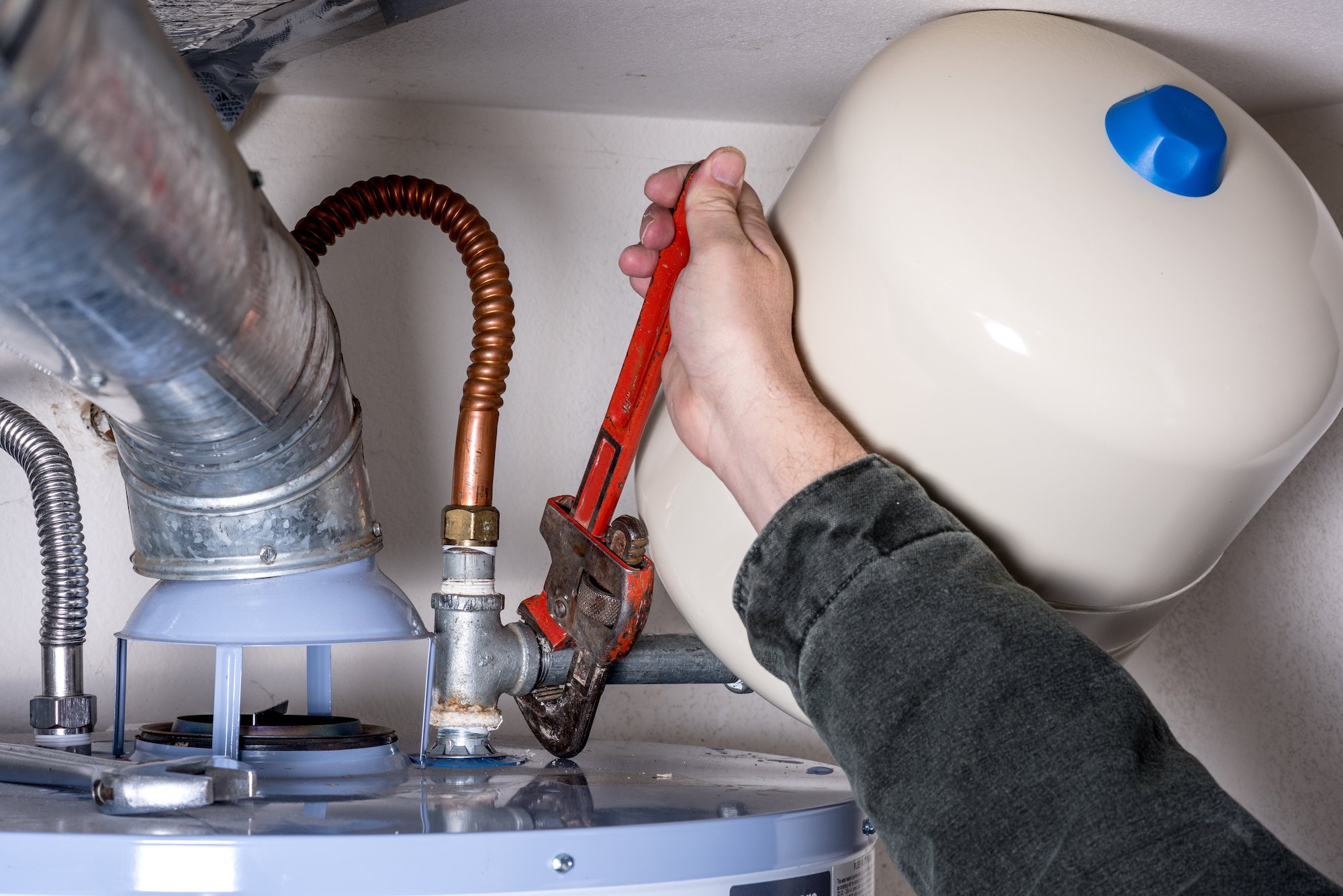
Comparing Water Heater Types
If your unit is old or unreliable, you might consider replacing it. Here’s a comparison of common water heater types:
| Type | Average Lifespan | Efficiency | Maintenance | Upfront Cost |
|---|---|---|---|---|
| Electric Tank | 10-15 years | Medium | Medium | $400-$700 |
| Gas Tank | 8-12 years | Medium | Medium | $500-$900 |
| Tankless | 15-20 years | High | Low | $800-$2,000 |
Tankless heaters last longer and use less energy, but cost more upfront. Tank models are cheaper but take up space and need regular maintenance.
Troubleshooting Steps For Common Problems
Let’s break down step-by-step how to handle the most frequent water heater issues.
No Hot Water (electric)
- Check the circuit breaker. Reset if tripped.
- Inspect the thermostat. Set it to 120°F.
- Test heating elements with a multimeter.
- Replace faulty elements.
No Hot Water (gas)
- Check the pilot light. Relight if needed.
- Inspect the thermocouple.
- Ensure gas supply is open.
- Clean burner and vent.
Not Enough Hot Water
- Flush the tank to remove sediment.
- Check thermostat setting.
- Inspect heating elements or burner.
- Upgrade to a larger tank if needed.
Leaking Water Heater
- Tighten pipe connections.
- Check T&P valve.
- Inspect tank base for corrosion.
- Replace tank if necessary.
Discolored Or Smelly Water
- Flush the tank.
- Replace the anode rod.
- Clean pipes if needed.
Error Codes (tankless)
- Look up code in manual.
- Clean air filter.
- Descale heat exchanger.
- Reset unit.
Troubleshooting Data Table
Here’s a quick reference for common symptoms and solutions:
| Symptom | Possible Cause | Action |
|---|---|---|
| No hot water | Tripped breaker, faulty element/pilot | Reset, replace part |
| Not enough hot water | Sediment, thermostat, undersized tank | Flush, adjust, upgrade |
| Water too hot | High thermostat, faulty thermostat | Adjust/replace |
| Strange noises | Sediment, mineral build-up | Flush/clean |
| Leaking heater | Loose connections, faulty valve, corrosion | Tighten, replace, call pro |
| Discolored/smelly water | Worn anode rod, bacteria | Flush/replace rod |
Water Heater Efficiency Tips
Improving water heater efficiency saves money and extends the unit’s life. Here are some practical tips:
- Lower the thermostat to 120°F.
- Insulate the tank and pipes to reduce heat loss.
- Fix leaks quickly.
- Flush the tank regularly to remove sediment.
- Install a timer to turn off the heater when not needed.
Upgrading to a high-efficiency model can also cut energy costs. For more details on energy-saving water heaters, visit the U.S. Department of Energy.
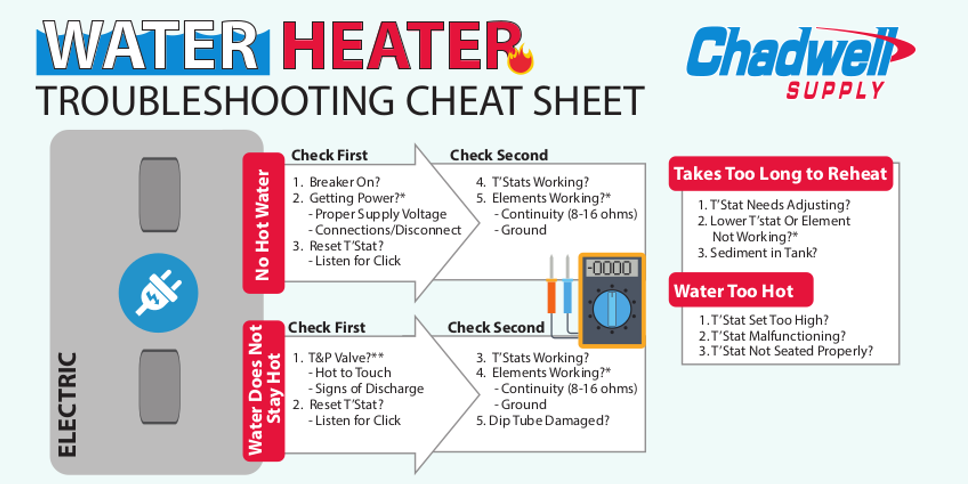
Upgrading Or Replacing Your Water Heater
If your water heater is over 10 years old, leaks from the tank, or needs frequent repairs, consider replacement.
Choosing A New Water Heater
- Calculate your household’s hot water needs.
- Compare types (electric, gas, tankless).
- Check energy efficiency ratings.
- Consider installation costs.
Ask for professional advice to ensure the new unit fits your home and budget.
Cost Comparison
The cost of a new water heater depends on type and installation. Here’s a quick guide:
| Type | Unit Cost | Installation Cost | Total Cost |
|---|---|---|---|
| Electric Tank | $400-$700 | $300-$600 | $700-$1,300 |
| Gas Tank | $500-$900 | $400-$700 | $900-$1,600 |
| Tankless | $800-$2,000 | $800-$1,500 | $1,600-$3,500 |
While tankless units cost more, they use less energy and last longer.
Non-obvious Insights For Beginners
Many first-time troubleshooters miss these key points:
- Water heaters can be set to “vacation mode”. If your heater isn’t working after a trip, check the thermostat for this setting.
- Hard water accelerates sediment build-up. If you live in a hard water area, flush your tank every six months, not just once a year.
- Anode rods protect the tank. Replacing them is far cheaper than buying a new heater. Don’t ignore them.
Practical Examples
Imagine waking up to cold water. You check the circuit breaker—it’s fine. You inspect the thermostat and see it’s set to 140°F, but water is still cold. Testing the heating elements reveals one is burned out. Replacing it restores hot water.
Another example: Water smells like rotten eggs. Flushing the tank and replacing the anode rod removes the smell and improves water quality.
Frequently Asked Questions
How Often Should I Flush My Water Heater?
Flush your water heater once a year to remove sediment and prevent efficiency loss. If you have hard water, do it every six months.
Is It Safe To Relight The Pilot Light Myself?
Yes, but follow the manufacturer’s instructions closely. If you smell gas or the pilot won’t stay lit, call a professional.
Why Is My Water Heater Leaking From The Bottom?
Leaks from the bottom usually mean internal corrosion. The tank is likely failing and needs replacement as soon as possible.
How Can I Improve My Water Heater’s Efficiency?
Lower the thermostat to 120°F, insulate the tank and pipes, fix leaks, and flush the tank regularly. Upgrading to a high-efficiency model also helps.
What Is The Lifespan Of A Water Heater?
Most tank models last 8-15 years. Tankless heaters can last 15-20 years with proper maintenance.
Solving water heater problems doesn’t have to be overwhelming. With the right knowledge and a little patience, you can handle most issues yourself and keep your showers warm and comfortable. If you ever feel unsure, remember that calling an expert is always a safe choice.

