

Master Heater Troubleshooting Manual
Heaters are essential, especially in cold seasons or places where warmth is critical. But when your master heater stops working, it can feel frustrating. Sometimes, it is a simple problem. Other times, it takes careful steps to find the cause. This manual will guide you through troubleshooting your master heater, helping you fix common issues and understand how the heater works. Whether you use a kerosene, diesel, or propane master heater, this guide gives clear answers and practical advice. You will learn how to spot problems, compare symptoms, and solve them safely.
Understanding Master Heaters
Master heaters are often portable and used in garages, workshops, or construction sites. They can run on kerosene, diesel, or propane. Knowing the main parts of your heater helps you diagnose problems quickly. Here are the core components:

36% off Today’s Exclusive Deals
Limited-time Exclusive Deals. Check current discount on Amazon.
Check Price on Amazon As an Amazon Associate I earn from qualifying purchases.- Fuel tank: Holds the kerosene, diesel, or propane.
- Ignition system: Starts the heater, often with a spark plug or electronic igniter.
- Fan: Pushes warm air into the space.
- Thermostat: Controls the temperature.
- Safety switches: Shut off the heater if something is wrong.
When a heater fails, the issue usually starts in one of these parts.
Safety First: Steps Before Troubleshooting
Before you begin, safety must come first. Always unplug or turn off the heater, let it cool down, and check the manual for warnings.
- Turn off power: Always disconnect the heater from electricity.
- Let it cool: Wait until it is safe to touch.
- Check for gas leaks: If you smell gas, ventilate the area and do not try to fix the heater yourself.
- Read the manual: Manufacturers often list important warnings.
If you are unsure about any step, contact a professional. Some repairs can be dangerous if done incorrectly.
Identifying Common Heater Problems
Most heater issues fit into a few main categories. Recognizing the symptoms can save you time.
Heater Will Not Start
If your master heater does not turn on, consider these possibilities:
- No power: Check the plug, outlet, or batteries.
- Blown fuse: Inspect the fuse box or internal fuse.
- Faulty switch: Try turning the heater on and off.
- Low fuel: Make sure the tank is full.
- Blocked fuel line: Look for clogs or dirt.
Heater Starts But Shuts Off Quickly
If your heater starts and then shuts off after a few seconds or minutes:
- Dirty air filter: Clean or replace the filter.
- Faulty thermostat: The thermostat may be stuck or broken.
- Overheating: The safety switch may trigger if the heater gets too hot.
- Flame sensor issue: The sensor may not detect the flame.
Heater Runs But No Heat
When the heater runs but does not produce heat:
- Ignition failure: The igniter may not spark.
- Fuel delivery problem: The pump or line may be blocked.
- Fan issue: The fan may spin but not push air.
- Low fuel quality: Old or contaminated fuel can cause problems.
Troubleshooting Step-by-step
Let’s break down how to fix each common issue. Each step is easy to follow, even for beginners.
Checking Power Supply
First, check the power supply.
- Plug the heater into a working outlet.
- Check for lights or sounds. If nothing happens, try a different outlet.
- Inspect the power cord for cuts or wear.
- Reset any tripped circuit breakers.
If the heater is battery-operated, replace the batteries.
Inspecting The Fuel System
Fuel problems are frequent. Follow these steps:
- Look at the fuel level. Fill the tank if empty.
- Check for water or dirt in the fuel. Drain and refill if needed.
- Inspect the fuel line for blockages or leaks.
- Replace the fuel filter if it’s dirty.
Using clean, fresh fuel prevents many issues.
Examining The Ignition System
The ignition system creates the spark or flame. Here’s what to do:
- Remove the cover and inspect the spark plug or igniter.
- Clean any carbon or dirt with a wire brush.
- Make sure the igniter is not broken or loose.
- If the igniter does not spark, replace it.
Some heaters use a glow plug instead. Check for cracks or wear and replace if needed.
Testing The Thermostat
A faulty thermostat can cause shutdowns.
- Turn the thermostat up and down. Listen for clicking sounds.
- If the heater does not respond, the thermostat may be stuck.
- Replace the thermostat if it does not work.
Checking Safety Switches
Safety switches prevent accidents. If the heater stops unexpectedly, check:
- The tip-over switch: Make sure the heater is sitting upright.
- The overheat switch: Clean air vents to prevent overheating.
- The flame sensor: Wipe off any dust or soot.
If a switch is broken, replace it. Do not bypass safety switches.
Comparing Master Heater Types
Different master heaters have different strengths and weaknesses. Here’s a quick comparison:
| Heater Type | Fuel | Main Uses | Common Issues |
|---|---|---|---|
| Kerosene | Kerosene | Garages, workshops | Dirty fuel, clogged filters |
| Diesel | Diesel | Construction sites | Fuel gelling, pump failures |
| Propane | Propane | Outdoor events | Gas leaks, ignition issues |
Choosing the right heater depends on your space, fuel availability, and needs. For example, diesel heaters work well in cold climates but may need additives to prevent fuel gelling.
Airflow And Fan Problems
Poor airflow means less heat and possible overheating. Here’s how to check the fan:
- Remove the cover and inspect the fan blades.
- Clean dust and debris from the blades.
- Spin the fan by hand. It should move easily.
- Listen for odd noises. Grinding or squealing means the motor may be failing.
If the fan motor is broken, replace it. Do not use the heater with a damaged fan.
Diagnosing Electronic Controls
Modern heaters often have digital controls. Problems can include:
- Blank display: Check power and replace batteries.
- Error codes: Look up codes in the manual.
- Controls not responding: Reset the heater by unplugging it.
If controls still do not work, the control board may need replacement.
Fuel Quality: Why It Matters
Many heater owners overlook fuel quality. Using old or dirty fuel leads to clogs and poor performance. Always:
- Use recommended fuel (kerosene, diesel, or propane).
- Store fuel in clean containers.
- Replace fuel every season.
Contaminated fuel is a hidden cause of many heater breakdowns.
Advanced Troubleshooting: Flame And Burn Problems
Sometimes, the heater has a weak flame or burns poorly. Here’s how to fix:
- Check the air/fuel mixture. Adjust settings for a steady, blue flame.
- Clean the burner chamber. Remove soot or debris.
- Inspect the flame sensor. Clean or replace if needed.
- Make sure vents are clear.
A weak flame means less heat and more carbon buildup. Adjust the heater for maximum efficiency.
How To Replace Common Parts
Some repairs need new parts. Here are easy steps:
Replacing The Air Filter
- Turn off and unplug the heater.
- Find the air filter (often near the fan).
- Remove old filter and insert new one.
- Secure the cover.
Changing The Spark Plug
- Remove the heater cover.
- Disconnect the spark plug wire.
- Unscrew and remove the plug.
- Install new plug and reconnect wire.
Swapping The Thermostat
- Remove the heater cover.
- Locate the thermostat.
- Disconnect wires and remove old thermostat.
- Install new thermostat and reconnect wires.
Always use parts recommended by the manufacturer.
Troubleshooting Tips For Beginners
Many beginners miss these tips:
- Take pictures before removing parts. It helps you reassemble correctly.
- Label wires if you disconnect them.
- Keep a log of repairs and dates.
- Test the heater outside after repairs, especially for gas units.
Trying to fix everything at once can be confusing. Focus on one problem at a time.
Common Mistakes To Avoid
Some mistakes can make heater problems worse:
- Using the wrong fuel: Always follow the manual.
- Skipping cleaning: Dirt causes many failures.
- Ignoring warning lights: These mean a real problem.
- Bypassing safety switches: Never do this. It is dangerous.
If you feel unsure, ask a professional for help.
Master Heater Troubleshooting Data
Here’s a quick reference for common symptoms and likely causes:
| Symptom | Possible Cause | Action |
|---|---|---|
| No power | Plug, fuse, batteries | Check and replace as needed |
| Shuts off quickly | Thermostat, air filter, flame sensor | Clean or replace |
| No heat | Ignition, fuel quality, fan | Inspect and fix |
| Weak flame | Air/fuel mix, burner chamber | Adjust and clean |
| Odd noises | Fan motor, loose parts | Tighten or replace |
This table makes it easier to spot and fix issues fast.
When To Call A Professional
Sometimes, a heater problem is too complex or risky for home repair. Call a professional if:
- You smell gas or fuel leaks.
- The heater has electrical faults.
- Safety switches keep shutting it off.
- Repairs need specialized tools.
Professional repairs often save time and prevent bigger issues.
Maintenance Tips To Prevent Future Problems
Preventing heater issues is easier than fixing them. Follow these tips:
- Clean the heater every season.
- Replace filters regularly.
- Use fresh, high-quality fuel.
- Store the heater in a dry, safe place.
- Check safety switches before every use.
Simple maintenance can double the life of your heater.
Real-life Example: Fixing A Diesel Master Heater
Let’s look at a real-life situation. A construction worker noticed his diesel master heater would not start in winter. He checked the fuel tank and saw waxy deposits. This is fuel gelling, common in cold weather. He bought a diesel anti-gel additive, mixed it into the fuel, and cleaned the filter. The heater started immediately.
This shows how knowing specific problems and solutions saves money and time.
Comparing Popular Master Heater Brands
Here’s a comparison of three popular brands:
| Brand | Fuel Type | BTU Range | Warranty | Unique Feature |
|---|---|---|---|---|
| Master | Kerosene/Diesel | 50,000–200,000 | 1 year | Easy-to-use control panel |
| DeWalt | Diesel/Propane | 70,000–210,000 | 3 years | Heavy-duty construction |
| Mr. Heater | Propane | 30,000–125,000 | 2 years | Low oxygen shut-off |
Consider the warranty and unique features when choosing a heater.
Master Heater Troubleshooting: Non-obvious Insights
Many troubleshooting guides miss these points:
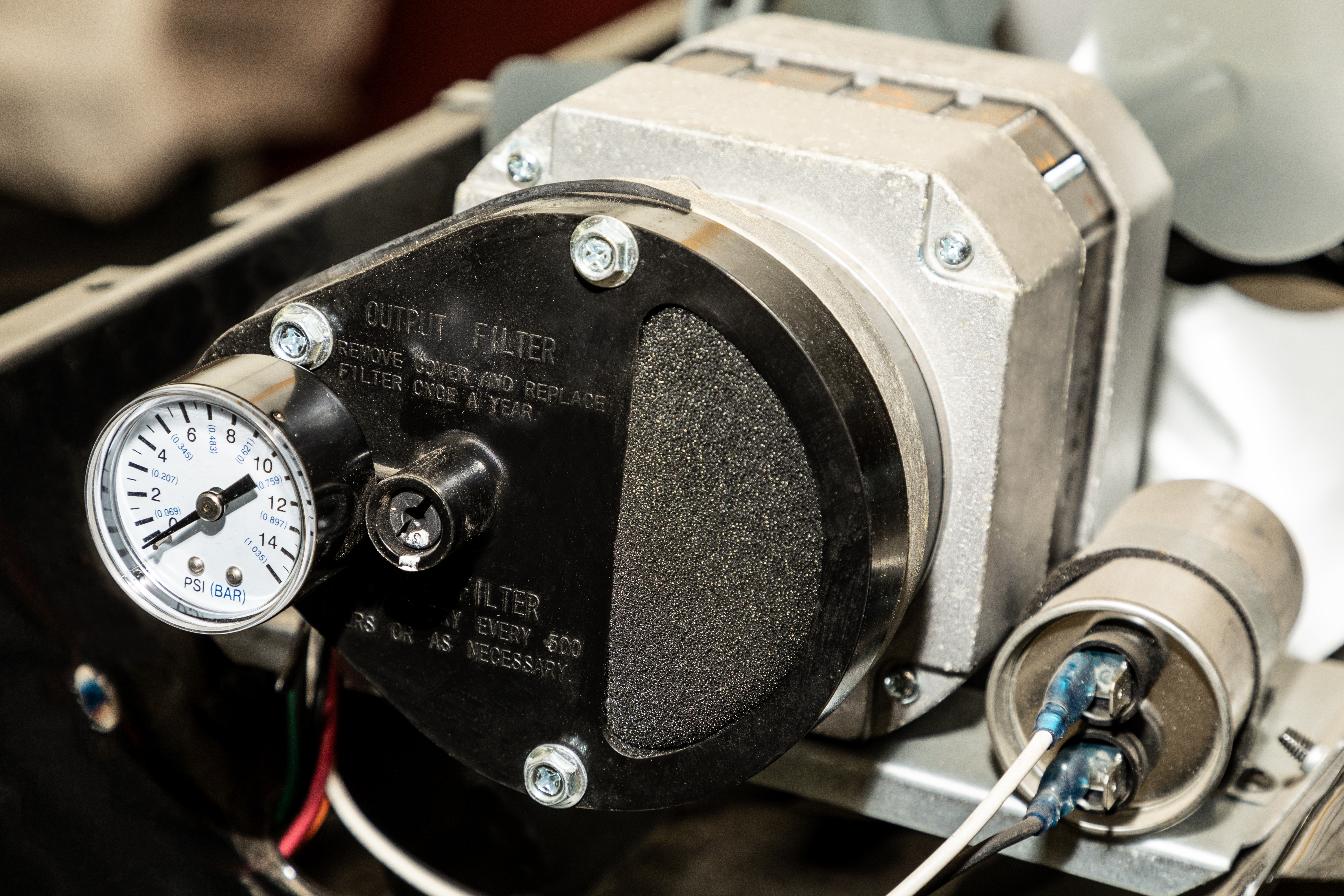
- Air pressure adjustment: Some heaters have a small air pump. Adjusting the air pressure can improve performance. Low air pressure often causes flame problems.
- Sensor cleaning: Flame sensors and thermocouples need regular cleaning. Even slight dirt can cause shutdowns.
- Seasonal storage: Before storing your heater, run it dry and clean all parts. This prevents rust and fuel separation.
Beginners often skip these steps, leading to repeated problems.

Trusted Resources For Heater Repair
If you need more help, check official resources or forums. For technical details, visit the manufacturer’s website or use forums like Heating Help. For deeper knowledge, read guides from U.S. Department of Energy.
Frequently Asked Questions
What Should I Do If My Master Heater Smells Like Fuel?
If you smell fuel, turn off the heater immediately. Check for leaks in the fuel line or tank. Clean any spills and ventilate the area. Do not use the heater until the problem is fixed.
Can I Use Diesel In A Kerosene Master Heater?
Most kerosene heaters are designed for kerosene only. Using diesel can cause clogs and unsafe burning. Always follow the manufacturer’s instructions.
Why Does My Heater Keep Shutting Off?
Heaters often shut off due to dirty filters, faulty thermostats, or blocked fuel lines. Clean or replace filters, check the thermostat, and inspect the fuel system.
How Often Should I Clean My Master Heater?
Clean your heater at least once per season. If you use it often, clean it every month. Regular cleaning prevents breakdowns and improves efficiency.
What Is The Average Lifespan Of A Master Heater?
Most master heaters last 5–10 years with proper maintenance. Quality parts, clean fuel, and regular service can extend the lifespan.
Heaters make life easier, but only when they work reliably. With this troubleshooting manual, you can fix most problems yourself and keep your master heater running smoothly. Remember, safety is key, and regular maintenance prevents most issues. If you get stuck or feel unsure, professional help is always available.

