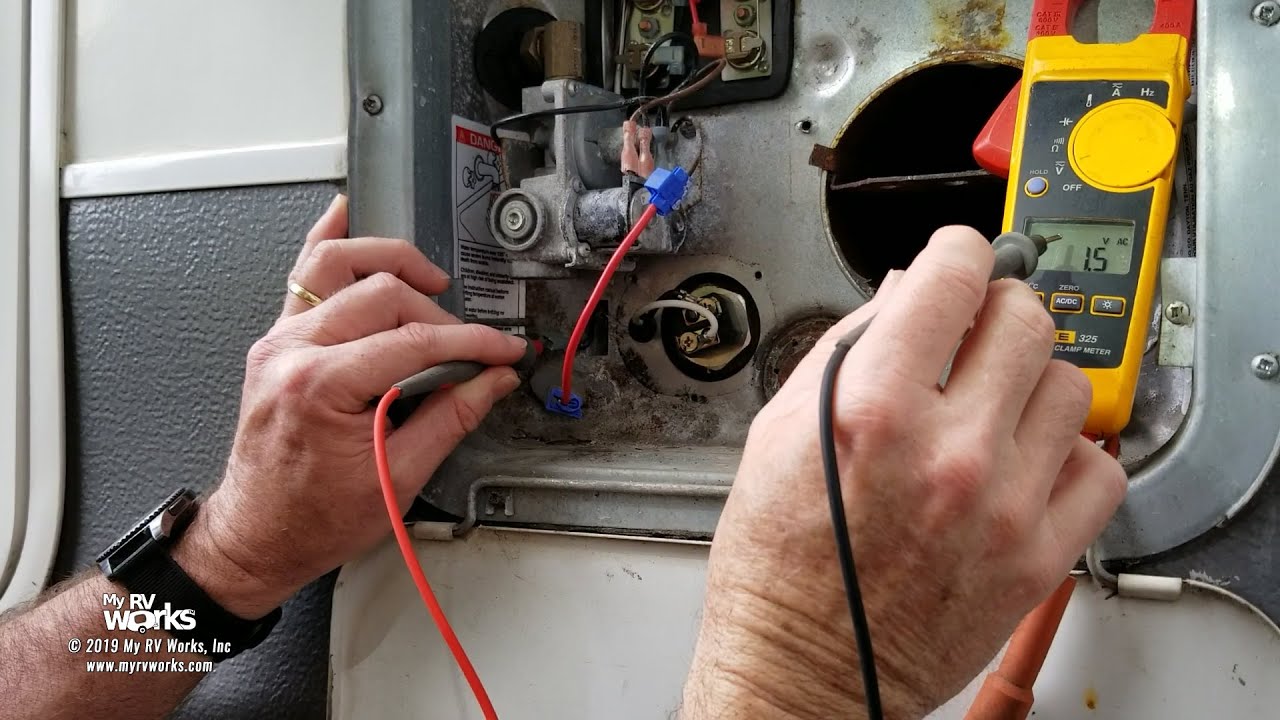
Many homeowners depend on their Suburban water heater for warm showers, clean dishes, and comfortable living. When it stops working, life gets inconvenient fast. Troubleshooting your Suburban water heater does not have to be complicated. With the right steps and clear guidance, even beginners can solve most issues and avoid expensive repairs.
This article is your practical advisor for Suburban water heater troubleshooting. You will learn how to diagnose common problems, use simple tools, and understand what really matters. We will cover electrical and gas models, safety tips, and provide data to help you make smart decisions.

36% off Today’s Exclusive Deals
Limited-time Exclusive Deals. Check current discount on Amazon.
Check Price on Amazon As an Amazon Associate I earn from qualifying purchases.By the end, you will feel confident to handle most issues yourself.
Understanding Suburban Water Heaters
Suburban is one of the top brands for water heaters in RVs, campers, and some homes. Their units are known for reliability, but even the best equipment can fail sometimes.
Types Of Suburban Water Heaters
There are two main types:
- Gas-only models: Use propane gas to heat water. Common in RVs and off-grid homes.
- Gas/Electric combination models: Can use propane or electricity. More flexible, but have extra parts.
Each type has different troubleshooting needs. Knowing your model helps you fix problems faster.
How Suburban Water Heaters Work
- Gas models burn propane to heat water in a tank.
- Electric models use heating elements powered by household electricity.
- Combination units can switch between both.
Most units have safety features like thermostats, pressure relief valves, and electronic ignition. Understanding these basics helps you identify what might go wrong.
Common Suburban Water Heater Problems
Suburban water heaters usually work well, but these are the most frequent issues:
- No hot water
- Water not hot enough
- Pilot light will not stay lit
- Burner will not ignite
- Electric heating element not working
- Strange noises
- Leaking water
- Smelly water
- Pressure relief valve issues
- Thermostat problems
Some problems are simple, others need careful troubleshooting. Let’s look at each one in detail.
Diagnosing “no Hot Water” Problems
When you turn on the tap and only get cold water, it’s frustrating. The cause could be simple or complex.
Step-by-step Troubleshooting
- Check power supply: For electric models, make sure the unit is plugged in and the breaker is on.
- Check propane supply: For gas models, verify the tank is full and the valve is open.
- Inspect switches: Suburban water heaters have inside and outside switches. Both must be ON.
- Look for blown fuses: RV units often have fuse panels—replace any blown fuse.
- Check thermostat setting: If set too low, water will not heat properly.
Example
A user reports cold water in an RV. They find the outside switch turned off by accident. Turning it on solves the problem—no repair needed.
Solving Water Not Hot Enough
Water that is only warm or cool is another common issue.
What To Check
- Thermostat setting: Make sure it’s set above 120°F.
- Heating element: If electric, test with a multimeter for continuity.
- Propane burner: Inspect for dirt or spider webs blocking the flame.
- Sediment buildup: Minerals can cover the heating element, reducing heat.
Practical Tip
Flush your water heater every 6–12 months to remove sediment. This simple step prevents many problems and extends the life of your unit.
Pilot Light Will Not Stay Lit
Gas models need a working pilot light. If it won’t stay lit, try these steps:
- Check thermocouple: This safety device senses heat. If faulty, the pilot will go out.
- Inspect pilot orifice: Dirt can block the tiny opening. Clean gently with compressed air.
- Check gas pressure: Low pressure can cause flickering or failure.
Common Mistake
Many beginners forget to hold down the pilot knob long enough when lighting. Hold for 30–60 seconds to heat the thermocouple properly.
Burner Will Not Ignite
If the burner does not fire up after the pilot is lit, check the following:
- Gas valve: Make sure it is open.
- Igniter: Listen for the clicking sound. No click may mean a broken igniter.
- Wiring: Loose or damaged wires prevent proper ignition.
- Control board: Electronic models have a small circuit board. Test for power.
Example
A user hears no click when starting the burner. Replacing the igniter fixes the issue.

Electric Heating Element Not Working
Electric models rely on heating elements. If you get no hot water, the element might be bad.
How To Test
- Turn off power
- Remove access panel
- Use a multimeter to test resistance (should be between 10–20 ohms)
- Replace if reading is zero (open circuit)
Data Table: Common Heating Element Resistance
| Model | Element Resistance (Ohms) | Replacement Cost (USD) |
|---|---|---|
| Suburban SW6DE | 13-15 | 30-50 |
| Suburban SW10DE | 15-17 | 35-55 |
| Suburban SW12DE | 16-18 | 40-60 |
Strange Noises From The Water Heater
Banging, popping, or whistling sounds are signs something is wrong.
Causes
- Sediment buildup: Minerals settle at the bottom and make noise when heated.
- Loose parts: Screws or panels can vibrate.
- Water hammer: Sudden pressure changes cause pipes to bang.
Fixes
Flush the tank, tighten screws, and check plumbing supports. If the noise continues, call a professional.
Leaking Water
Leaks are serious. They can cause damage and safety risks.
Where To Check
- Tank seam: Look for rust or water under the unit.
- Pressure relief valve: Sometimes leaks due to high pressure.
- Connections: Inspect all hoses and fittings.
Comparison Table: Leak Locations And Solutions
| Leak Location | Cause | Recommended Action |
|---|---|---|
| Tank seam | Corrosion, age | Replace water heater |
| Pressure relief valve | High pressure, faulty valve | Replace valve, check pressure |
| Hose connections | Loose fittings | Tighten or replace hose |
Practical Insight
Many leaks start small. Check under the heater regularly, especially in RVs where tight spaces hide problems.
Smelly Water
Bad odors, like rotten eggs, are common if water sits in the tank too long.
What Causes Smell?
- Bacteria: Grow in warm, stagnant water.
- Anode rod reaction: Magnesium rods can produce hydrogen sulfide.
How To Fix
- Flush the tank and replace the anode rod.
- Use a chlorine solution to sanitize the tank.
Extra Tip
If you use well water or camp in humid areas, sanitize your tank every season.
Pressure Relief Valve Issues
The pressure relief valve keeps your heater safe. If it leaks or fails, it can cause trouble.
Signs Of Valve Problems
- Water dripping from valve
- Valve stuck open or closed
- Loud hissing noises
What To Do
Replace the valve if it is old or faulty. Check system pressure with a gauge. Most Suburban units are rated for 150 psi maximum.
Thermostat Problems
If the water temperature is wrong, the thermostat may be to blame.
Diagnosing
- Check if the unit cycles on and off rapidly.
- Water too hot or too cold signals a bad thermostat.
- Use a multimeter to test for continuity.
Repair
Suburban thermostats are affordable and easy to replace. Match the model number for correct fit.
Troubleshooting Steps For Beginners
Even if you are new, you can solve many problems with patience and the right tools.
Tools You Need
- Multimeter (for testing electrical parts)
- Screwdrivers
- Wrench
- Flashlight
- Compressed air (for cleaning)
- Replacement parts (like fuses or anode rods)
Step-by-step Guide
- Always turn off power and gas before starting.
- Inspect for obvious issues like loose wires or leaks.
- Test parts using your multimeter.
- Clean components gently—dirt can block sensors and burners.
- Replace faulty parts with genuine Suburban replacements.
Extra Beginner Insight
Check the manual for your model. Many errors are caused by simple things, like a wrong switch position or tripped breaker.
Safety Tips For Water Heater Repairs
Working with water heaters involves electricity, gas, and hot water. Stay safe with these tips:
- Turn off power/gas before opening panels.
- Use insulated tools.
- Wear gloves and eye protection.
- Never bypass safety devices.
- If you smell gas, leave the area and call for help.
Data Table: Water Heater Safety Statistics
| Issue | Annual Incidents (US) | Most Common Cause |
|---|---|---|
| Gas leaks | ~1,300 | Poor maintenance |
| Electrical shocks | ~900 | Improper wiring |
| Hot water burns | ~4,500 | Faulty thermostat |
When To Call A Professional
Some repairs are best left to experts:
- Tank leaks or severe corrosion
- Repeated gas ignition failures
- Electrical issues beyond fuse changes
- Heavy sediment buildup you cannot flush
If you are unsure, call a licensed technician. Your safety matters more than saving money.
Preventing Suburban Water Heater Problems
The best way to avoid trouble is regular maintenance.
Maintenance Checklist
- Flush tank every 6–12 months
- Inspect anode rod yearly, replace if worn
- Check all connections for leaks
- Test thermostat and heating element
- Clean burner and pilot assembly
- Verify pressure relief valve operation
Practical Example
A family in Texas flushes their Suburban heater every spring. They report almost zero repairs in five years—a simple routine pays off.
Choosing Replacement Parts
If you need to replace a part, quality matters. Suburban units use specific components. Always match:
- Model number (found on unit or manual)
- Voltage and wattage ratings
- Gas valve compatibility
Cheap parts can cause more problems. Use genuine Suburban or trusted brands.
Common Buyer Mistakes
- Buying off-brand elements that do not fit
- Skipping the anode rod
- Ignoring size and voltage differences
Check reviews and ask for advice before buying.
Comparing Suburban To Other Water Heater Brands
Suburban competes with brands like Atwood and Dometic. Here’s a comparison:
| Brand | Average Lifespan (Years) | Repair Frequency (per 5 years) | Common Issue |
|---|---|---|---|
| Suburban | 8–10 | 2–3 | Sediment buildup |
| Atwood | 7–9 | 3–4 | Thermostat failure |
| Dometic | 6–8 | 4–5 | Valve leaks |
Suburban is preferred for durability and easy parts replacement.
Real-world Troubleshooting Examples
Example 1: Cold Water In An Rv
A user finds only cold water from their Suburban heater. They check power and gas, but both are fine. The issue turns out to be a blown fuse in the RV’s panel. Replacing the fuse restores hot water.
Example 2: Pilot Light Keeps Going Out
In a camper, the pilot light will not stay lit. After cleaning the pilot orifice and replacing the thermocouple, the heater works normally.
Example 3: Loud Banging Sound
A homeowner hears banging from their Suburban heater. Flushing the tank removes heavy sediment and stops the noise.
These examples show that simple steps can solve most problems.
Non-obvious Insights For Beginners
- Switch confusion: Many Suburban units have two switches—one inside and one outside. Both must be ON for heating.
- Anode rod importance: Ignoring the anode rod leads to faster tank corrosion. It’s a hidden part but critical.
- Water quality matters: Hard water means more sediment. Use a filter to reduce buildup.
Frequently Asked Questions
What Should I Do If My Suburban Water Heater Makes A Popping Sound?
Popping sounds are usually caused by sediment buildup at the bottom of the tank. Flush your tank using the drain valve. If the noise continues, repeat the process or consult a technician.
How Often Should I Replace The Anode Rod In My Suburban Water Heater?
Check the anode rod every year. If more than half is gone or it looks heavily corroded, replace it. Regular replacement protects the tank and saves money.
Why Does My Suburban Water Heater Have Two Power Switches?
Many models use two switches—one inside your RV or home, and one outside near the heater. Both must be ON for the unit to work. This is a safety feature to prevent accidental operation.
Is It Safe To Repair The Water Heater Myself?
Basic repairs like changing fuses or cleaning parts are safe if you turn off power and gas first. For gas leaks, heavy electrical repairs, or tank replacements, always call a professional.
Where Can I Find Official Troubleshooting Guides For Suburban Water Heaters?
Visit the official Suburban website or download manuals from Airxcel/Suburban. These guides provide detailed diagrams and instructions.
Final Thoughts
Troubleshooting your Suburban water heater can save you time, money, and stress. With careful steps and regular maintenance, most problems are easy to solve—even for beginners. Always remember safety first and don’t hesitate to call a professional for major repairs. By following the guidance in this article, you can keep your water heater running smoothly and enjoy reliable hot water every day.