

If your Rinnai water heater is not working as expected, life can quickly become uncomfortable. No hot water for showers, washing dishes, or laundry is a real inconvenience. But before you call a technician, you can often solve the problem yourself. Rinnai water heaters are reliable, but like any appliance, they sometimes need troubleshooting. With the right guidance, most issues are easy to fix, and you can restore your hot water without spending extra money.
This guide is designed for people who may not speak English perfectly but want clear, simple instructions. We’ll cover the most common problems with Rinnai water heaters, explain error codes, and help you decide when it’s time to call a professional.

36% off Today’s Exclusive Deals
Limited-time Exclusive Deals. Check current discount on Amazon.
Check Price on Amazon As an Amazon Associate I earn from qualifying purchases.You’ll learn practical steps to check your unit, how to read the display, and what to do next. By the end, you’ll feel confident to handle basic troubleshooting yourself.
Understanding Rinnai Water Heater Basics
Before you start fixing, it helps to know how your Rinnai water heater works. These units are tankless, meaning they heat water only when you need it. This saves energy and space. Rinnai models use gas or electricity to heat water as it flows through the machine.
Most Rinnai heaters have a digital display. This shows the water temperature and any error codes. The display helps you understand what’s wrong. If you know how to read it, you can fix problems faster.
Key Parts To Know
- Display panel: Shows temperature and error codes.
- Gas valve: Controls gas flow for heating.
- Water flow sensor: Detects when you turn on hot water.
- Ignition system: Starts heating when water flows.
- Heat exchanger: Transfers heat to the water.
- Fan: Removes gases safely.
- Filters: Keep out dirt and debris.
Knowing these parts makes troubleshooting easier. If you see a code or notice a problem, you’ll know where to look.
Common Problems And Solutions
Most issues with Rinnai water heaters fall into a few categories. Let’s look at the most frequent problems and how to fix them.
1. No Hot Water
If you turn on the tap and only get cold water, try these steps:
- Check the display: Is there an error code?
- Power supply: Is the unit plugged in or switched on?
- Gas supply: Is the gas valve open? Is your gas bill paid?
- Water supply: Are pipes frozen or blocked?
- Temperature setting: Is it set too low?
Example: If your display reads “16,” this means no water flow. Check if your main water valve is open.
If you still don’t get hot water, try resetting the unit. Turn off the power, wait 30 seconds, then turn it back on.
2. Water Too Hot Or Too Cold
Sometimes water is too hot or not hot enough.
- Adjust the temperature: Use the display panel. Most Rinnai units let you set the temperature between 98°F and 120°F.
- Check for sediment: Build-up in pipes or the heat exchanger can affect temperature.
- Flow rate: If you use too many taps at once, the heater can’t keep up.
Non-obvious tip: If you recently installed new showerheads or faucets, they may restrict water flow. This confuses the heater and can make water too cold.
3. Error Codes
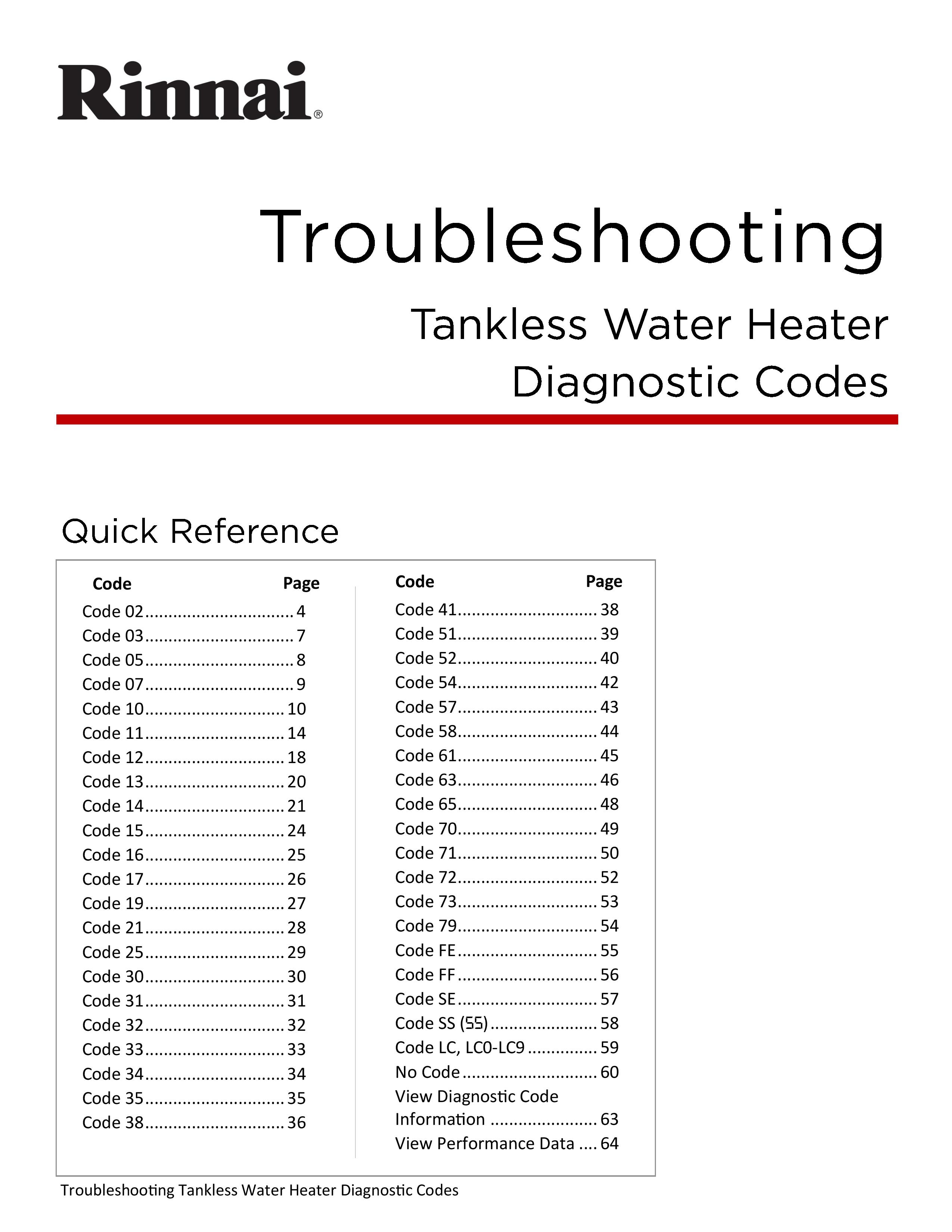
Rinnai heaters show error codes when something is wrong. Each code means something different. Here are the most common ones:
| Error Code | What It Means | What To Do |
|---|---|---|
| 11 | No ignition | Check gas supply and ignition system |
| 12 | No flame detected | Check gas, clean burner |
| 16 | No water flow | Open water valve |
| 61 | Fan problem | Clear vent or call technician |
| LC | Scale build-up | Flush unit, remove scale |
If you see a code, look it up in your manual or use the table above. Some codes mean you need to call a professional. Others are simple fixes.
4. Low Water Pressure
Low water pressure is frustrating. It can make your heater shut off or deliver only lukewarm water.
- Check filters: Clean the water filter inside the unit.
- Check main supply: Is water pressure low in your whole house? If yes, contact your water supplier.
- Check for leaks: Look for dripping pipes or connections.
Example: The water filter is usually behind a small panel. Remove it and rinse under running water. Reinstall and check pressure.
5. Heater Turns Off Unexpectedly
If your Rinnai heater shuts off while running, try these steps:
- Overload: Too many taps open at once. Try using one at a time.
- Vent blockage: Make sure the exhaust vent is clear.
- Electrical issue: Check for tripped breakers or faulty wiring.
A blocked vent is a common, overlooked cause. Birds, leaves, or snow can cover the vent outside. Always check this before calling for help.
How To Read And Respond To Error Codes
Rinnai heaters are smart. When something goes wrong, they show an error code. This code is your best clue.
Where To Find The Code
Look at the digital display on the unit. If the code is flashing, something needs attention.
What Each Code Means
Each code tells you what’s wrong. Here are more details for the most common ones:
- Code 11: No ignition. Check gas supply. Make sure the gas valve is open. If you smell gas, shut off everything and call for help.
- Code 12: No flame detected. The heater tried to ignite but failed. Clean the burner and check for blockages.
- Code 16: No water flow. The heater is not detecting water. Open all valves and check for frozen pipes.
- Code 61: Fan issue. The fan isn’t spinning correctly. Clean the vent or call a technician.
- Code LC: Scale detected. Mineral build-up is blocking the heat exchanger. Flush the unit.
How To Reset The Heater
Sometimes, simply resetting clears the code.
- Turn off the power.
- Wait 30 seconds.
- Turn power back on.
If the code returns, follow the steps above or call a professional.
Basic Maintenance To Prevent Problems
Regular maintenance keeps your Rinnai water heater working smoothly. Most problems can be prevented with simple checks.
Cleaning The Water Filter
Every few months, clean the water filter:
- Turn off the unit.
- Remove the filter panel (usually at the bottom).
- Pull out the filter and rinse under running water.
- Replace the filter and panel.
Flushing The Heat Exchanger
Mineral build-up is a common problem, especially in areas with hard water. Flushing removes scale and keeps the heater efficient.
Steps to flush:
- Turn off power and gas.
- Connect hoses to the flush valves.
- Run a descaling solution through the heater for 45 minutes.
- Rinse with clean water.
- Reconnect everything.
Most homeowners flush once a year. If you see error code “LC,” flush immediately.
Checking The Exhaust Vent
A blocked vent can shut down your heater or cause dangerous gases to build up.
- Check outside vents for leaves, snow, or nests.
- Make sure nothing is blocking airflow.
Inspecting Gas And Water Connections
- Look for leaks or corrosion.
- Tighten loose connections.
- If you smell gas, turn everything off and call for help.
When To Call A Professional
Some problems are easy to fix. Others need expert help. Here’s when to call a technician:
- Gas leaks: Never try to fix gas problems yourself.
- Electrical faults: If breakers trip or wires look damaged.
- Repeated error codes: If the same code keeps returning.
- Internal damage: If you see water inside the unit or hear strange noises.
A certified technician can check for deeper issues and make repairs safely.
Comparing Rinnai Models And Troubleshooting Features
Different Rinnai models have different features. Some are easier to troubleshoot than others. Here’s a quick comparison of popular models:
| Model | Display Type | Error Code Support | Maintenance Alerts |
|---|---|---|---|
| Rinnai RL Series | Digital | Yes | Yes |
| Rinnai RU Series | Digital | Yes | Yes |
| Rinnai V Series | Basic LED | Limited | No |
| Rinnai RUR Series | Advanced Digital | Yes | Yes |
Insight: Advanced models like the RU and RUR series can alert you when maintenance is needed. Basic models may only show error codes.

Practical Troubleshooting Steps
Let’s break down troubleshooting into simple steps. If your heater isn’t working, follow this plan:
- Check display: Look for error codes.
- Check power: Make sure the unit is on and plugged in.
- Check gas: Is the gas valve open? Is there a supply?
- Check water flow: Are all valves open? Is the filter clean?
- Check exhaust vent: Is it clear?
- Reset unit: Turn off and on.
- Flush heater: If you see “LC” or notice scale.
- Call for help: If nothing works.
Non-obvious tip: Many homeowners forget to check the outside vent, especially after storms. Always check this before calling a technician.
Safety Considerations
Safety is important when troubleshooting any gas appliance. Follow these rules:
- Never open the gas supply if you smell gas.
- Turn off power before cleaning or resetting.
- Wear gloves when handling filters or chemicals.
- Keep children away from the unit during repairs.
If you feel unsure, always call a professional.
Comparing Rinnai Troubleshooting With Other Brands
How does Rinnai stack up against other brands? Let’s compare troubleshooting features:
| Brand | Display | Error Codes | DIY Fixes | Maintenance Alerts |
|---|---|---|---|---|
| Rinnai | Digital | Extensive | Yes | Yes (advanced models) |
| Navien | Digital | Extensive | Yes | Yes |
| Noritz | Basic LED | Limited | Yes | No |
| Bosch | Basic LED | Limited | Yes | No |
Rinnai stands out for its clear error codes and maintenance alerts. This makes troubleshooting easier, especially for beginners.
Troubleshooting Tips For Cold Weather
Winter can cause extra problems for water heaters.
- Frozen pipes: If you live in a cold area, insulate pipes.
- Low gas pressure: Cold weather can lower gas pressure. If your heater struggles in winter, ask your gas supplier.
- Blocked vents: Snow can block outside vents. Clear after every snowfall.
Example: After a snowstorm, always check your vent. This is a common reason heaters stop working in winter.
Real-life Example: Fixing A Rinnai Error Code
Imagine your heater shows error code “11.” You have no hot water. Here’s what to do:
- Check the display: Code “11.”
- Open the gas valve fully.
- Check for gas supply. Is your stove working?
- Clean the burner. Dust can block ignition.
- Reset the unit.
If the code returns, call a technician. Most people miss the burner cleaning step, which can fix “11” easily.
How To Extend The Life Of Your Rinnai Water Heater
Proper care can make your heater last 15 years or more. Here’s how:
- Flush yearly: Prevent scale.
- Clean filter monthly: Keep water flowing.
- Check vent: Keep it clear.
- Fix leaks early: Don’t let small leaks grow.
- Use recommended temperature settings: 120°F is safest.
Statistic: According to Rinnai, regular maintenance can reduce breakdowns by 80%.

Where To Find Official Help And Manuals
If you need more detailed instructions, always use official resources. Rinnai has manuals and guides on their website. These are written for all skill levels and cover every model.
For more details, visit the official Rinnai Support page.
Frequently Asked Questions
What Do I Do If My Rinnai Water Heater Shows Error Code “lc”?
Error code “LC” means scale build-up. You need to flush the unit with a descaling solution. Turn off the heater, connect flush hoses, and run the solution for 45 minutes. If you don’t feel comfortable, call a technician.
How Often Should I Clean The Water Filter?
Clean the water filter every 2-3 months. If your water is hard or dirty, clean it more often. A clean filter keeps water pressure strong and prevents error codes.
Can I Adjust The Water Temperature Myself?
Yes, most Rinnai heaters let you set the temperature using the display panel. The safest temperature is 120°F. For children or elderly, use lower temperatures to avoid burns.
Why Does My Heater Turn Off When Using Multiple Taps?
Rinnai heaters have a maximum flow rate. If you open too many taps, the heater can’t keep up and shuts off. Try using one tap at a time, or upgrade to a higher-capacity model.
Is It Safe To Fix Gas Leaks Myself?
No. If you smell gas or suspect a leak, turn off the heater and gas supply. Leave the house and call your gas company or a professional. Gas leaks are dangerous and need expert attention.
You now have a complete guide to Rinnai water heater troubleshooting. With clear steps and practical advice, you can solve most problems yourself, saving time and money. Always follow safety rules and use official resources when needed. If you feel unsure, don’t hesitate to call a professional.
Your hot water is important, and with the right care, your Rinnai heater will serve you well for years to come.

