

Reddy Heater Troubleshooting Guide
Reddy heaters are popular for keeping workshops, garages, and construction sites warm, especially during the cold months. These portable forced-air heaters run on kerosene or diesel and deliver quick heat where you need it most. But like any machine, Reddy heaters can develop problems—sometimes just when you need them most.
Knowing how to troubleshoot your heater can save you time, money, and frustration. This guide will help you understand the most common issues, how to fix them, and how to keep your heater running reliably.

36% off Today’s Exclusive Deals
Limited-time Exclusive Deals. Check current discount on Amazon.
Check Price on Amazon As an Amazon Associate I earn from qualifying purchases.Whether you’re a homeowner, contractor, or mechanic, learning to diagnose your Reddy heater can help you avoid downtime. Many problems are simple to fix if you know what to look for, and this guide breaks down each step with clear explanations and practical advice.
Plus, you’ll find tips that even experienced users sometimes miss.
How Reddy Heaters Work
Before you start troubleshooting, it’s helpful to know the basics of how a Reddy heater operates. Most models use a forced-air design, drawing air through a fan and heating it with a combustion chamber. The heater runs on kerosene or sometimes diesel fuel. A spark plug or ignition system lights the fuel, and a photocell sensor monitors the flame. If anything goes wrong—no fuel, poor airflow, or no ignition—the heater shuts down for safety.
Here’s a simple breakdown:
- Fuel tank: Holds kerosene or diesel
- Air pump: Pressurizes air to move fuel and create combustion
- Ignition system: Lights the fuel (usually a spark plug or hot surface ignitor)
- Fan: Pushes air through the heater
- Photocell: Detects flame; shuts down heater if no flame is sensed
- Safety shut-off: Turns off heater if problems are detected
Understanding these components helps you find the source of most problems.
Common Reddy Heater Problems And Solutions
Reddy heaters can stop working for many reasons. Here are the most frequent issues and how to solve them.
Heater Won’t Start
If your heater won’t start, check these areas first:
- Power source: Make sure the heater is plugged into a working outlet. Test with another device.
- Fuel supply: Check if there’s enough fuel in the tank. Use only clean, fresh kerosene or recommended diesel.
- On/off switch: Sometimes the switch is faulty. Try toggling it or check for broken wires.
- Fuse/blown circuit: Some models have a fuse. Replace if blown.
- Thermostat: Make sure the thermostat is set above the room temperature.
If all these are fine, move to the next troubleshooting steps.
Heater Starts Then Shuts Off
This is a common complaint. Usually, the heater will run for a few seconds, then shut down. Reasons include:
- Dirty photocell: If the sensor can’t see the flame, it stops the heater. Clean the photocell gently with a soft cloth.
- Blocked fuel line: Dirt or water in the fuel can block the line. Drain the tank and refill with clean fuel.
- Weak air pressure: Check for leaks or blockages in the air pump.
- Faulty ignition: If the spark plug is dirty or worn, replace it.
No Heat Output
If the heater runs but doesn’t produce heat:
- Ignition failure: The spark plug or ignitor may not light the fuel. Remove and inspect for carbon build-up or wear.
- Low fuel pressure: If the air pump isn’t working properly, fuel won’t reach the combustion chamber.
- Fan issues: Sometimes the fan motor is weak or blocked. Clean or replace as needed.
- Wrong fuel: Using the wrong type (like old diesel) can cause poor combustion.
Excess Smoke Or Smell
Too much smoke or a strong odor means the heater isn’t burning fuel properly.
- Dirty burner: Remove the burner assembly and clean off carbon deposits.
- Low air pressure: If the air pump isn’t strong enough, incomplete combustion happens.
- Poor fuel quality: Always use fresh, clean kerosene. Water or other contaminants cause smoke.
Heater Makes Unusual Noise
Strange noises usually come from the fan, motor, or air pump.
- Loose fan blades: Tighten or replace if bent.
- Worn bearings: If the motor makes grinding sounds, bearings may need replacing.
- Obstructions: Check for debris inside the heater.
Step-by-step Troubleshooting Guide
Let’s walk through a practical troubleshooting process. You don’t need to be an expert—just follow these steps.
Visual Inspection
Always start with a visual check. Look for:
- Loose wires or connections
- Dirty components (photocell, burner, spark plug)
- Leaks (fuel, air)
- Obstructions (fan, vents)
Many problems are obvious once you open the heater.
Fuel System Check
- Open the fuel tank and inspect for water or debris.
- Drain old fuel and replace with fresh kerosene.
- Check the fuel filter for blockages—replace if dirty.
- Inspect the fuel lines for cracks or leaks.
Air Pump And Pressure
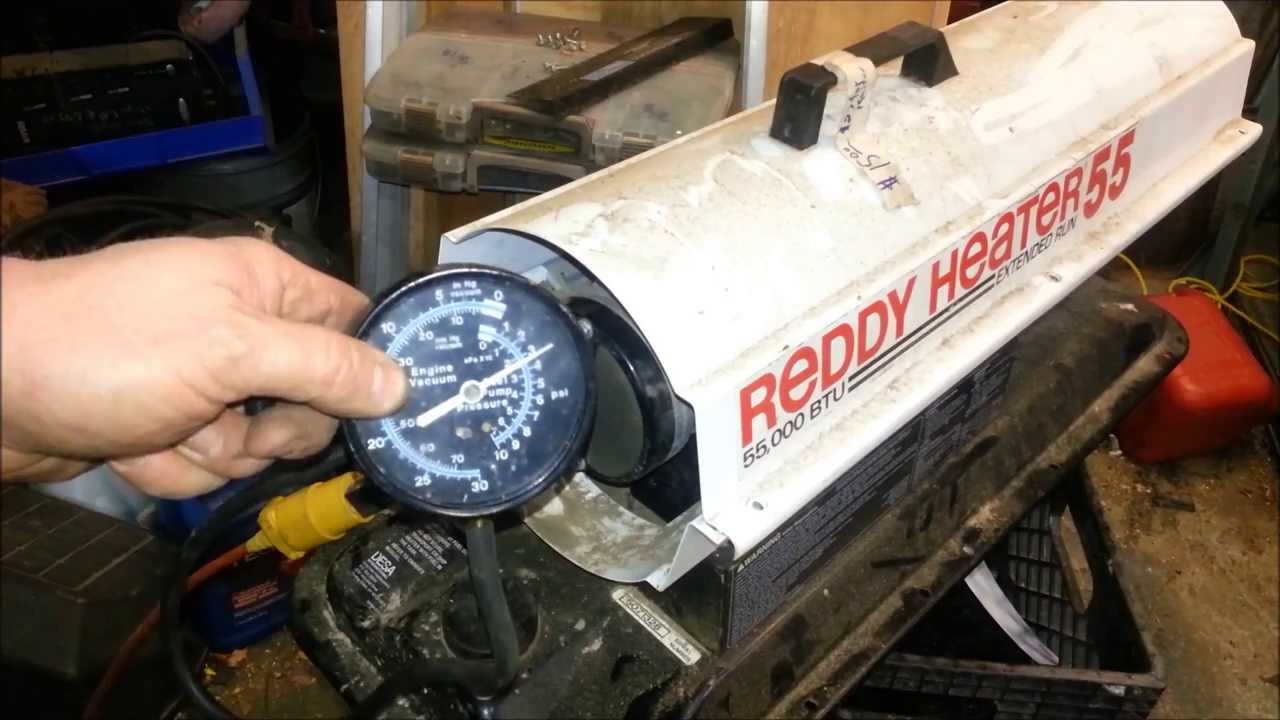
Reddy heaters rely on air pressure for proper fuel delivery. Most models have a pressure gauge or test port.
- Use a pressure gauge to check air output.
- Typical pressure is 3–8 psi (check your manual for exact numbers).
- If pressure is low, look for leaks in hoses or replace the pump.
Comparison of Air Pressure Issues:
| Problem | Possible Cause | Fix |
|---|---|---|
| Low pressure | Leaky hose, worn pump | Replace hose, rebuild pump |
| High pressure | Blocked vent | Clear vent, adjust regulator |
| No pressure | Broken diaphragm | Replace diaphragm |
Ignition System
The ignition system includes the spark plug, transformer, and wires.
- Remove the spark plug and inspect for black carbon deposits.
- Clean with a wire brush or replace if worn.
- Check the transformer output with a multimeter—should be around 10,000 volts.
- Inspect wires for cracks or loose connections.
Photocell And Flame Sensor
The photocell is a small sensor that “sees” the flame. If it’s dirty or faulty, the heater will shut down.
- Locate the photocell near the combustion chamber.
- Gently clean the lens with a soft cloth.
- Test the sensor with a multimeter (should read resistance when exposed to light).
- Replace if readings are abnormal.
Fan And Motor
If the fan doesn’t spin freely, air won’t flow and the heater won’t work.
- Remove the cover and check for dust or debris.
- Spin the fan by hand—should move smoothly.
- Check motor for overheating or burnt smell.
- Replace fan blades or motor as needed.
Reddy Heater Error Codes And What They Mean
Some newer Reddy heaters have digital displays with error codes. Here are the most common:
| Error Code | Meaning | Action |
|---|---|---|
| E1 | No flame detected | Clean photocell, check fuel |
| E2 | Overheated | Let cool, check fan |
| E3 | Low air pressure | Check air pump, hoses |
| E4 | Ignition failure | Inspect spark plug |
Knowing these codes speeds up repairs.
Reddy Heater Maintenance Tips
Regular maintenance prevents most heater problems. Here’s what you should do:
- Clean the fuel tank monthly. Drain old fuel and wipe the inside.
- Replace fuel filters every season.
- Check air pressure before each use.
- Clean the photocell and burner chamber regularly.
- Inspect the spark plug for wear.
- Lubricate motor bearings if recommended.
- Store heater dry—avoid moisture.
Many owners forget to check air pressure or clean sensors. These steps are easy but critical.
Troubleshooting Examples And Case Studies
Let’s look at some real-world examples. These cases show how troubleshooting saves time.
Example 1: Heater Shuts Down After 10 Seconds
A contractor reports his Reddy heater starts, then stops after 10 seconds. He checks fuel, power, and the fan—all seem fine. The issue turns out to be a dirty photocell. Cleaning the sensor restores normal operation.
Insight: Many users overlook the photocell. It’s a tiny part, but essential for safety.
Example 2: No Heat, Only Cold Air
A homeowner’s heater runs, but only blows cold air. Inspection shows a cracked fuel line, so fuel isn’t reaching the burner. Replacing the line fixes the problem.
Insight: Fuel lines can wear out or crack, especially after storage. Always check them if the heater isn’t producing heat.
Example 3: Excess Smoke And Odor
A mechanic uses old diesel in his Reddy heater and notices heavy smoke. Switching to fresh, clean kerosene solves the issue.
Insight: Fuel quality matters more than many people realize. Even small amounts of water or dirt cause problems.

Reddy Heater Troubleshooting Vs Other Brands
Reddy heaters share similarities with other forced-air heaters, but there are differences in parts, repair complexity, and reliability.
| Brand | Ease of Repair | Parts Availability | Common Issues |
|---|---|---|---|
| Reddy Heater | Moderate | Good | Photocell, air pressure |
| Master Heater | Easy | Excellent | Fuel filter, spark plug |
| Dyna-Glo | Difficult | Fair | Ignitor, fan motor |
Reddy heaters are generally reliable, and parts are easy to find. Still, some models have unique features, so always check your manual.
Non-obvious Troubleshooting Insights
Most guides cover the basics, but here are tips many beginners miss:
- Air leaks are hard to spot. Sometimes a tiny crack in a hose reduces air pressure and causes shutdowns. Use soapy water to test for leaks—bubbles will form at the leak.
- Photocell alignment matters. If the sensor isn’t pointed directly at the flame, it won’t work. After cleaning, make sure it’s positioned correctly.
- Voltage fluctuation affects ignition. If your workshop has unstable power, the heater may fail to ignite. Use a surge protector or test with a generator.
When To Call A Professional
Some heater problems are too complex for DIY fixes:
- Electrical issues: If you suspect problems in the control board or wiring harness, call a technician.
- Motor replacement: Replacing the motor requires special tools and skills.
- Combustion chamber cracks: If the chamber is damaged, it’s safer to replace the unit.
Attempting repairs beyond your skill level can be dangerous. Always follow safety guidelines.
Reddy Heater Troubleshooting Checklist
Here’s a quick checklist for common issues:
- Check power source
- Inspect fuel supply and quality
- Test air pressure
- Clean photocell and burner
- Inspect spark plug
- Check fan operation
- Look for leaks (fuel, air)
- Check error codes (if available)
- Confirm correct fuel type
- Review thermostat settings
Following this checklist can solve most problems.
Frequently Asked Questions
Why Does My Reddy Heater Shut Off After A Few Seconds?
Usually, this happens because the photocell sensor can’t see the flame or is dirty. Clean the sensor and make sure there’s good fuel and air pressure. Also check for blocked fuel lines or ignition issues.
Can I Use Diesel Instead Of Kerosene?
Most Reddy heaters are designed for kerosene. Some models accept diesel, but it burns less clean and can cause more smoke and odor. Always check your manual for fuel recommendations. Using the wrong fuel can damage parts.
How Often Should I Clean My Reddy Heater?
You should clean the burner and photocell every few weeks if you use the heater often. The fuel tank and filters should be cleaned every season. Regular cleaning prevents most issues and extends the heater’s life.
What Does The E1 Error Code Mean?
The E1 code means no flame is detected. This usually points to a dirty photocell, bad fuel, or ignition failure. Clean the sensor, check fuel quality, and inspect the spark plug.
Where Can I Find Reddy Heater Parts?
You can buy parts from hardware stores, online shops, or the manufacturer’s website. For reliable information and sourcing, visit Heaters Online.
Troubleshooting your Reddy heater doesn’t have to be stressful. With the steps and tips in this guide, you can quickly diagnose problems and get your heater working again. Regular maintenance, careful inspection, and understanding the key components will keep your heater reliable and safe for years to come.
If you run into complex issues, don’t hesitate to call a professional—safety should always come first.

