

Pool owners love the comfort and convenience that a Hayward heater brings. When your pool water is always warm, swimming feels relaxing, even on cooler days. But like any machine, Hayward heaters can run into problems. If your heater stops working, you may feel frustrated or confused. Troubleshooting can seem hard, especially if you don’t know where to start. This guide will make things easier for you. It explains common issues, step-by-step solutions, and tips that most beginners miss. With these clear instructions, you can solve most Hayward heater problems quickly and safely.
Understanding Hayward Pool Heaters
Hayward is a well-known brand in pool equipment. Their heaters use either gas or electricity to heat pool water. Most Hayward models are gas heaters (natural gas or propane) or heat pumps (electric). Each type has its own system for heating water.

36% off Today’s Exclusive Deals
Limited-time Exclusive Deals. Check current discount on Amazon.
Check Price on Amazon As an Amazon Associate I earn from qualifying purchases.Gas heaters burn fuel to create heat, which warms the water quickly. Heat pumps use electricity to pull heat from the air and transfer it to the water. Both systems have sensors, switches, and circuits that control temperature and safety.
Most Hayward heaters have a digital display and error codes. These codes help you identify issues. If the display shows a code, check your owner’s manual for the meaning.
Key Features
- Fast heating: Gas models can heat pools in a few hours.
- Precise control: Digital thermostats let you set the exact temperature.
- Safety shutoff: The heater turns off if it detects unsafe conditions.
- Self-diagnosis: Built-in sensors display error codes for easy troubleshooting.
Understanding these basics will help you fix problems faster.
Common Hayward Heater Problems
Many heater issues look similar. The water stays cold, the display flashes a code, or the heater won’t turn on. But the causes are often different. Here are the most common problems:
- Heater won’t ignite
- Water doesn’t heat up
- Error codes on display
- Heater turns off unexpectedly
- Strange noises
- Low water flow
- Gas smell
- Soot or smoke
- High-limit switch triggered
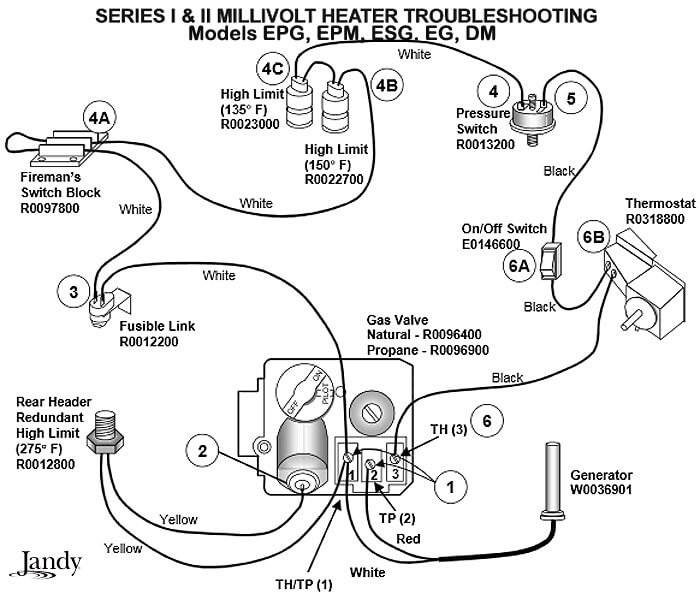
- Pilot light issues (older models)
- Corrosion or leaks
Each problem needs a careful approach. Let’s break down the steps for troubleshooting.
Heater Won’t Ignite
If your Hayward heater won’t ignite, start by checking the basics. Many times, the solution is simple.
Step-by-step Fix
- Check power supply: Make sure the heater is plugged in and the circuit breaker is on.
- Gas supply: Confirm that the gas valve is open. If you use propane, check the tank level.
- Thermostat setting: Set the thermostat above the current water temperature.
- Pool pump: The pump must be running. If not, the heater won’t start.
- Flow sensor: If water flow is too low, the heater won’t ignite.
- Error codes: Look for codes like “IF” (Ignition Failure). Refer to your manual.
- Igniter: Listen for clicking sounds. No sound might mean a faulty igniter.
Non-obvious tip: Many beginners forget to check the pool filter. A dirty filter reduces water flow and prevents ignition.
If these steps don’t solve the problem, you may need a technician. Sometimes, the gas valve or control board needs expert repair.
Water Doesn’t Heat Up
If your heater runs but the water stays cold, the issue might be inside the heater or outside.
Troubleshooting Steps
- Heater running: Is the display on, and does the heater sound normal?
- Temperature sensor: Sometimes the sensor gives wrong readings. Try resetting the unit.
- Bypass valve: Make sure water is flowing through the heater, not around it.
- Heat exchanger: If it’s clogged, heat won’t transfer properly.
- Pump speed: Too high or too low speed can cause problems.
Example: If your heater runs but only warms the water a little, the heat exchanger may have calcium buildup. Regular cleaning helps.
Data Table: Common Causes of Poor Heating
| Cause | How to Check | Solution |
|---|---|---|
| Dirty Filter | Inspect filter pressure | Clean or replace filter |
| Low Gas Supply | Check gas meter/tank | Refill or open valve |
| Clogged Heat Exchanger | Remove front panel | Flush with water and mild acid |
| Faulty Sensor | Compare display and thermometer | Replace sensor |
Error Codes And What They Mean
Hayward heaters use error codes to show the problem. These codes save time, but many owners don’t understand them.
Common Error Codes
- IF: Ignition Failure
- LO: Low Water Flow
- HS: High Limit Switch
- CE: Communication Error
- AO: Air Pressure Switch
When you see a code, look it up in your heater manual. Some codes are simple (like “LO”), while others need professional help.
Non-obvious tip: If you see “CE,” check the wiring between the display and control board. Loose connections often cause this error.
Data Table: Hayward Error Codes
| Error Code | Meaning | What to Check |
|---|---|---|
| IF | Ignition Failure | Gas supply, igniter, flame sensor |
| LO | Low Water Flow | Filter, pump, valves |
| HS | High Limit Switch | Water temp, high-limit sensor |
| CE | Communication Error | Control board connections |
| AO | Air Pressure Switch | Ventilation, blower |
Heater Turns Off Unexpectedly
Sometimes, your heater starts but then shuts off after a few minutes. This can be confusing.
Possible Causes
- Overheating: The high-limit switch turns the heater off if water gets too hot.
- Low water flow: If the filter is dirty, the heater senses low flow and shuts down.
- Electrical issues: Loose wires or a bad circuit can interrupt power.
- Gas supply: If gas pressure drops, the heater can shut off.
Practical tip: Always check the pump and filter first. 80% of unexpected shutdowns are caused by poor water flow.
Strange Noises From The Heater
A Hayward heater should run quietly. If you hear banging, hissing, or rumbling, there may be a problem.
Typical Sounds And Causes
- Banging: Often means air is trapped inside the heat exchanger.
- Hissing: Could be a gas leak or water leak.
- Rumbling: Build-up inside the heat exchanger.
- Clicking: Igniter or relay switching.
Safety warning: If you smell gas or hear loud hissing, turn off the heater and gas supply. Call a technician right away.
Low Water Flow And Its Effects
Low water flow is a common problem. Hayward heaters need enough flow to work correctly.
How To Diagnose
- Check filter: High pressure means the filter is dirty.
- Pump basket: Remove debris from the basket.
- Valves: Make sure valves are open.
- Flow sensor: Some sensors get blocked or fail.
- Plumbing leaks: Look for wet spots around pipes.
Data Table: Signs of Low Water Flow
| Sign | Possible Cause | Fix |
|---|---|---|
| Heater won’t start | Dirty filter | Clean filter |
| LO error code | Blocked pump | Clear pump basket |
| Low pressure | Air leak | Seal pipe joints |
| Suction noise | Closed valve | Open valve |
Non-obvious insight: Many owners ignore small leaks. Even tiny leaks reduce water flow and can cause heater shutdowns.
Gas Smell Or Soot
Safety should always come first. If you smell gas or see soot, act quickly.
Gas Smell
- Turn off the heater
- Close the gas valve
- Ventilate the area
- Call a technician
Gas leaks are dangerous. Never try to fix them yourself.
Soot Or Smoke
Soot means the heater is not burning fuel cleanly. This can cause poor heating and damage the unit.
- Check burner: Sometimes debris blocks the burner.
- Check vent: Make sure the vent is open.
- Clean heat exchanger: Soot often builds up here.
High-limit Switch Triggered
The high-limit switch protects your heater from overheating. If it trips often, there’s a problem.
Causes
- Blocked water flow: Water isn’t moving fast enough.
- Faulty sensor: The sensor may give false readings.
- Dirty heat exchanger: Overheats due to poor heat transfer.
Action: Clean the filter, check the sensor, and flush the heat exchanger. If the switch still trips, call a technician.
Pilot Light Issues (older Models)
Some Hayward heaters have a pilot light instead of electronic ignition.
Common Problems
- Pilot won’t stay lit: Thermocouple may be faulty.
- No spark: Igniter may need replacing.
- Windy conditions: Shield the pilot area.
Example: If the pilot goes out often, replace the thermocouple. It’s a cheap part but critical for safety.
Corrosion And Leaks
Heaters work with water and heat, so corrosion is common over time.
Where To Look
- Heat exchanger: Check for rust or scale.
- Header assembly: Look for leaks around joints.
- Gas valve: Inspect for signs of corrosion.
Prevention tip: Use a pool water test kit to check pH and alkalinity. Unbalanced water speeds up corrosion.
Annual Maintenance Checklist
A well-maintained heater lasts longer and works better. Here’s what you should do every year:
- Clean or replace the filter.
- Flush the heat exchanger.
- Check all electrical connections.
- Inspect for leaks and corrosion.
- Test the gas supply and pressure.
- Lubricate moving parts (if applicable).
- Check error codes and reset if needed.
Non-obvious tip: Schedule maintenance before the swimming season. Many people wait until summer, but spring is better.
When To Call A Professional
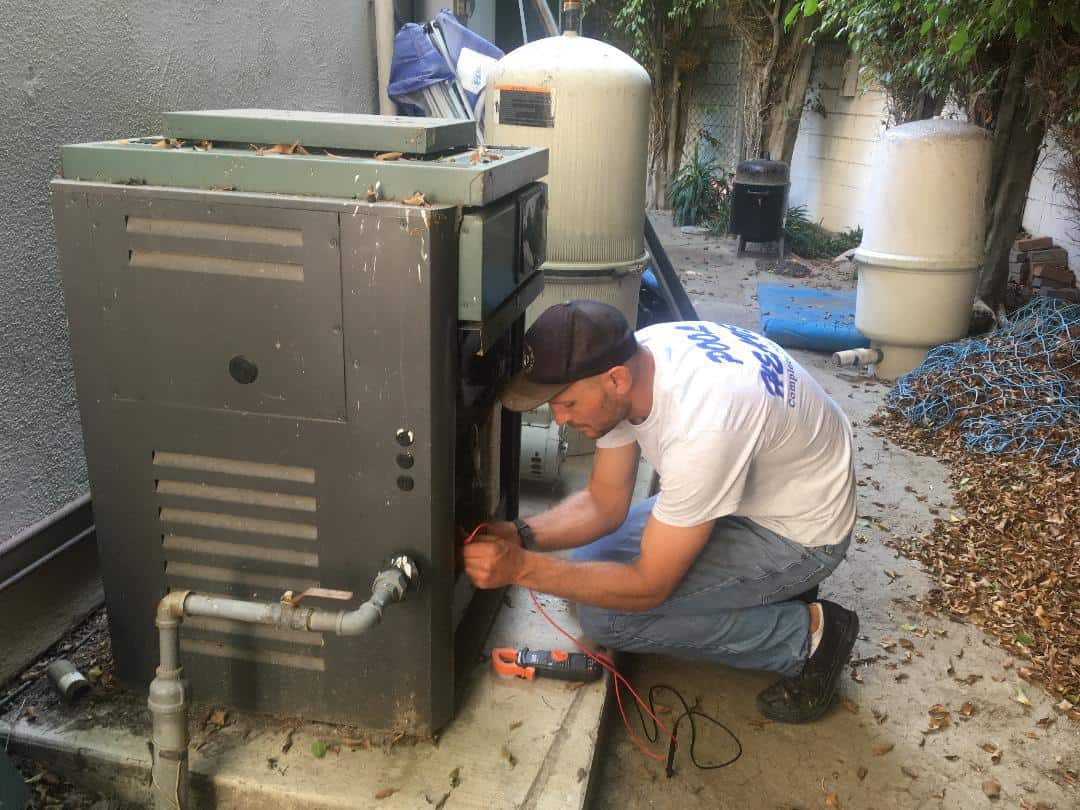
Some problems are easy to fix. Others need expert help. Call a technician if:
- You smell gas or see flames outside the burner.
- Error codes don’t clear after basic steps.
- The heater leaks inside the unit.
- You suspect electrical problems.
- You have repeated shutdowns.
Data: According to Hayward, over 60% of heater repairs are done by professionals. DIY fixes are safe if you follow instructions and know your limits.
Comparing Hayward Gas Heaters And Heat Pumps
Choosing the right heater affects troubleshooting and maintenance. Here’s a quick comparison:
| Feature | Gas Heater | Heat Pump |
|---|---|---|
| Heating Speed | Fast (hours) | Slow (days) |
| Energy Cost | High | Lower |
| Maintenance | Gas valve, burner, pilot | Compressor, refrigerant |
| Common Issues | Ignition, gas supply | Sensor, airflow |
| Best For | Cold climates | Warm climates |
Upgrading Or Replacing Your Hayward Heater
If your heater is old or keeps breaking down, it might be time to upgrade.
Signs You Need A New Heater
- Heater is more than 10 years old.
- Repairs cost more than half the price of a new unit.
- Heater is leaking internally.
- You need faster heating or lower energy costs.
Cost example: A new Hayward gas heater costs $1,200–$3,000. Heat pumps are $2,000–$4,000 but use less energy.
Avoiding Common Troubleshooting Mistakes
When troubleshooting, beginners often make mistakes. Here are some to avoid:
- Skipping the basics: Always check power, gas, and water flow first.
- Ignoring error codes: They’re the fastest way to diagnose problems.
- Overlooking small leaks: These can cause major issues later.
- Forgetting annual maintenance: Regular care prevents most problems.
- Trying to fix gas leaks: Always call a professional for gas issues.
- Using wrong parts: Only use Hayward-approved parts.
Non-obvious tip: Document what you do. Write down error codes, steps, and dates. This helps if you need professional help later.
Hayward Heater Troubleshooting: Quick Reference
For fast troubleshooting, follow this flow:
- Is the heater powered on?
- Is the pool pump running?
- Are error codes showing?
- Is water flow normal?
- Is the gas supply on?
- Are there leaks or strange noises?
- Is the thermostat set correctly?
If you answer “no” to any, fix that issue first before moving to the next.
Frequently Asked Questions
What Does The “if” Error Code Mean On My Hayward Heater?
The IF error code stands for Ignition Failure. This means the heater tried to start but couldn’t ignite the gas. Check the gas supply, igniter, and flame sensor. If the problem continues, call a technician.
Why Is My Hayward Heater Turning Off After A Few Minutes?
If the heater shuts off quickly, it may be due to overheating, low water flow, or a faulty high-limit switch. Start by cleaning your filter, checking pump operation, and inspecting the high-limit sensor. Persistent issues may need expert help.
How Often Should I Maintain My Hayward Pool Heater?
You should perform annual maintenance before each swimming season. This includes cleaning the filter, flushing the heat exchanger, checking for leaks, and testing sensors. Regular care prevents most problems and extends heater life.
Is It Safe To Repair Gas Leaks Myself?
No, it’s not safe. If you smell gas or suspect a leak, turn off the heater and gas supply immediately. Call a licensed technician. Gas leaks are dangerous and require professional tools and skills.
What’s The Best Way To Improve Heater Efficiency?
To boost efficiency, keep your filter clean, maintain proper water chemistry, and schedule annual maintenance. Upgrading to a newer model can also save energy. For more details, check the official Hayward Pool website.
Warm pool water makes swimming enjoyable. When your Hayward heater works well, you don’t have to worry about cold days. Troubleshooting is easier than it seems, especially if you follow the steps in this guide. Remember to check the basics first, read error codes, and keep your heater clean.
Never ignore gas smells or leaks—safety comes first. With regular maintenance and careful troubleshooting, your Hayward heater will keep your pool comfortable for years. If you ever feel unsure, professional help is always a smart choice.

